Walid Sujud Trenggono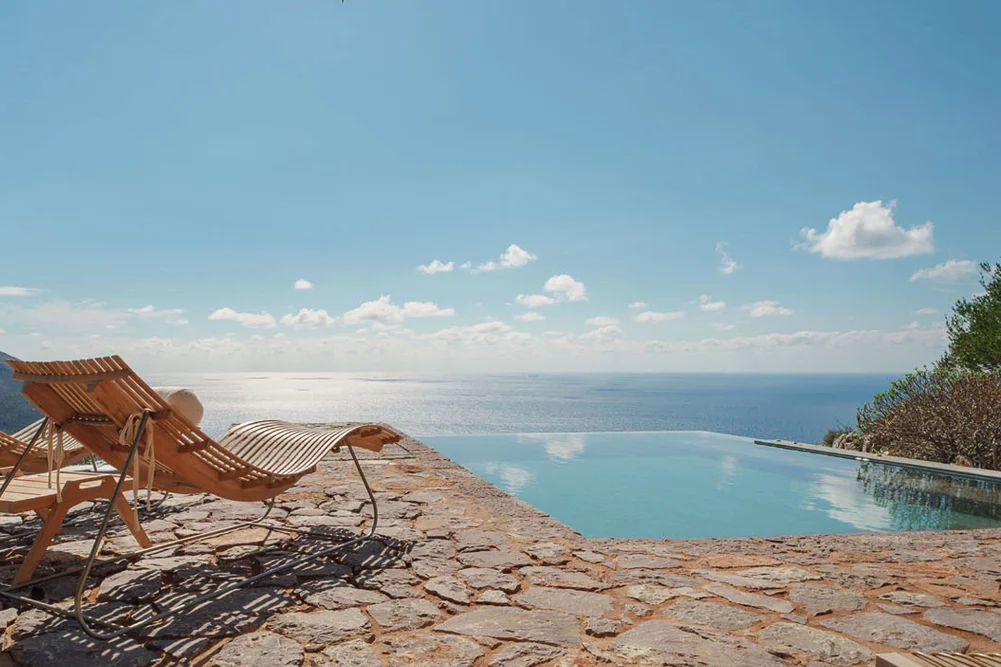
The international travel landscape is currently undergoing a significant transformation as travelers move away from traditional sightseeing in favor of "wellness-centric" journeys designed to address mental, physical, and spiritual exhaustion. This shift is particularly evident among primary caregivers and working mothers, a demographic increasingly seeking "maternal sabbaticals" to combat burnout and reclaim a sense of individual identity. Recent travel patterns to Greece, specifically to the island of Crete and the rugged Mani Peninsula, highlight how boutique hospitality and localized experiences are being leveraged as essential tools for psychological restoration. As the global wellness tourism market continues its trajectory toward an estimated valuation of $1.3 trillion by 2025, the motivations behind these trips have shifted from simple leisure to a perceived necessity for long-term health and family stability.
The Psychological Catalyst: Addressing Parental Burnout through Travel
For many women balancing professional responsibilities with the demands of parenting, the decision to travel without family members has become a strategic intervention against chronic stress. Research indicates that women often function as the primary emotional and logistical "caretakers" within the domestic sphere, frequently prioritizing the needs of others over their own wellness. The emergence of the "wellness retreat" as a secular pilgrimage allows these individuals to shift the narrative from selflessness to self-preservation. This phenomenon is supported by data from Omnitrak, a Hawaii-based research firm specializing in national travel surveys. According to Chris Kam, President and COO of Omnitrak, the travel experience has fundamentally transformed in the wake of the global pandemic. Kam notes that while travel has historically served as a "reset," it has now evolved into a critical venue for healing from the multifaceted stresses of modern life.
The period of restricted movement during the COVID-19 pandemic significantly heightened the human desire for spontaneity and exploration. For mothers, the loss of these outlets exacerbated the feelings of confinement inherent in domestic roles. Consequently, the post-pandemic era has seen a surge in "identity-focused" travel, where the goal is not merely to see a new location but to expand the traveler’s sense of self. This is particularly relevant for those facing major life transitions, such as the expansion of a family, where a brief period of total autonomy is viewed as a prerequisite for entering a new phase of motherhood with renewed energy.
Chronology of the Wellness Journey: From Crete to Cape Tainaron
The strategic selection of destinations plays a vital role in the efficacy of wellness travel. A recent six-night itinerary through Greece serves as a case study for this integrated approach to restoration. The journey began on the island of Crete, specifically in the village of Koutouloufari, before transitioning to the southernmost point of mainland Europe.
Phase I: The Boutique Hospitality Model in Crete
The first stage of the restoration process centered on Villa Ippocampi, a family-owned boutique hotel located in Koutouloufari. In the context of the Greek tourism economy, boutique establishments have become essential for travelers seeking "home-like" environments that differ from the anonymity of large-scale resorts. Managed by the family trio of Lydia, Sophia, and Nikos, the villa emphasizes personalized connection and emotional hospitality.
The architectural and environmental design of such locations is intentionally curated to lower cortisol levels. Villa Ippocampi utilizes bohemian-inspired décor, traditional Aegean color palettes of blue and white, and natural elements like shells and local flora to create a "peaceful ambience." For the travelers, the first 48 hours were dedicated to "unwinding"—a process involving passive activities such as lounging by a pool surrounded by bougainvillea and olive trees. This phase is critical for transitioning the brain from the high-alert state of parenting to a state of receptive relaxation.
The Cretan portion of the trip also highlighted the importance of social connection outside of the family unit. Localized dining experiences, such as lunches at traditional fish taverns, provided a platform for "heartfelt conversations" between guests and hosts. These interactions allow travelers to bond over shared experiences of motherhood and professional life, fostering a sense of community that is often lost in the isolation of modern suburban living.
Phase II: The "End of the World" at Cape Tainaron
The second half of the itinerary involved a transition to the Mani Peninsula on the Greek mainland, specifically to Tainaron Blue Retreat. Situated on the historic Cape Tainaron—traditionally known in Greek mythology as one of the gates to the Underworld—this location offers a different psychological experience: that of profound isolation and awe.
Cape Tainaron is the southernmost point of Continental Europe. The retreat itself is housed in a restored stone tower, blending seamlessly with the rugged, rocky landscape of the Peloponnese. In terms of architectural psychology, the "rustic yet refined" design of Tainaron Blue serves to minimize digital distractions and refocus the traveler’s attention on the natural environment.
The hospitality at Tainaron Blue, led by staff member Kostas, exemplifies the "intuitive service" model. This approach involves providing high-level care without being intrusive, allowing guests the "silent spaciousness" required for deep introspection. The culinary experience here is also a deliberate component of the wellness practice, featuring six-course meals crafted from fresh, local ingredients such as kingfish, prawns, and seasonal produce. This focus on "slow food" encourages mindfulness and sensory engagement, further distancing the traveler from the rushed, utilitarian eating habits common in busy households.
Supporting Data: The Growth of the Greek Wellness Sector
The shift toward high-end, restorative travel is a boon for the Greek economy, which relies on tourism for approximately 25% of its GDP. According to the Bank of Greece, tourism revenues have seen a steady increase as the country pivots toward "quality over quantity." By attracting wellness travelers who stay in boutique accommodations and engage with local businesses, Greece is diversifying its tourism portfolio.
Data from the Global Wellness Institute (GWI) suggests that wellness travelers spend on average 53% more than the typical international tourist. This is because wellness tourism is often synonymous with "slow travel"—a movement that prioritizes longer stays, local engagement, and high-quality artisanal products. In Crete and the Mani Peninsula, this economic impact is felt directly by family-run villas, local fishermen, and village taverns.
Furthermore, the "maternal travel" niche is gaining traction within the broader $650 billion luxury travel market. Travel agencies are increasingly reporting a rise in "moms-only" bookings, with destinations like Greece, Italy, and Bali leading the demand. These trips are often marketed as "recharge" packages, acknowledging the specific psychological needs of women who manage both professional and domestic spheres.
Broader Impact and Implications for the Travel Industry
The success of the Greek wellness model suggests several long-term implications for the global travel industry:
- Integration of Mental Health and Hospitality: Hotels are no longer just places to sleep; they are increasingly viewed as "healing spaces." Establishments that prioritize tranquility, architectural harmony with nature, and personalized service are likely to outperform traditional luxury hotels.
- The Rise of "Authentic" Localization: Travelers are seeking a sense of belonging. The family-run nature of Villa Ippocampi, where guests are treated as "friends," represents a shift away from standardized service toward emotional intelligence in hospitality.
- Redefining Wellness: As demonstrated by the experiences in Greece, wellness is being redefined. It is moving away from purely physical treatments (like spas) toward a holistic "mindset shift." The combination of nature, simple nutrition (the Mediterranean diet), and meaningful social connection is being recognized as a more sustainable form of wellness than high-tech medical spas.
- The Normalization of "Selfish" Travel: There is a growing societal acceptance of parents taking individual breaks. What was once viewed as a luxury or an act of neglect is now being framed as a "necessity" for maintaining a balanced and purposeful life.
Conclusion: The Lasting Impression of Restoration
The journey through Crete and the Mani Peninsula underscores a fundamental truth about modern travel: the most profound experiences often stem from the simplest elements. The "simple pleasures" of the Mediterranean—crystal-clear water, homegrown produce, and the absence of responsibility—provide a stark contrast to the complexity of 21st-century parenting.
For the travelers, the six-day excursion resulted in a "deep restoration" that allowed them to return to their families with a renewed sense of self. The experience suggests that wellness is not a destination to be reached but a mindset to be cultivated. By disconnecting from the "busyness" of life and reconnecting with nature and long-term friendships, travelers can achieve a state of "harmonious blend" between their various roles as parents, professionals, and individuals.
As the travel industry continues to evolve, the focus on "healing from stress" will likely remain a dominant theme. The Greek model, which leverages the country’s natural beauty and traditional hospitality, provides a blueprint for how destinations can cater to a global population that is increasingly desperate for space, silence, and a return to the self. Greece, with its "sparkling sea and friendly locals," remains at the forefront of this movement, offering a reminder that the most essential travel is often the journey back to one’s own center.

 Anjar Salim
 Chandra Hamzah
 Tatiana Tantri Indah Sari
 Budi Mulyono
 Lukman Taruna Persada Ramadan