
 Anjar Salim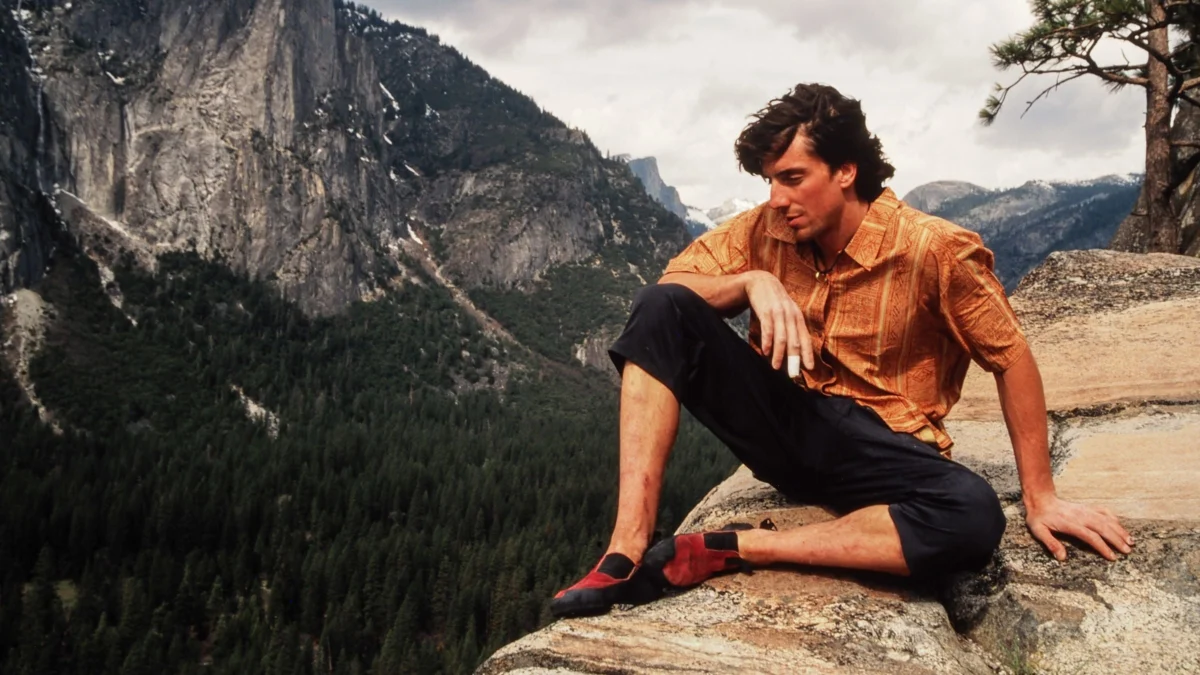
The upcoming release of the HBO docuseries The Dark Wizard marks a significant moment in the documentation of extreme sports history, offering an exhaustive look at the life, philosophy, and tragic end of Dean Potter. Directed by the Emmy-winning duo of Peter Mortimer and Nick Rosen—the creative minds behind acclaimed features such as The Alpinist and The Dawn Wall—the four-part series aims to deconstruct the persona of a man who redefined the limits of human capability in the vertical world. Premiering at the SXSW Film Festival on March 15, 2026, before its scheduled television debut on April 14, the series utilizes never-before-seen archival footage and contemporary interviews to profile the individual often described as the most polarizing and influential figure in modern climbing history.
The Rise of a Vertical Iconoclast
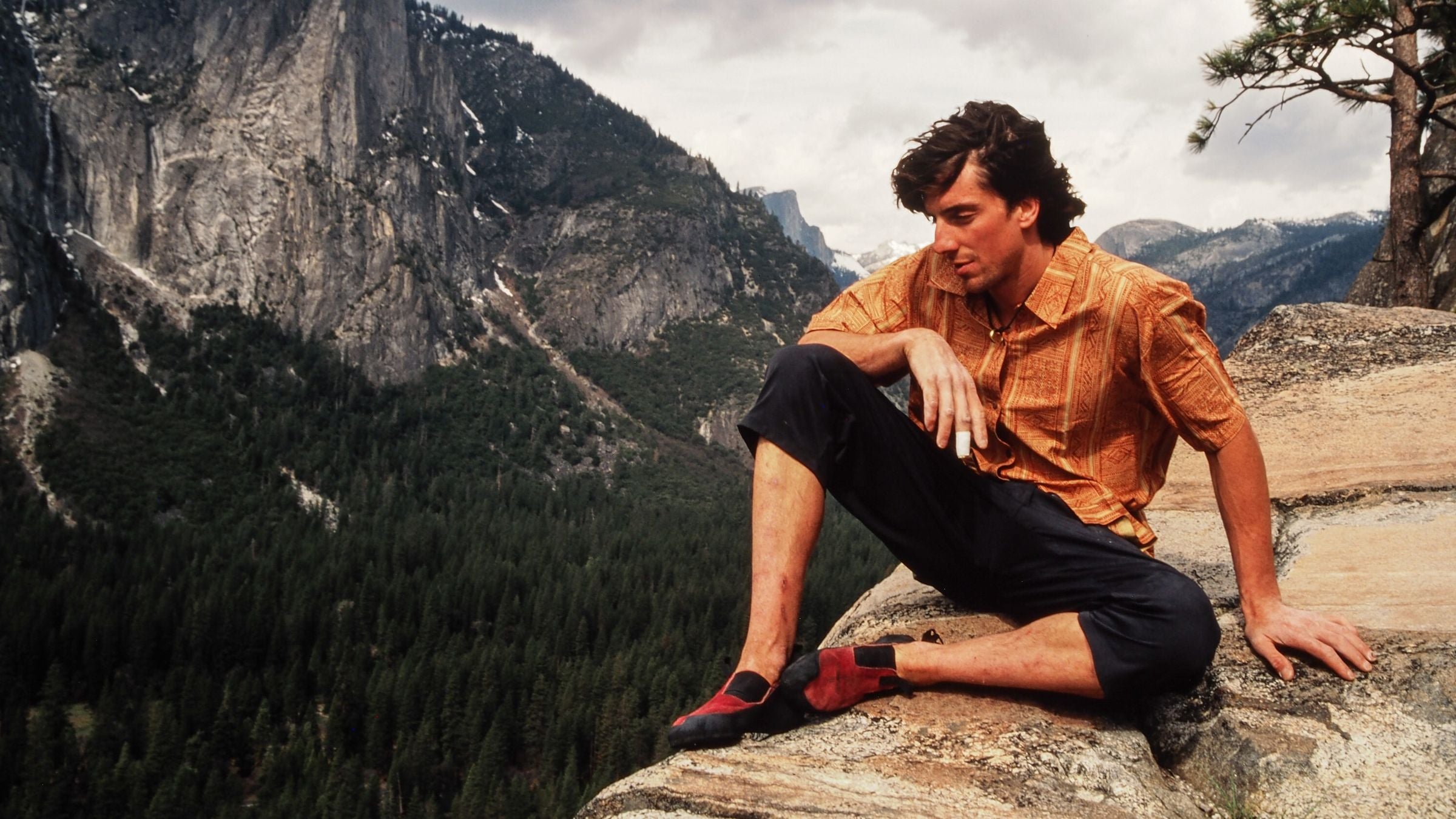
Dean Potter’s ascent to the pinnacle of the outdoor world began in the early 1990s when he arrived in Yosemite National Park. Standing at six-foot-five with a wingspan that seemed engineered for the granite walls of the Sierra Nevada, Potter quickly distinguished himself not just through physical prowess, but through a radical reimagining of what was possible. While traditional climbing emphasizes the use of ropes and protective gear to mitigate risk, Potter gravitated toward the fringes of the sport: free-soloing, speed climbing, and highlining.
In 2002, Potter’s reputation reached the mainstream when he was featured on the cover of Outside magazine. The profile, titled "Climbing at the Speed of Soul," detailed his record-breaking speed ascents on El Capitan. During this era, Potter and his peers were engaged in a friendly but fierce competition to shave minutes and hours off the time required to climb the world’s most famous monolith. However, for Potter, the clock was secondary to the mental state he achieved while moving unencumbered by heavy equipment.
Innovations in Risk: The Birth of Free-Basing
As Potter’s career progressed, he began to merge disparate disciplines into a singular, high-stakes pursuit. One of his most notable contributions to the world of extreme sports was "free-basing." This technique involved free-soloing massive rock faces while wearing a lightweight BASE-jumping parachute. The logic was that the parachute served as a "backup" in case of a fall, though the margins for error remained razor-thin, as the climber would need enough altitude and presence of mind to deploy the chute before impact.
This hybrid sport exemplified Potter’s "Dark Wizard" persona—a nickname earned through his intense focus, his preference for black clothing, and his deep, often esoteric philosophies regarding flight and gravity. Beyond climbing, Potter was a pioneer in highlining, the act of walking a narrow nylon webbing stretched between two high points. He famously crossed lines thousands of feet above the Yosemite Valley floor without a safety leash, relying entirely on his balance and mental fortitude.
A Chronology of a High-Stakes Career
To understand the weight of the upcoming docuseries, one must examine the timeline of Potter’s career, which was marked by both unprecedented athletic achievements and significant professional friction.
- 1998–2001: Potter establishes himself in Yosemite, completing the first solo "link-up" of Half Dome and El Capitan in a single day.
- 2002: The Outside magazine cover brings Potter to national attention, cementing his status as a professional athlete.
- 2006: Potter climbs the Delicate Arch in Arches National Park. The ascent sparks a national controversy regarding the ethics of climbing on sensitive natural monuments. This event led to the loss of several high-profile sponsorships, including his long-standing relationship with Patagonia.
- 2009: Potter sets a world record for the longest BASE-jump flight in a wingsuit, staying aloft for nearly three minutes after jumping from the Eiger in Switzerland.
- 2014: The release of the short film "When Dogs Fly," featuring Potter’s dog Whisper strapped to his back during a wingsuit flight, goes viral. While popular, it also draws criticism from animal rights groups, highlighting Potter’s constant friction with conventional norms.
- May 16, 2015: Dean Potter and his flying partner, Graham Hunt, perish during a wingsuit flight from Taft Point in Yosemite National Park.
The Taft Point Accident: A Fact-Based Analysis
The climax of The Dark Wizard inevitably centers on the events of May 16, 2015. Potter, aged 43, and Hunt, aged 29, attempted a sunset wingsuit flight from Taft Point, an overlook 3,000 feet above the Yosemite Valley floor. The objective was to fly through a narrow "notch" in the ridgeline—a technical maneuver requiring absolute precision.
Investigations following the accident suggested that the pair may have encountered turbulent air or misjudged the clearance required to clear the notch. Neither Potter nor Hunt deployed their parachutes, indicating that the impact occurred at high speed. The accident sent shockwaves through the global climbing community, not only because of Potter’s fame but because he was considered one of the most experienced and calculated practitioners of BASE jumping.
The tragedy also underscored the legal complexities of the sport. BASE jumping remains illegal in Yosemite National Park and all other U.S. National Parks. This prohibition often forces jumpers to launch at dusk or dawn to avoid detection by park rangers, conditions that can increase the inherent risks of the flight.
Production and Perspectives: The Making of The Dark Wizard
The Dark Wizard is the result of years of meticulous research and production by Sender Films. Peter Mortimer and Nick Rosen have a storied history of documenting the Yosemite scene, having previously directed Valley Uprising, a definitive history of Yosemite climbing. Their access to the inner circle of the climbing world allows the series to feature candid insights from contemporary legends.
Alex Honnold, whose own free-solo of El Capitan was the subject of the Oscar-winning documentary Free Solo, appears in the series to discuss Potter’s influence. While Honnold represents a more analytical and "clean-cut" era of climbing, he acknowledges Potter as a foundational figure who proved that the human mind could withstand the pressures of life-or-death soloing. Professional climber Cedar Wright also provides commentary, describing Potter in the trailer as "the most badass motherfucker in the Valley," a sentiment that reflects the reverence and occasional intimidation Potter commanded among his peers.
The series is structured into four parts, allowing the directors to move beyond the adrenaline of the stunts and explore Potter’s psychological landscape. It addresses his childhood dreams of falling, his obsession with the "line" between life and death, and the heavy toll his lifestyle took on his personal relationships.
Broader Impact and Industry Implications
The release of The Dark Wizard comes at a time when extreme sports have transitioned from counter-cultural activities to multi-billion-dollar industries. Climbing’s inclusion in the Olympic Games and the commercial success of outdoor documentaries have brought a new level of scrutiny to the risks involved.
Statistically, BASE jumping is one of the world’s most dangerous activities. Data from the BASE Fatality List (BFL) indicates that the number of deaths has increased as the sport has grown in popularity and equipment technology has advanced. Critics argue that the glorification of these "death-defying" feats in high-production documentaries can encourage inexperienced individuals to take unnecessary risks. Conversely, proponents argue that films like The Dark Wizard provide a necessary, sobering look at the reality of the sport, honoring the athletes while being honest about the consequences.
For the outdoor industry, Potter’s legacy remains a complex one. He was a pioneer who pushed equipment manufacturers to innovate, yet his penchant for breaking rules—such as the Delicate Arch climb—created a blueprint for the "rebel" athlete that brands sometimes find difficult to manage.
Conclusion: The Legacy of the Dark Wizard
As The Dark Wizard prepares for its broad release on HBO and its screening at the BIFF Adventure Film Program in Boulder, Colorado, it stands as a definitive record of a life lived at the extreme edge of human experience. The series does not shy away from the contradictions of Dean Potter’s character: his immense gentleness and his fierce ego; his love for nature and his willingness to defy the regulations designed to protect it; his mastery of flight and his ultimate fall.
The trailer for the series concludes with a haunting quote from Potter himself: “When I was a little boy, my first memory was this dream of falling. My whole life, I’ve been obsessed with the dream. But maybe it wasn’t me falling to my death; maybe it was me flying.” Through this docuseries, audiences are invited to decide for themselves whether Potter was a man lost in a dangerous obsession or a visionary who briefly achieved a form of freedom few will ever know. Regardless of the conclusion, The Dark Wizard ensures that the name Dean Potter will remain etched in the granite history of Yosemite for generations to come.



 Chandra Hamzah
 Tatiana Tantri Indah Sari
 Budi Mulyono
