
 Anjar Salim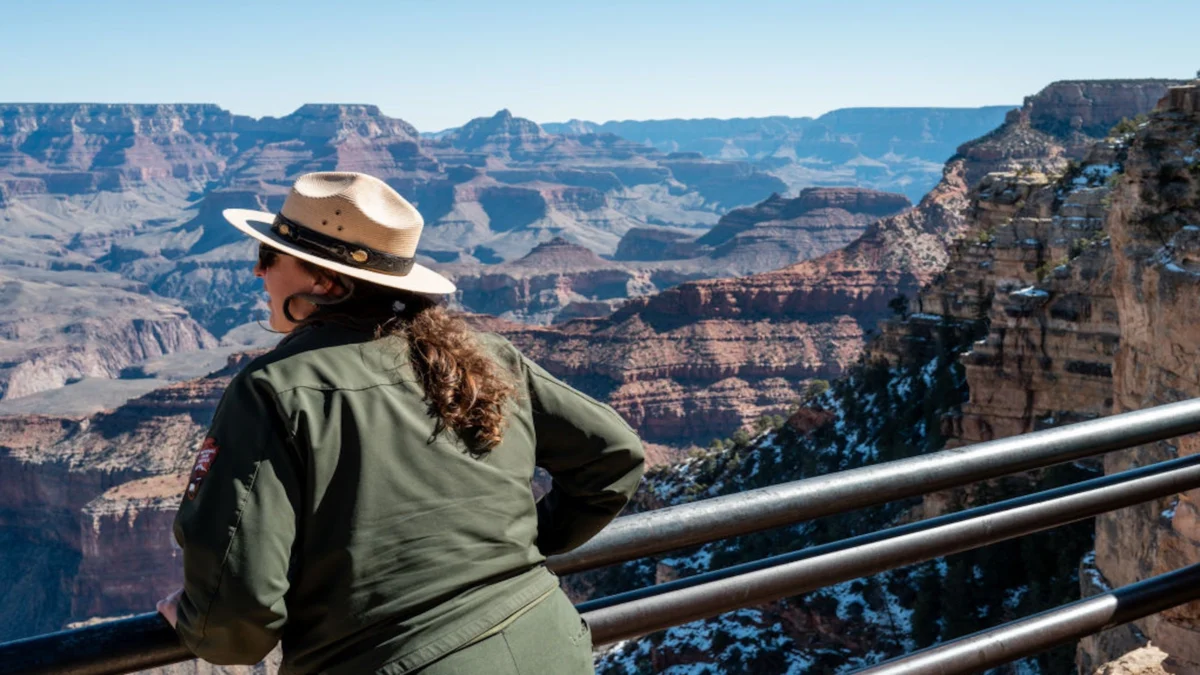
The National Park Service (NPS) has officially launched its recruitment drive for seasonal interpretive ranger positions, opening a competitive application window for roles situated within six of the nation’s most distinct natural and historical sites. This hiring surge, aimed at preparing for the peak 2026 visitor season, comes with a strict set of parameters, including a cap on the number of applications accepted. Prospective candidates have until March 29, 2026, at 11:59 P.M. EST to submit their resumes via the federal USAJOBS portal, though the agency warned that the window will close prematurely once the first 200 applications are received.
The positions, which are slated to run from April through July 2026, offer a pay scale ranging from $19.52 to $31.43 per hour. These rates are base figures and do not include additional local cost-of-living adjustments that may apply depending on the specific park location. As is standard for federal law enforcement and educational roles within the Department of the Interior, applicants must hold U.S. citizenship and undergo a rigorous background investigation.
Core Responsibilities of the Interpretive Ranger
Interpretive rangers serve as the primary interface between the National Park Service and the public. Unlike law enforcement rangers, who focus on resource protection and rule enforcement, interpretive rangers are tasked with education, storytelling, and hospitality. According to the official job description, successful candidates will be responsible for developing and presenting a wide array of educational programs. This includes leading guided hikes, delivering formal presentations on park history and ecology, and engaging with diverse audiences in varied settings, from visitor centers to remote backcountry trails.
Beyond the educational scope, the roles involve logistical and administrative duties. Rangers are expected to perform cashier duties at visitor centers, manage entrance stations, and provide essential safety information to the millions of tourists expected to visit the parks during the spring and summer months. The role requires a high degree of flexibility; hired personnel may be required to live in government-provided quarters—often in remote locations—and must be available to work on-call, including weekends, holidays, and mandatory overtime during peak visitation periods.
A Geographic Deep Dive: The Six Featured Sites
The current hiring initiative spans six specific sites across the United States, each offering a unique environment and set of interpretive challenges.
Yellowstone National Park (Wyoming, Montana, Idaho)
As the world’s first national park, Yellowstone remains the flagship of the NPS system. Seasonal rangers here deal with some of the highest visitor volumes in the country. Interpretive work in Yellowstone focuses heavily on geothermal features like Old Faithful, the restoration of wolf populations, and the management of "wildlife jams" caused by bison and bear sightings.
Cuyahoga Valley National Park (Ohio)
Located between Cleveland and Akron, Cuyahoga Valley represents a successful model of environmental restoration. Rangers here interpret the history of the Ohio & Erie Canal and the recovery of the Cuyahoga River. The park’s urban-adjacent nature requires rangers to be adept at managing high-density day-use crowds.
Nez Perce National Historical Park (Idaho)
With its headquarters in Spalding, this park is spread across 38 sites in four states. It honors the history and culture of the Nimiipuu (Nez Perce) people. Interpretive rangers here must possess a deep sensitivity to Indigenous history and be capable of communicating complex narratives regarding tribal sovereignty and cultural heritage.
Pipestone National Monument (Minnesota)
This site is sacred to many Native American tribes who have quarried the red pipestone here for centuries. Rangers at Pipestone focus on the intersection of geology and human tradition, explaining the spiritual significance of the site and the ongoing rights of Indigenous people to quarry the stone.
El Morro National Monument (New Mexico)
A massive sandstone promontory featuring a hidden pool of water, El Morro served as a vital stop for travelers for centuries. Rangers interpret the "Inscription Rock," which contains hundreds of Spanish and Anglo inscriptions as well as ancestral Puebloan petroglyphs.
Fossil Butte National Monument (Wyoming)
Known as one of the richest fossil localities in the world, this site requires rangers with a penchant for paleontology. Interpretive programs focus on the Eocene Epoch and the remarkably preserved fish, insects, and plants found within the Green River Formation.
The Political and Administrative Landscape: 2025–2026
The current recruitment effort is set against a backdrop of significant administrative upheaval within the Department of the Interior. In January 2025, the Trump administration implemented a comprehensive hiring freeze on seasonal roles across all federal land management agencies. This move was followed in February 2025 by a series of aggressive workforce reductions.
The National Park Service was hit particularly hard, issuing layoff notices to approximately 1,000 employees, representing roughly 5 percent of its total workforce. When including the U.S. Forest Service and the Bureau of Land Management, an estimated 5,000 public lands employees lost their positions during this period. These cuts were part of a broader mandate to reduce the size of the federal "permanent state" and shift toward more flexible, temporary labor models.
However, the reality of managing record-breaking visitor numbers—which have trended upward every year since the post-pandemic outdoor boom—forced a policy pivot. Following significant pressure from the outdoor recreation industry and gateway communities that rely on park tourism, the administration reversed the freeze. This allowed the NPS to begin the process of hiring 7,700 seasonal workers for the 2025 and 2026 seasons to fill the vacuum left by the reduction in permanent staff.
Workforce Implications and Economic Realities
The shift toward a seasonal-heavy workforce carries significant implications for both the agency and the employees. Seasonal interpretive rangers are often highly educated, frequently holding degrees in biology, history, or environmental science. Despite their expertise, the seasonal nature of the work means these employees do not receive the same long-term benefits or job security as their permanent counterparts.
The pay scale of $19.52 to $31.43 reflects a moderate increase from previous years, yet many employees struggle with the "housing crisis" affecting national parks. In many regions, particularly near Yellowstone or El Morro, local housing markets are prohibitively expensive due to short-term vacation rentals. This necessitates the use of government quarters, which often consist of shared dormitories or trailers.
From a management perspective, the reliance on seasonal staff creates a "brain drain" effect. Each year, parks must spend significant resources training a new cohort of rangers who may not return the following year. This can lead to a loss of institutional knowledge regarding specific trail conditions, local ecology, and emergency protocols.
Analysis of the 200-Applicant Cap
The decision to cap the application pool at 200 individuals is a move designed to streamline the federal hiring process, which has historically been criticized for being slow and bureaucratic. By limiting the pool, HR specialists can more quickly vet candidates based on the "Specialized Experience" requirements outlined in the job listing.
For applicants, this creates a "first-come, first-served" environment that favors those who have their documents ready in advance. The requirement for a two-page resume, college transcripts, and a completed assessment questionnaire means that only the most prepared candidates are likely to make the cut. This trend toward capped applications is becoming more common in federal hiring as agencies look to fill roles in weeks rather than months.
Impact on Visitor Experience and Safety
The presence of seasonal rangers is the primary factor in the quality of the visitor experience. With permanent staffing levels at a decade-low, these seasonal hires are the ones who will be patrolling the boardwalks at Yellowstone to prevent tourists from approaching hazardous thermal features and who will be providing the safety briefings that prevent heat-related illnesses in the New Mexico desert.
Industry analysts suggest that the success of the 2026 summer season hinges on the agency’s ability to quickly onboard and integrate these 200+ hires. If the positions are not filled or if the "seasonal gap" remains too wide, parks may be forced to reduce visitor center hours or cancel educational programming, which could lead to increased visitor accidents and resource degradation.
Conclusion and Future Outlook
As the March 29 deadline approaches, the National Park Service finds itself at a crossroads between fiscal austerity and the operational demands of the world’s most famous public lands. The 200 available slots for interpretive rangers represent more than just jobs; they are a critical stopgap in a system that is increasingly leaning on temporary labor to fulfill a permanent mission.
For the applicants who manage to submit their materials before the cap is reached, the reward is an opportunity to work in some of the most beautiful landscapes on Earth. For the agency, the challenge remains: how to maintain the "Gold Standard" of American conservation and education in an era of shrinking permanent budgets and expanding public demand. The results of this hiring cycle will be felt most clearly in the coming months, as millions of visitors head into the parks, looking to the person in the flat-hat for guidance, safety, and inspiration.



 Chandra Hamzah
 Tatiana Tantri Indah Sari
 Budi Mulyono
