
 Hendra Ismail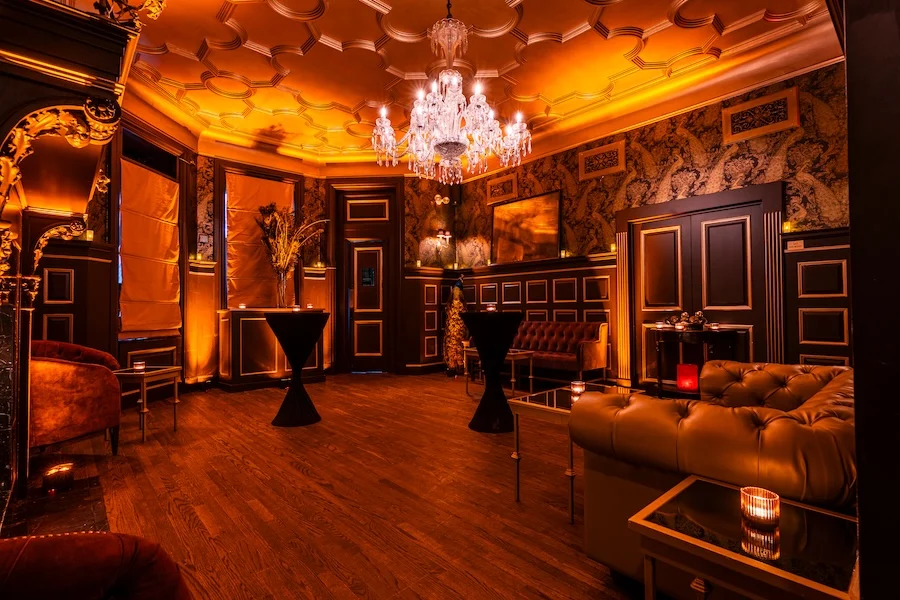
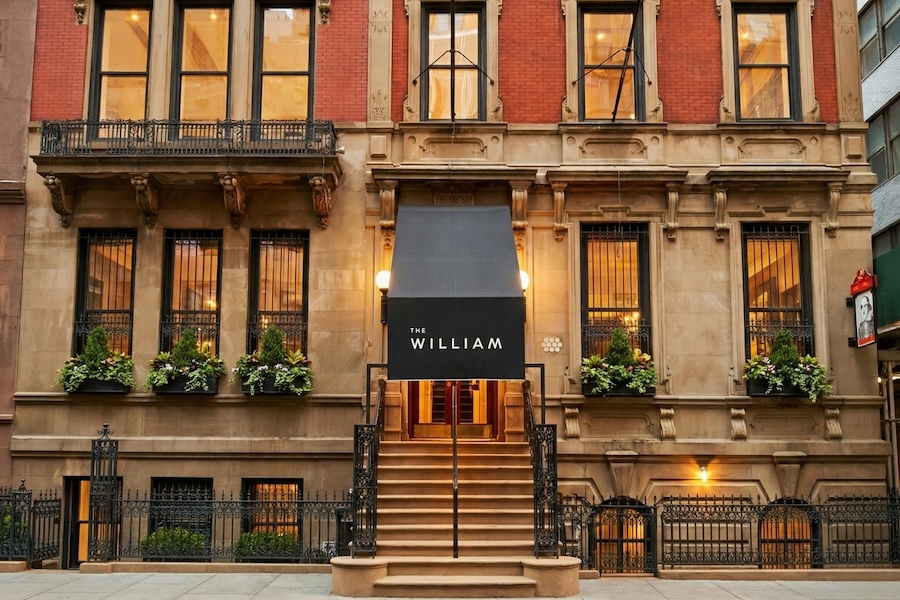
Following a period of significant expansion that saw the launch of two new properties in Miami this winter, Namron Hospitality has strategically re-engaged with the New York City market through the unveiling of The William, a boutique hotel that redefines the concept of hospitality by functioning as a dynamic, livable art gallery. This meticulously curated experience is housed within two distinguished 20th-century Beaux Arts brownstones in the heart of Midtown Manhattan, placing it within immediate proximity to iconic landmarks such as Bryant Park and Grand Central Station. The reintroduction marks a significant step for Namron Hospitality as it continues to broaden its U.S. portfolio with properties that offer unique cultural and aesthetic dimensions.
The William’s historical roots are as rich as its artistic aspirations. Originally serving as a private social club for esteemed graduates of Williams College during the Roaring Twenties, the six-story building has undergone a comprehensive renovation. This transformation has not only modernized its facilities but also infused it with the vibrant spirit and diverse cultural tapestry that defines New York City. The property’s strategic location offers guests unparalleled access to the city’s bustling energy, renowned cultural institutions, and essential transportation hubs, making it an attractive option for both leisure and business travelers seeking an elevated and immersive urban experience.
The William as a Canvas for Artistic Expression
The re-envisioning of The William is a testament to a powerful creative collaboration between In Situ Design, Lilian B. Interiors, and the visionary artist William Engel. This partnership has successfully transformed the historic architectural shell into a striking, multifaceted canvas where art, architecture, and interior design converge to create an immersive luxury experience. The hotel’s core concept as a "livable art gallery" permeates every aspect of the guest experience, from the public spaces to the private accommodations.
The 33 suites at The William are designed to be more than just rooms; they are individual living works of art. Each suite is distinguished by its unique aesthetic, characterized by bold color palettes that range from vibrant hues to sophisticated monochromatic schemes. This artistic approach extends to the furnishings and curated décor, which are thoughtfully selected to harmonize with the architectural character of the building. Guests are invited to inhabit spaces that are both aesthetically stimulating and exceptionally comfortable, offering a departure from conventional hotel design.
Accommodations at The William cater to a spectrum of guest needs, offering a range of options from efficient studio suites equipped with full kitchenettes, providing an ideal solution for extended stays or those who prefer the convenience of in-room dining, to the opulent penthouse suite. This signature suite commands breathtaking panoramic views of the Manhattan skyline from its private terrace, offering an exclusive and unforgettable urban sanctuary. The design ethos within each suite emphasizes a seamless blend of modern comfort and artistic innovation, ensuring that every guest feels enveloped in an environment of refined creativity and luxury.
Fostering Community and Connection in Social Spaces
Beyond the individual suites, The William has been meticulously designed to incorporate social spaces that encourage community, interaction, and relaxation. These areas are integral to the hotel’s philosophy of providing a holistic and engaging guest experience.
Anchoring the ground floor is the Raines Law Room, an atmospheric and intimate bar that serves as a sophisticated retreat from the city’s energetic pace. Named in reference to New York’s historical liquor licensing laws of the early 20th century, the Raines Law Room evokes a sense of nostalgic elegance. Here, guests can indulge in expertly crafted cocktails and a selection of curated small plates, all within a setting that exudes warmth and exclusivity. The design of the Raines Law Room complements the hotel’s overarching artistic theme, offering a visually engaging and comfortable environment for socializing and unwinding. This space is poised to become a favored destination for both hotel guests and discerning New Yorkers seeking a refined evening experience.
The strategic reintroduction of The William by Namron Hospitality is more than just a property update; it represents a deliberate expansion of the company’s commitment to offering distinctive hospitality experiences. Following the successful launch of two Miami properties, which likely focused on unique design and local flair, the New York venture signals a strategic move to capture a key market with a property that emphasizes art and history. The choice of Beaux Arts brownstones provides a unique architectural foundation, allowing for a narrative that intertwines the building’s past with its contemporary artistic vision.
Historical Context and Evolution of The William
The historical significance of the building as a former private social club for Williams College graduates provides a rich narrative that Namron Hospitality has skillfully woven into the hotel’s identity. This legacy of exclusivity and camaraderie, combined with the architectural grandeur of the Beaux Arts style, offers a unique selling proposition. The 1920s, a period of immense cultural and economic change in New York City, saw the rise of such exclusive clubs, serving as hubs for influential figures. By reinterpreting this space for modern travelers, The William bridges historical continuity with contemporary luxury.
The renovation timeline, while not explicitly detailed, would have involved meticulous preservation efforts to maintain the integrity of the original Beaux Arts architecture while integrating modern amenities and design principles. This process likely involved extensive architectural surveys, structural reinforcements, and the careful selection of materials and finishes that honor the building’s heritage. The involvement of In Situ Design and Lilian B. Interiors suggests a deep understanding of adaptive reuse projects, where historical context is respected while functionality and aesthetic appeal are enhanced for a modern audience. Artist William Engel’s contribution further solidifies the hotel’s identity as a curated art destination, moving beyond mere decoration to an integral part of the guest experience.
Supporting Data and Market Implications
The boutique hotel sector in New York City is highly competitive, yet properties that offer unique concepts and compelling narratives often find significant success. The William’s positioning as a "livable art gallery" taps into a growing trend of experiential travel, where guests seek more than just accommodation but immersive cultural experiences. Data from recent hospitality industry reports indicates a rising demand for unique, design-forward hotels that offer a strong sense of place and character. Travelers, particularly millennials and Gen Z, are increasingly prioritizing authenticity and personalized experiences over traditional luxury.
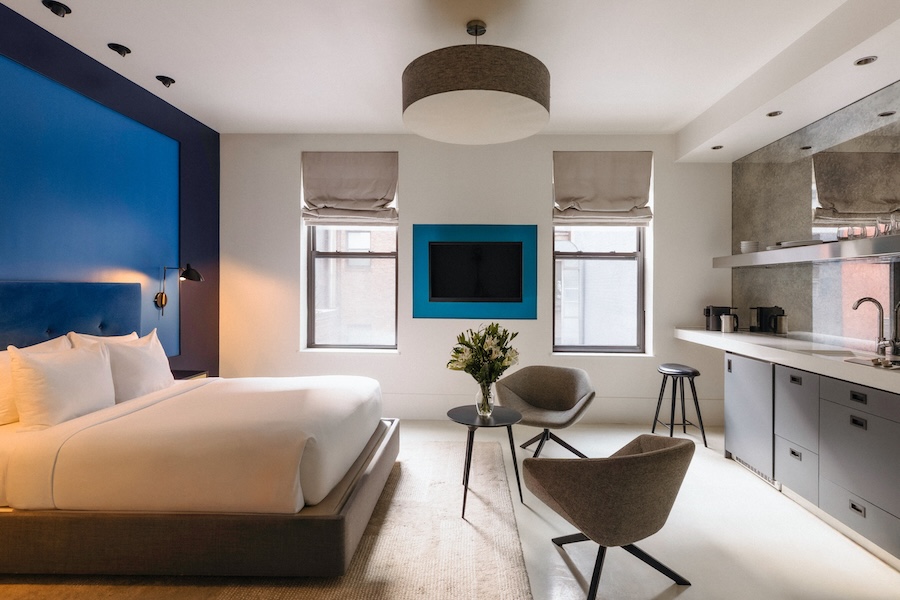
The William’s strategic location in Midtown Manhattan provides access to a vast market. Proximity to major business districts, tourist attractions like Times Square and the Empire State Building, and cultural institutions such as the Museum of Modern Art and the Metropolitan Opera, positions the hotel to attract a diverse clientele. The inclusion of fully equipped kitchenettes in many of its suites also caters to the growing segment of travelers seeking longer stays, remote work accommodations, or simply the convenience of preparing their own meals, a trend that has been amplified by recent global events.
The pricing strategy for The William, while not provided, would likely reflect its boutique nature, prime location, and the high level of design and artistic curation. Comparable boutique hotels in the area often command premium rates, especially those offering unique amenities and experiences. The success of The William will likely be measured not only by occupancy rates but also by guest satisfaction scores, social media engagement, and its ability to establish itself as a cultural destination within the city.
Broader Impact and Future Outlook
The reintroduction of The William by Namron Hospitality signifies a potential trend towards revitalizing historic urban properties with contemporary artistic and experiential concepts. This approach not only preserves architectural heritage but also injects new life and economic activity into established neighborhoods. For New York City, such developments contribute to its reputation as a global hub for art, culture, and innovative hospitality.
The success of The William could inspire other developers and hospitality groups to explore similar adaptive reuse projects, focusing on the unique historical narratives and architectural character of existing buildings. This can lead to a more sustainable and character-rich urban development landscape. Furthermore, by integrating art so prominently, The William elevates the discourse around the role of art in everyday life and hospitality, potentially fostering greater appreciation for artists and designers.
Namron Hospitality’s continued investment in the U.S. market, with a clear focus on differentiated properties like The William, suggests a strategic vision for growth that prioritizes quality and unique guest experiences. The company’s expansion into Miami and now a significant re-entry into New York City indicates a robust business model that can adapt to different market dynamics while maintaining a consistent brand ethos centered on curated, high-design hospitality. The long-term implications for The William will involve its ability to consistently deliver on its promise of a livable art gallery experience, foster a strong sense of community within its walls, and become a notable fixture in the competitive New York City hospitality scene.


 Chandra Hamzah
 Tatiana Tantri Indah Sari
 Budi Mulyono
 Anjar Salim

