
 Budi Mulyono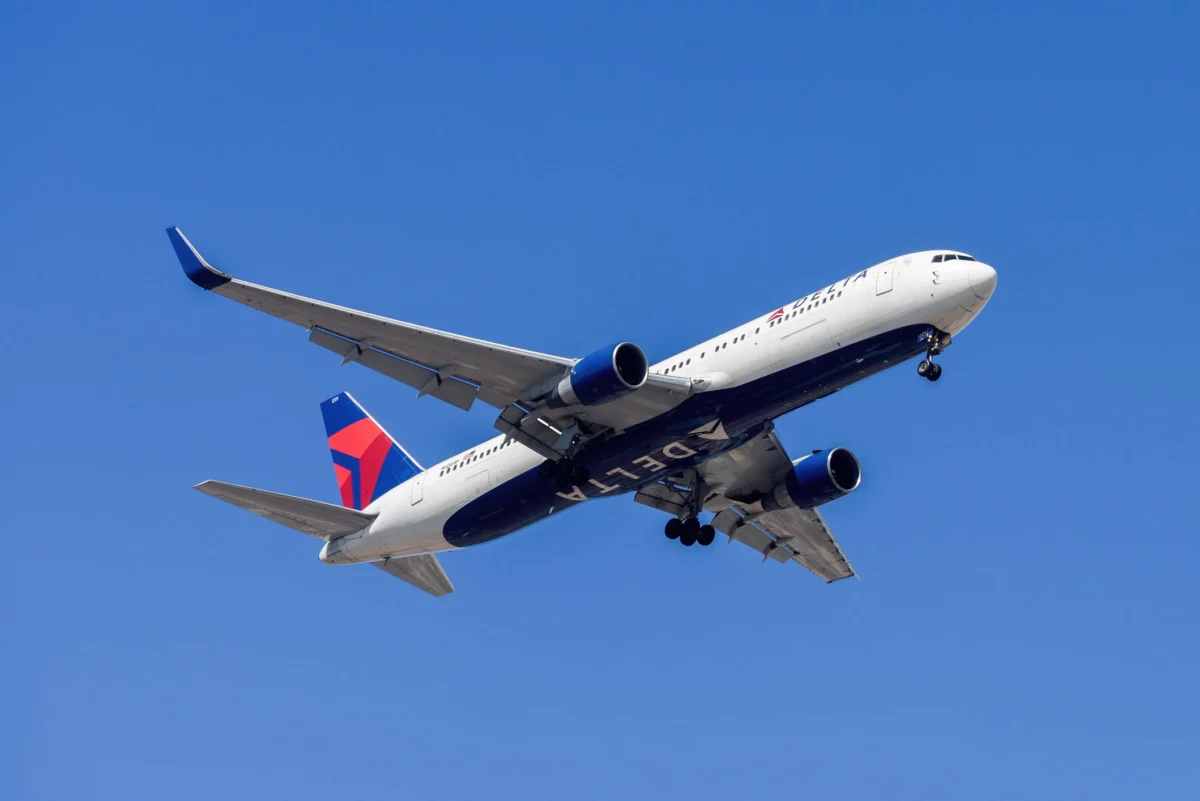
The mid-April 2026 financial and aviation landscape has been marked by a series of strategic product launches and operational adjustments aimed at capturing a shifting demographic of premium travelers and small business owners. Capital One Financial Corp. has expanded its commercial portfolio with the introduction of the Venture Business card, a move that signals intensified competition in the business credit sector. Simultaneously, Delta Air Lines has initiated a multi-layered upgrade to its "hard product" offerings, focusing on cabin ergonomics and in-flight entertainment to bolster its position as a leading premium carrier. These developments occur against a backdrop of heightened regulatory scrutiny following safety incidents at Los Angeles International Airport (LAX) and ongoing speculation regarding the long-term fiscal stability of low-cost carriers like JetBlue Airways.
Strategic Expansion in the Small Business Credit Market
Capital One’s launch of the Venture Business card represents a calculated effort to bridge the gap between entry-level business credit and high-fee corporate cards. Positioned as a "come out ahead" financial tool, the card is designed to provide immediate value through a robust welcome offer and a simplified rewards structure. Market analysts suggest that this launch is a direct response to the increasing demand for flexible reward currencies that can be transferred to airline and hotel partners, a space traditionally dominated by American Express and JPMorgan Chase.
The Venture Business card distinguishes itself by offering a high baseline earn rate on all business expenses, moving away from the tiered category spending that often complicates bookkeeping for small-to-medium enterprises (SMEs). Preliminary data indicates that the card’s introductory bonus is structured to offset the annual fee for several years, a tactic used by Capital One to gain market share rapidly. This aggressive positioning comes at a time when business travel spending is projected to reach pre-pandemic levels, albeit with a greater focus on value and flexible redemption options.
Delta Air Lines Prioritizes Passenger Experience via Hard Product Enhancements
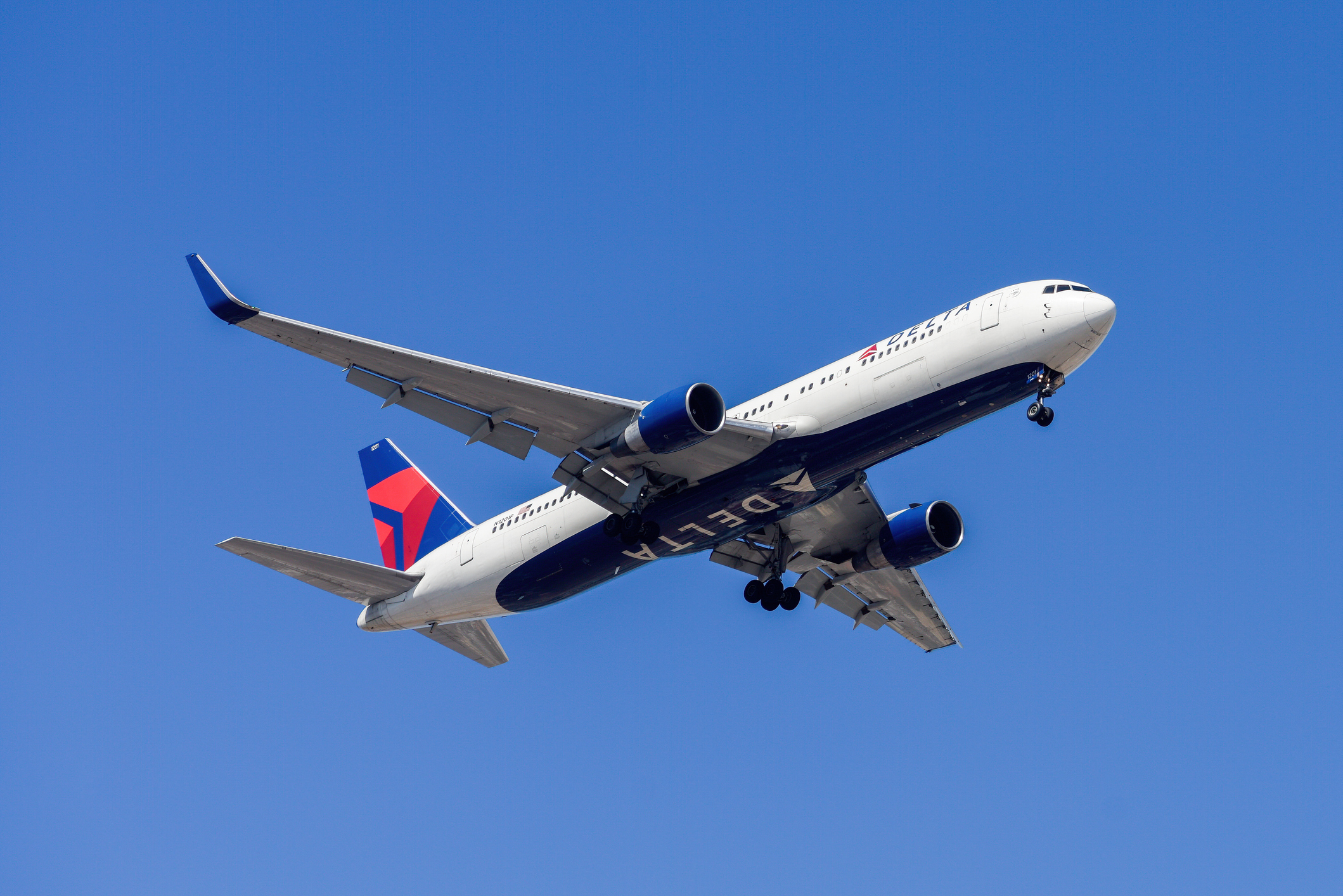
In a bid to maintain its premium brand image, Delta Air Lines has announced a series of incremental but significant upgrades to its aircraft cabins. These enhancements focus on three primary areas: increased legroom in specific cabin tiers, the modernization of seatback entertainment systems, and a refresh of the Delta One business class suites. While major fleet overhauls often take years to implement, these "hard product" changes are being rolled out across transcontinental and international routes to improve passenger comfort during long-haul flights.
The decision to upgrade seatback screens reflects a divergence in industry philosophy. While some carriers have moved toward "bring your own device" (BYOD) models to reduce aircraft weight and maintenance costs, Delta’s investment in hardware suggests a commitment to a unified, premium ecosystem. The new screens feature higher resolution and improved touch sensitivity, integrated with the Delta Sync platform to provide personalized content. Furthermore, the expansion of legroom in the Comfort+ and Main Cabin sections addresses one of the primary pain points for frequent flyers, potentially allowing Delta to command a price premium over competitors with more dense seating configurations.
Comprehensive Analysis of Premium Financial Tools: The American Express Gold Card
The mid-April period also saw a renewed focus on established financial products, specifically the American Express Gold Card. As one of the most popular mid-tier "lifestyle" cards, its utility in 2026 remains a subject of intense scrutiny for consumers navigating inflationary pressures in the food and beverage sectors. The card’s 4x earning rate on global dining and U.S. supermarkets continues to be its primary draw, though the complexity of its monthly credits requires a disciplined approach to maximize value.
A deep dive into the card’s benefits reveals that for the average consumer, the "effective" annual fee can be significantly reduced through the utilization of Uber Cash and dining credits. However, industry experts note that the "break-even" point for the card has shifted as the cost of living increases. For cardholders to truly maximize the points system, they must now leverage transfer partners rather than direct redemptions, a trend that aligns with the broader move toward "travel hacking" among younger demographics.
Safety Concerns and Operational Volatility in US Aviation
The aviation sector continues to face challenges regarding safety and route consistency. Los Angeles International Airport (LAX) recently reported another near-collision incident, an event categorized by safety experts as a "runway incursion." This follows a series of similar events across major U.S. hubs, prompting the Federal Aviation Administration (FAA) to increase oversight and invest in more advanced ground surveillance technology. Unlike a "near-miss," which is a colloquial term, a "near-collision" indicates a breach of standard separation minimums that posed a tangible risk to the aircraft involved.
Simultaneously, Delta Air Lines has confirmed the suspension of several summer routes. While the carrier has not explicitly linked these cancellations to a single cause, analysts point to a combination of pilot shortages, air traffic control constraints, and a strategic reallocation of assets to more profitable international corridors. These suspensions highlight the ongoing volatility in flight scheduling as airlines balance record demand with limited operational capacity.
Fiscal Uncertainty Surrounding JetBlue Airways
The financial health of JetBlue Airways has once again become a topic of industry-wide speculation. Following the collapse of its proposed merger with Spirit Airlines earlier this year, JetBlue has faced significant headwinds, including rising labor costs and engine durability issues that have grounded portions of its Airbus A321neo fleet. Bankruptcy rumors, while currently speculative, have been fueled by the carrier’s debt-to-equity ratio and its struggle to find a clear path to profitability in a market dominated by the "Big Four" carriers.
JetBlue has responded to these pressures by focusing on its "JetForward" strategy, which involves cutting unprofitable routes and doubling down on its strengths in the Northeast United States. However, the market remains skeptical. Should JetBlue fail to stabilize its finances, the resulting consolidation could lead to higher fares for consumers, particularly in the premium leisure segment where JetBlue’s "Mint" product has long been a disruptor.
Chronology of Recent Events (April 2026)
- April 13: Release of updated consumer guides for the American Express Gold Card, detailing new strategies for point maximization in a high-inflation environment.
- April 15: Delta Air Lines officially announces upgrades to seatback screens and Delta One cabin refinements, beginning with its A321neo and A350 fleets.
- April 17: Capital One formally launches the Venture Business card, initiating a new competitive phase in the SME credit market.
- April 18: FAA begins a preliminary investigation into the latest LAX runway incursion; Delta confirms summer route adjustments; JetBlue stock sees increased volatility amid fiscal rumors.
Broader Impact and Industry Implications
The convergence of these events suggests an industry in a state of high-stakes transition. For financial institutions, the launch of cards like the Capital One Venture Business indicates that the battle for customer loyalty has moved beyond simple cashback rewards to more complex, value-added ecosystems. As consumers become more sophisticated in their use of points and miles, banks are forced to offer higher "welcome bonuses" to maintain growth, a trend that may not be sustainable in the long term if default rates rise.
In the aviation sector, the focus on "hard product" upgrades like those seen at Delta suggests that airlines are preparing for a future where "premium leisure" travel is a permanent fixture of the market. Passengers are showing a willingness to pay more for comfort and connectivity, and airlines that fail to invest in their cabins risk losing their most profitable customers.
However, the safety incidents at LAX and the financial instability of smaller carriers serve as a reminder that the industry remains fragile. The FAA’s response to runway incursions will be a critical factor in maintaining public confidence in air travel. If safety concerns persist, they could lead to more stringent regulations that further limit airport capacity and increase operational costs. Similarly, the potential exit or restructuring of a major player like JetBlue would fundamentally alter the competitive landscape, likely leading to reduced options for travelers on the U.S. East Coast.
As the second quarter of 2026 progresses, the ability of these companies to balance innovation with operational stability will determine their success in an increasingly crowded and scrutinized marketplace. For the consumer, the current environment offers a wealth of opportunities for high-value rewards and improved travel experiences, tempered by the need for vigilance regarding safety and the potential for sudden service disruptions.



 Chandra Hamzah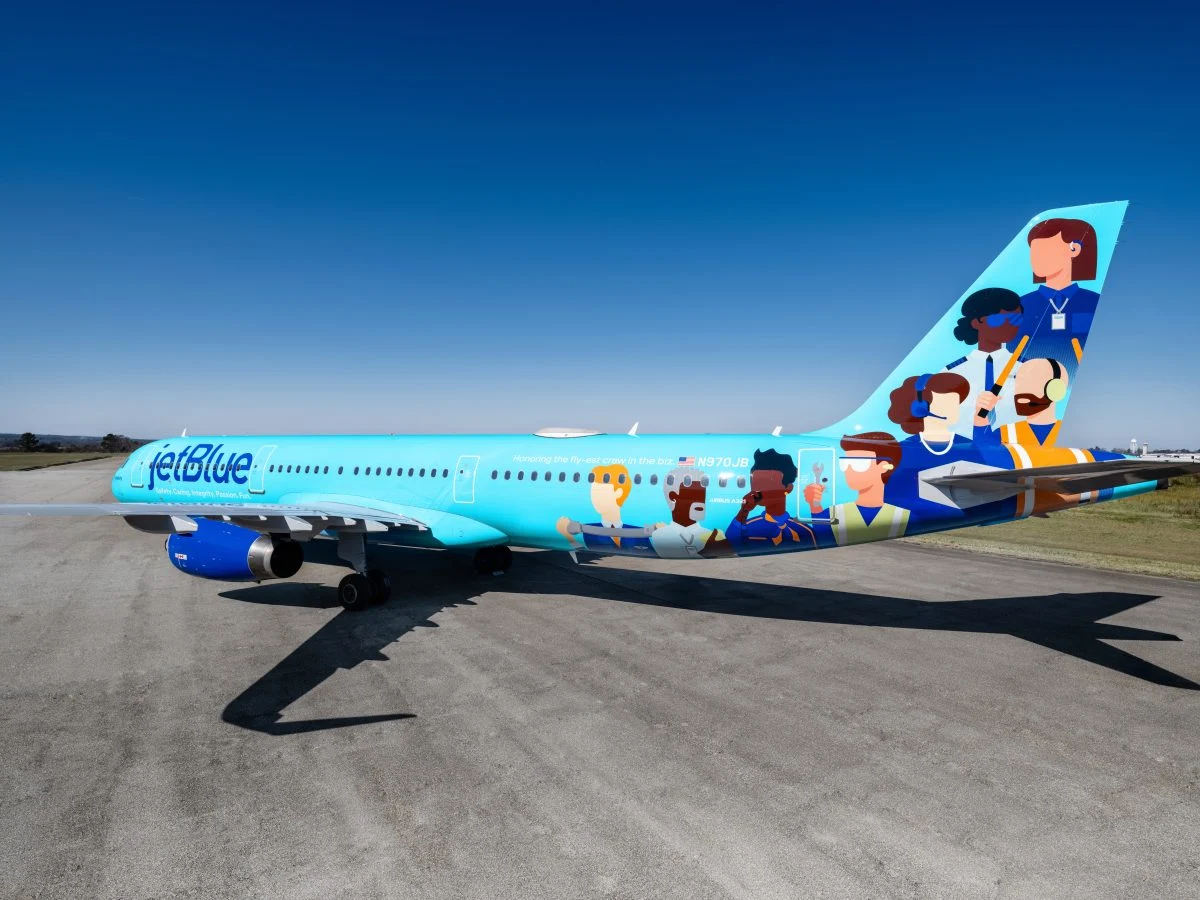
 Gabriela Annisa
 Tatiana Tantri Indah Sari
 Anjar Salim