
 Chandra Hamzah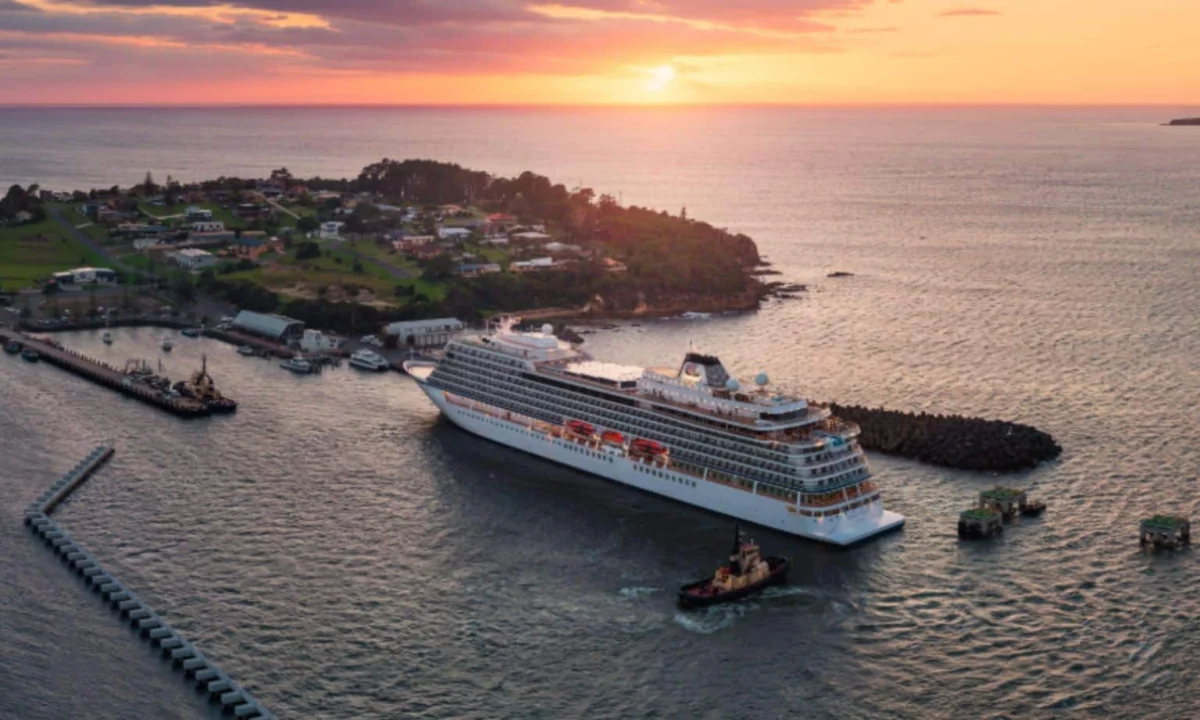
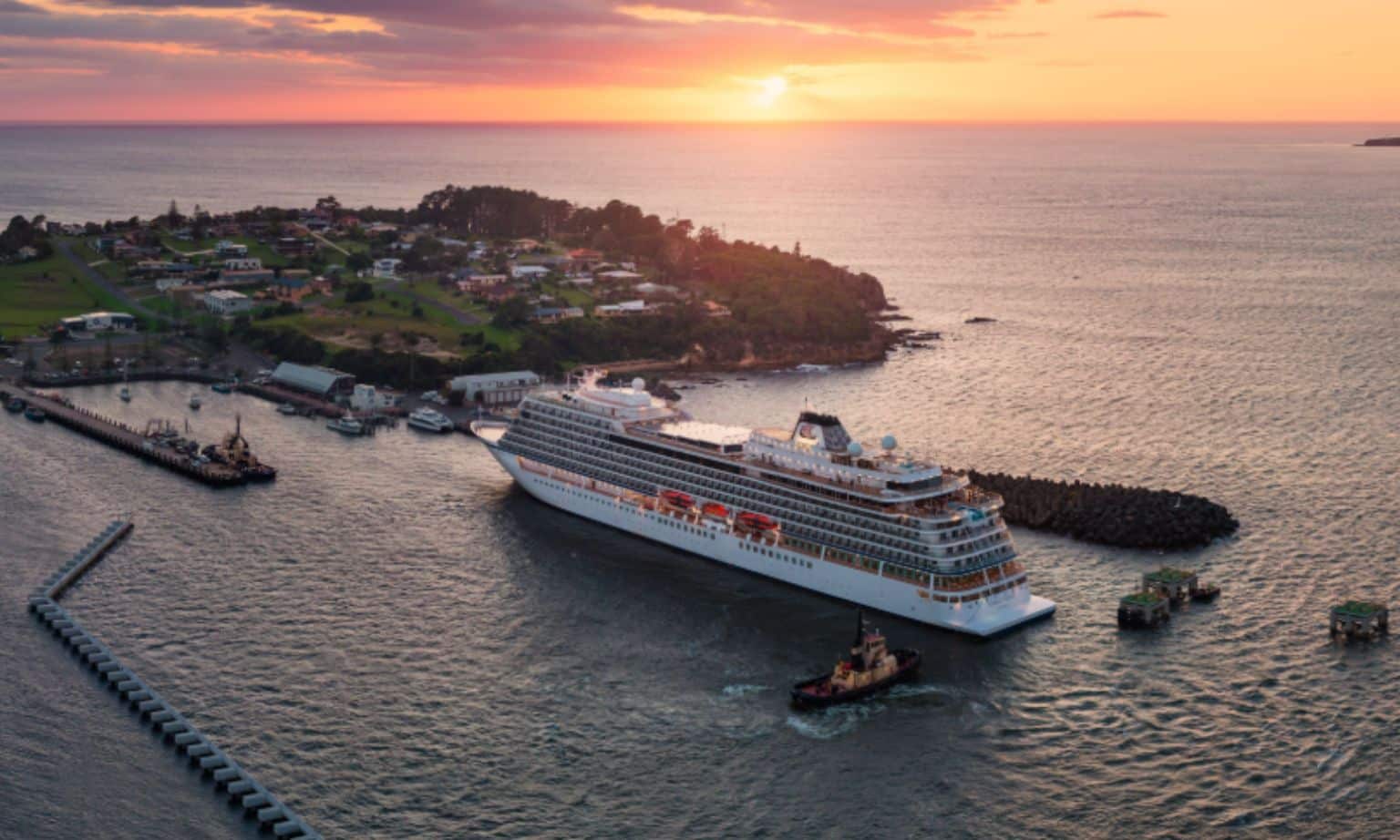
The tiny town of Eden on New South Wales’ South Coast, with a population of just 3,500, a figure a thousand less than the passenger capacity of a single large cruise ship like Royal Caribbean’s Ovation of the Seas, is proving that size is no barrier to making a significant impact in the global cruising world. This picturesque port has firmly established itself as a premier destination, punching well above its weight and consistently drawing the attention of cruise executives and government representatives. Its success serves as a compelling case study for how the cruise industry can genuinely benefit local communities and inject vital tourist dollars into Australia’s smaller coastal towns.
A Jewel in Australia’s Cruise Crown
The town’s strong performance in attracting cruise passengers has not gone unnoticed. When Australian cruise industry leaders and government officials convene at major international events such as the Seatrade Conference in Miami – the global nexus for cruise line networking and decision-making – Eden is prominently featured in Australia’s promotional materials. This strategic positioning underscores the exceptionally warm welcome its residents extend to cruise visitors, a factor that significantly influences itinerary planning for major cruise lines. The genuine engagement from the local community is a key differentiator, making Eden a standout port of call.
Navigating Shifting Cruise Itineraries
Recent shifts in cruise line strategies have presented both challenges and opportunities for ports like Eden. Royal Caribbean’s announcement to direct a substantial portion of its 2027/28 Australian cruise traffic towards the private beach resort of Lelepa in the South Pacific, potentially sidelining some Australian destinations, initially raised concerns about the economic impact on smaller towns. However, Debbie Meers, Director of Cruise Eden, remains optimistic, emphasizing that the town is well-prepared for continued cruise ship visits over the upcoming seasons.
"Is it a big loss? Look, I wouldn’t put it that way," Meers stated in an exclusive interview with Cruise Passenger.com.au. "I think it’s sad that any ship decides to not visit Eden because Eden’s the best place in the world. So, yeah, I think it’s sad when we lose any ship out of an itinerary, whether it be for itinerary changes or weather cancellations or anything else that happens in the world that creates, like, such, you know, major events that creates a change. So, yeah, of course we’re sad."
Meers’ sentiment reflects a broader understanding within the industry that itinerary adjustments are a natural part of cruise operations. However, she also highlighted the significant appeal of Eden for both passengers and cruise lines, suggesting that its inherent attractions will continue to draw ships.
The Allure of "Cruises to Nowhere" and the Passenger Demand for Ports
A significant segment of the short-duration cruise market from Australia involves three-day voyages departing from Sydney, often marketed as "cruises to nowhere." Both Royal Caribbean and Carnival Cruises operate these types of itineraries, which typically do not visit any ports. The primary motivation behind these "sailings to nowhere" is often to avoid port fees and other associated docking costs, thereby enhancing profitability for the cruise lines.
However, Meers believes there is a growing passenger appetite for destinations. "We love those cruises because everyone’s really happy and they’ve had a day at sea and then they come off and eat and go, wow, I think we could drive here, which is one of the reasons we love cruises that repeat visits because people want to spend longer at our port," she explained. "We do understand there are three-day cruises to nowhere. We understand the economic benefit for the cruise lines doing that. But I think guests are really asking, let’s go to a port. And they do listen to it. And they have been coming to Eden over this season. And that’s been a real positive for us."
The positive feedback from passengers who have visited Eden is a crucial data point. Meers noted, "I think we’re doing a great job in the survey response from guests that have been in our port. I hope the cruise lines listen to that because they love our port." This direct passenger sentiment is a powerful argument for cruise lines to reconsider itineraries that solely focus on sea days, suggesting a market exists for more port-intensive short cruises.
Government Support and International Recognition
While criticism is sometimes directed at governments for not adequately supporting the Australian cruise sector, Eden’s experience suggests a strong collaborative effort. Meers indicated that Eden receives substantial backing from government bodies. "Destination New South Wales, Port Authority of New South Wales, Destination Southern New South Wales. And certainly the member organisation, Australian Cruise Association, is representing us so well," she confirmed.
The town’s prominence is further cemented by its inclusion in Australia’s promotional materials for the Seatrade Conference in Miami. "We’ve just seen the latest brochure and newsletter that’s going to be launched at Sea Trade in Miami tomorrow. And we’re in the front pages," Meers shared, expressing her excitement. "We’re ecstatic that we’re being held up so highly with great stories about our port. So I think the government is right behind us, not just with financial infrastructure investment and supporting of Cruise Eden, but also with their marketing of our port."
This coordinated approach highlights the strategic importance placed on developing Australia’s cruise tourism potential. The inclusion of Eden in international marketing efforts signals a commitment to showcasing diverse Australian experiences to global cruise operators.
Eden: A Model of Community Engagement and Economic Revitalization
The impact of cruise tourism on Eden extends beyond mere port calls; it has become a catalyst for community development and enhancement of local attractions. Meers elaborated on the tangible benefits: "Cruise has enabled our community to develop and more engaging attractions and touring opportunities for shore excursions, and I think that’s been a benefit of cruise. You know, our major attraction, the Eden Killer Whale Museum, has been able to update and enhance their exhibitions for cruise guests, and I think that’s the real plus with cruises."
This symbiotic relationship, where cruise passenger revenue directly fuels improvements in local attractions, creates a virtuous cycle. "It’s really feeding a community to feed back to cruise. It’s a great cycle of economic investment, and I love it," Meers concluded.
The economic ripple effect of cruise passengers in Eden is significant. While specific figures for Eden’s cruise-related economic impact are not detailed in the provided text, national data offers context. According to Cruise Lines International Association (CLIA) data, the Australian cruise industry directly contributes billions of dollars to the national economy annually, supporting thousands of jobs. Smaller ports like Eden, by attracting a consistent stream of passengers, contribute to this broader economic picture, often serving as vital hubs for regional tourism. The average cruise passenger spends an estimated $100-$200 per port day on shore excursions, shopping, and dining, a substantial injection for a town of Eden’s size.
Future Outlook and the Importance of Port-Centric Cruising
The future of cruise tourism in Eden appears robust, contingent on continued engagement with cruise lines and the broader industry. Meers stressed that the ultimate decision-making power rests with the cruise operators. "It’s really up to the cruise lines. And hopefully, you know, in the meetings they have over in Sea Trade, they’ll be reminded that, cruise passengers love ports. They love the vessels, of course, but there’s plenty of time for both. And the combination of both the vessel and the ports is what makes it a great cruise experience."
This sentiment underscores a critical point: while the allure of the ship is undeniable, the destination experience remains paramount for many travelers. For small towns like Eden, a balanced approach that prioritizes port calls offers a sustainable model for cruise tourism, fostering genuine connections between visitors and local communities, and ensuring that the economic benefits are widely distributed. The success of Eden serves as a powerful testament to the value of investing in and promoting regional ports, demonstrating that even the smallest of towns can become significant players on the global cruise stage.
For further information on Port Eden’s role in the cruise industry, interested parties can visit the Port Authority of New South Wales website.




 Anjar Salim
 Tatiana Tantri Indah Sari
 Budi Mulyono
