Tatiana Tantri Indah Sari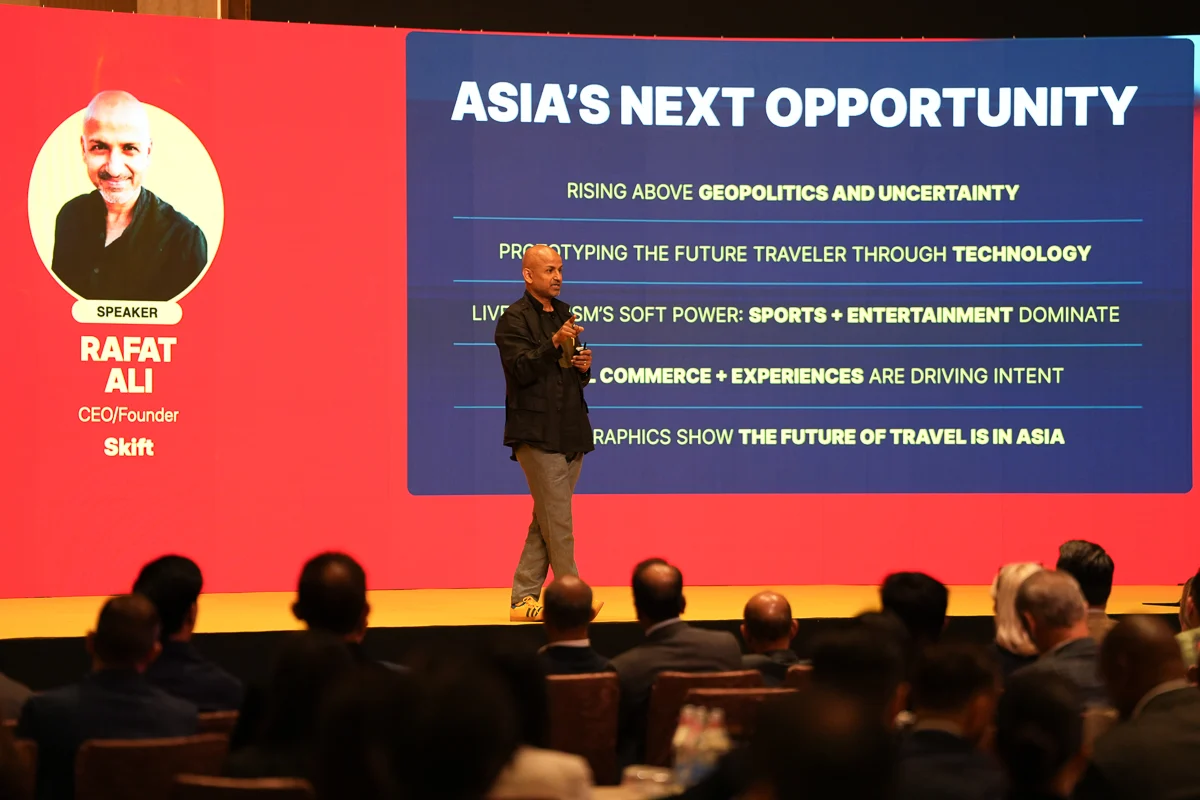
The shifting dynamics within the global travel landscape are not speculative; they are evidenced by tangible investment patterns, burgeoning consumer markets, and strategic corporate realignments. For decades, Western markets, particularly Europe and North America, dictated the trends, innovations, and financial flows within the tourism sector. However, a confluence of factors – including rapid economic growth in Asia, strategic diversification efforts by Gulf nations, and India’s demographic dividend – has fundamentally altered this paradigm. The Skift Asia Forum, scheduled to take place next week in Bangkok, Thailand, serves as a timely and critical platform for industry leaders to address these emerging realities, forge partnerships, and chart a course for sustained growth in what is increasingly becoming the world’s most dynamic travel region.
The New Global Travel Axis: Gulf, India, and Southeast Asia
The overarching narrative emanating from the forum’s participant list is the emergence of a powerful new travel axis. This corridor is characterized by deep interdependencies and synergistic relationships, driving unprecedented growth and innovation. The Gulf Cooperation Council (GCC) nations, flush with sovereign wealth and committed to economic diversification away from hydrocarbon dependence, are actively investing in global tourism infrastructure and hospitality assets. Simultaneously, India, with its burgeoning middle class and increasing disposable incomes, represents a colossal and largely untapped outbound travel market. Completing this trifecta is Southeast Asia, a region renowned for its diverse tourism offerings, robust infrastructure development, and a rapidly expanding digital economy that facilitates seamless travel experiences. The forum is strategically located in Bangkok, a quintessential hub within Southeast Asia, underscoring its central role in this evolving ecosystem.
Skift Asia Forum: A Confluence of Power and Foresight
The Skift Asia Forum has long been recognized as a significant annual event, bringing together influential figures to discuss critical trends. This year, however, the attendee profile transcends typical industry gatherings. It is a curated assembly of decision-makers whose presence collectively signals where the power and potential truly lie. The approximately 400 senior travel executives, representing diverse segments from hospitality and aviation to technology and finance, are not merely observers but active shapers of the industry. Their collective intelligence, discussions, and potential agreements within the forum are expected to provide invaluable insights into the strategies that will define success in the Asian travel market for years to come. The forum’s ability to attract such a high-caliber and geographically representative group underscores Skift’s role as a leading authority in travel intelligence and its capacity to convene the very individuals who are at the vanguard of this transformation.
Flow One: Gulf Capital’s Eastward Expansion
One of the most compelling forces driving this shift is the decisive flow of Gulf capital eastward. Historically, Gulf institutional money, particularly from Saudi Arabia, the UAE, and Qatar, focused heavily on developing inbound tourism within their own borders or investing in established Western markets. However, a significant strategic pivot is now underway. Saudi sovereign-backed entities, including Public Investment Fund (PIF)-connected hospitality groups such as NEOM, Red Sea Global, and Diriyah Company, along with the national tourism apparatus and state carrier Saudi Arabian Airlines, are actively seeking investment opportunities and partnerships across Asia. They are present at the forum alongside Emirati capital, represented by major holding companies and hospitality groups, and Qatari airline leadership, notably Qatar Airways.
This shift reflects a recognition that Asian markets offer higher growth potential, diverse investment avenues, and a strategic fit for Gulf outbound demand and brand portfolio expansion. For instance, Saudi Arabia’s ambitious Vision 2030, which includes massive tourism development projects, also necessitates a broader global footprint and strategic alliances. Similarly, the UAE’s long-standing position as a global aviation and trade hub naturally extends its investment horizons into high-growth Asian markets. These Gulf entities are not just seeking to fund inbound tourism to their own shores; they are actively participating in the allocation of Asian supply, recognizing that this is where Gulf outbound demand, Gulf-backed investment, and Gulf-managed brand portfolios are increasingly headed. This deep integration of capital is further underscored by the presence of key insurance and risk layers, such as Vinay Surana, Allianz Partners’ managing director for Asia Pacific, Middle East and Africa, on the Bangkok stage, reflecting the follow-the-capital principle that governs global finance.
Flow Two: India as the Accelerant of Growth
The second, and arguably most dynamic, force is India. The sheer scale of Indian representation at the Skift Asia Forum is striking, with approximately 45 Indian executives registered, making it the second-largest country contingent after ASEAN itself. This extensive representation spans the full spectrum of the travel industry, from major airlines and online travel agencies (OTAs) to emerging hospitality tech startups and traditional tour operators.
India’s burgeoning economy, coupled with a massive and increasingly affluent middle class, has positioned it as a powerhouse for outbound tourism. According to industry reports, India’s outbound tourism market is projected to reach over $45 billion by 2025, with a significant portion targeting Southeast Asian destinations. This growth is fueled by factors such as rising disposable incomes, greater connectivity, and a youthful demographic eager for international travel experiences.
The Indian presence at the forum highlights a dual dynamic: Indian outbound platforms are actively scouting for Southeast Asian supply, while Asian suppliers are building robust distribution networks into the Indian booking market. Entrepreneurs like Amit Saberwal, founder and CEO of RedDoorz, and Ritwik Khare, founder and CEO of ELIVAAS, are speaking at the event, emblematic of a new generation of Indian hospitality leaders building at scale into Southeast Asia, rather than merely operating within India or looking solely to Western markets. Their strategies reflect a sophisticated understanding of regional market nuances and a commitment to leveraging India’s entrepreneurial spirit for cross-border expansion. For both sides of this trade, being absent from this conversation is no longer an option, underscoring the forum’s critical role in facilitating these vital connections.
Flow Three: The Quiet Consolidation of Intra-Asian Platforms
The third, and perhaps least remarked-upon yet most structurally significant, dynamic is the quiet consolidation occurring within intra-Asian digital platforms. The forum will host senior commercial leadership from every major regional OTA, super-app, and distribution platform. This includes giants like Trip.com Group (with its various brands like Trip.com, Ctrip, Skyscanner, Qunar), Booking Holdings (Agoda, Booking.com), Expedia Group, Traveloka, Klook, Grab (with its extensive travel services), Gojek, MakeMyTrip, and Cleartrip.
These executives are not merely exchanging notes on incremental growth; they are actively mapping out the competitive landscape and anticipating future mergers, acquisitions, and strategic alliances. The Asian digital travel market, while massive, remains highly competitive and somewhat fragmented compared to more consolidated Western markets. The race to achieve scale, expand market share, and offer comprehensive super-app functionalities is driving a wave of consolidation. Companies are seeking to leverage technology, data analytics, and extensive user bases to create dominant platforms that can cater to the diverse needs of Asian travelers. The discussions at the forum among these digital titans will likely offer crucial insights into which independent brands will thrive, which will merge, and in what combinations, shaping the digital infrastructure of Asian travel for the next five to ten years.
The Hospitality Supply Side: Full Representation for Strategic Growth
Beneath these overarching flows, the hospitality supply side is almost fully represented, a testament to the region’s importance for hotel development and investment. Major global hotel groups with significant Asian exposure, such as Marriott International, Accor, Hilton, IHG Hotels & Resorts, and Hyatt, are in attendance. These companies are aggressively expanding their portfolios across Asia, driven by rising demand from both international and domestic travelers.
Beyond the global giants, independent regional groups across Southeast Asia, including players like Centara Hotels & Resorts, Dusit International, and Minor Hotels, are also present, showcasing their localized expertise and growth strategies. Crucially, the owner side – comprising REITs, private equity firms, and family offices – is also in the room, eager to match capital with viable development opportunities. This direct interaction between hotel operators, regional brands, and financial backers creates a fertile ground for deal-making and strategic partnerships that will dictate the pace and direction of hospitality development across the region. The forum thus provides an unparalleled opportunity for networking, due diligence, and ultimately, the signing of agreements that will shape the physical landscape of Asian travel.
The Institutional Layer: A Quiet, Powerful Signal
Beyond the operational and investment players, the presence of the institutional layer sends a quiet yet arguably most important signal about the strategic significance of the Skift Asia Forum. The managing director of the World Travel and Tourism Council (WTTC), a global body representing the private sector of the travel and tourism industry, is a key attendee. The WTTC’s involvement underscores the macroeconomic importance of the trends being discussed and its role in advocating for policies that support sustainable growth.
Senior partners from global consulting powerhouses like McKinsey’s travel practice and EY Japan, alongside strategic advisory from CBRE, are also present. These firms are critical in providing market intelligence, strategic guidance, and facilitating complex transactions for major industry players and governments alike. Their presence indicates a deep analytical engagement with the emerging market dynamics. Furthermore, national tourism organizations from Saudi Arabia, Korea, and the UAE are participating, highlighting the governmental recognition of the need for international collaboration and strategic tourism development. This institutional layer ensures that discussions are grounded in broader economic realities, policy implications, and long-term strategic vision, bringing together the people who allocate, advise, and track capital alongside those who deploy it.
A Room That Can Sign Deals: The Power of Density and Decision-Making
The density and seniority of the attendees at Skift Asia Forum 2026 are exceptionally notable. The room is not merely filled with representatives; it is populated by individuals with the authority to make significant decisions. This includes CEOs and Founders of major travel tech companies, Presidents and Chief Commercial Officers of airlines, Managing Directors and Head of Development for hotel groups, and senior partners from investment firms and consulting agencies.
This density is crucial because it transforms the forum from a mere information exchange into a genuine marketplace for ideas, capital, and partnerships. While assembling a director-heavy audience is achievable in most major travel hubs today, what makes this audience specifically interesting is its unique composition. It represents the handful of individuals who will collectively determine how Gulf capital, Indian demand, Southeast Asian supply, and East Asian platform consolidation resolve themselves over the next business cycle. The ability to engage directly with peers, potential partners, and investors in a single venue accelerates negotiations, fosters trust, and streamlines the decision-making process. This resolution of complex market dynamics will undoubtedly happen regardless of any specific event, but it will happen faster, more efficiently, and with more informed counterparties because platforms like the Skift Asia Forum exist to facilitate these critical interactions.
A Deliberate Precursor: Fostering Inclusive Leadership
Adding another layer of significance to the week’s events, the day before the main forum, on April 28, the inaugural Women Leading Travel Asia Global Leadership Exchange will convene at the same venue. This invitation-only gathering for senior women leading at scale across travel and hospitality is a deliberate and crucial initiative. It addresses a recognized gap in leadership representation within the industry, particularly from rapidly growing markets.
The timing and location of this Exchange are highly intentional. Both the Gulf and Indian markets, despite their immense growth and strategic importance, are often under-represented in forums dedicated to women in leadership within the global travel industry. By bringing together senior women leaders from these pivotal regions and beyond, the Exchange aims to foster mentorship, collaboration, and advocacy for greater diversity and inclusion. It acknowledges that a truly robust and forward-looking industry must embrace and empower a diverse range of voices and perspectives, ensuring that the transformative shifts occurring in Asian travel are inclusive and equitable.
Where the Future Gets Decided: Asia’s Ascendant Role
In conclusion, if one seeks to understand where the Asian travel business will truly be conducted and shaped in 2026 and beyond, the Skift Asia Forum offers a definitive answer. The confluence of Gulf capital, Indian demand, Southeast Asian supply, and the strategic consolidation of East Asian platforms creates an unparalleled nexus of opportunity and transformation. The individuals gathered in Bangkok are not just attending a conference; they are actively negotiating the terms of the next decade of travel in Asia. Their discussions, partnerships, and strategic decisions will ripple across the global industry, cementing Asia’s ascendant role as the primary engine of growth, innovation, and investment in the world of travel. The forum, therefore, is not merely reporting on a trend; it is an active participant in the ongoing, quiet, but powerful reorganization of global travel’s center of gravity.



 Chandra Hamzah
 Gabriela Annisa
 Budi Mulyono
 Anjar Salim