
 Budi Mulyono
The concept of a "mattress run" has evolved from a niche travel hack into a sophisticated financial and tactical maneuver utilized by frequent travelers to maximize the value of global hotel loyalty programs. In the professional travel industry, a mattress run is defined as the act of booking a hotel stay with the primary intention of securing loyalty benefits, elite night credits, or promotional bonuses, rather than for the purpose of an actual overnight stay. While the practice may initially appear counterintuitive, it represents a calculated investment designed to yield a high return in the form of future travel upgrades, complimentary services, and significant cost savings.
The Evolution and Mechanics of Hotel Loyalty Arbitrage
Historically, hotel loyalty programs were designed to reward consistent business travel. However, the landscape shifted significantly over the last decade as hospitality giants like Hyatt, Marriott International, and IHG Hotels & Resorts introduced "milestone rewards" and complex promotional tiers. These changes created opportunities for "loyalty arbitrage," where the cost of a single, inexpensive hotel night can be far outweighed by the value of the benefits unlocked by that stay.
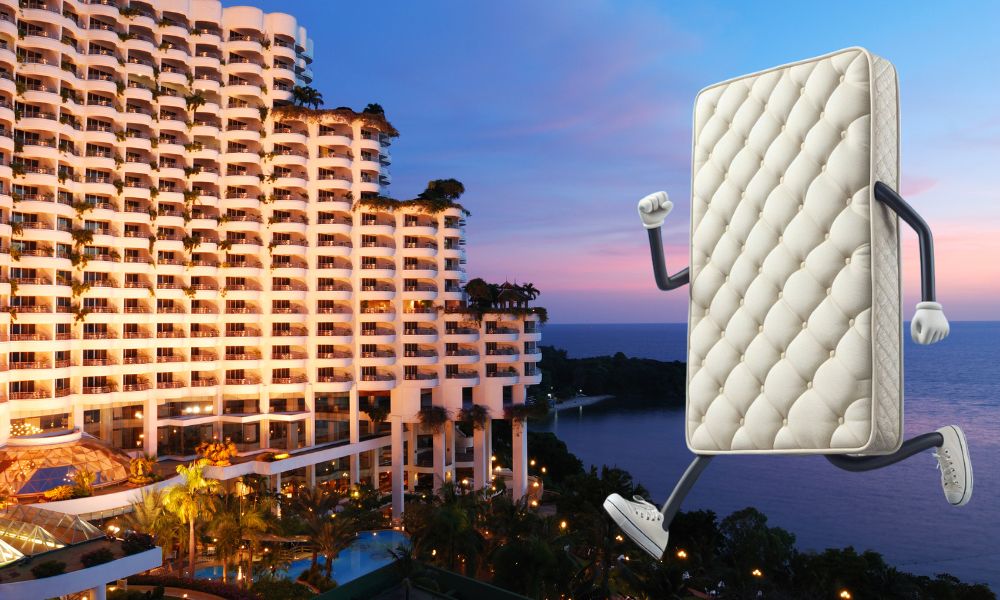
The logic behind a mattress run typically falls into three categories: achieving or maintaining elite status, unlocking milestone-specific rewards, and capturing high-value promotional point bonuses. As the calendar year draws to a close, the frequency of these bookings tends to increase as travelers realize they are only a few nights short of a higher status tier that would otherwise expire.
Strategic Drivers: Elite Status and the Hyatt Globalist Benchmark
The most prominent driver of mattress running is the pursuit of top-tier elite status. Within the industry, World of Hyatt’s "Globalist" status is often cited as the gold standard for value. Reaching this tier requires 60 elite night credits per year. The benefits—including complimentary breakfast, executive lounge access, confirmed suite upgrades, and waived parking fees on award stays—can save a traveler thousands of dollars annually.
For a traveler sitting at 57 nights in mid-December, booking a three-night mattress run at a low-category property (costing perhaps 10,500 to 15,000 Hyatt points or a modest cash sum) is a logical financial decision. The "Globalist" benefits secured for the following 14 months represent a significant return on that small year-end investment.
Similarly, Marriott Bonvoy’s Platinum and Titanium tiers offer a "Choice Benefit" upon reaching 50 and 75 nights, respectively. These benefits, such as Five Nightly Upgrade Awards or a 40,000-point Free Night Award, provide a tangible valuation that can be mathematically compared against the cost of a mattress run.
The Rise of Milestone Rewards and Interim Incentives
A significant development in loyalty program architecture is the introduction of milestone rewards. Rather than requiring members to reach a distant status goal, programs now offer incremental rewards at intervals such as 20, 30, or 40 nights.
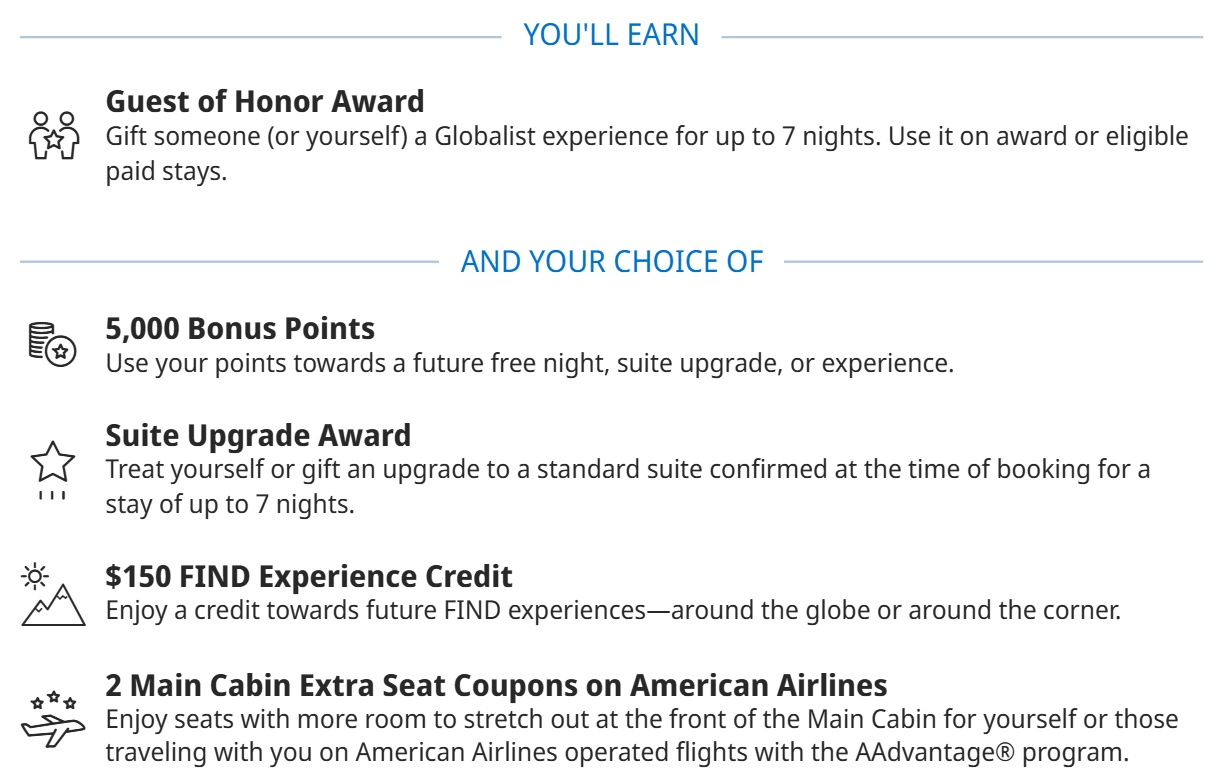
- Hyatt’s 40-Night Threshold: Upon reaching 40 nights, members receive a "Guest of Honor" award. This allows a member to gift Globalist-level benefits to a friend or family member for a stay of up to seven nights. For a member at 38 nights, the cost of two mattress-run nights is often less than 20% of the value provided by a single week-long Guest of Honor booking.
- IHG One Rewards’ 20-Night Milestone: IHG offers a confirmable suite upgrade after only 20 nights. For travelers who have a high-value vacation planned, mattress running the final two or three nights to hit this 20-night mark ensures a suite upgrade that might otherwise cost hundreds of dollars per night in cash.
Promotional Arbitrage: Data-Driven Case Studies
Promotional periods offer the most immediate "cash-on-cash" return for mattress runners. Industry data suggests that during concurrent promotions, the "buy-in" cost for points can drop significantly below the standard market rate.
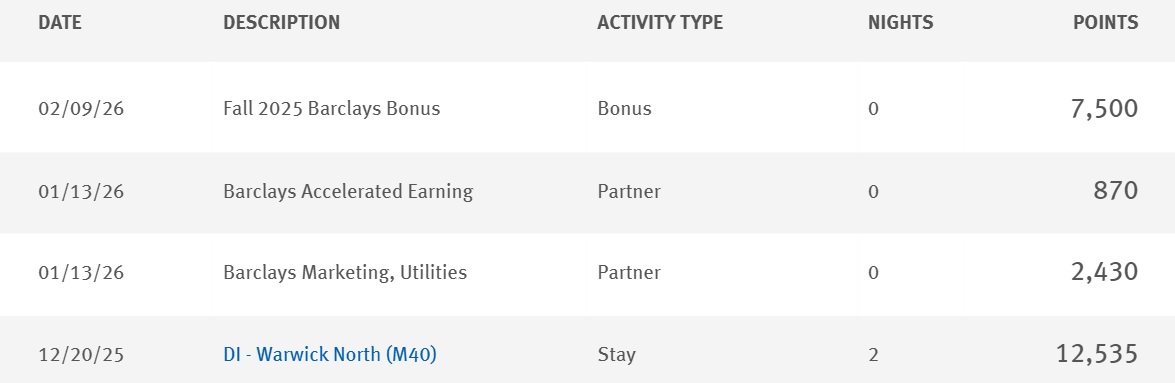
In a documented instance involving Wyndham Rewards, a traveler utilized two concurrent promotions: a 50X points multiplier for Diamond members and a fixed bonus of 7,500 points for a two-night stay. By booking a roadside property for $64 per night, the traveler earned approximately 20,000 points. Given that Wyndham’s top-tier free nights cost 30,000 points, the $128 investment (for two nights) essentially allowed the traveler to "purchase" a high-end stay at a luxury resort for a fraction of the retail price. This represents an acquisition cost of roughly 0.34 cents per point, whereas Wyndham typically sells points for 1.3 cents each.
Operational Realities and Risk Management
Executing a mattress run requires more than just a digital booking. Hotels generally require a guest to be physically present to "check in" to trigger the elite night credit. If a guest checks in via a mobile app but never arrives, the hotel may mark the reservation as a "no-show," resulting in the loss of both the payment and the expected loyalty credits.
Professional Tactics for Successful Runs:
- The "Do Not Disturb" Strategy: For multi-night mattress runs where the guest does not intend to stay, placing a "Do Not Disturb" sign on the door is standard practice. This prevents housekeeping from entering an unused room and prematurely checking out the guest.
- Managerial Transparency: Some seasoned travelers suggest contacting the hotel manager directly. By explaining that they wish to pay for the room to earn credits but do not intend to use the facilities or require cleaning, the guest provides the hotel with a "zero-impact" revenue stream. Many managers welcome this, as it increases occupancy and revenue without increasing labor costs.
- Rate Negotiation: In certain scenarios, particularly at independent or franchise-owned properties, guests may negotiate a "ghost rate"—a discounted cash rate for stays where the room will remain unoccupied, benefiting both the hotel’s bottom line and the guest’s loyalty account.
The Role of Co-Branded Financial Products
The necessity for mattress runs has been somewhat mitigated, or in some cases facilitated, by co-branded credit cards. Financial institutions like Chase and American Express have integrated elite night credits directly into their product offerings.
- Marriott Bonvoy: Holders of the Marriott Bonvoy Brilliant® American Express® Card receive automatic Platinum Elite status and 25 elite night credits annually. By stacking a personal card with a business version, a member can start the year with 40 elite nights, reducing the mattress run requirement for Titanium status to just 35 nights.
- World of Hyatt: The Chase World of Hyatt credit card provides five elite night credits automatically and awards two additional credits for every $5,000 spent. This allows high-spending individuals to "spend" their way to status, effectively replacing the physical mattress run with a financial one.
Broader Economic Impact on the Hospitality Sector
From a corporate perspective, mattress runs provide a unique revenue stream for hotel owners. These bookings represent "high-margin" revenue; the hotel collects the Daily Average Rate (ADR) and Revenue Per Available Room (RevPAR) increases, but the variable costs (utilities, laundry, breakfast, and labor) are virtually zero.
However, industry analysts note that excessive mattress running can skew occupancy data. High occupancy rates driven by "ghost stays" may lead hotel management to believe demand is higher than it actually is, potentially resulting in inflated room rates for actual travelers. Furthermore, loyalty programs must constantly balance the ease of attaining status with the risk of "benefit dilution." If too many people mattress run their way to the top, lounges become overcrowded and suite upgrades become unavailable, devaluing the very status members worked to achieve.
Conclusion: The Modern "Staycation" Hybrid
While the traditional mattress run involves an empty room, a growing trend involves the "staycation" hybrid. Rather than leaving the room vacant, local residents use the booking to access hotel amenities such as high-speed Wi-Fi for a remote work day, fitness centers, or swimming pools. This approach transforms a purely tactical expense into a lifestyle benefit, further justifying the cost of the pursuit of elite status.

As hotel loyalty programs continue to increase in complexity, the mattress run remains a vital tool for the informed traveler. Whether driven by the desire for a free breakfast in Paris or a suite upgrade in Tokyo, the strategic deployment of a few unnecessary hotel nights remains one of the most effective ways to navigate the modern travel economy.




 Anjar Salim
 Chandra Hamzah
 Tatiana Tantri Indah Sari
 Lukman Taruna Persada Ramadan