
 Chandra Hamzah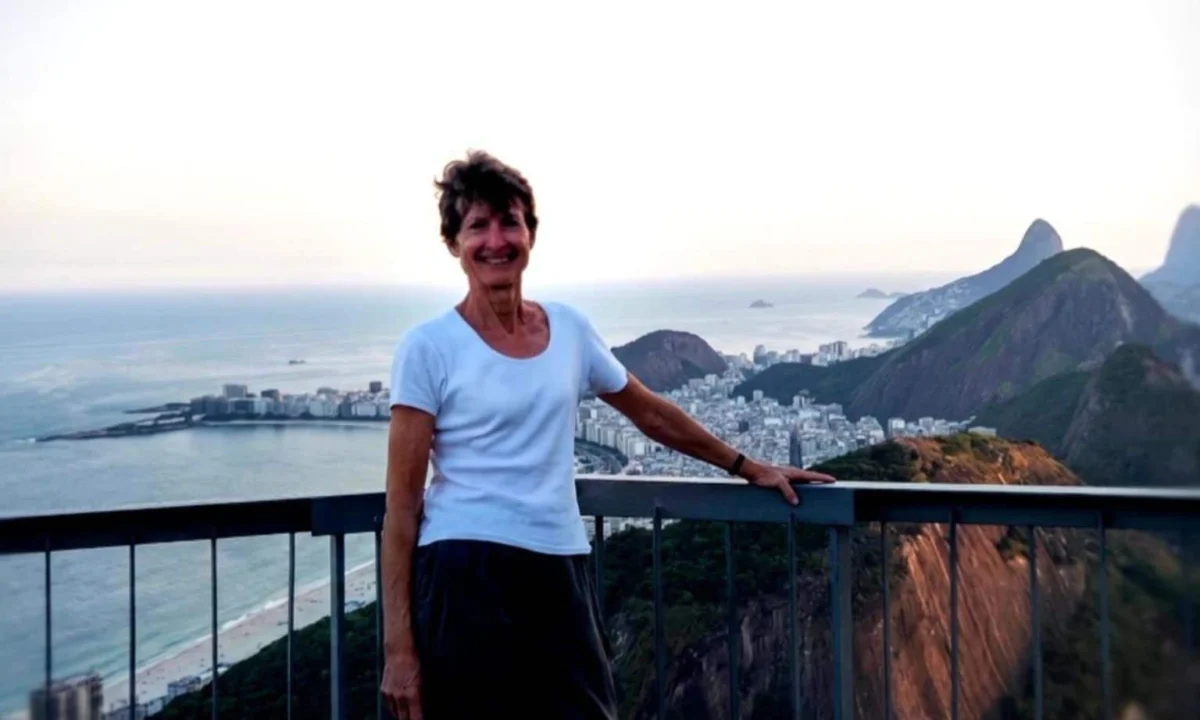
Almost six months after the untimely death of Suzanne Rees on Lizard Island, a recent Channel 9 60 Minutes documentary has brought to light deeply concerning revelations about the circumstances surrounding her passing and the subsequent handling of the tragedy by Coral Expeditions and its parent company, NRMA. The program has intensified scrutiny on the incident, revealing a family grappling with unanswered questions, perceived insensitivity, and the shocking detail that they had to actively request a refund for the deceased’s cruise passage.
The incident, which occurred during a Coral Expeditions cruise around Australia, began innocuously enough. Suzanne Rees, a passenger on the vessel, was participating in a guided hike on Lizard Island, a jewel of the Great Barrier Reef. Reports indicate that she began to feel unwell during the excursion and was instructed to return to the ship alone. Tragically, she became disoriented and lost on the island. The most disturbing allegation, brought to prominence by the 60 Minutes segment, is that the cruise ship allegedly departed Lizard Island without Ms. Rees, not realizing her absence for approximately five hours. This oversight led to her dying alone on the remote island.
A Family’s Anguish and a Quest for Answers
The 60 Minutes investigation featured an interview with Kate Rees, Suzanne’s daughter, and her husband, Andrew Cowie. Their testimony paints a harrowing picture of the family’s experience in the wake of Suzanne’s death, highlighting what they describe as a pattern of poor treatment from Coral Expeditions and its owner, NRMA, a company that positions itself as a "help" provider.
Kate Rees recounted the chilling moment she learned something was terribly wrong. Queensland police arrived at her doorstep, inquiring about her mother’s whereabouts. This unexpected visit was the first inkling that her mother might be in serious trouble.
Andrew Cowie elaborated on the family’s perceived lack of timely and empathetic communication from the cruise operator. "We had one contact from the company on Sunday, six hours after she was discovered and then we didn’t hear anything from two days, then we had a phone call from the CEO of the cruise company, saying that he’d been away travelling," Cowie stated. He further expressed the family’s feeling of being neglected, adding, "Then we did get contact from NRMA, but by then we felt like a loose end that needed to be tied."
The documentary emphasized that the family still lacks crucial details about the incident, including the precise timeline of events and how the ship’s crew failed to account for all passengers. When questioned about when Coral Expeditions realized Suzanne was missing, the couple stated, "We don’t know, they haven’t told us. Reports were that she was obviously missing at dinner and that’s when she realised." This lack of transparency has undoubtedly compounded their grief and frustration.
The Shocking Revelation of the Refund Request
Perhaps one of the most distressing aspects revealed in the 60 Minutes report was the family’s need to specifically request a refund for Suzanne’s cruise passage. Kate Rees expressed her profound shock and dismay: "It’s also good that in the paper they mentioned that they would be refunding everyone’s passage, but they didn’t refund Sue’s. I had to ask them to refund that money. For the trip that she didn’t actually get to go on." She further articulated the emotional toll this had taken: "I was pretty horrified that I actually had to ask. It’s like ripping the band aid back off again." This detail suggests a significant oversight or a lack of basic human empathy in the company’s administrative processes following the tragedy.
Ongoing Investigations and Legal Scrutiny
The Australian Maritime Safety Authority (AMSA) has been conducting an ongoing investigation into Suzanne Rees’ death. As of the broadcast, no official findings have been made public, leaving a void of concrete information regarding the precise cause and contributing factors.
The family has engaged Adam Cutri, a commercial disputes lawyer, to assist them. Mr. Cutri, speaking on 60 Minutes, acknowledged the challenges in fully understanding the events from a legal standpoint. However, he unequivocally stated that it is "indisputable" that Suzanne did not make a choice to be left behind. This legal assessment underscores the gravity of the situation and the potential for significant accountability for Coral Expeditions.
Coral Expeditions’ Response and Acknowledgement of Failures
In response to the allegations and the 60 Minutes report, Coral Expeditions issued a statement acknowledging failures in their safety procedures on the day of the incident. The company expressed deep sorrow for the loss and the distress caused to Ms. Rees’ family.
"The death of Suzanne Rees on Lizard Island was devastating," the statement read. "We are deeply sorry to Ms Rees’ family for their loss and the distress and hurt her death has caused. While Coral Expeditions had comprehensive safety systems and procedures in place, we acknowledge some of these were not adequately implemented on this tragic day."
The company further stated that Ms. Rees’ death had "shocked our people to the core" and affirmed their commitment to cooperating fully with ongoing investigations. Coral Expeditions also indicated that they have implemented "additional systems and procedures to further strengthen protections for our guests." While this acknowledgment is a step, it does little to assuage the family’s immediate pain or address the systemic issues that may have contributed to the tragedy.
Broader Implications and Safety Concerns
The death of Suzanne Rees raises significant questions about the safety protocols and passenger management systems of cruise operators, particularly those navigating remote and potentially hazardous environments like the Great Barrier Reef. The fact that a passenger could be left behind, with the ship departing without realizing her absence for several hours, points to potential systemic breakdowns in pre-departure checks, communication channels, and overall crew awareness.
The incident also highlights the importance of transparency and empathy in the aftermath of a tragedy. The family’s experience suggests that Coral Expeditions and NRMA may have failed to provide the level of care and support expected during such a devastating time. The need to chase refunds for a deceased passenger underscores a concerning detachment from the human element of the crisis.
Background Context: Lizard Island and Cruise Tourism
Lizard Island is a popular destination for eco-tourism and is renowned for its natural beauty and diverse marine life. It is a key stop on many Great Barrier Reef itineraries, offering visitors opportunities for snorkeling, diving, and bushwalking. Cruise tourism in Australia, particularly along the Great Barrier Reef, is a significant industry, contributing billions of dollars to the economy and supporting thousands of jobs. However, with this growth comes an increased responsibility to ensure the highest standards of safety for all passengers and to be prepared for potential emergencies in remote locations.
The Great Barrier Reef Marine Park Authority (GBRMPA) oversees the management of the Marine Park, with a strong focus on conservation and sustainable tourism. While the authority sets environmental guidelines, the operational safety of vessels and passenger excursions typically falls under the purview of maritime safety regulators like AMSA, as well as the cruise companies themselves.
Timeline of Events (Based on Available Information)
- Date of Incident: While not explicitly stated in the provided text, the article indicates the event occurred "almost six months on" from the death, placing the incident in late 2023 or early 2024.
- Onboard Cruise: Suzanne Rees was cruising with Coral Expeditions around Australia.
- Lizard Island Excursion: Ms. Rees participated in a hike on Lizard Island.
- Feeling Unwell: She began to feel unwell during the hike.
- Instruction to Return: Ms. Rees was instructed to return to the ship alone.
- Becoming Lost: She became lost on Lizard Island.
- Ship Departs: Coral Expeditions allegedly sailed off without Ms. Rees.
- Discovery of Absence: The ship reportedly did not realize Ms. Rees was missing for approximately five hours, potentially around dinner time.
- Discovery of Passing: Ms. Rees was found deceased on Lizard Island.
- Family Notified: Queensland police informed Kate Rees and her husband of a serious incident involving her mother.
- Initial Contact from Coral Expeditions: The family received one contact six hours after Ms. Rees was discovered.
- Further Silence: A two-day period without contact from the company followed.
- Call from CEO: The CEO of Coral Expeditions contacted the family, citing travel.
- Contact from NRMA: Contact was later made by NRMA.
- Refund Request: Kate Rees had to request a refund for her mother’s cruise passage.
- Ongoing Investigations: AMSA’s investigation into the death is underway.
- Media Attention: A 60 Minutes documentary segment brings further public attention and revelations.
Analysis of Implications
The allegations surrounding Suzanne Rees’ death have significant implications for Coral Expeditions and the wider cruise industry.
- Reputational Damage: The negative publicity generated by the 60 Minutes report, coupled with the family’s distressing account, could severely impact Coral Expeditions’ reputation and booking numbers. The "help" brand of NRMA also faces scrutiny by association.
- Regulatory Scrutiny: AMSA’s investigation is likely to be thorough, and any findings of negligence or systemic failures could lead to significant penalties, mandatory safety improvements, and increased regulatory oversight for Coral Expeditions and potentially other operators.
- Passenger Trust: The incident erodes passenger trust in the safety assurances provided by cruise lines. Passengers expect to be accounted for at all times, especially when disembarking for excursions.
- Legal Ramifications: The family, with legal representation, may pursue further legal action against Coral Expeditions and NRMA, seeking damages and accountability for the loss of Ms. Rees’ life and the subsequent distress.
- Industry-Wide Safety Review: This tragedy could prompt a broader review of safety protocols across the small-ship and expedition cruise sector, particularly concerning passenger accountability during shore excursions and in remote locations. The emphasis on comprehensive safety systems needs to translate into their consistent and effective implementation.
The tragic death of Suzanne Rees on Lizard Island remains a deeply upsetting event, compounded by the ongoing questions and the family’s painful experiences in the aftermath. The 60 Minutes documentary has shed a stark light on these issues, demanding a thorough investigation, accountability, and a commitment to ensuring such a devastating loss never occurs again. The coming months, with the expected release of investigation findings, will be crucial in determining the full scope of what went wrong and what measures will be put in place to prevent future tragedies.



 Anjar Salim
 Tatiana Tantri Indah Sari
 Budi Mulyono
