
 Budi Mulyono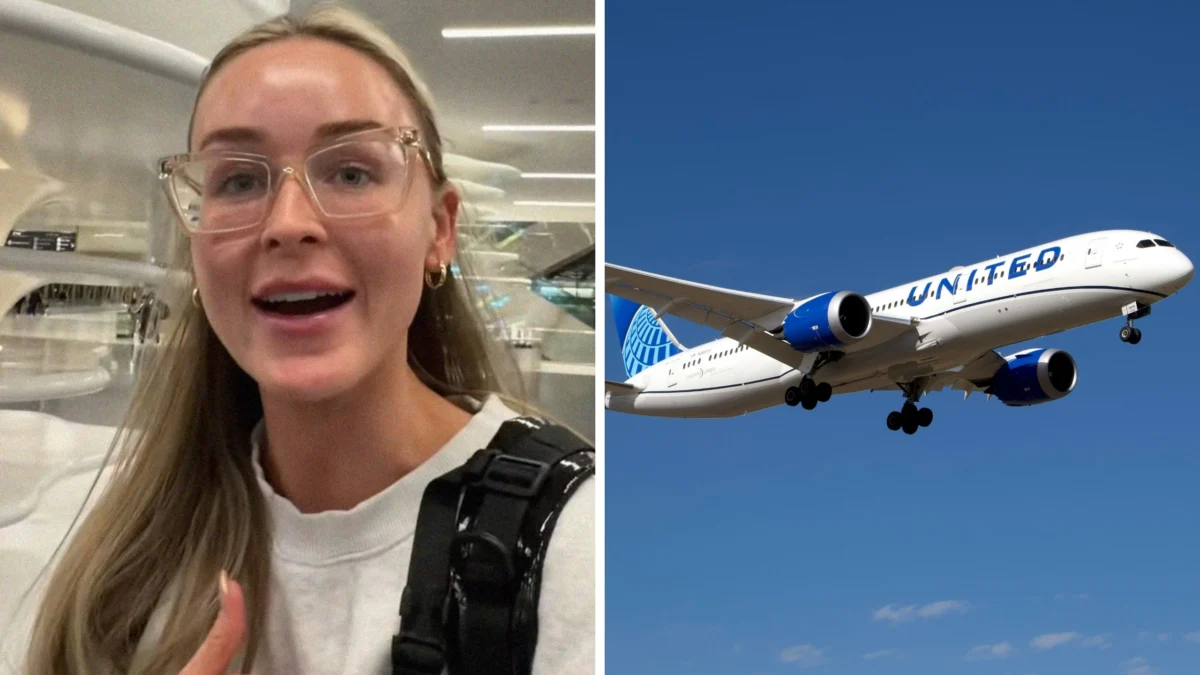
The intersection of premium air travel expectations and the logistical realities of modern aviation recently became the center of a viral controversy following a social media report from a United Airlines passenger. Brylee Armstrong, a traveler flying from Salt Lake City to New York, documented a journey characterized by maintenance failures, involuntary downgrades, and a corporate response that has polarized industry observers. The incident, which has garnered over 2.2 million views on the social media platform TikTok, highlights ongoing tensions between airline service guarantees and the operational challenges of hub-and-spoke flight networks.

The Genesis of the Journey: Expectations of the Premium Experience
The incident began when Armstrong decided to redeem accumulated frequent flyer points to secure a first-class itinerary. The primary motivation for the upgrade was a visit to her long-distance partner in New York. By booking a first-class seat on an early morning flight from Salt Lake City International Airport (SLC), Armstrong intended to maximize her limited vacation time, ensuring a rested arrival and a full day of activities.

In the aviation industry, the "premiumization" of travel has become a significant revenue driver. Airlines like United, Delta, and American have increasingly relied on selling the "experience" of first class—not just the seat, but a seamless transition from the curb to the gate. However, for Armstrong, the premium experience began to erode before she even boarded the aircraft. Upon arriving at SLC, she found that CLEAR, the biometric expedited security service often utilized by premium travelers, was not yet operational for the day. This initial friction served as a precursor to a series of systemic failures that would ultimately see her first-class status revoked.

A Chronology of Operational Failure: From Salt Lake City to Denver
The first leg of the journey, a short-haul flight from Salt Lake City to Denver International Airport (DEN), proceeded with relative normalcy. Armstrong boarded in Group One, a standard perk for first-class passengers. While she noted in her documentation that the short flight did not necessarily feel like a significant upgrade over economy, she maintained expectations for the longer, transcontinental leg from Denver to New York, where first-class amenities—such as enhanced meal service, larger seats, and increased privacy—are more pronounced.

The situation deteriorated rapidly upon arrival in Denver. What was intended to be a routine connection turned into a protracted ordeal due to multiple maintenance issues on the scheduled aircraft. Maintenance delays are a common occurrence in the industry, often caused by mechanical discrepancies that must be rectified to meet Federal Aviation Administration (FAA) safety standards. However, the management of these delays often dictates the passenger’s perception of the brand.

After an initial boarding process, passengers were informed that the aircraft was unfit for flight and were ordered to deplane. Following a period of uncertainty in the terminal, Armstrong was eventually rebooked on a different aircraft. However, the replacement flight was unable to accommodate her original first-class reservation. Consequently, her status was downgraded to economy, and the premium experience she had purchased with points was effectively nullified.

The Refund Bureaucracy and Consumer Rights
One of the most contentious aspects of Armstrong’s report involves the process of obtaining a refund for the service she did not receive. According to her account, United Airlines staff informed her that she would not receive an automatic refund for the difference in fare classes. Instead, the burden of proof was placed on the passenger, who was required to submit a formal "claim" to the airline’s corporate offices to recover her points or monetary value.
This practice is a frequent point of contention for consumer advocates. Under United States Department of Transportation (DOT) guidelines, passengers are entitled to a refund of the difference in fare if they are involuntarily downgraded to a lower class of service. While many airlines have automated systems for flight cancellations, involuntary downgrades often fall into a procedural "gray area" where manual intervention by the passenger is required.

For Armstrong, the frustration was compounded by the loss of time. By the time she reached New York in an economy seat, she had spent several additional hours in the Denver terminal. The delay effectively consumed a full day of her vacation, a loss that financial compensation for a seat upgrade cannot fully remediate. This highlights a broader issue in the travel industry: the "value of time" for passengers on short-duration trips.

The Digital Fallout: A "Bestie" and a "Mirrorball"
After Armstrong’s video went viral, the official United Airlines TikTok account responded to the thread. The response used a highly casual, Gen-Z-oriented tone that has become increasingly common in corporate social media management. The airline wrote: "Bestie, this one hurts to watch. We know this experience def wasn’t Mirrorball-worthy, and we’re SO sorry we let you down. Feel free to DM if there’s anything more we can do to help."

The reference to "Mirrorball," a song by Taylor Swift, was an attempt to resonate with Armstrong’s demographic and the cultural zeitgeist of her social media feed. However, the response sparked an immediate backlash from a segment of the public that viewed the tone as unprofessional and condescending.

Critics argued that while a casual tone may be appropriate for general brand engagement, it is ill-suited for addressing significant service failures. One commenter noted that the term "Bestie" felt patronizing when applied to a customer who had just lost hundreds of dollars in point value and a day of personal time. Conversely, defenders of the airline argued that the social media team was simply speaking the "language of the platform" and that a stiff, corporate response would have been ignored or mocked.

Professional Analysis: The Risk of Casual Corporate Communication
The United Airlines response serves as a case study in the risks of "persona-driven" social media marketing. In recent years, brands have moved away from formal PR statements toward a more "humanized" digital presence. While this can build brand loyalty during positive interactions, it creates a cognitive dissonance during negative ones.

When a passenger experiences a technical and financial failure—such as an involuntary downgrade and a denied automatic refund—they are operating within a legal and professional framework. When the corporation responds within a "friendship" or "fandom" framework (using terms like "bestie"), it can minimize the passenger’s legitimate grievances. From a crisis management perspective, the primary objective should be the resolution of the financial and logistical error, rather than an attempt at cultural alignment.

Industry Comparison: The Competitive Landscape of Domestic First Class
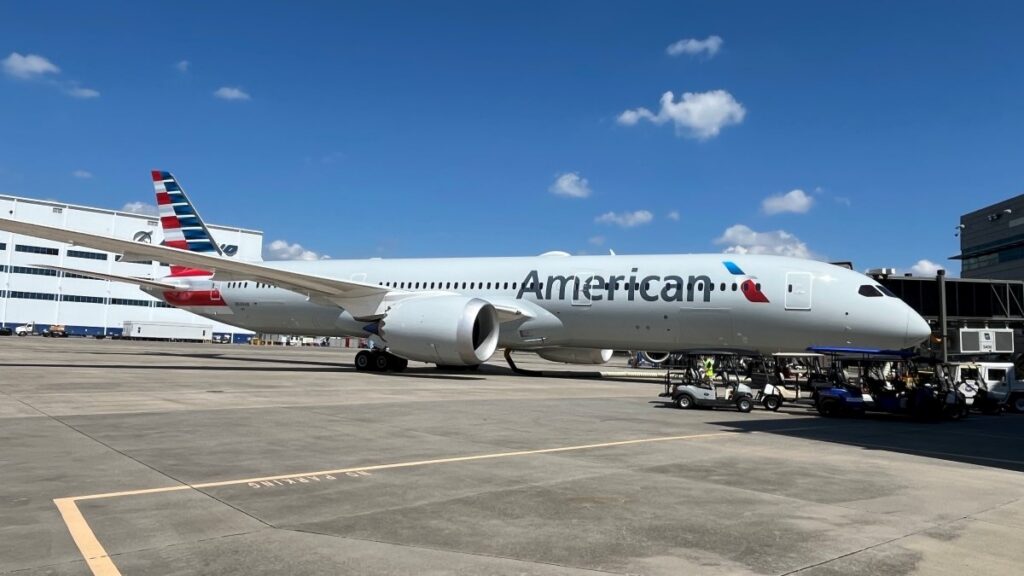
The viral nature of Armstrong’s experience also invited comparisons to United’s primary competitors, specifically Delta Air Lines. Several viewers and travel experts pointed out that Delta has aggressively marketed its "premium" status, often touting more reliable boarding processes and dedicated "Sky Priority" lanes that are frequently cited as superior to United’s equivalent offerings.

Data from the Bureau of Transportation Statistics (BTS) often shows a tight race between the "Big Three" (United, Delta, and American) regarding on-time performance and baggage handling. However, brand perception is often shaped by "soft" factors—the quality of the onboard meal, the comfort of the seat, and, crucially, the helpfulness of gate agents during a crisis. In Armstrong’s case, the recommendation from the social media audience was clear: travelers seeking a guaranteed premium experience may look toward carriers with higher perceived customer service ratings.

Broader Implications for the Aviation Industry
The incident involving Brylee Armstrong is symptomatic of a larger trend in the post-pandemic travel era. Airlines are currently operating at near-peak capacity, meaning that when a maintenance issue occurs, there are very few "spare" seats in first-class cabins to accommodate displaced passengers. This leads to an increase in involuntary downgrades across the industry.

Furthermore, the reliance on automated rebooking systems often leaves passengers feeling stranded. While technology can handle simple re-routings, it frequently fails to account for the nuances of fare class protections. This places the onus on the traveler to act as their own advocate, navigating complex corporate hierarchies to claim refunds that should, in a perfect system, be issued automatically.

As of this report, it remains unclear whether Armstrong has received a full restoration of her points. United Airlines has not issued a formal press statement beyond their social media comments. The event remains a cautionary tale for travelers: even when "cashing in" for a premium experience, the underlying infrastructure of the airline industry remains vulnerable to mechanical and procedural failures that can quickly turn a first-class dream into an economy-class frustration.
For the aviation industry, the lesson is one of balance. While social media engagement is a powerful tool for brand building, it cannot replace the fundamental necessity of operational reliability and professional accountability. As passengers become increasingly savvy with digital documentation, the "transparency" of airline failures will only continue to grow, forcing carriers to reconsider how they compensate and communicate with those they let down.



 Anjar Salim
 Chandra Hamzah
 Tatiana Tantri Indah Sari

