
 Chandra Hamzah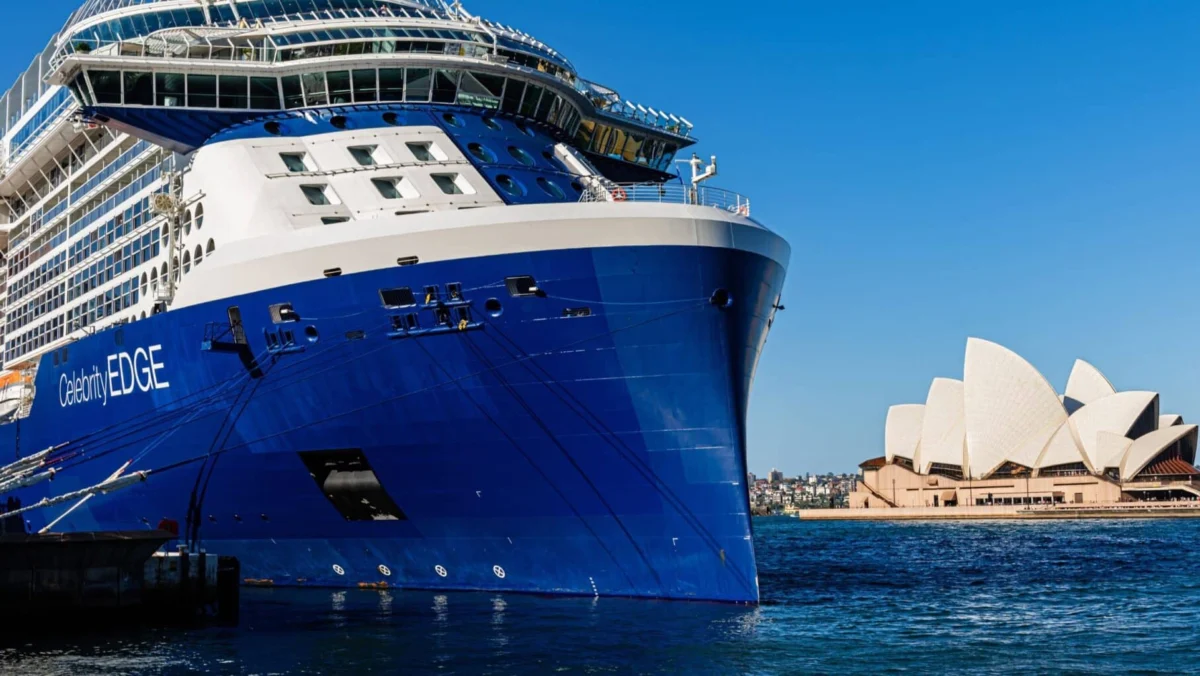
The modern cruise experience, once a hallmark of all-inclusive luxury and predictable costs, is undergoing a significant transformation, leaving many seasoned travelers feeling that cruise lines are increasingly adopting a "nickel and dime" strategy. This approach, characterized by the introduction of new charges for services previously included in the base fare, is sparking widespread discussion and concern among regular cruisers. While the individual cost of these new fees may seem minor, their cumulative effect on the final vacation bill is becoming a substantial point of contention, fundamentally altering the perceived value proposition of a cruise holiday.
Recent weeks have seen a flurry of such changes across the industry. Princess Cruises, for instance, has implemented increased service charges for its US sailings, a move that directly impacts the daily expenditure for passengers on these itineraries. Similarly, MSC Cruises has introduced new charges for baby care services, a facility that was historically provided free of charge, highlighting a shift in what is considered a complimentary amenity. Perhaps one of the most talked-about additions is the hefty US$45 fee for the circus show aboard Norwegian Cruise Line’s newest vessel, the Norwegian Luna. This particular charge is significant as it targets onboard entertainment, a core component of the cruise experience that passengers have long expected to be part of their upfront fare. The introduction of such fees for premium entertainment raises questions about the evolving definition of "included" versus "extra" on cruise ships.
The cumulative impact of these incremental charges is a central theme in traveler feedback. A case in point is Royal Caribbean’s recent decision to no longer include its branded "Coca-Cola Freestyle cup" within its beverage packages. While the cup itself can be purchased for approximately US$5 onboard, its removal from package inclusions means that passengers who previously relied on this convenience now face an additional out-of-pocket expense or must forgo the feature altogether. Individually, US$5 may appear negligible, but when compounded with other emerging charges and the gradual reduction of previously standard amenities, the overall increase in vacation costs can become significant, leading to a starkly different final bill than anticipated.
Beyond the tangible financial implications, these pricing strategies are also affecting the psychological aspect of cruising. A significant draw of cruise holidays has historically been the promise of an all-encompassing experience where many of the vacation’s expenses are bundled upfront, allowing for a more relaxed and predictable budget. The introduction of new fees and the removal of previously included services erode this sense of comprehensive value, potentially diminishing the carefree, all-inclusive allure that many passengers cherish. This erosion of the perceived all-inclusive nature can lead to a feeling of constant vigilance and calculation, detracting from the intended relaxation.
The scope of these changes extends beyond obvious fees. While some cutbacks are as visible as a new ticket price, others are more subtle. Cruise lines are reportedly reducing the frequency of room cleanings, optimizing staffing levels, and simplifying menu offerings, all of which can contribute to cost savings for the company but may be perceived as a decline in service quality by passengers. These less perceptible adjustments, combined with the more overt new charges, create a complex landscape for cruisers to navigate, making it increasingly difficult to ascertain the true value of their booking. This phenomenon has been aptly described as the "waterborne equivalent of shrinkflation," where the perceived value of the cruise package diminishes while the price may remain the same or even increase.
Navigating the truth behind these pricing shifts can be challenging, with a spectrum of opinions emerging from the cruising community. Some passengers express frustration, arguing that cruise lines are capitalizing on their loyal customer base by charging for amenities that were once considered standard. Conversely, a significant segment of cruisers acknowledges the broader economic realities, pointing out that the cost of goods and services across all sectors, not just the travel industry, has risen. From this perspective, cruising may still offer competitive value compared to other vacation options. Furthermore, some argue that by removing inclusions that not all passengers utilize, cruise lines can potentially stabilize or even reduce base fares, thereby benefiting those who opt out of those specific services.
Ultimately, the reality of cruise pricing is multifaceted. Cruise lines, as large commercial enterprises, are naturally inclined to seek revenue maximization opportunities. However, it remains a fact that cruising, when properly assessed, continues to offer considerable value, especially when viewed against the backdrop of rising global costs for leisure and travel. The key for today’s traveler lies in diligent research and a thorough analysis of the offerings.
Strategic Pricing: A Cruise Line Balancing Act
Cruise lines are employing diverse strategies to manage their pricing structures in response to evolving market conditions and operational costs. This has led to a divergence in how different lines are approaching fare composition and ancillary charges.
Norwegian Cruise Line (NCL)
Norwegian Cruise Line has, in some instances, maintained relatively stable cruise fares. However, this stability has been accompanied by a re-evaluation of included amenities and the introduction of charges for specific services. An example that has drawn particular attention is the policy concerning additional entrées at dinner. While some interpret this as a classic "nickel and dime" tactic, it can also be viewed as a measure to curb perceived excessive consumption. This particular policy has sparked debate, with some labeling it as an example of opportunistic revenue generation rather than a reflection of genuine cost increases. The company’s approach suggests a focus on optimizing onboard spending by creating distinct value tiers for different services.
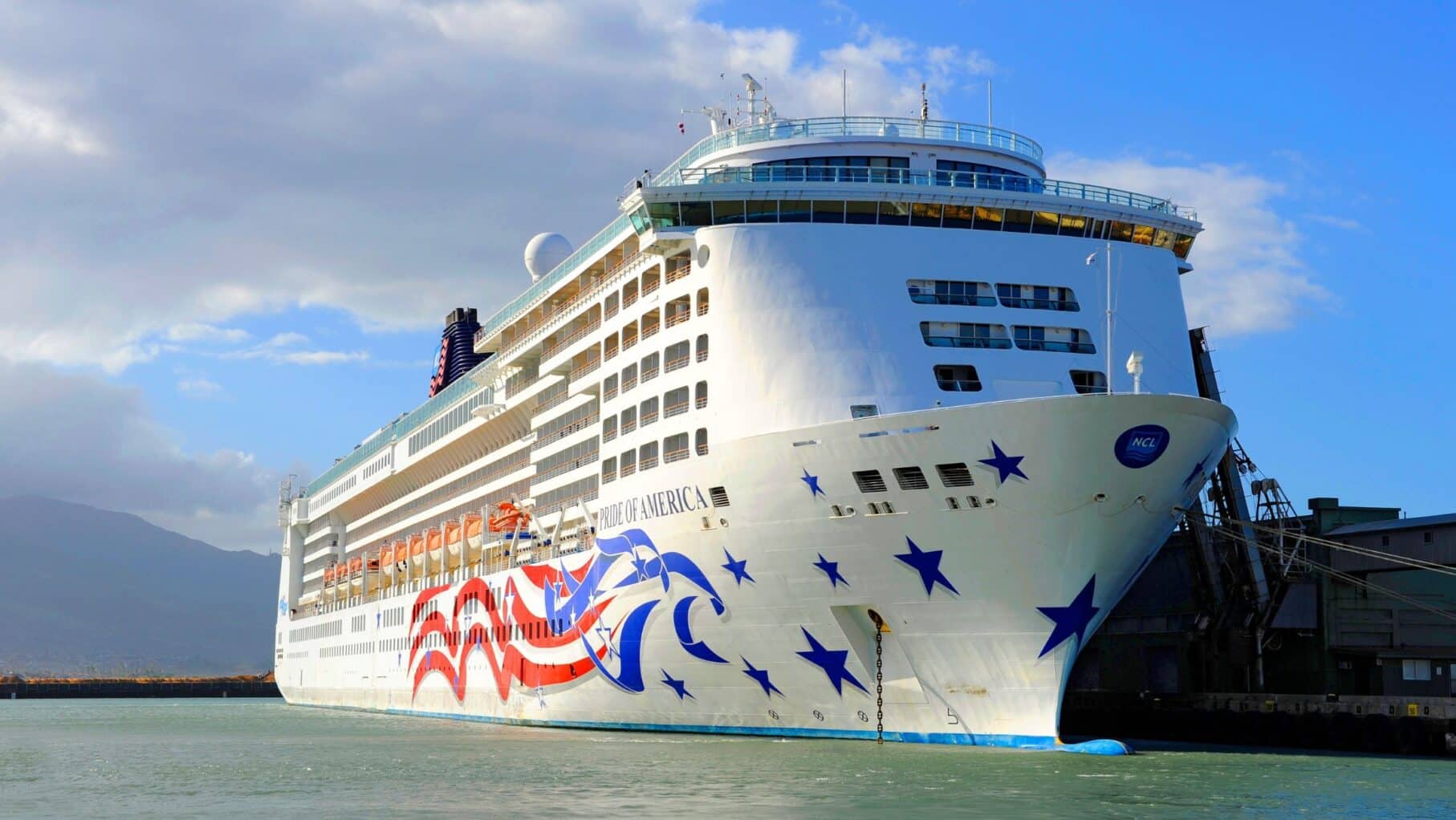
Royal Caribbean
Royal Caribbean has been identified as a line that has seen more pronounced increases in its advertised fares. This aligns with a broader trend of rising prices across the industry. Despite these fare increases, passenger feedback has also indicated the presence of cutbacks in certain areas, contributing to the perception of "nickel and diming." The company’s strategy appears to involve a combination of higher base fares and a continued evaluation of onboard service inclusions, necessitating a careful examination of the total cost for potential passengers.
Carnival Cruise Line
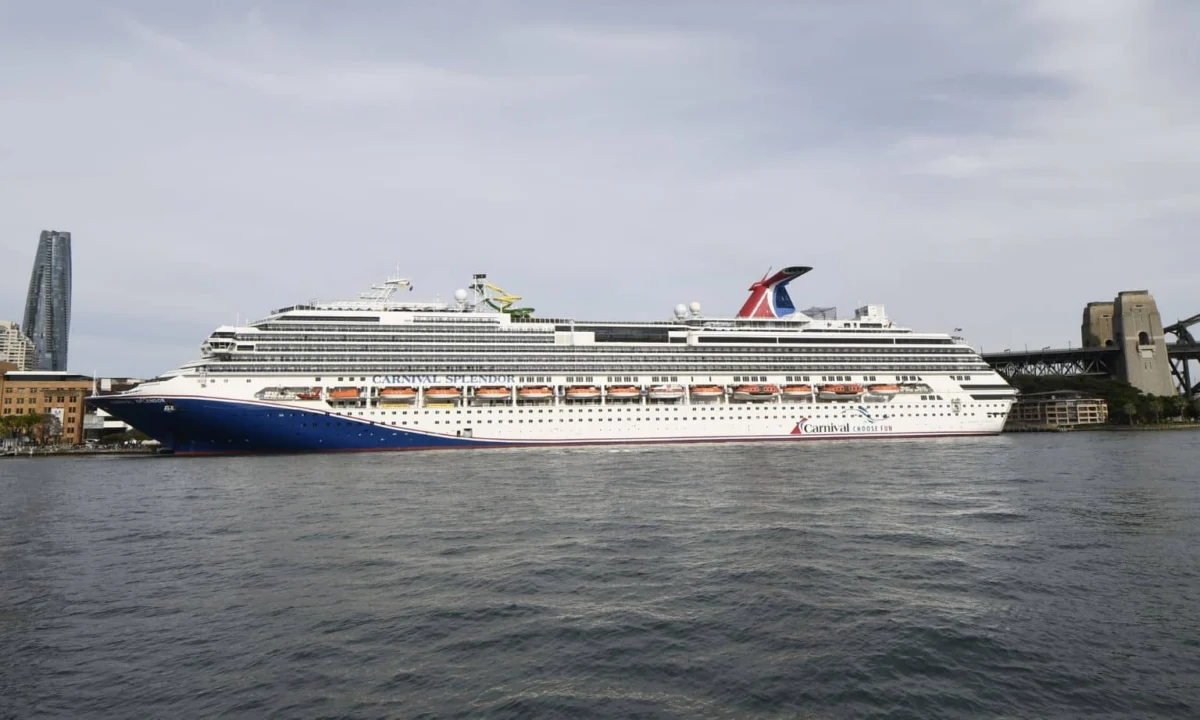
Similar to Norwegian Cruise Line, Carnival has been noted for its efforts to keep base cruise fares relatively steady. This approach suggests a strategy of maintaining competitive entry-level pricing while potentially adjusting the value proposition through other means. For passengers who do not utilize certain premium services or amenities that may now incur additional charges, this strategy can translate into a more predictable overall vacation cost. However, for those who previously benefited from these now-unbundled services, the perceived value may decrease.
Princess Cruises
Princess Cruises, as previously mentioned, has implemented increased service charges for its US sailings. This direct increase in daily expenses for a significant portion of its customer base underscores a strategy of adjusting operational costs directly onto passengers. This move indicates a more overt approach to managing revenue, where the cost of service delivery is being more explicitly factored into the passenger’s overall expenditure.
Celebrity Cruises
Celebrity Cruises has demonstrated a strategy of keeping its cruise fares relatively stable, particularly in markets like Australia. This suggests a commitment to maintaining a consistent pricing model for its core offering. While the article does not detail specific cutbacks for Celebrity, the general industry trend implies that even with stable fares, a review of inclusions and potential introduction of ancillary charges for specific services could be a consideration. The image accompanying the article, featuring the Celebrity Edge, emphasizes the visual appeal and potential luxury associated with the line, suggesting a focus on premium experience which may be supported by stable base fares.
Analyzing the Implications for Cruisers
The evolving pricing strategies employed by cruise lines present a complex decision-making process for travelers. The traditional all-inclusive model is becoming increasingly rare, replaced by a more à la carte approach to onboard services and amenities. This shift necessitates a more informed consumer.
Data-Driven Decisions: With the proliferation of new charges and the unbundling of previous inclusions, prospective cruisers are advised to meticulously analyze the detailed breakdown of what is included in their fare versus what incurs an additional cost. This includes scrutinizing beverage packages, specialty dining options, entertainment fees, gratuities, and any newly introduced service charges. Websites and forums dedicated to cruise reviews and advice can offer valuable insights into the real-world costs experienced by fellow travelers.
Value Assessment: The perceived value of a cruise is no longer solely determined by the base fare. It is now a composite of the fare, included amenities, and the cost of any desired extras. Passengers must weigh their personal preferences and consumption habits against the cruise line’s pricing structure. A cruise line that maintains lower base fares but charges for many onboard activities might be more cost-effective for a budget-conscious traveler who prefers to disembark and explore independently at each port. Conversely, a line with higher base fares that includes a wider array of services might offer better value for those who intend to spend most of their time onboard and utilize the ship’s facilities extensively.
Industry Trends and Future Outlook: The current trend suggests that cruise lines will continue to adapt their pricing models to optimize profitability. This could lead to further unbundling of services, increased reliance on dynamic pricing, and a greater emphasis on personalized onboard spending packages. Travelers should remain vigilant, as the landscape of cruise pricing is subject to continuous change. Understanding these shifts is crucial for making informed booking decisions and ensuring that the cruise vacation remains a financially viable and enjoyable experience. The future of cruising value will likely depend on the industry’s ability to balance revenue generation with passenger expectations for a fair and transparent pricing structure.
The practice of introducing charges for services once included, while a source of frustration for many, is a reflection of broader economic pressures and evolving business models within the travel industry. As the cost of operations, fuel, and staffing continues to rise, cruise lines are seeking innovative ways to maintain profitability. While this can lead to a perceived reduction in value for some passengers, it also presents an opportunity for more discerning travelers to identify the cruise lines and itineraries that best align with their budget and preferences. The era of the truly all-inclusive cruise may be waning, but the fundamental appeal of exploring the world by sea, with careful planning and informed choices, remains a compelling proposition.

 Gabriela Annisa
 Tatiana Tantri Indah Sari
 Hendra Ismail
 Walid Sujud Trenggono
 Budi Mulyono