
 Chandra Hamzah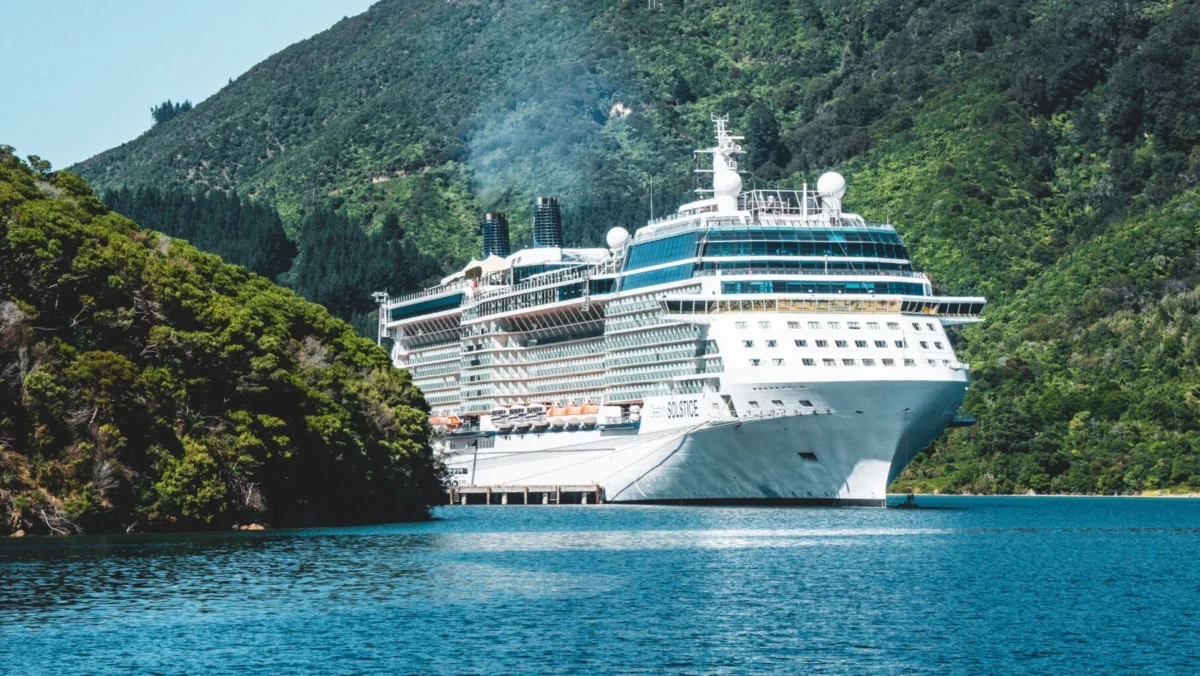
Miami, Florida – The recent Seatrade Global conference in Miami has marked a significant turning point for New Zealand’s cruise industry, with the nation securing promising commitments from major cruise lines and demonstrating a unified front with Australia to revive regional cruise tourism. A record-sized delegation from both countries, comprising government officials, port authorities, and tourism representatives, descended upon the industry’s premier event to address declining ship deployments and advocate for a revitalized presence in Australasian waters.
New Zealand Leads the Charge with Ministerial Engagement
New Zealand’s proactive engagement at Seatrade Global, spearheaded by Tourism and Hospitality Minister Louise Upston, appears to have yielded the most tangible results. Minister Upston, part of a robust 19-member New Zealand delegation, reported a highly optimistic outlook following direct engagements with key cruise line executives and the Cruise Lines International Association (CLIA). Her meetings with CLIA and individual cruise lines, as reported by Seatrade Cruise News, indicated a strong likelihood of either maintaining current cruise ship presence or seeing a return of vessels for the 2028/29 deployment seasons.
"We were encouraged by the discussions," Minister Upston stated, conveying a sense of renewed confidence in the sector’s future. "Several lines have indicated plans to either sustain their presence or return to our shores, and I feel positive about the potential deployments for the 2028/29 seasons." This ministerial-level representation from New Zealand at Seatrade was a notable first, underscoring the government’s serious commitment to revitalizing the cruise sector.
The Declining Cruise Market and the Need for Intervention
The strong diplomatic push from both New Zealand and Australia stems from a concerning trend of declining cruise ship calls and the subsequent economic impact on the region. What was once an AUD $8 billion market for both countries combined has reportedly seen a reduction of up to AUD $1 billion in recent years. New Zealand, in particular, has been severely affected, with a significant 41% drop in Australian cruise visitors over the past two years.
This downturn contrasts sharply with global trends. CLIA’s latest figures reveal a record 1.45 million Australians embarked on an ocean cruise in 2025, a 9.5% increase from the previous year. However, CLIA attributes Australia’s diminishing competitiveness as a cruise destination to regulatory uncertainties and escalating operational costs. The economic contribution of cruise tourism to Australia, while substantial at AUD $7.32 billion in 2024/25 and supporting over 22,000 jobs, was down 13.2% year-on-year, a direct reflection of the loss of cruise tourism to other global destinations.
A United Front: Australia and New Zealand Forge Regional Collaboration
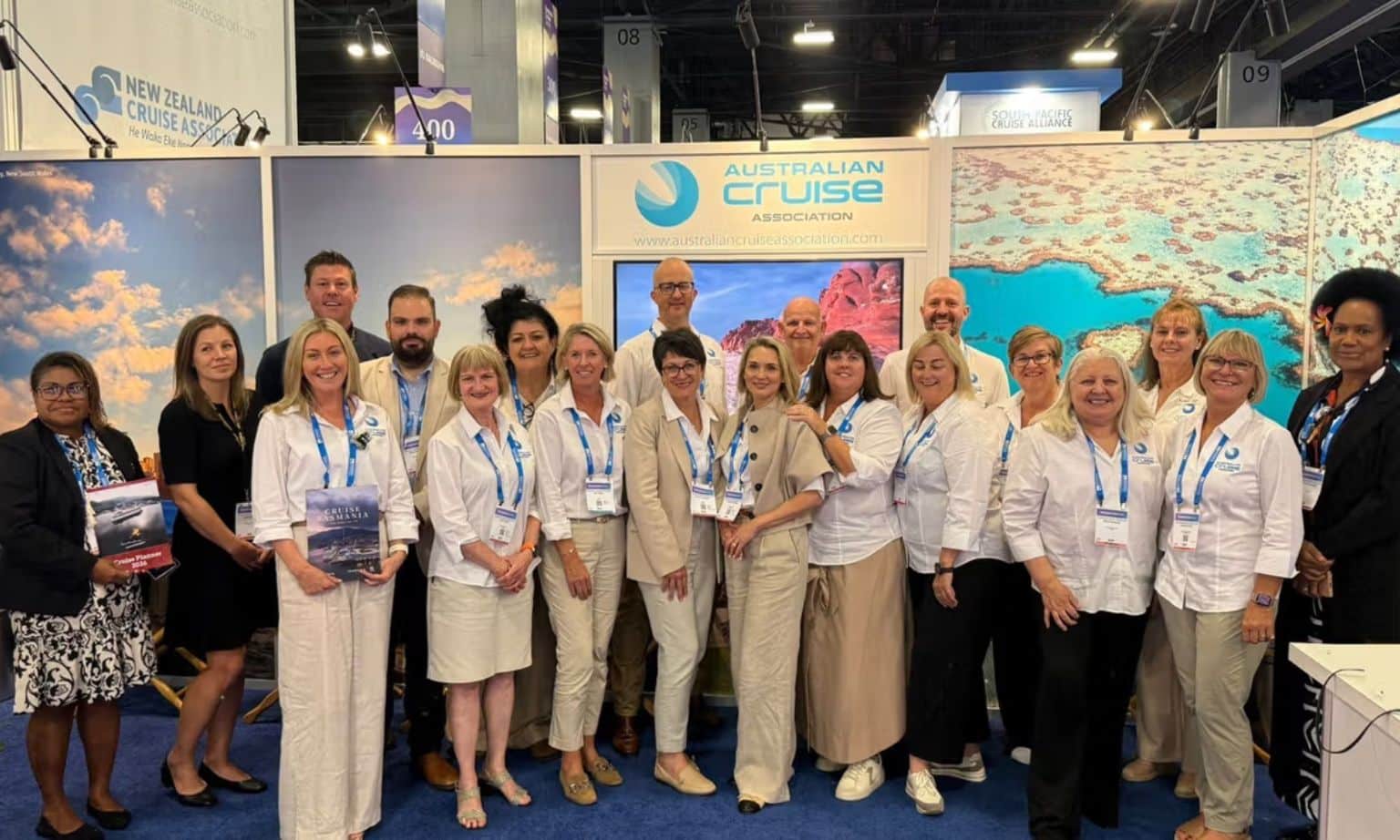
Recognizing the interconnected nature of their cruise markets, Australia and New Zealand presented a united front at Seatrade Global. Their combined delegation of 50 representatives, the largest ever assembled from the region, underscored a shared commitment to lobbying cruise lines for increased capacity. The delegation included senior figures from CLIA Australasia, various port authorities, and tourism bodies, highlighting a coordinated effort across the public and private sectors.
A key outcome of this collaborative approach was the renewal of the memorandum of understanding (MOU) between the Australian Cruise Association (ACA) and the New Zealand Cruise Association (NZCA). Minister Upston witnessed the signing of this agreement, which solidifies their commitment to ongoing collaboration in regional promotion, sharing of industry intelligence, and joint engagement with cruise lines.
Jill Abel, CEO of the ACA, emphasized the importance of this regional alignment: "Destinations that can demonstrate collaboration, consistency, and a clear regional proposition will be best placed to capture future growth." Her New Zealand counterpart, Jacqui Lloyd, CEO of NZCA, echoed this sentiment, stating that the renewed MOU would empower both countries to present "a united regional voice to industry partners."
Addressing Challenges: Reducing Costs and Streamlining Regulations
Both nations acknowledged the need to address the underlying factors contributing to the decline in cruise deployments. In New Zealand, post-conference reports indicated a government and industry consensus on initiatives to reduce costs, cut red tape, and foster an environment conducive to growth. This strategic shift is a direct response to a substantial 40% decline in New Zealand’s cruise tourism in 2025/26 and stagnant deployment levels for 2026/27.
Joel Katz, CLIA Australasia Managing Director, highlighted the significance of New Zealand’s ministerial participation. "This is the first time New Zealand has been represented at Seatrade at a ministerial level, and it matters," Katz stated. "It sends a clear signal to global cruise lines that New Zealand is serious about rebuilding cruise deployment, with government and industry aligned around a shared goal: restoring confidence, improving competitiveness, and creating the conditions for long-term growth."
Katz further elaborated on the critical need for regulatory certainty. "We had a constructive discussion about the practical steps being taken to provide the regulatory certainty cruise lines need when making deployment decisions, because this is a highly competitive global environment, and confidence drives capacity."
Global Context and Future Opportunities
The discussions at Seatrade Miami were framed within the context of a booming global cruise industry. CLIA reported a record 37.2 million global cruise passengers in 2025, with projections of 325 CLIA-member ocean-going ships in operation by 2026, offering approximately 690,000 lower berths. CLIA President and CEO, Bud Darr, affirmed that demand is at record highs, and the industry continues its significant investment in new vessels and destination partnerships.
This global expansion presents a significant opportunity for Australia and New Zealand, particularly during the Northern Hemisphere’s winter months. The region’s appeal as a desirable destination for international visitors, coupled with a strong domestic cruise market, positions it well for future growth.
Lessons from Success Stories: The French Polynesian Model
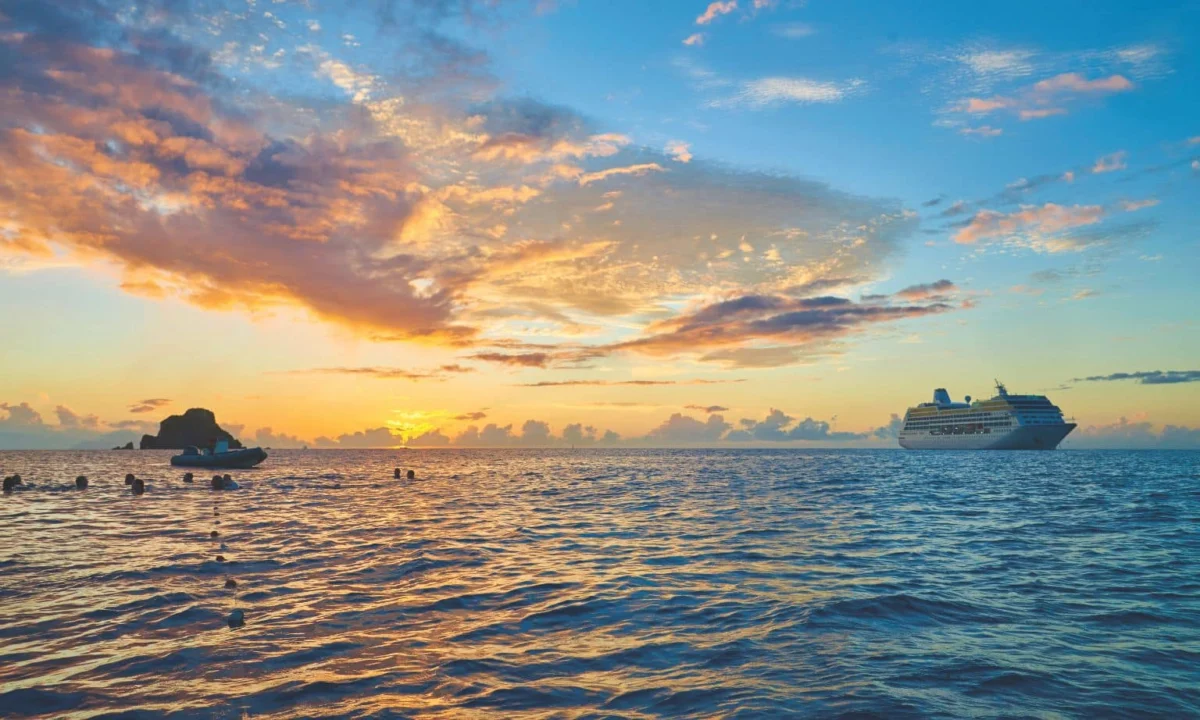
The discussions at Seatrade Global also drew parallels with successful destination development strategies. The case of French Polynesia was highlighted as an exemplary model of coordinated effort and strategic execution. Over the past decade, French Polynesia has seen a remarkable increase in cruise calls, growing from approximately 500 to 1,400 annually. This growth was achieved through a focused strategy emphasizing smaller ship deployments, strong community alignment, and the delivery of high-value experiences. Cruise tourism now accounts for roughly a quarter of French Polynesia’s tourism economy, demonstrating the power of a clear, aligned strategy.
The Economic Significance of Cruise Tourism in Australasia
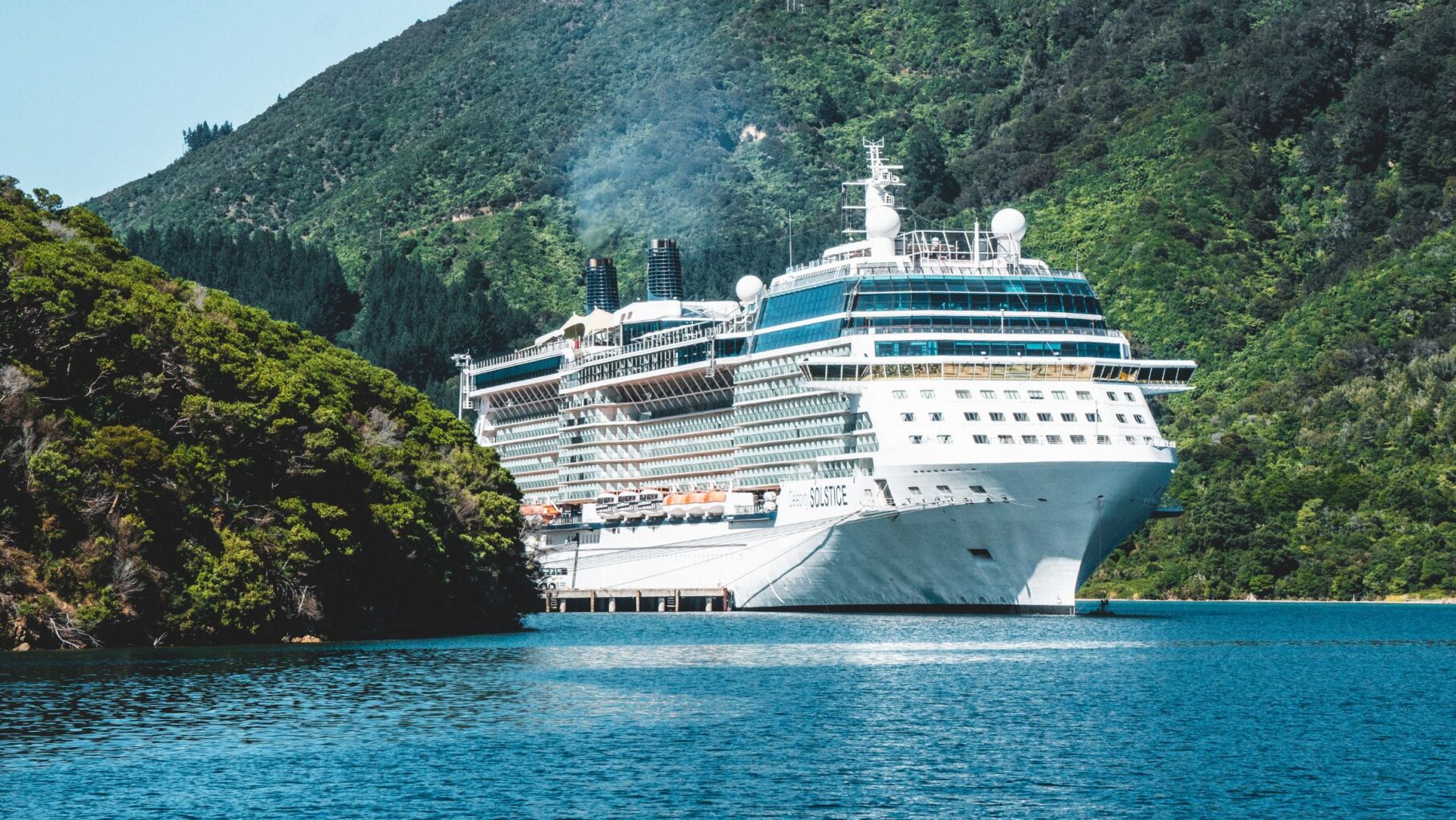
Cruise tourism is a vital economic engine for both Australia and New Zealand. For New Zealand, picturesque destinations such as the fjords are particularly attractive to major cruise lines like Norwegian Cruise Lines, Regent Seven Seas, Oceania Cruises, Royal Caribbean, and Viking. The influx of cruise passengers directly benefits local economies through passenger spending on shore excursions, dining, retail, and transportation.
For Australia, the economic impact is even more substantial. The AUD $7.32 billion generated in 2024/25 underscores the sector’s importance in supporting employment and businesses across a wide range of industries, from hospitality and retail to transport and logistics. The decline in cruise calls represents a direct loss of economic activity and job opportunities, making the recent efforts at Seatrade Global all the more critical.
Moving Forward: Sustaining Momentum and Driving Growth
The outcomes from Seatrade Global suggest a renewed sense of optimism and a clear path forward for the Australasian cruise industry. The renewed MOU between the Australian and New Zealand Cruise Associations signifies a commitment to a sustained, collaborative approach. This regional synergy is crucial in navigating the competitive global cruise landscape and ensuring that both nations can capitalize on the projected growth in passenger numbers and new ship deployments.
The active involvement of government ministers, alongside industry stakeholders, sends a powerful message to cruise lines. It signals a commitment to creating a more favorable and competitive operating environment. By addressing concerns related to costs and regulations, and by presenting a united, attractive regional proposition, Australia and New Zealand are positioning themselves to reclaim their significant share of the global cruise market and foster long-term growth for this vital tourism sector. The groundwork laid in Miami is expected to translate into tangible increases in cruise ship calls and economic benefits in the coming years.



 Anjar Salim
 Tatiana Tantri Indah Sari
 Budi Mulyono
 Lukman Taruna Persada Ramadan
