
 Budi Mulyono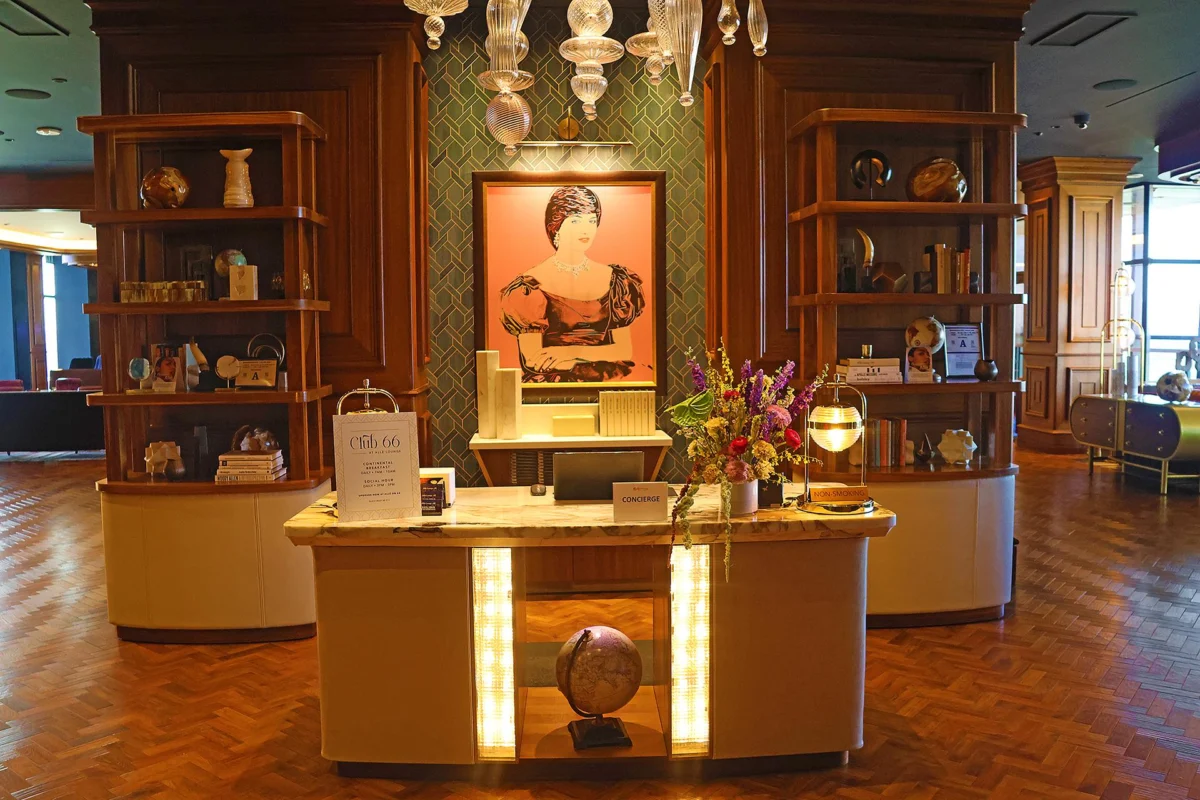
The landscape of high-tier hospitality loyalty programs is facing renewed scrutiny following reports of benefit restrictions at one of Hilton’s flagship luxury properties. On Wednesday, April 22, 2026, a guest holding the newly established Hilton Honors Diamond Reserve elite status reported a restrictive "either-or" policy regarding benefits at the Conrad Las Vegas at Resorts World. The incident has sparked a broader discussion within the travel industry regarding the consistency of Hilton’s global policies and whether the "unbundling" of elite perks is becoming a standard practice for the brand’s most prestigious properties.
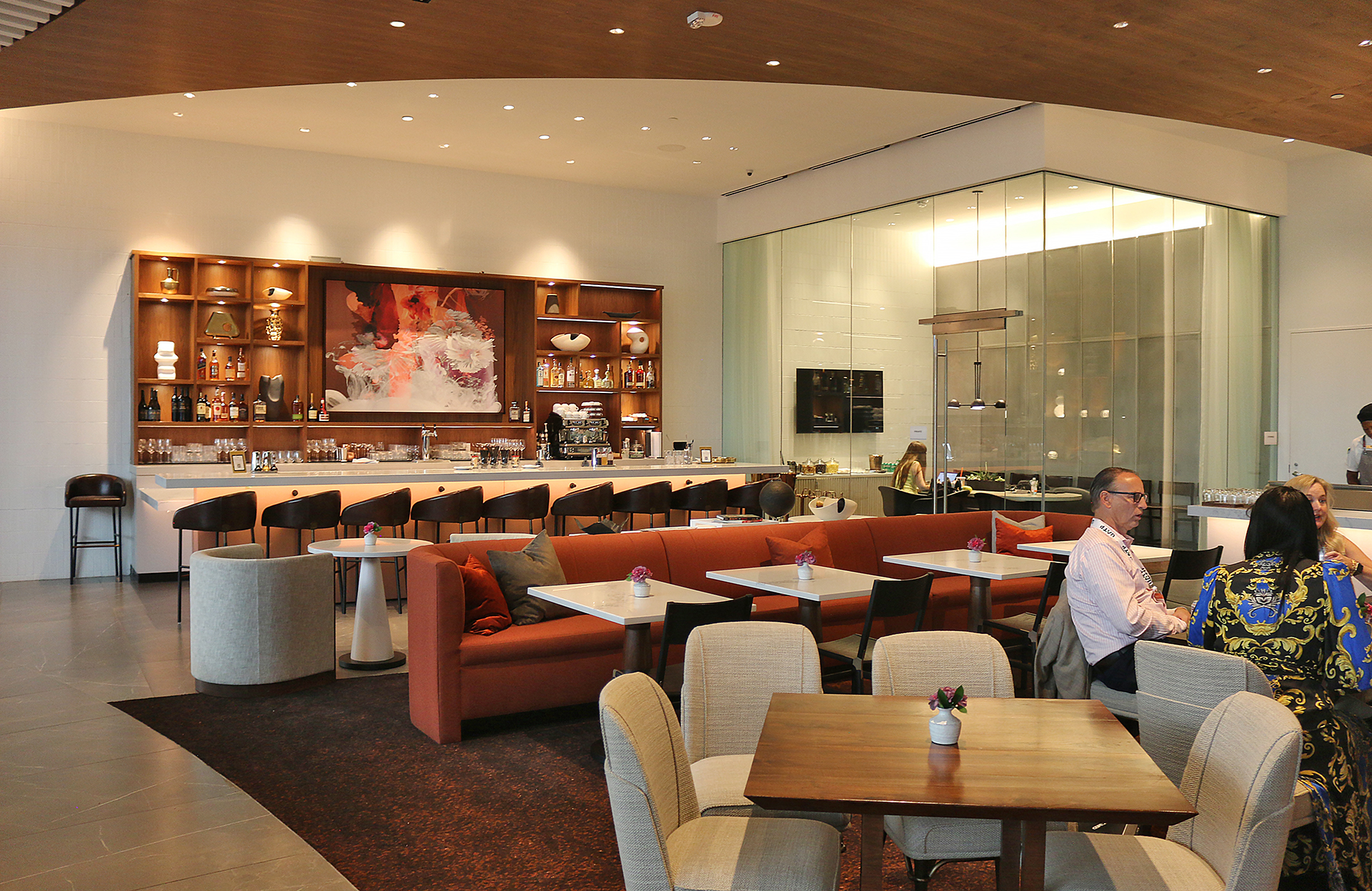
The Diamond Reserve status, which was introduced to bridge the gap between the standard Diamond tier and the invite-only tiers, was designed to offer the most frequent travelers a guaranteed set of luxury experiences. However, the experience at the Conrad Las Vegas suggests that even at this elevated level, benefits may not be additive. Upon check-in, the guest was initially granted the standard food and beverage credit of $25.00 per person, per day. When the guest inquired about access to the exclusive Club 66 VIP Lounge—a perk typically associated with the Diamond Reserve tier—the front desk staff indicated that the guest must choose between the daily dining credit or access to the premium lounge.
The Evolution of the Hilton Honors Benefit Structure
To understand the implications of this incident, it is necessary to examine the trajectory of Hilton Honors’ benefit delivery over the past several years. In July 2021, Hilton made a significant shift in its policy for Gold and Diamond members at properties within the United States. The brand replaced the traditional complimentary continental breakfast with a daily Food & Beverage (F&B) credit. While marketed as a move toward "flexibility," allowing guests to use the credit for lunch, dinner, or bar service, many loyalists viewed the change as a cost-cutting measure, as the credit often failed to cover the full cost of a standard hotel breakfast.
The introduction of the Diamond Reserve tier in the mid-2020s was intended to restore a sense of "true" elite status by offering more concrete guarantees, such as confirmed suite upgrades and access to "Premium Clubs"—a category distinct from the standard Executive Lounges found at many Hilton and DoubleTree properties. Premium Clubs, such as Club 66 at Resorts World Las Vegas, are positioned as ultra-exclusive environments with high-end culinary offerings and personalized concierge services.
The Conrad Las Vegas Incident: A Chronology
The specific incident at the Conrad Las Vegas highlights a potential disconnect between corporate Hilton Honors policy and individual property management. The Conrad Las Vegas is part of the massive Resorts World complex, which also houses a Hilton-branded hotel and the ultra-luxury Crockfords Las Vegas.
The chronology of the encounter began during a mid-afternoon check-in on April 22, 2026. The guest, a Diamond Reserve member, was processed through the VIP arrival lane. The initial offering from the front desk agent included the $25 daily F&B credit, which is applicable at three specific dining establishments on the property: The Kitchen, Suns Out Buns Out, and the Conrad Lobby Bar.
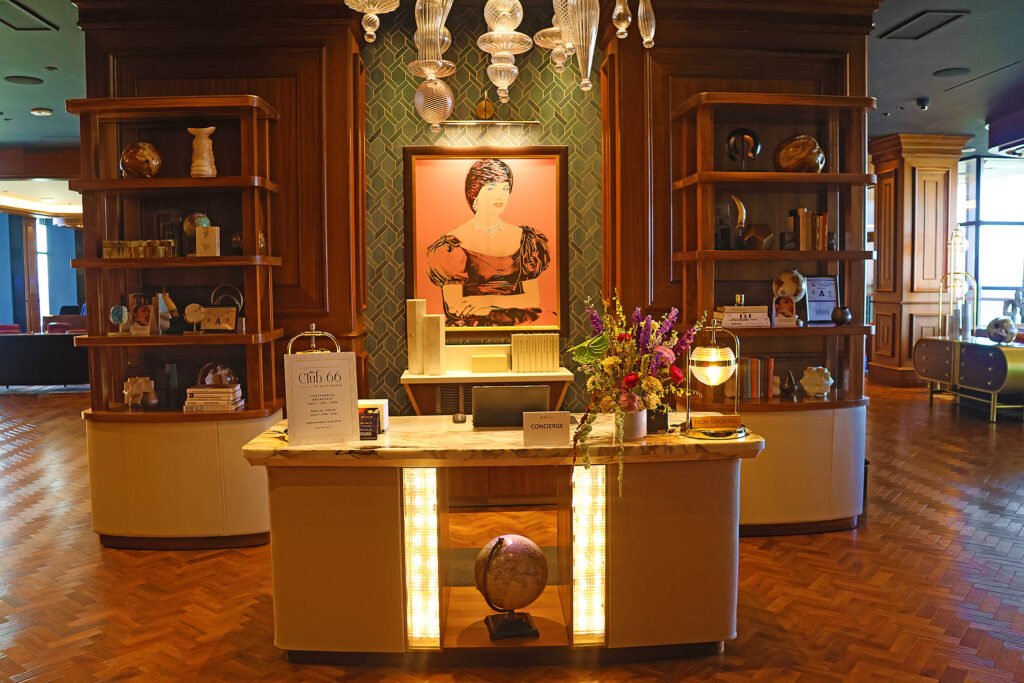
The conflict arose when the guest requested access to Club 66. The front desk agent was reportedly unfamiliar with the specific protocol for Diamond Reserve members regarding the VIP lounge and consulted with a manager. The final determination provided to the guest was that the property does not "stack" these benefits. The guest was forced to elect one of the following:
- The $25.00 per person daily food and beverage credit.
- Unlimited access to the Club 66 VIP Lounge during its operating hours.
Choosing the lounge access effectively nullified the dining credit, a move that contradicts the traditional expectation that elite benefits are cumulative rather than elective.
Analysis of Premium Clubs Worldwide
The restriction at the Conrad Las Vegas is particularly notable because it involves one of the thirteen designated "Premium Clubs" within the Hilton global portfolio. These clubs are located in high-traffic or high-luxury markets and are often exempt from standard lounge access rules. The list of territories featuring these exclusive clubs includes:
- Europe and the Middle East: Egypt, Italy, Jordan, Qatar, and the United Arab Emirates.
- North America: Mexico and several states in the U.S., including Arizona, California, the District of Columbia, Georgia, Nevada, and Ohio.
In many international markets, particularly in the Middle East and Asia, Hilton properties are known for their generous application of elite benefits, often providing both lounge access and a full restaurant breakfast to Diamond members. The "choice" model observed in Las Vegas may signal a localized trend in the United States, where high operating costs and resort-style management structures lead properties to limit the "stacking" of high-value perks.
Hospitality Industry Standards and "Benefit Stacking"
The concept of "benefit stacking" refers to the ability of a loyalty member to utilize all earned perks simultaneously. For a Diamond Reserve member, this would theoretically include room upgrades, late checkout, the F&B credit, and lounge access. When a property forces a choice between these, it effectively devalues the status.
Industry analysts suggest that the "either-or" policy at the Conrad Las Vegas may be a result of the specific commercial agreement between Hilton and the owners of Resorts World. Unlike many Hilton properties that are owned and operated by the brand, the Resorts World complex is a franchise-style partnership. In such environments, the property owners often seek to minimize the "burn" of loyalty points and complimentary services to protect their margins.
However, from a consumer perspective, this creates a fragmented experience. If a Diamond Reserve member receives both benefits at a Conrad in Tokyo or Dubai but must choose one in Las Vegas, the brand’s global promise of consistency is undermined.
Official Responses and Potential Policy Clarification
While Hilton corporate has not issued a formal statement regarding the specific incident at Conrad Las Vegas, the "Diamond Reserve" program’s terms and conditions generally state that benefits are "subject to availability and property-specific limitations." However, the lack of clarity at the front desk level—where an agent had to seek managerial approval—suggests that the policy may be an internal property rule rather than a transparent, brand-wide mandate.
Travel advocates and loyalty experts have reacted to the news with concern. Many argue that the Diamond Reserve tier was marketed as a premium product for Hilton’s most valuable customers. Forcing these customers to choose between a $25 credit and lounge access is seen by some as "penny-wise and pound-foolish," potentially alienating high-spend travelers who may shift their loyalty to competitors like Marriott Bonvoy or World of Hyatt, both of which have robust (though also occasionally complex) lounge and breakfast policies.
The Broader Impact on Future Loyalty Programs
This incident serves as a bellwether for the future of the Hilton Honors program. If the "choice" model is adopted by more properties with Premium Clubs, it could lead to a tiered system of benefits where the value of the status depends entirely on the geography of the stay.
For travelers, this necessitates a more rigorous pre-stay investigation. Guests can no longer assume that "Diamond Reserve" or "Diamond" status guarantees a uniform set of perks. The implications for the Hilton brand include:
- Reduced Brand Loyalty: Frequent travelers may opt for "loyalty agnosticism" if the perks of high-tier status are inconsistently applied.
- Increased Guest Friction: As seen in the Las Vegas incident, confusion at check-in creates a negative first impression for the brand’s most important guests.
- Shift in Value Proposition: If lounges are the primary draw, properties may start charging for them separately, even for elite members, further eroding the traditional loyalty model.
Conclusion and Future Outlook
The requirement for Hilton Diamond Reserve members to choose between a dining credit and Premium Club access at the Conrad Las Vegas represents a significant shift in the delivery of elite hospitality benefits. While the guest in this instance chose the lounge access, the necessity of making such a choice at all remains a point of contention for many in the travel community.
As Hilton continues to roll out the Diamond Reserve tier and manage its global portfolio of Premium Clubs, the industry will be watching closely to see if this "either-or" policy becomes an official corporate standard or remains an outlier limited to specific high-cost markets like Las Vegas. For now, Hilton Honors members are advised to contact properties directly ahead of their stay to confirm which benefits are cumulative and which are elective, ensuring that their expectations align with the reality of the property-specific policies. Further updates on Hilton’s official stance regarding this "choice" policy are expected as more Diamond Reserve members share their experiences across the global network.


 Chandra Hamzah
 Gabriela Annisa
 Tatiana Tantri Indah Sari
 Hendra Ismail
 Walid Sujud Trenggono