
 Anjar Salim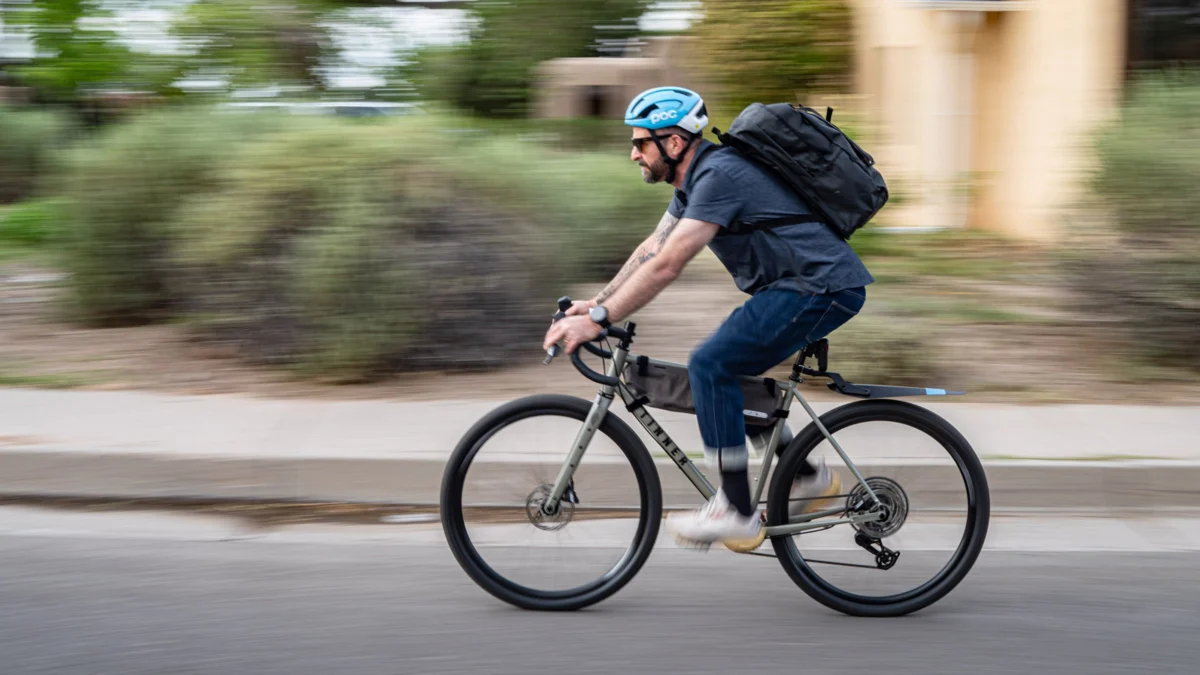
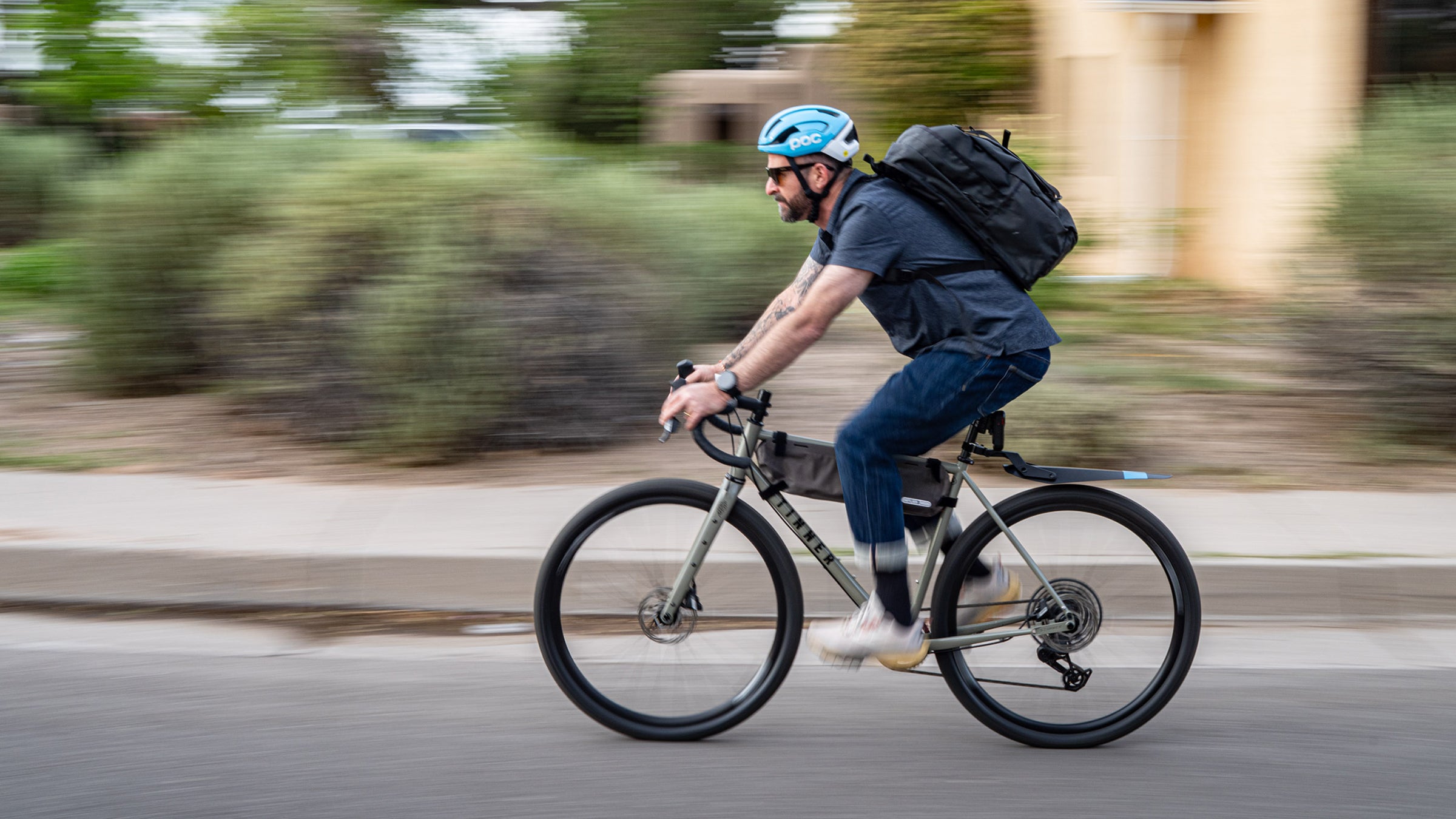
The landscape of urban transportation is undergoing a fundamental shift as of April 2026, with a record number of professionals abandoning traditional automotive commutes in favor of bicycle transit. As metropolitan areas continue to prioritize "Vision Zero" safety initiatives and expand dedicated cycling infrastructure, the transition from four wheels to two has moved from a niche lifestyle choice to a mainstream economic and environmental strategy. However, the transition to consistent bike commuting requires a sophisticated approach to equipment, balancing the technical demands of physical exertion with the aesthetic requirements of a professional office environment.
The Evolution of Urban Mobility: A 2020–2026 Chronology
The surge in bike commuting observed in 2026 is the result of a multi-year trajectory that began during the global shifts of 2020. According to the 2025 Urban Mobility Report, cycling participation in major North American hubs has increased by 42% over the last six years. This growth is categorized by several key milestones:
- 2020–2022: The "Bike Boom" initiated by a desire for socially distanced transit led to a massive influx of entry-level cyclists and a subsequent shortage of global bicycle inventory.
- 2023–2024: Municipalities accelerated the construction of protected bike lanes, recognizing cycling as a primary solution to urban congestion and carbon emission targets.
- 2025: The integration of high-capacity e-bikes and "smart" cycling infrastructure became standardized, allowing for longer commutes with less physical strain.
- 2026: Current trends show a focus on "seamless integration," where apparel and safety technology are designed to transition invisibly between the road and the boardroom.
Industry data suggests that the primary deterrent for potential commuters remains the "gear barrier"—the perceived difficulty of managing weather, sweat, and professional appearance. To address these concerns, manufacturers have developed a new generation of commuter-specific products that prioritize versatility and safety.
Technical Apparel: Bridging the Gap Between Performance and Professionalism
The modern commuter requires clothing that performs under physical stress without mirroring the aesthetic of competitive racing. The primary objective of commuter apparel is "double duty" functionality: moisture management and flexibility during the ride, followed by a polished appearance upon arrival.
Advanced Denim and Bottoms
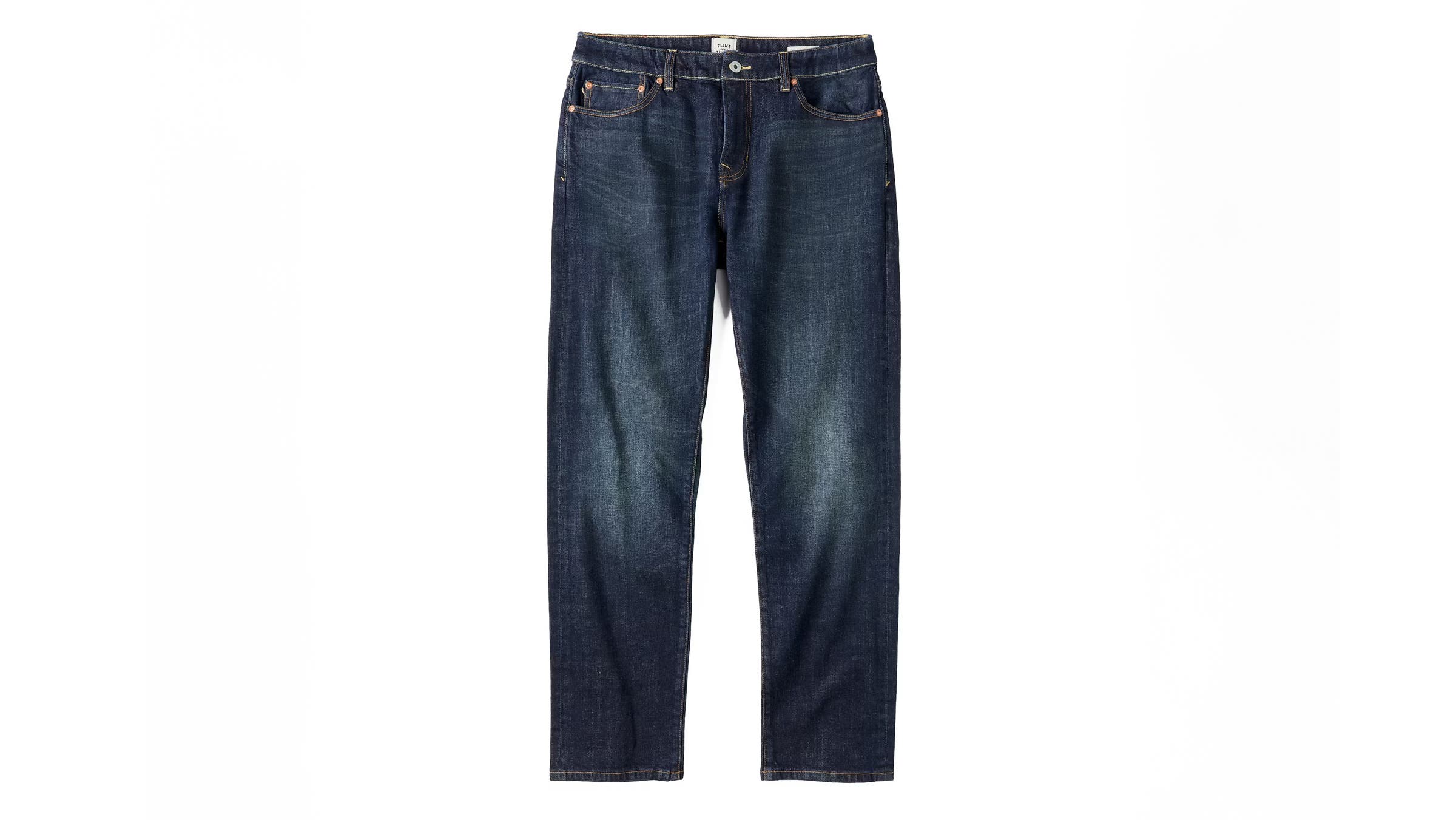
For many, the standard for commuter legwear has shifted toward stretch-integrated selvedge denim. Products like the Flint and Tinder Stretch Selvedge Denim utilize a high-quality weaving process that prevents unravelling and fraying, common issues caused by the repetitive motion of pedaling. The inclusion of elastane provides the necessary range of motion, while dark washes are strategically utilized by veteran commuters to mask road detritus and bicycle grease.
Thermal Regulation and Mid-layers
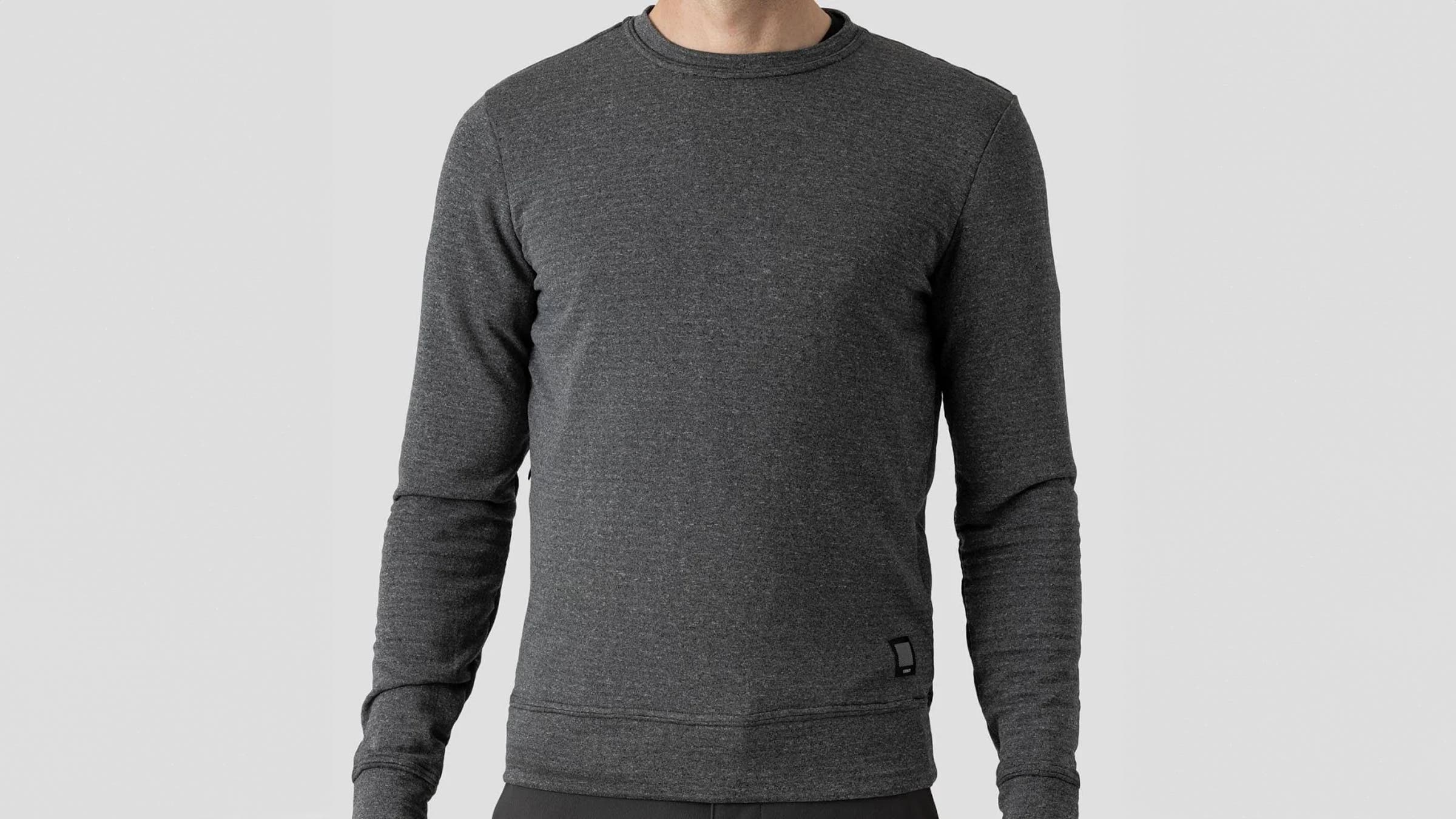
Temperature regulation is a critical factor in preventing excessive perspiration. The Ornot Merino Gravel Sweater represents a shift toward "bi-component" fabrics. By blending recycled polyester with Merino wool and spandex, the garment utilizes Polartec Merino Power Wool technology. This grid-fleece design creates air channels that facilitate heat release during high-output activity while providing insulation during stationary periods. Such garments allow commuters to arrive at their destination dry and regulated, eliminating the need for a full wardrobe change.
Moisture-Wicking Professional Shirting
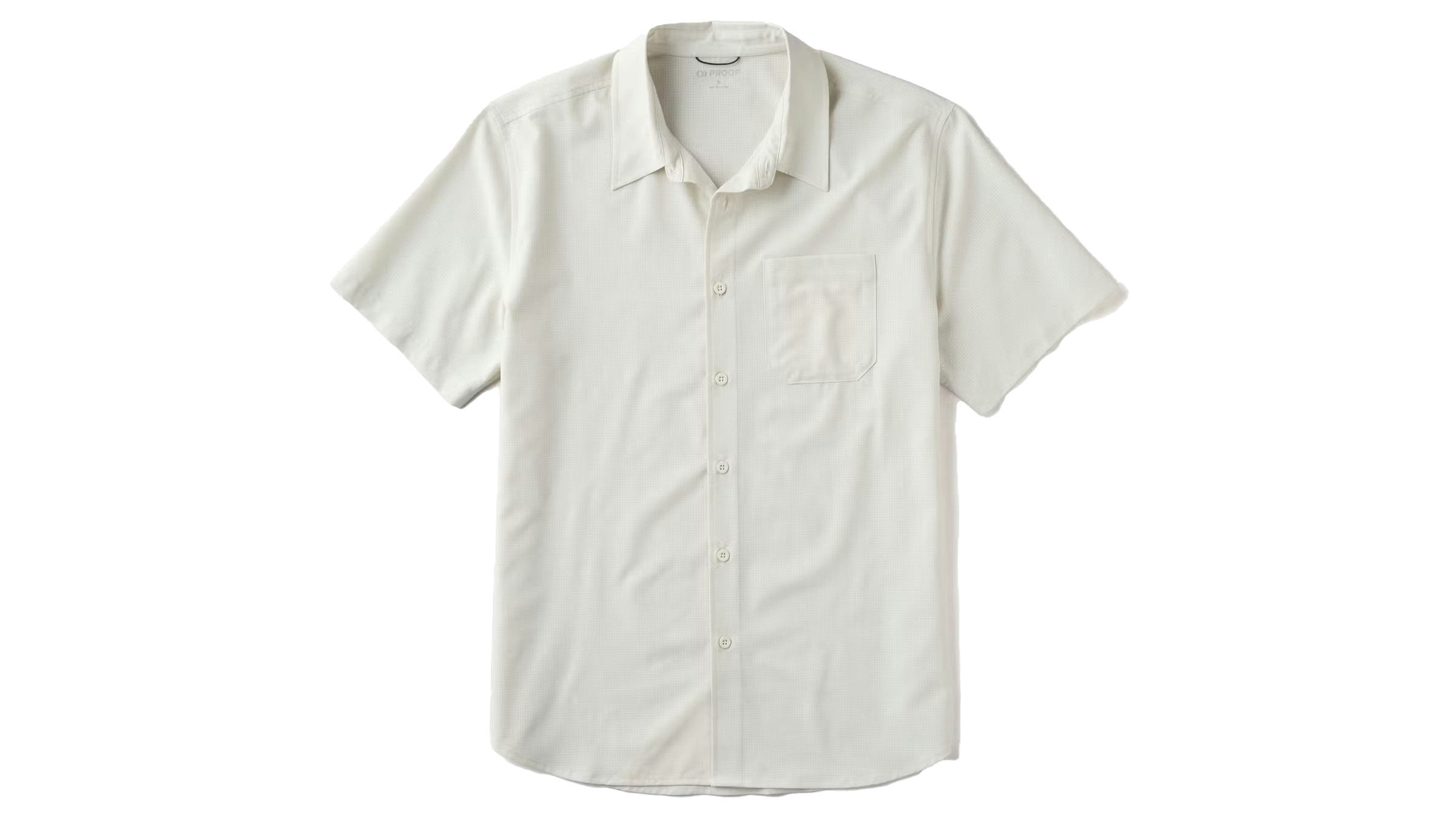
In warmer climates, the challenge of the "sweat-free" commute is addressed through perforated textiles. The Proof Airweave Performance Shirt, constructed from perforated polyester, maximizes airflow and evaporative cooling. Modern iterations of these shirts often feature anti-microbial finishes, such as silver-ion treatments, to neutralize odors. This allows for multiple wears per week, a logistical advantage for those with limited storage at their place of employment.
Optimized Undergarments
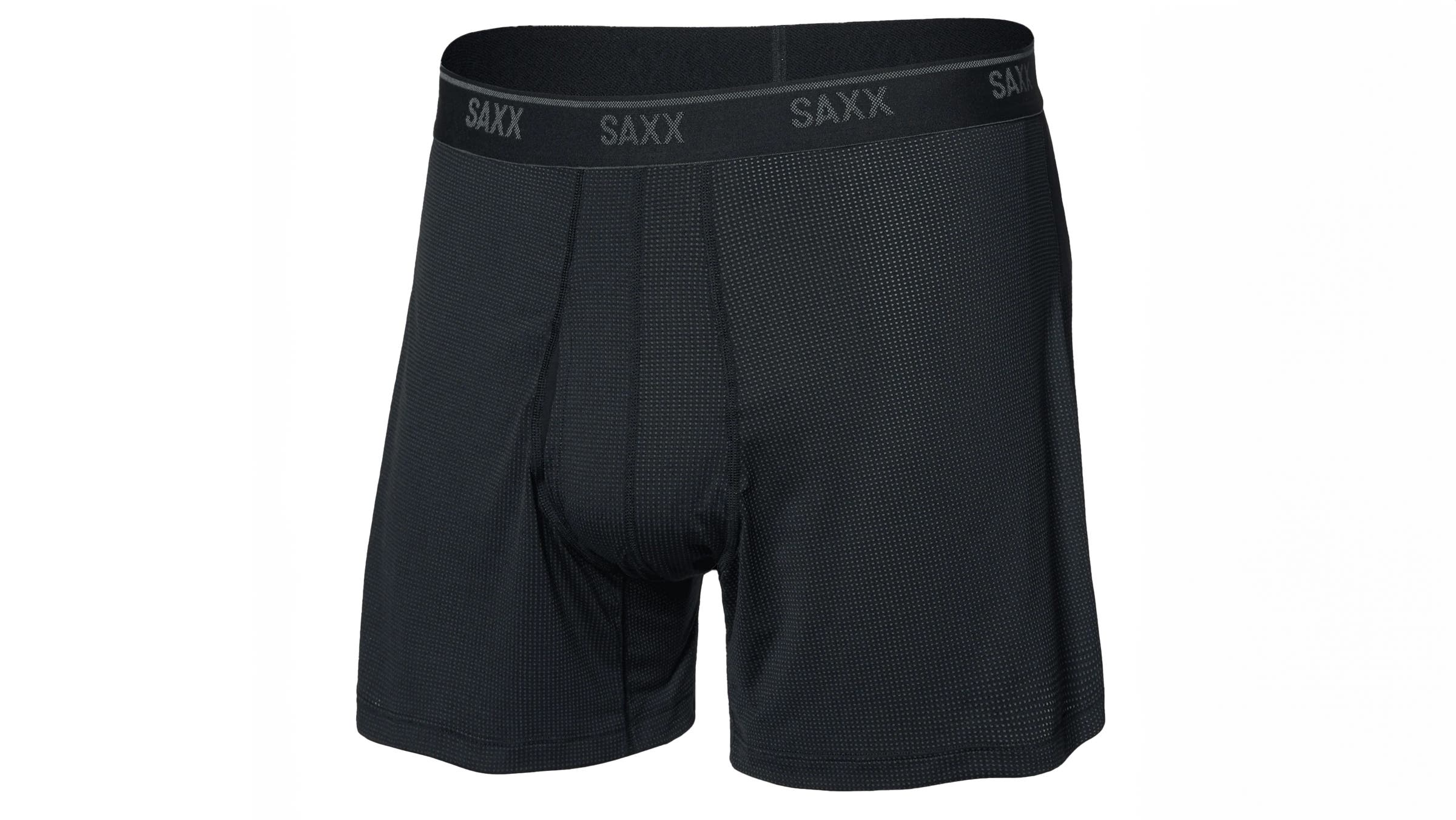
While long-distance cyclists rely on padded bibs, the 30-to-45-minute urban commute is better served by high-performance mesh underwear. The Saxx Quest Quick-Dry series utilizes perforated synthetic blends and ergonomic "pouch" designs to prevent chafing and "riding up" during the transition from the saddle to the office chair.
Safety Technology and Impact Protection
As cycling volume increases, the importance of visibility and active safety technology has become paramount. According to the National Highway Traffic Safety Administration (NHTSA), 2025 saw a 12% reduction in cyclist-vehicle incidents in cities that reported high adoption rates of "active" safety gear.
Smart Helmets
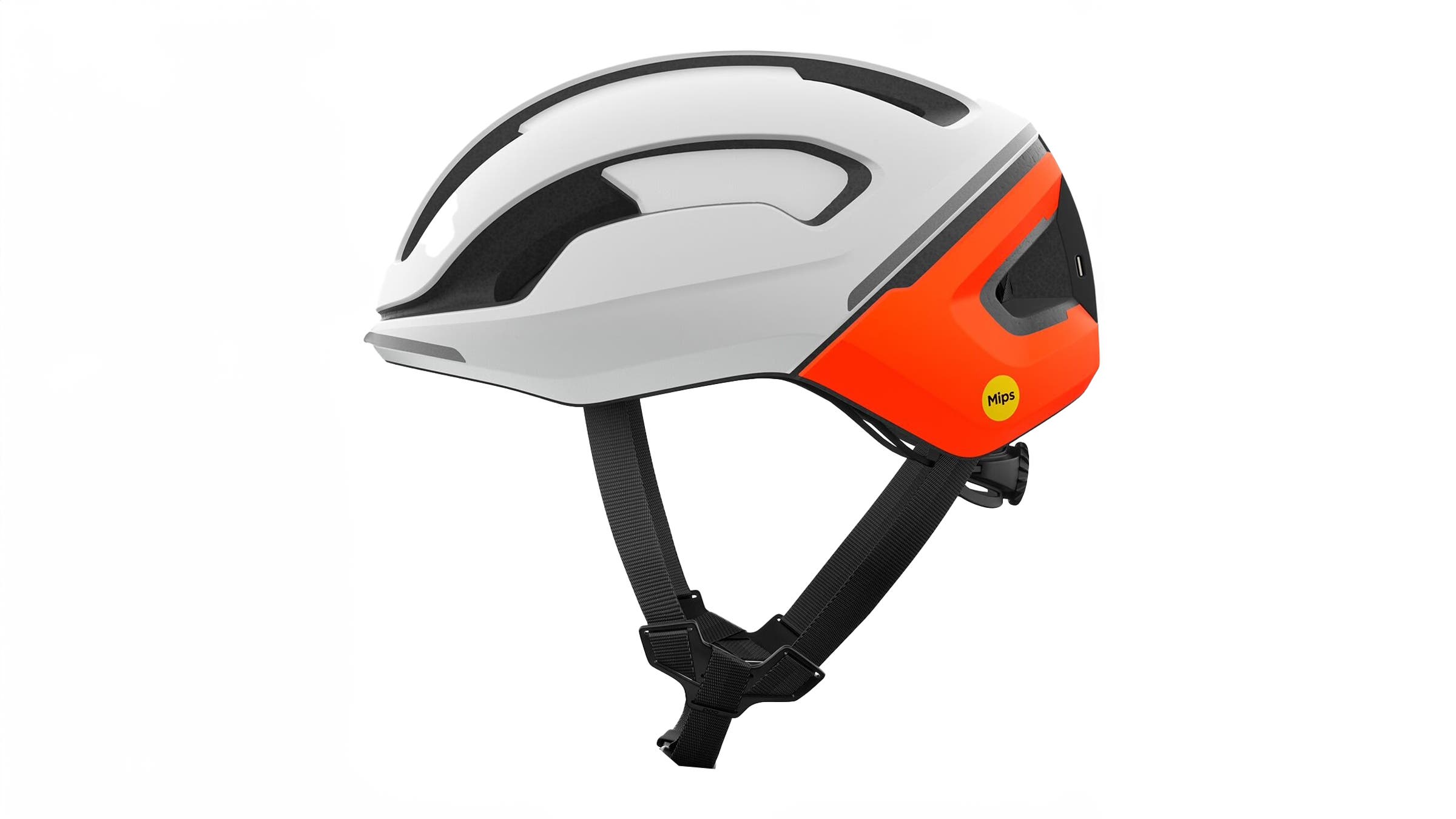
The POC Omne Beacon MIPS represents the current pinnacle of head protection. Beyond basic impact absorption, it incorporates the Multi-directional Impact Protection System (MIPS), which uses a low-friction layer to allow the helmet to slide relative to the head, reducing rotational motion transferred to the brain during angled impacts. Furthermore, the integration of built-in LED lighting ensures that visibility is not dependent on external attachments that may be forgotten or lose battery power.
Radar and Camera Integration
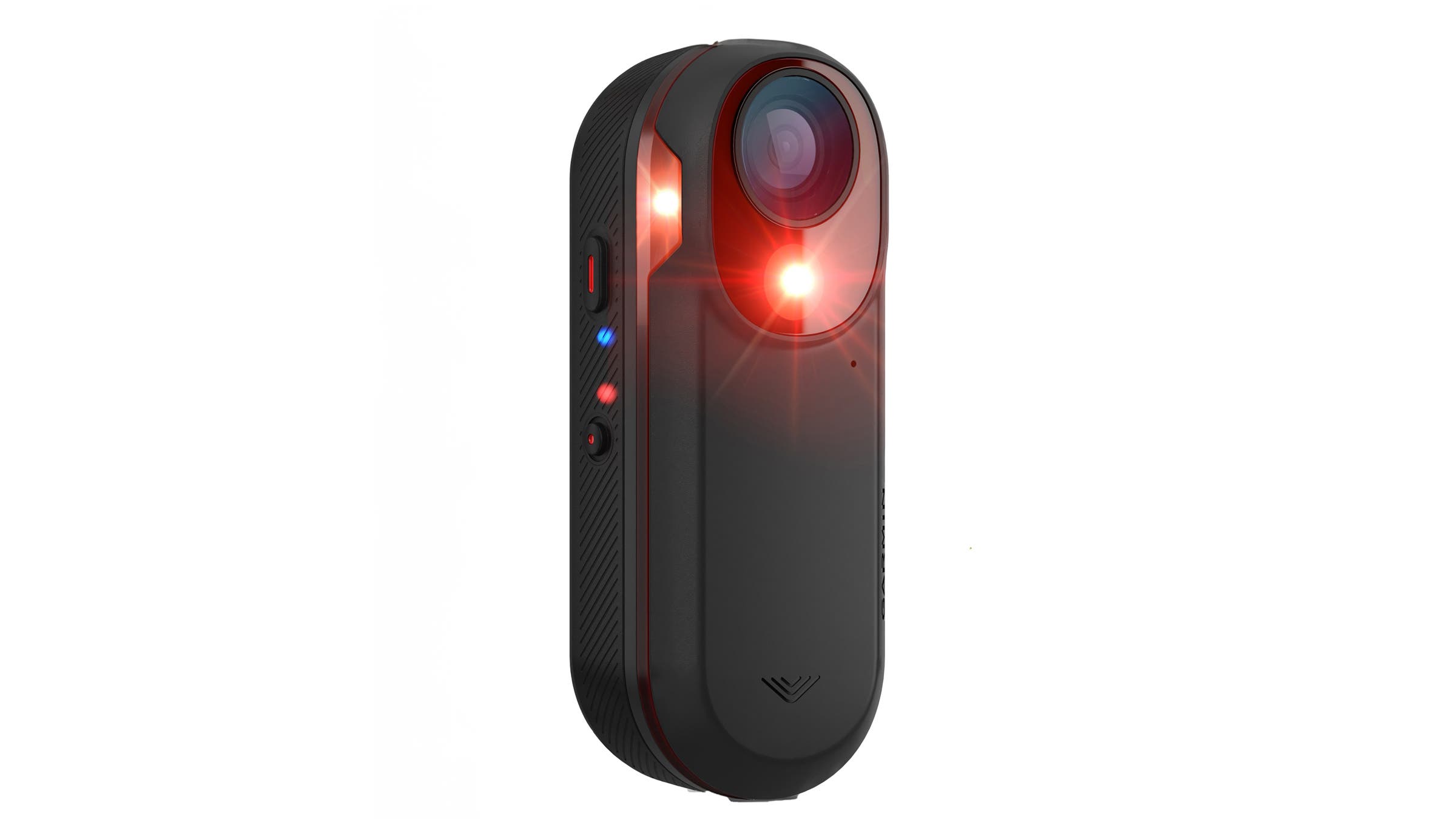
One of the most significant technological leaps in commuter safety is the Garmin Varia RCT715. This device combines a high-intensity tail light with a rear-facing radar and a continuous-loop camera. The radar detects approaching vehicles from up to 140 meters away, providing haptic or visual alerts to the cyclist via a handlebar-mounted computer or smartwatch. In the event of an incident, the integrated camera provides high-definition footage, offering crucial evidence for legal or insurance proceedings—a factor that has led to increased support from cycling advocacy groups and legal experts.
Logistical Solutions and Cargo Management
Efficiently transporting work supplies, including laptops and documents, requires specialized luggage that stabilizes the load and protects against the elements.
High-Capacity Commuter Packs
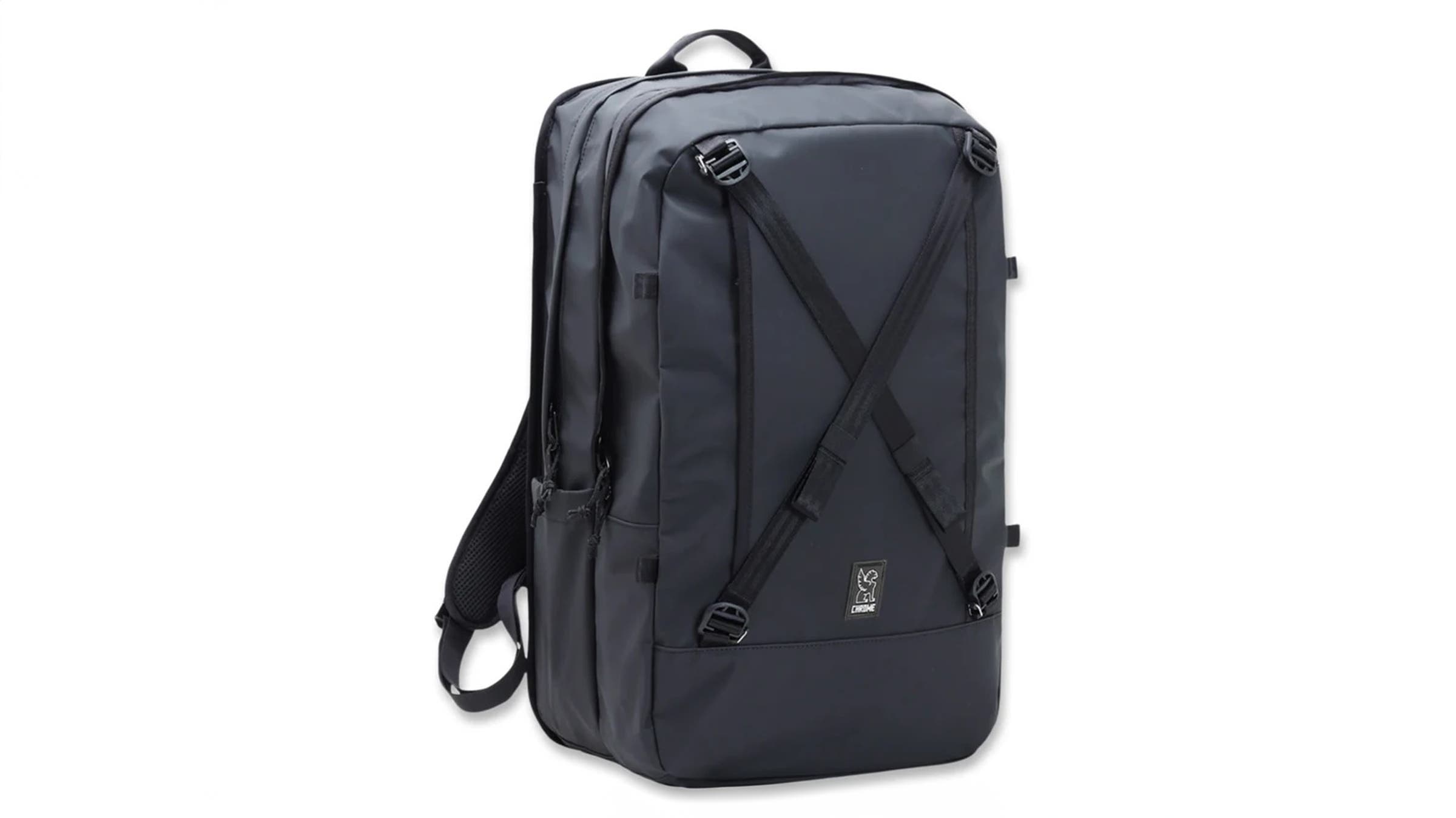
The Chrome Cohesive 2.0 (38-liter) is a primary example of a modern "utility" pack. Utilizing 500-denier TPE tarp fabric, it offers significant water resistance without the use of harmful PFAS chemicals, reflecting the 2026 industry-wide move toward environmental sustainability. Large-capacity packs are increasingly favored by commuters who wish to remain "car-free" even when tasked with hauling larger items or groceries.
Frame-Mounted Storage
To improve bicycle handling, many commuters are shifting weight from their backs to the bicycle frame. The Ortlieb Frame Pack (4-liter) allows for the storage of heavy items—such as U-locks and repair kits—near the bike’s center of gravity. This lowers the rider’s center of mass, providing a more "planted" and stable feel, especially during low-speed maneuvers in traffic.
Weather Mitigation
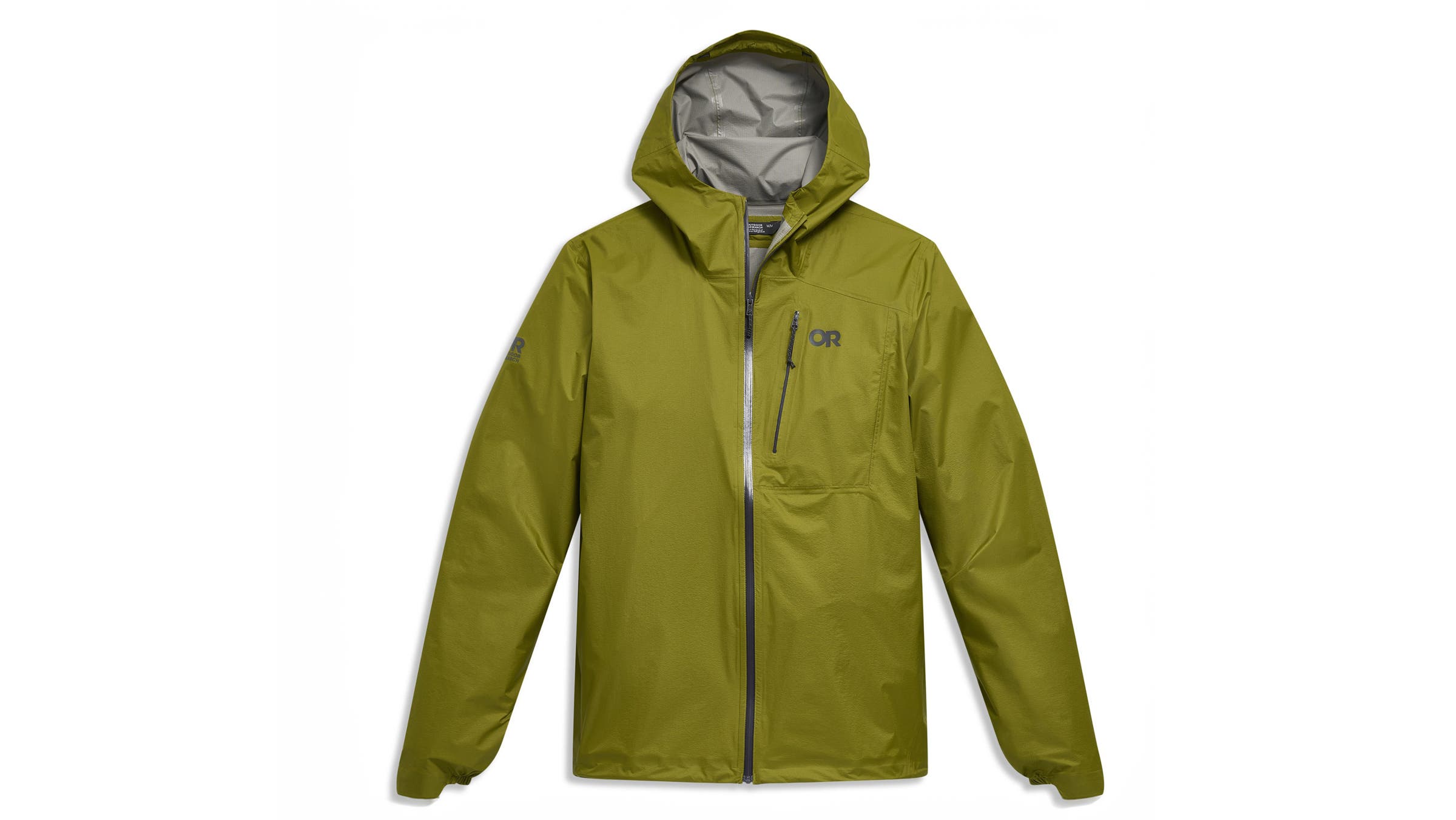
Rain and road spray are among the most cited reasons for commute cancellations. Lightweight, packable solutions like the Outdoor Research Helium UL Rain Jacket (weighing approximately 5.7 ounces) provide a "permanent" emergency layer. Additionally, snap-on fenders like the PDW Origami series have become essential for protecting professional clothing from the "skunk stripe" of road spray caused by rear tires.
Maintenance and Security: The Foundation of Reliability
A commute is only as reliable as the mechanical state of the bicycle and the security of its parking.
- Security: The Abus Ugrip Bordo 5700C utilizes a folding "brick" design, offering a compromise between the high security of a U-lock and the flexibility of a chain. Combination-based locks are increasingly popular among commuters to eliminate the risk of lost keys during the workday.
- Roadside Repair: The 2026 repair kit has evolved beyond the manual pump. Portable, battery-powered inflators, such as the Silca Elettrico, allow for near-instantaneous tire pressure adjustments, reducing the time a commuter spends on the side of the road and ensuring they remain punctual for professional engagements.
Economic and Health Implications: A Fact-Based Analysis
The shift toward the "gear-dialed" commute carries documented benefits across multiple sectors. A 2025 study by the Institute for Transportation and Development Policy (ITDP) found that:
- Economic Savings: The average commuter saves approximately $4,500 annually by substituting 60% of their car trips with bike transit, accounting for fuel, insurance, maintenance, and parking fees.
- Corporate Wellness: Employees who bike to work report a 15% increase in productivity and a 27% reduction in sick days. The aerobic activity associated with commuting helps regulate cortisol levels, leading to better focus during morning meetings.
- Environmental Impact: Shifting a 10-mile daily commute from a standard internal combustion engine vehicle to a bicycle reduces an individual’s annual CO2 footprint by approximately 1.5 tons.
Conclusion
The transition to bike commuting in 2026 is no longer a matter of "roughing it." Through the strategic selection of technical apparel, active safety electronics, and efficient cargo solutions, the modern professional can navigate the urban environment with the same level of reliability and polish as a traditional motorist. As infrastructure continues to catch up with demand, the "gear-dialed" cyclist stands at the forefront of a more sustainable and efficient era of urban mobility.




 Chandra Hamzah
 Tatiana Tantri Indah Sari
 Budi Mulyono

