Tatiana Tantri Indah Sari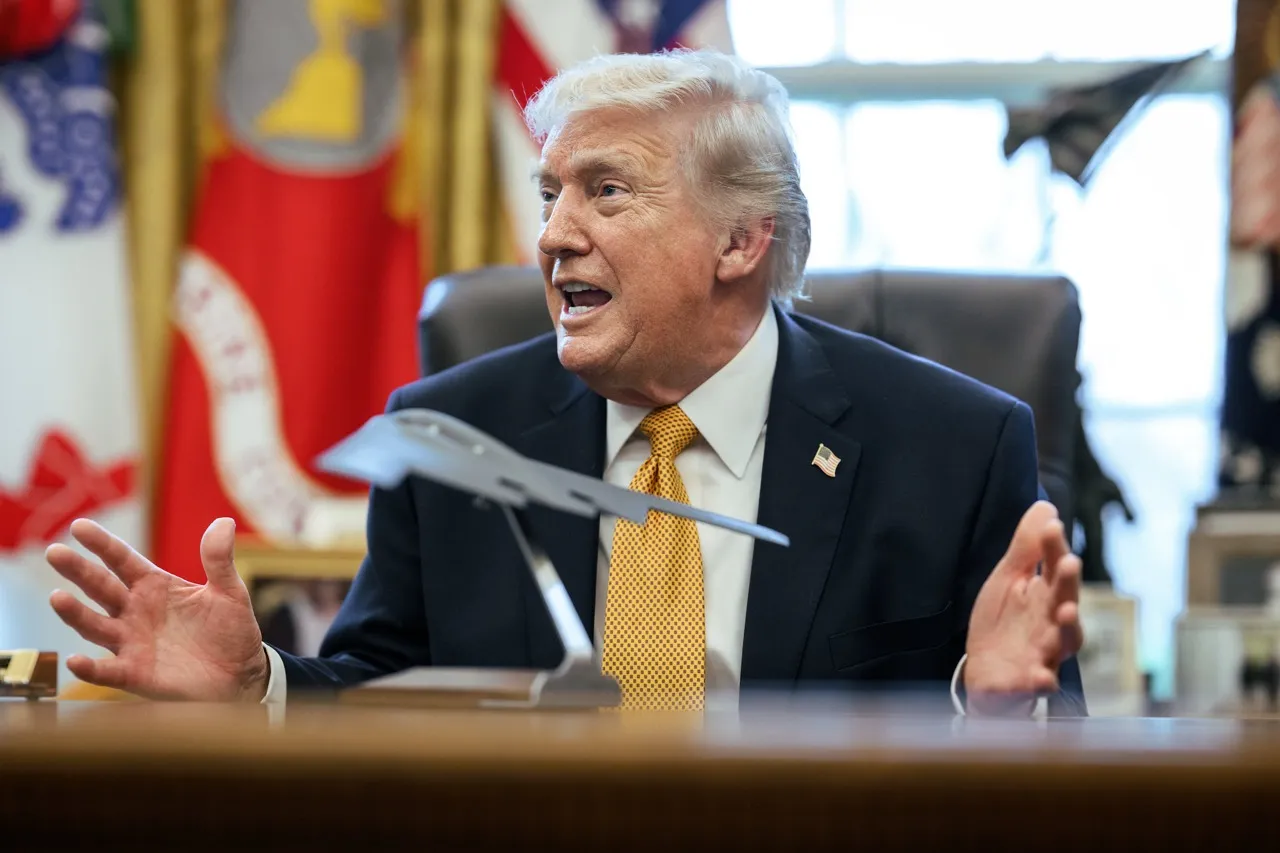
President Donald Trump stated on Thursday his interest in the U.S. government purchasing Spirit Airlines, an ultra-low-cost carrier currently embroiled in negotiations with the White House to secure a bailout and avert liquidation. The President articulated a vision wherein the government would acquire the airline, hold it, and subsequently sell it for a profit once global oil prices decline, thereby mitigating one of the airline industry’s most significant operational costs. This proposal surfaced as the terms of a potential financial rescue package for Spirit were being finalized, injecting a new and unconventional dimension into the discussions surrounding the carrier’s future.
The President’s Rationale and Vision
Speaking from the Oval Office, President Trump remarked, "We’re thinking about it… helping them out, meaning bailing them out or buying them. I think we just buy it." He elaborated on the economic rationale behind such a move, asserting that the U.S. could acquire Spirit "virtually debt free," especially if the transaction were to occur within the context of the carrier’s reported financial distress, which the President linked to its struggles to exit a "second Chapter 11 bankruptcy." This reference to a "second Chapter 11" highlights the severity of the financial difficulties that have plagued Spirit, making it challenging for the company to maintain solvency amidst volatile market conditions. Trump’s strategy hinges on the cyclical nature of commodity markets, specifically oil. High fuel prices, which Spirit has consistently cited as its second-largest expense, have profoundly impacted the airline’s profitability and operational viability. The President posited that once these prices inevitably fall, the government could divest its ownership stake in Spirit, securing a substantial profit for American taxpayers. He noted that Spirit possesses "some good aircraft, some good assets," suggesting a valuable underlying enterprise despite its current financial woes.
Spirit Airlines: A Carrier in Crisis
Spirit Airlines operates on an ultra-low-cost carrier (ULCC) model, a business strategy characterized by unbundled fares, high-density seating configurations, and an emphasis on ancillary revenue streams such as baggage fees and seat selection charges. This model allows Spirit to offer highly competitive base fares, attracting price-sensitive travelers. However, the ULCC model is particularly susceptible to external economic shocks, especially fluctuations in fuel costs, as their operational efficiency often leaves little margin for error. The airline’s fleet primarily consists of Airbus A320 family aircraft, known for their fuel efficiency in their class, yet even modern aircraft technology cannot entirely insulate an airline from sustained periods of high jet fuel prices. The financial pressures on Spirit have been mounting, leading to the current negotiations for a bailout. While the specifics of Spirit’s "second Chapter 11 bankruptcy" as referenced by President Trump are part of the unfolding narrative provided, it underscores the profound financial instability that has driven the airline to seek federal assistance. Airlines in such dire straits often face immense pressure from creditors, lessors, and labor unions, making a swift and decisive resolution critical to their survival.
The Bailout Negotiations Context
The President’s proposal for outright acquisition emerges against the backdrop of ongoing, intensive negotiations between Spirit Airlines and the White House for a bailout package. Typically, government bailouts for private companies involve loans, loan guarantees, or equity stakes designed to provide liquidity and prevent collapse, rather than direct nationalization. These discussions are likely focused on structuring a deal that provides Spirit with the necessary capital injection to continue operations, protect jobs, and ensure essential air travel services remain available. The precise terms of these bailout talks, including the amount of financial assistance and the conditions attached, have not been publicly disclosed. However, the fact that such negotiations are taking place indicates the perceived systemic importance of Spirit Airlines, or at least the significant economic and employment impact its liquidation would entail. The distinction between a bailout, which aims to stabilize a private entity, and an acquisition, which transforms it into a state-owned enterprise, is crucial and represents a significant shift in potential federal intervention.
Historical Precedents of Government Intervention
Government intervention in the U.S. airline industry is not without precedent, though direct nationalization of a major carrier is exceptionally rare in modern history. The federal government has historically provided significant financial assistance to airlines during times of national crisis. Following the September 11, 2001, terrorist attacks, the Air Transportation Safety and System Stabilization Act provided $5 billion in direct compensation and $10 billion in loan guarantees to U.S. airlines to prevent widespread bankruptcies. More recently, during the COVID-19 pandemic, the CARES Act included a massive $54 billion relief package for the airline industry, comprising grants for payroll support and low-interest loans, designed to preserve jobs and maintain connectivity. These interventions were generally aimed at maintaining a viable private aviation sector, rather than assuming direct operational control. The concept of state-owned airlines is more common in other parts of the world, where flag carriers are often government-owned or heavily subsidized, serving strategic national interests alongside commercial objectives. President Trump’s proposal, if pursued, would represent a departure from the conventional U.S. approach to managing financially distressed private enterprises.
Industry and Expert Reactions
The President’s suggestion is likely to elicit a range of reactions from industry stakeholders, financial analysts, and policymakers. Airline industry executives would likely view direct government ownership with skepticism, fearing market distortion, unfair competition, and the potential for politicization of operational decisions. Financial analysts would scrutinize the valuation aspects, questioning the feasibility of acquiring a distressed asset "virtually debt free" and the certainty of future oil price declines guaranteeing a profit. Such an acquisition would raise complex questions about the government’s role in the market, potentially setting a precedent for intervention in other struggling sectors. Economists would debate the efficiency of government-run enterprises compared to private entities, often citing historical examples of state-owned companies struggling with innovation and responsiveness to market demands. Labor unions, while potentially reassured by the immediate job security offered by a government takeover, might also harbor concerns about long-term pay scales, benefits, and the impact on collective bargaining agreements. The broader aviation community would closely monitor any move, understanding that a government-owned Spirit could fundamentally alter the competitive landscape.
Political and Economic Feasibility
Implementing President Trump’s proposal would involve navigating significant political and economic hurdles. Congressional approval would likely be required for such a substantial expenditure of taxpayer funds and a fundamental shift in economic policy. The debate would undoubtedly be bipartisan, with arguments centering on fiscal responsibility, the principles of free markets, and the appropriate scope of government involvement in private industry. From an economic standpoint, the mechanics of acquiring an airline in distress, especially one negotiating a bailout, are complex. The "virtually debt-free" acquisition would likely imply a deep restructuring within bankruptcy proceedings, potentially wiping out existing shareholders and junior creditors. Managing a commercial airline, with its intricate operational demands, dynamic pricing strategies, and intense competition, is also not typically a core competency of government agencies. Furthermore, the timing and profitability of selling the airline would be subject to the unpredictable fluctuations of the global oil market and the broader economic climate, making the "profit" aspect far from guaranteed.
The Role of Oil Prices
The President’s emphasis on oil prices as the linchpin of his proposed strategy highlights their critical role in airline economics. Jet fuel typically accounts for 25-35% of an airline’s operating costs, making it the most volatile and often second-largest expense after labor. Global oil markets are influenced by a myriad of factors, including geopolitical events, supply and demand dynamics, O.P.E.C. decisions, and speculative trading. While oil prices are cyclical, predicting their exact trajectory and timing a profitable exit for an airline acquisition would be an extremely high-stakes gamble. Airlines employ various strategies to mitigate fuel price volatility, such as hedging contracts, but sustained periods of high prices, as Spirit has reportedly experienced, can overwhelm even the most robust risk management plans. The proposed strategy assumes a predictable and favorable downturn in oil prices, allowing the government to act as a savvy investor, a scenario fraught with inherent risks and uncertainties.
Uncertain Future for Spirit
As discussions continue, Spirit Airlines faces an uncertain future. The immediate priority remains securing a financial lifeline, whether through a traditional bailout package or the more radical proposal of government acquisition. The outcome will not only determine the fate of Spirit’s employees, its routes, and its market presence but also potentially set a precedent for future government intervention in economically distressed sectors. President Trump’s suggestion introduces a layer of complexity and speculation into what were already high-stakes negotiations. The coming weeks will likely reveal the direction of these talks and whether the U.S. government will merely provide assistance to Spirit or embark on a path toward becoming an airline owner, a decision with profound implications for the airline industry and the American economy.

 Chandra Hamzah
 Gabriela Annisa
 Budi Mulyono
 Anjar Salim