
 Susilo Edi Turonggo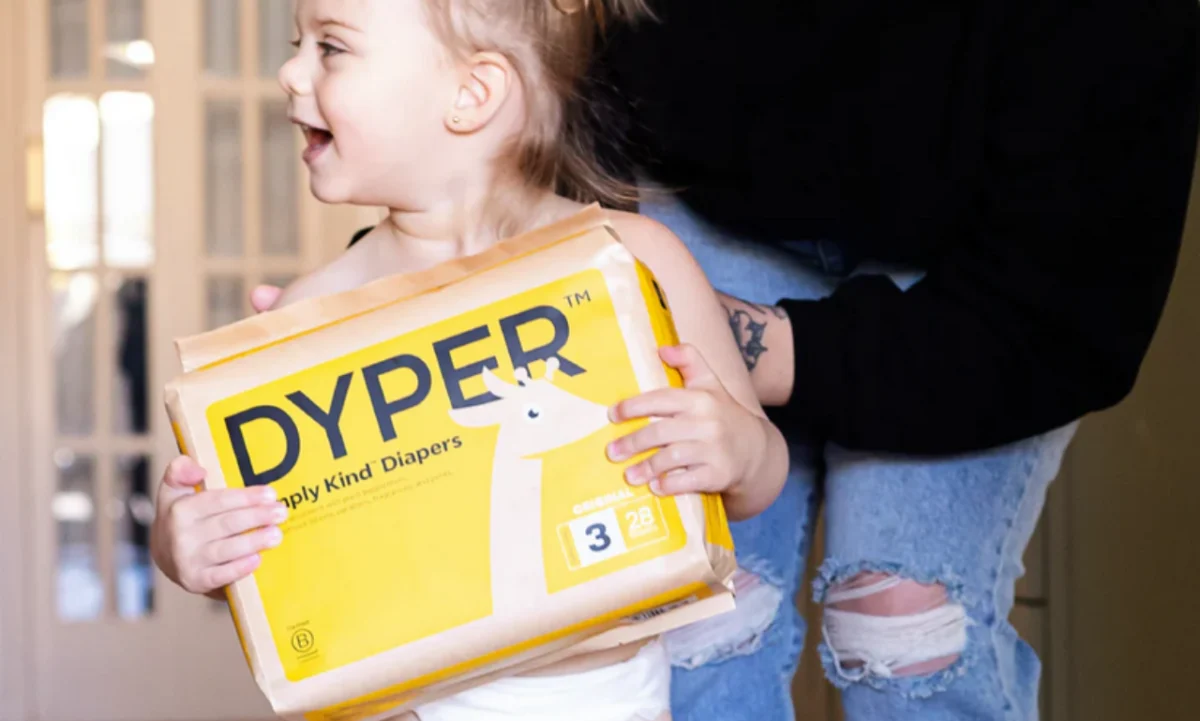
The sheer volume of waste generated by infants presents a formidable environmental challenge, often overlooked in the daily routines of parenthood. Each baby, on average, utilizes approximately 6,000 diapers within their first two years of life, contributing significantly to landfill burdens globally. While reusable cloth diapers are frequently touted as an eco-conscious alternative, their intensive washing requirements and logistical complexities often render them impractical for many busy parents navigating modern lifestyles. This pervasive reliance on single-use disposable diapers extends beyond mere waste management, encompassing critical public health concerns due to their chemical composition.
Traditional disposable diapers, ubiquitous in households worldwide, are not merely a convenience item but a complex product whose constituent materials raise significant questions. From the petroleum-derived plastics forming their outer layers to the various chemicals employed for absorbency, scent, and bleaching, every component warrants scrutiny. The inclusion of fragrances, in particular, often mystifies consumers, as these additives serve no functional purpose beyond masking odors and frequently contain phthalates, known endocrine disruptors. These chemical constituents, alarmingly, have been linked to a spectrum of adverse health outcomes, including endocrine and reproductive disorders, acute skin rashes, and even the potential for testicular cancer later in life. The alarming aspect of this situation is the minimal regulatory oversight: the Consumer Product Safety Commission (CPSC) mandates testing only for lead in baby diapers, leaving a vast array of potentially harmful substances—including carcinogens and endocrine-disrupting chemicals—unregulated and untested.
The daily ritual of disposing of these soiled diapers culminates in their collection alongside municipal trash, overflowing bins week after week, destined for landfills where they can persist for centuries. It was precisely this observation—the weekly spectacle of burgeoning bins filled with plastic diapers—that catalyzed a pivotal moment for Tony Patron, founder of REDYPER™, and his business partner. Their shared recognition of an unsustainable status quo ignited a commitment to fundamentally reimagine the diaper industry, leading to the inception of Dyper, a company dedicated to producing safe, high-performance, and non-toxic plant-based diapers.
The Genesis of a Green Diapering Solution
The journey to establish Dyper was rooted in a blend of personal experience and professional expertise. Tony Patron, a new father himself, experienced firsthand the environmental guilt associated with the ceaseless stream of disposable diapers. His background as an engineer, however, equipped him with a unique perspective and the problem-solving acumen necessary to confront this challenge head-on. Patron initially explored collaborations with existing manufacturers of compostable diapers, but ultimately, the vision for a comprehensive, truly sustainable solution led to a merger, giving birth to Dyper. The new entity was purpose-built to address the dual imperatives of creating non-toxic, biodegradable diapers that not only minimize household waste but also significantly alleviate environmental impact.
Dyper’s core mission crystallized around the principle of "plants over plastic for happy babies." This philosophy underpins every aspect of their product development, from material sourcing to manufacturing processes and end-of-life solutions. The company embarked on a rigorous path to innovate within an industry largely dominated by conventional, petroleum-based products, aiming to set new benchmarks for safety, efficacy, and environmental responsibility.
Redefining Diaper Composition: Plants Over Plastic

At the heart of Dyper’s innovation lies its unwavering commitment to plant-based materials. The company’s product team meticulously engineers diapers to ensure that nearly all components are biodegradable, a significant departure from conventional designs. While certain technological elements, such as Velcro fasteners, currently lack biodegradable alternatives, Dyper continuously seeks to integrate the most sustainable options available. The overarching goal, as articulated by Patron, is to deliver a diaper that performs on par with any other on the market in terms of absorbency, fit, and comfort, crucially without causing skin irritation—a common concern with chemically-laden diapers.
Dyper primarily utilizes rapidly renewable resources, including US-grown, FSC-certified bamboo and eucalyptus fibers. The FSC (Forest Stewardship Council) certification ensures that the wood pulp used comes from responsibly managed forests, promoting sustainable forestry practices and protecting biodiversity. Furthermore, the viscose bamboo employed in Dyper products is sourced from an Oeko-Tex certified supplier, signifying that the material has been tested for harmful substances and found to be safe for human health. This commitment to transparency is further exemplified by the brand’s practice of clearly labeling each layer of its diapers with specific component details, empowering conscious parents to make informed choices.
The brand’s dedication to environmental integrity is underscored by its product certifications. Dyper diapers are Certified USDA BioPreferred 55% Product, indicating that a significant portion of their content is derived from biological resources. Their wipes achieve an even higher standard, being a Certified USDA BioPreferred 95% Product. Beyond environmental accolades, Dyper prioritizes infant health, ensuring its diaper products meet stringent Oeko-Tex standards, which guarantee the absence of harmful substances. The company recently achieved the prestigious DermaTest 5-Star Certification, an independent dermatological testing seal that provides a robust guarantee that the diapers will not cause any skin reactions, offering peace of mind to parents concerned about sensitive skin.
Crucially, Dyper extends its commitment beyond ingredient selection by subjecting its products to rigorous testing by independent third-party laboratories. These tests verify both the non-toxic nature of the materials and their compostability, providing scientific validation for the brand’s claims and reinforcing consumer trust. The deliberate exclusion of harmful additives such as phthalates, latex, parabens, and chlorine bleaching agents, commonly found in supermarket diapers, ensures that Dyper products are inherently gentler on a baby’s delicate skin while mitigating the long-term health risks associated with these chemicals.
The REDYPER Program: Closing the Loop on Diaper Waste
Recognizing that even biodegradable diapers need a proper end-of-life solution, Dyper innovated beyond mere product design with its groundbreaking REDYPER program. This optional, subscription-based service (availability dependent on state regulations) represents a significant leap towards a circular economy model for diaper disposal. The program simplifies the process for parents: used diapers and wipes are collected, either through a weekly or biweekly pickup service in some areas, or by consumers shipping them back via provided, specially designed bags.
Upon collection, these used products are transported to Dyper’s network of regional composting facilities. Here, specialized industrial composting processes break down the plant-based materials. The composting cycle typically takes between 14 to 16 weeks, transforming the organic components into nutrient-rich soil amendments. Non-compostable elements, such as the aforementioned Velcro fasteners, are carefully separated and removed from the compost stream for appropriate disposal, ensuring the integrity of the final compost product.
The REDYPER program directly confronts one of the most significant challenges in waste management: the safe and effective composting of human biological waste. Traditional composting facilities often shy away from processing soiled diapers due to concerns about pathogens. Dyper’s partner facilities employ advanced composting technologies and strict protocols to manage this, ensuring that the composting process reaches sufficiently high temperatures for extended periods to neutralize pathogens, thereby producing a safe and usable compost. This innovative approach offers a tangible solution to the environmental burden of diaper waste, diverting it from overflowing landfills and transforming it into a valuable resource.
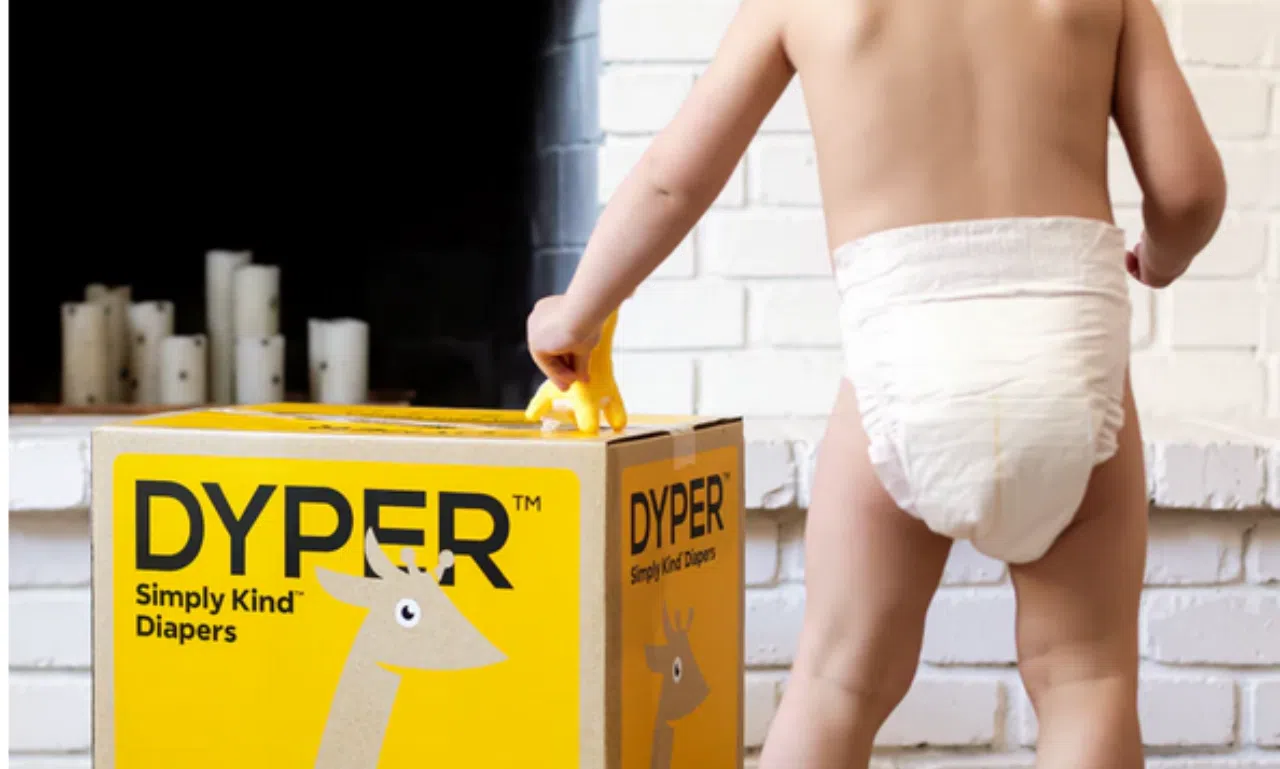
The impact of the REDYPER program has been substantial. As of its latest reporting, the initiative has successfully diverted over 14 million pounds of waste from landfills. To put this into perspective, 14 million pounds is equivalent to the weight of approximately 7,000 standard automobiles, or roughly 70 million individual diapers. This monumental achievement demonstrates the scalability and effectiveness of a dedicated composting infrastructure for baby products. This diversion not only reduces landfill volume but also prevents the release of methane, a potent greenhouse gas, that would otherwise be generated by organic matter decomposing anaerobically in landfills.
Broader Implications and the Future of Diapering
Dyper’s emergence and the success of its REDYPER program are indicative of a broader shift in consumer consciousness and industry innovation. The eco-friendly baby product market is experiencing robust growth as more parents become aware of the environmental and health implications of their purchasing decisions. This trend is pushing traditional manufacturers to re-evaluate their materials and production methods, albeit slowly.
The lack of comprehensive federal regulation for diaper ingredients remains a critical issue. Unlike food or pharmaceuticals, diapers are classified as general consumer goods, allowing manufacturers significant leeway in chemical formulations without extensive disclosure or safety testing beyond lead. Companies like Dyper, through their proactive third-party certifications and ingredient transparency, are effectively setting new industry standards and advocating for greater accountability. Their approach highlights a path forward where product safety and environmental stewardship are not optional extras but fundamental design principles.
The widespread adoption of programs like REDYPER, however, faces logistical and infrastructural challenges. The success of diaper composting relies on the availability of industrial composting facilities willing and equipped to handle the specific requirements of soiled diapers. Expanding this infrastructure and ensuring consistent service across diverse geographical regions will be crucial for scaling the impact of such initiatives. This necessitates collaboration between private companies, municipal waste management services, and potentially, government incentives for developing and operating such specialized facilities.
In conclusion, Dyper is not merely offering a product; it is championing a paradigm shift in baby care. By providing high-performing, plant-based, and non-toxic diapers, coupled with a revolutionary composting service, the company empowers parents to make choices that benefit both their children’s health and the planet. This holistic commitment to sustainability, transparency, and superior baby care signals a promising future for the diaper industry—one where convenience and environmental responsibility can coexist. The journey from overflowing bins to millions of pounds of diverted waste underscores the profound impact that innovative engineering and a clear vision for a greener future can achieve.




 Anjar Salim
 Chandra Hamzah
 Tatiana Tantri Indah Sari
 Budi Mulyono

