Diana Nuri Rohmawati
The global travel gear market, valued at approximately $15.8 billion in 2023, is projected to expand significantly as international tourism returns to pre-pandemic levels. For the modern traveler—a demographic increasingly characterized by digital nomadism and long-term "slow travel"—the selection of equipment has shifted from mere convenience to essential utility. This shift is driven by a desire for minimalism, sustainability, and technological integration. Finding the appropriate gift for this discerning group requires an understanding of the logistical challenges inherent in contemporary global transit, ranging from security concerns in shared accommodations to the necessity of maintaining productivity while mobile.

The Evolution of Travel Utility and Market Trends
The transition from heavy, structured luggage to technical, lightweight gear represents a decades-long evolution in the travel industry. In the early 2000s, travel gear was often synonymous with bulky suitcases and specialized clothing that lacked aesthetic appeal. Today, the market is dominated by "multi-use" items that serve both functional and social purposes. Data from retail analytics firms suggest that travelers are increasingly prioritizing "carry-on only" lifestyles to avoid rising checked-baggage fees and the increasing frequency of lost luggage in major aviation hubs. Consequently, gifts that maximize space and minimize weight have become the gold standard for frequent flyers.

Core Security and Connectivity Solutions
Security remains a primary concern for the budget-conscious traveler, particularly those utilizing the global hostel network, which is estimated to be worth over $5 billion. A high-quality travel lock is not merely an accessory but a fundamental requirement for securing valuables in communal environments. While many hostels offer rental services, frequent travelers view personal locks as a cost-saving and reliability-enhancing investment.
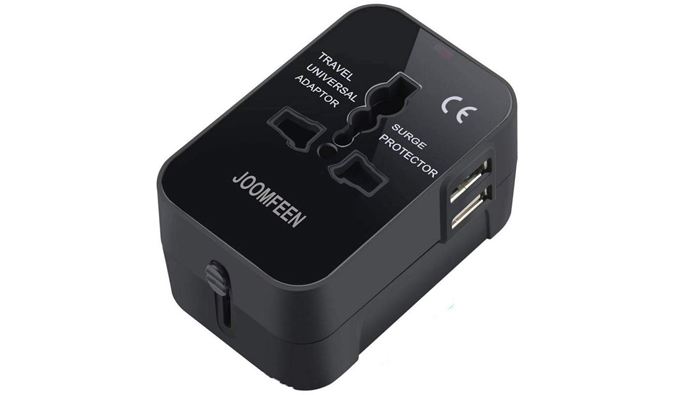
In tandem with physical security, digital connectivity and power management are critical. The proliferation of electronic devices—smartphones, tablets, and laptops—has made the universal travel adapter a non-negotiable component of any kit. Current market leaders in this space now integrate multiple USB and USB-C ports, reflecting the industry’s move toward standardized charging protocols. This eliminates the need for multiple "bricks," aligning with the minimalist ethos of the modern nomad. Furthermore, the external battery market has seen a surge in demand for high-capacity, flight-safe lithium-ion packs. Units capable of charging a smartphone multiple times are now standard, providing a necessary safety net for travelers relying on digital maps and boarding passes in regions with unreliable power grids.
Health, Wellness, and Environmental Impact
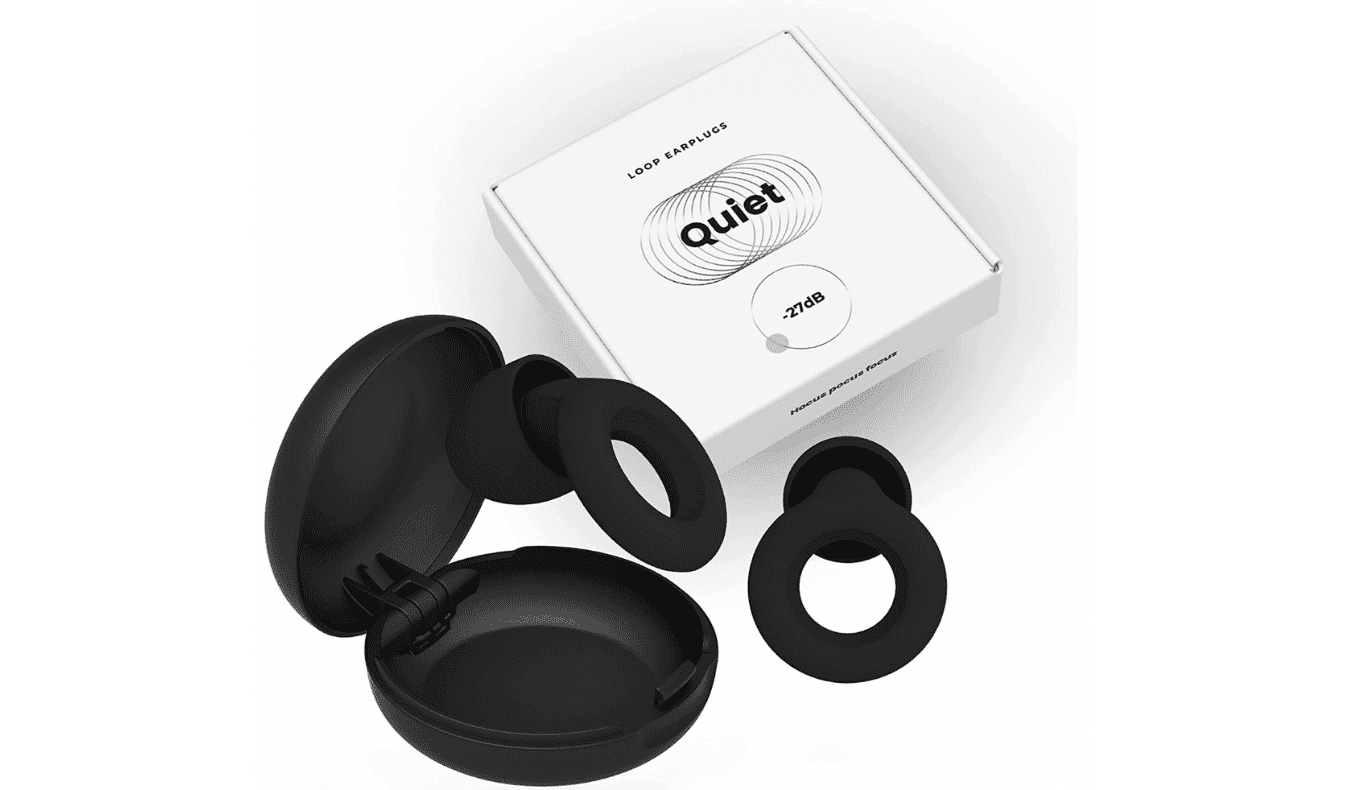
The "wellness travel" sector has seen a 12% annual growth rate, influencing the types of gear travelers carry. Noise management, for instance, has evolved beyond simple foam inserts. Products like Loop Earplugs have gained traction by offering high-fidelity noise reduction that serves multiple purposes: aiding sleep in loud environments, reducing "cocktail party effect" stress in crowded cities, and easing the auditory strain of long-haul flights.
Environmental sustainability is another significant factor influencing consumer choice. The LifeStraw, a portable water filtration system, addresses two major issues: the global plastic waste crisis and the high cost of bottled water in developing regions. By allowing travelers to drink safely from local taps or even open water sources, these filters reduce the carbon footprint associated with the production and transport of single-use plastics. Similarly, the rise of "dry" hygiene products, such as solid shampoo bars and dry shampoo, reflects a dual commitment to eco-friendly packaging and the avoidance of liquid restrictions imposed by the Transportation Security Administration (TSA) and other global aviation authorities.
The Digital Nomad’s Mobile Office
The rise of remote work has blurred the lines between business and leisure travel. As of 2024, it is estimated that there are over 35 million digital nomads worldwide. For this group, the MacBook Air—specifically models equipped with Apple’s latest silicon chips—has emerged as the preferred tool due to its balance of power, battery efficiency, and portability. The device’s ability to handle intensive tasks without a cooling fan makes it ideal for quiet environments like libraries or boutique cafes.
To complement the mobile office, noise-canceling headphones, such as the Bose QuietComfort series, have become essential. These devices use active noise cancellation (ANC) to create a "sonic bubble," allowing for focused work in high-traffic areas. Industry analysts note that ANC technology is no longer viewed as a luxury but as a productivity tool for those working in the "gig economy" while abroad.
Specialized Apparel and Organizational Systems
The "pack light, travel far" philosophy is supported by advancements in textile technology. Merino wool, popularized by brands like Unbound Merino, has become the fabric of choice for long-term travelers. Its natural antimicrobial properties allow garments to be worn for extended periods without laundering, a significant advantage for those with limited access to facilities. This "slow fashion" approach reduces the total volume of clothing required, facilitating the transition to smaller backpacks.
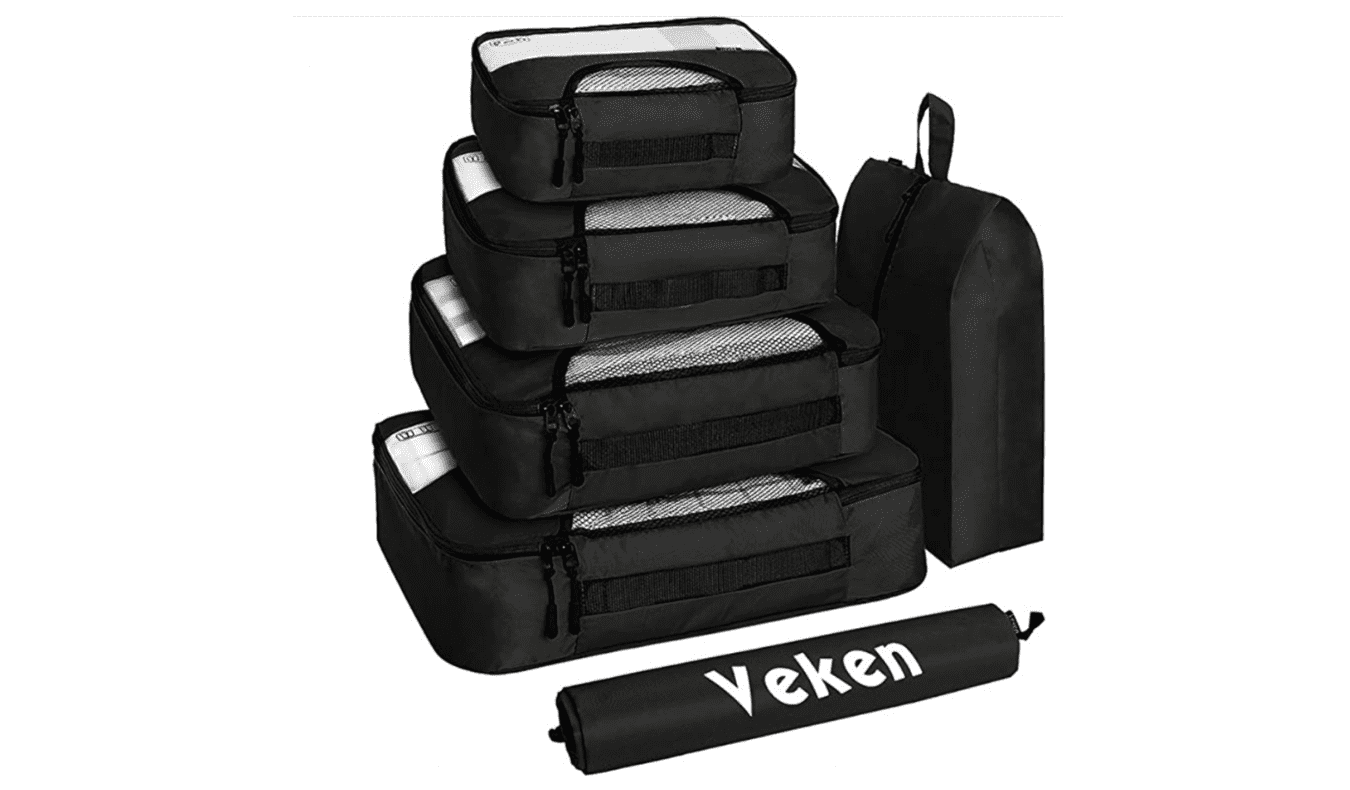
Organization within these smaller bags is achieved through packing cubes. These modular containers allow travelers to categorize clothing and equipment, effectively acting as a portable dresser. By compressing air out of the cubes, travelers can often fit 20% to 30% more items into a standard 40-liter backpack. This organizational efficiency is particularly valued by those moving frequently between different climates or transit modes.
The Cultural and Educational Aspect of Travel
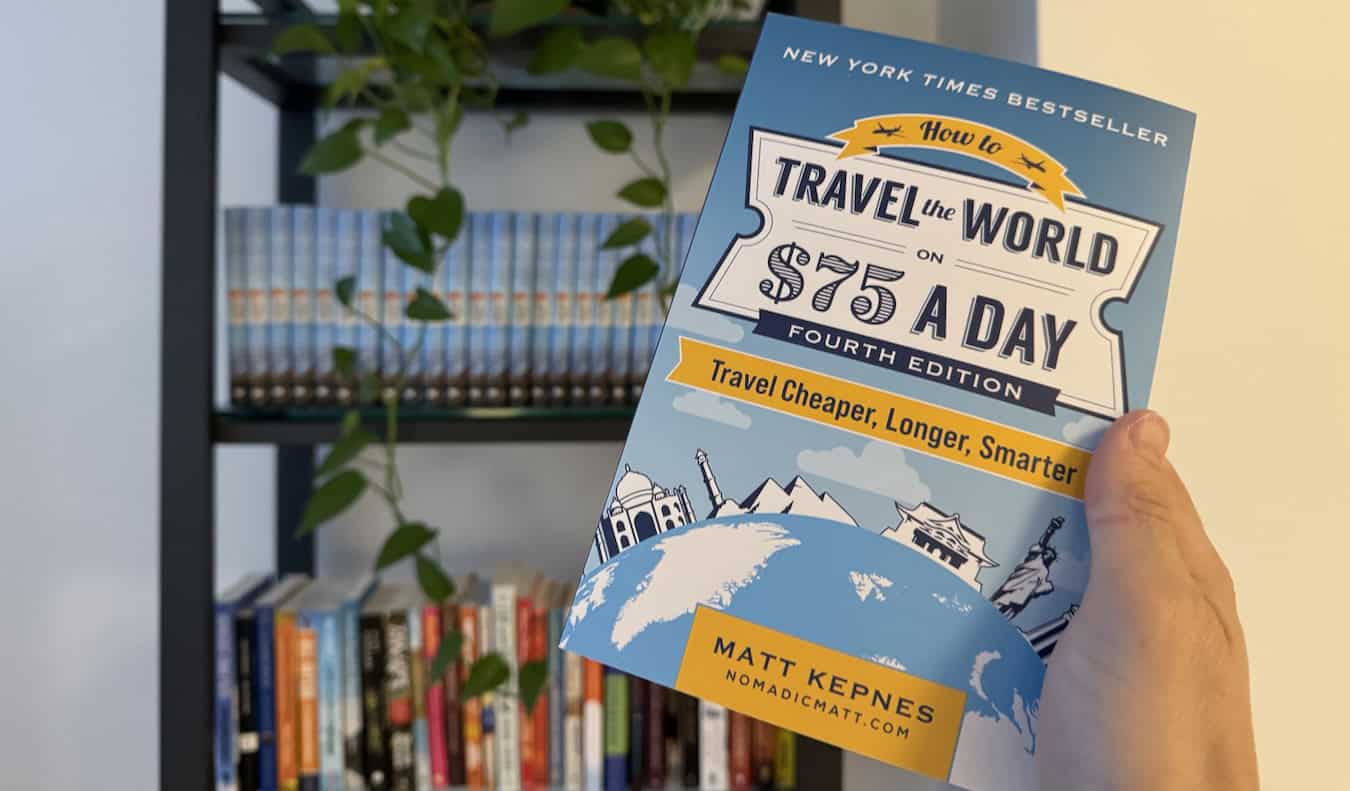
Beyond physical gear, gifts that enhance the travel experience through education and inspiration remain highly valued. The literature of budget travel, pioneered by authors like Matt Kepnes, provides a strategic framework for navigating the global economy. Books such as "How to Travel the World on $75 a Day" serve as foundational texts for travelers looking to extend their journeys through financial literacy.

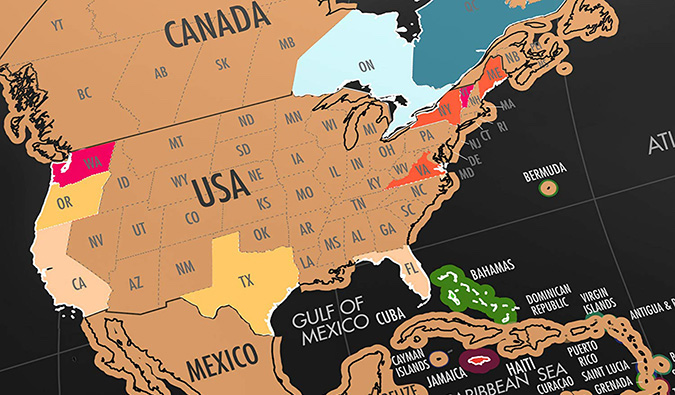
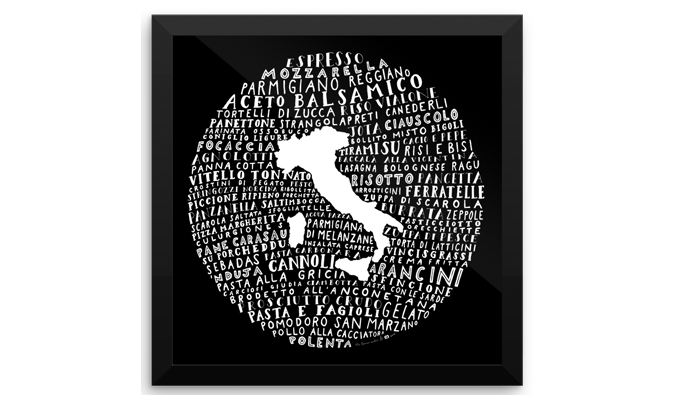
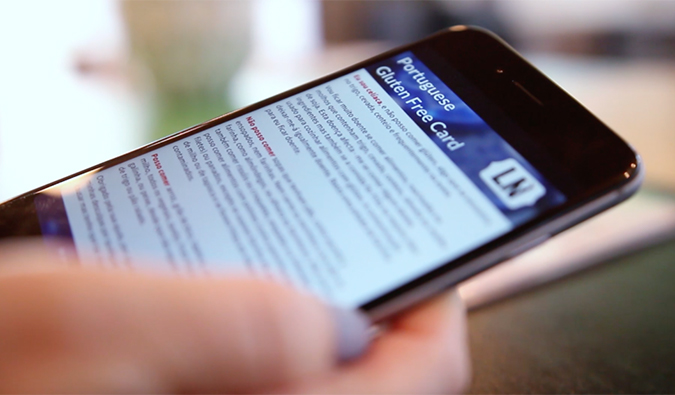
Furthermore, specialized resources like Celiac Travel Cards or typographic food maps cater to the "experiential" traveler. For the estimated 1% of the population with Celiac disease, navigating foreign menus is a significant barrier. Professional translation cards ensure safety and allow for a deeper engagement with local culinary cultures. Similarly, interactive items like scratch-off maps or travel-themed board games like "Trip Chaser" gamify the travel experience, providing a social outlet for the community of "intrepid" globetrotters.
Market Implications and Future Outlook
The travel gift market is increasingly influenced by the "experience economy." While physical goods remain important, the value is increasingly placed on how those goods facilitate an experience. For example, the GoPro Hero 12 is marketed not just as a camera, but as a means of "storytelling" in extreme environments. Its waterproof and rugged design allows for the documentation of activities—from scuba diving to mountain biking—that traditional smartphones cannot safely capture.

Looking ahead to 2025, the industry is expected to see further integration of artificial intelligence and "smart" features in travel gear. Smart luggage with GPS tracking and self-weighing scales is already entering the mainstream, though it faces regulatory hurdles regarding battery safety. The trend toward "circular" products—those that can be fully recycled or are made from ocean plastics—is also expected to intensify as travelers become more conscious of their impact on the destinations they visit.

Summary of Logistical Recommendations
For those planning travel in the upcoming fiscal year, experts suggest a multi-layered approach to booking and preparation. Utilizing meta-search engines like Skyscanner for flights and Booking.com for diverse accommodation options remains the most effective strategy for cost management. Additionally, the importance of comprehensive travel insurance cannot be overstated. In an era of increasing climate volatility and geopolitical shifts, insurance provides a necessary financial buffer against cancellations, medical emergencies, and theft.
Ultimately, the best gifts for travelers are those that solve a specific problem or remove a point of friction in the journey. Whether it is a high-tech laptop for a remote worker, a durable backpack for a mountain trekker, or a simple travel lock for a hostel-dweller, these items represent an investment in the traveler’s autonomy and safety. As the world becomes more accessible, the gear that accompanies the explorer will continue to evolve, prioritizing the intersection of technology, sustainability, and human connection.




 Chandra Hamzah
 Gabriela Annisa
 Tatiana Tantri Indah Sari
 Budi Mulyono
 Anjar Salim