
 Diana Nuri Rohmawati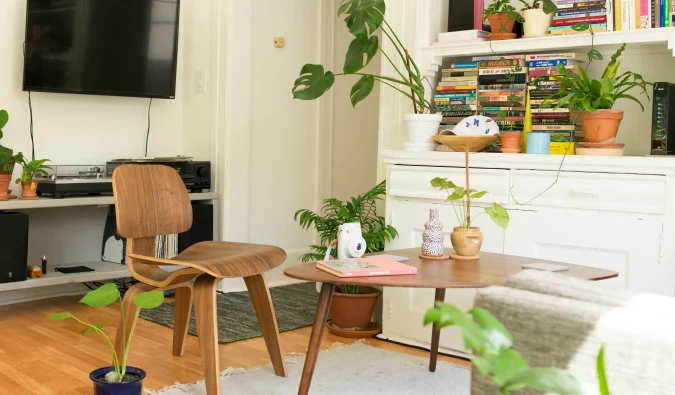
The short-term rental (STR) industry has undergone a radical transformation over the last two decades, evolving from a niche alternative for budget-conscious backpackers into a dominant force in the global hospitality sector. Originally conceived as a way for residents to monetize spare rooms, platforms like Airbnb, VRBO, and Booking.com now command a significant share of the lodging market, catering to a diverse demographic ranging from business professionals to large families. This shift reflects a broader change in consumer behavior, where the desire for privacy, domestic amenities, and localized experiences often outweighs the traditional services provided by hotels or the communal atmosphere of hostels. However, as the industry has matured, it has faced increasing scrutiny regarding its impact on local housing markets, urban density, and the phenomenon of overtourism.
The Evolution of the Short-Term Rental Market
The trajectory of apartment rentals can be traced back to the early 2000s with the rise of hospitality networks like Couchsurfing, which prioritized cultural exchange over financial transaction. The landscape shifted permanently in 2008 with the launch of Airbnb, which institutionalized the "sharing economy." Initially, the platform was a peer-to-peer marketplace where travelers stayed in the primary residences of their hosts. By the mid-2010s, the model had professionalized. Real estate investors and property management firms began purchasing multiple units specifically for short-term leasing, a trend that accelerated during the post-pandemic travel surge of 2021-2023.
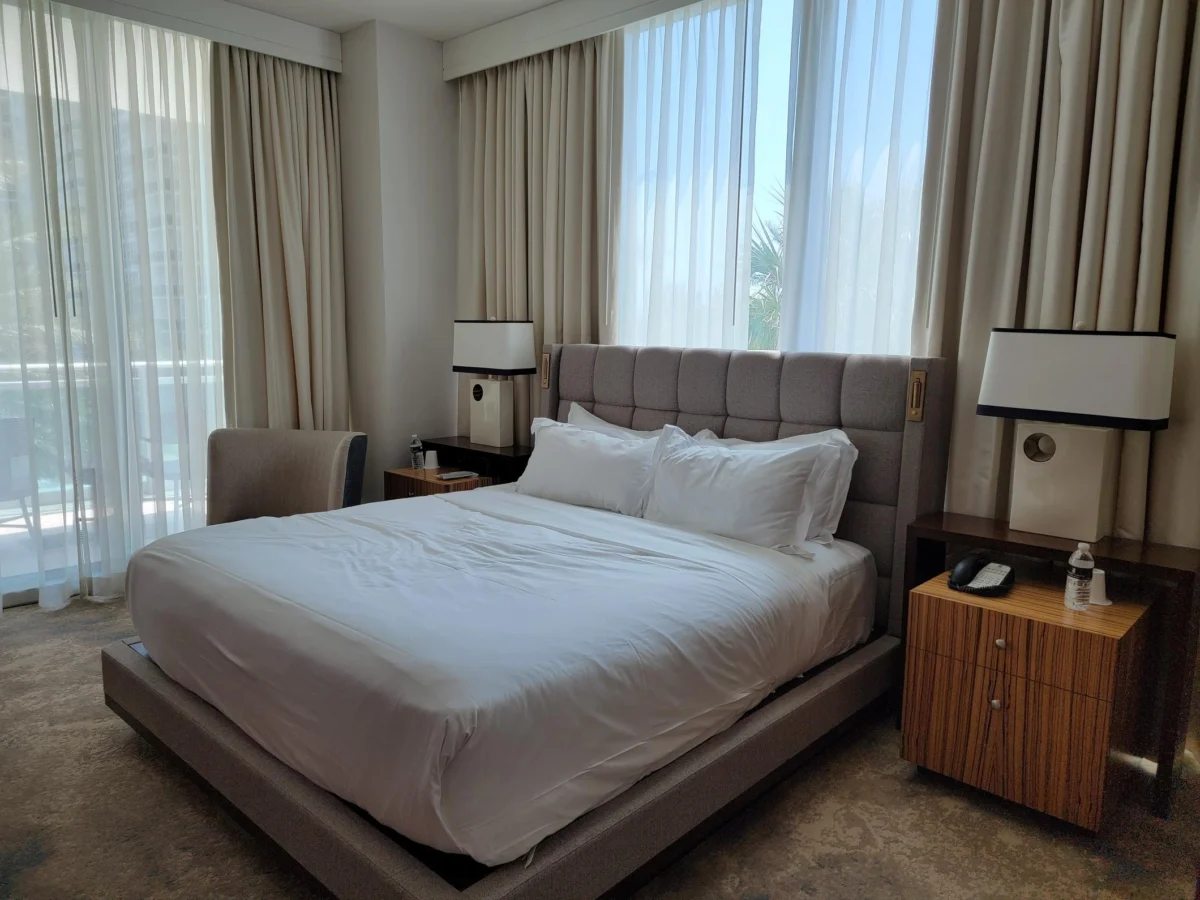
Today, the market represents a middle ground between the affordability of hostels and the standardized luxury of hotels. For solo travelers, the appeal has shifted from the social density of dormitories to the "home-away-from-home" experience, offering the ability to cook, work remotely, and reside in non-tourist neighborhoods. For groups and families, the economic advantage is quantifiable: renting a multi-bedroom apartment is frequently more cost-effective than booking multiple hotel rooms, while providing shared common areas that hotels lack.

Mechanics of Modern Rental Platforms
The operational framework of sites like Airbnb and VRBO relies on a dual-verification system and an escrow-based financial model. A host lists a property by providing photographs, a detailed description of amenities, and house rules. Prospective guests search these databases using filters for price, location, and specific features such as high-speed internet or kitchen facilities.
Once a booking request is accepted, the platform holds the guest’s payment in escrow, releasing it to the host only after the guest has successfully checked in. This system is designed to mitigate fraud and ensure that the property matches its online representation. In recent years, Airbnb has introduced specialized features like "Rooms," which specifically highlights listings where the guest stays in a private room within a host’s primary residence. This initiative is largely seen as a strategic move to return to the company’s "roots" while addressing legislative concerns regarding the removal of entire apartments from the long-term housing supply.
The Economic and Social Impact of Overtourism
The rapid expansion of STRs has not been without significant social costs. In major global hubs, the "hotelization" of residential neighborhoods has led to a documented increase in long-term rental prices, often displacing local residents. In cities like Lisbon, Portugal, and Venice, Italy, the density of tourist rentals has reached a point where historic centers are increasingly devoid of permanent inhabitants.
Data from housing advocacy groups suggests that in certain districts of Barcelona, as many as one in ten apartments are listed on short-term platforms. This concentration has sparked widespread protests and led to aggressive regulatory responses:

- New York City: In 2023, the city implemented Local Law 18, which requires hosts to register with the city and mandates that they live in the unit they are renting, effectively banning the rental of entire apartments for less than 30 days.
- Japan: The 2018 Minpaku Law introduced strict registration requirements and limited the number of days a property can be rented to 180 per year.
- Barcelona: The city government recently announced a plan to phase out all short-term rental licenses by 2028 in an effort to stabilize the local housing market.
These measures reflect a growing consensus among urban planners that the unregulated growth of STRs can jeopardize the social fabric of cities. Travelers are increasingly encouraged to seek out "verified" rooms or licensed Bed and Breakfasts to ensure their presence does not contribute to the displacement of the local population.
Strategies for Selecting High-Quality Accommodations
As the market has become saturated with professional property managers, the quality of listings has become more variable. Industry experts recommend a rigorous due diligence process when selecting a rental to ensure both safety and satisfaction.
Review Analysis and Host Verification
The most reliable indicator of a property’s quality is the volume and consistency of its reviews. A "Superhost" status on Airbnb, for example, requires a minimum 4.8 overall rating, a 90% response rate, and a low cancellation rate. Prospective guests should look for recent reviews—ideally within the last three to six months—to ensure the property’s condition has not deteriorated.
Communication and Transparency
Direct communication with the host prior to booking can provide insight into the management style. Professional managers often use automated responses, whereas "real" hosts who live on-site tend to provide more personalized, detailed information. Inquiries regarding local recommendations or specific apartment quirks can help verify if the host is genuinely invested in the guest experience.

Mapping and Location Accuracy
While platforms often obscure the exact address until a booking is confirmed, the general map radius allows travelers to cross-reference the area with local transit maps and grocery store locations. Staying outside of primary tourist zones often provides a more authentic experience and reduces the strain on over-congested city centers.
Safety Protocols and Financial Security
Security remains a primary concern in the peer-to-peer rental market. While incidents of theft or misrepresentation are statistically rare relative to the millions of stays processed annually, platforms have implemented several layers of protection.
Most major sites provide a 24-hour emergency hotline. If a guest arrives and finds the property significantly different from the listing or uninhabitable, the platforms typically offer a full refund or rebooking at a nearby location. Financial experts strongly advise against "off-platform" transactions. If a host requests payment via wire transfer or external apps, it is a hallmark of a scam. Keeping all communication and payments within the official platform ensures that the escrow protections and insurance policies remain in effect.
Furthermore, travelers are increasingly opting for comprehensive travel insurance that covers "non-traditional" lodging. This provides an additional layer of protection against last-minute host cancellations or travel disruptions that may not be fully covered by the platform’s internal policies.

Broader Implications for the Future of Travel
The rise of apartment rentals has also facilitated the growth of "slow travel" and "digital nomadism." With the ability to secure long-term discounts—often 20% to 50% for stays exceeding 30 days—travelers are increasingly choosing to stay in one location for longer periods. This trend has led to the emergence of specialized platforms like TrustedHousesitters, where individuals trade pet care and property maintenance for free accommodation, further diversifying the "sharing" landscape.
However, the future of the industry will likely be defined by a balance between consumer demand for flexible housing and the municipal need for stable residential markets. We are seeing a shift toward a more regulated environment where STRs are treated similarly to hotels in terms of taxation and safety standards. For the traveler, this may result in higher prices but also a more standardized and legally compliant experience.
In conclusion, the shift toward apartment rentals represents a permanent change in the global tourism infrastructure. When executed with a focus on ethical consumption—such as choosing shared rooms or licensed properties—apartment rentals offer a depth of cultural immersion that traditional hotels rarely match. By navigating these platforms with a critical eye for data, reviews, and local regulations, travelers can secure accommodations that are both personally rewarding and socially responsible. The ongoing evolution of these platforms will continue to shape how cities are experienced, managed, and inhabited in the decades to come.



 Budi Mulyono
 Anjar Salim

 Lukman Taruna Persada Ramadan

 Chandra Hamzah