Chandra Hamzah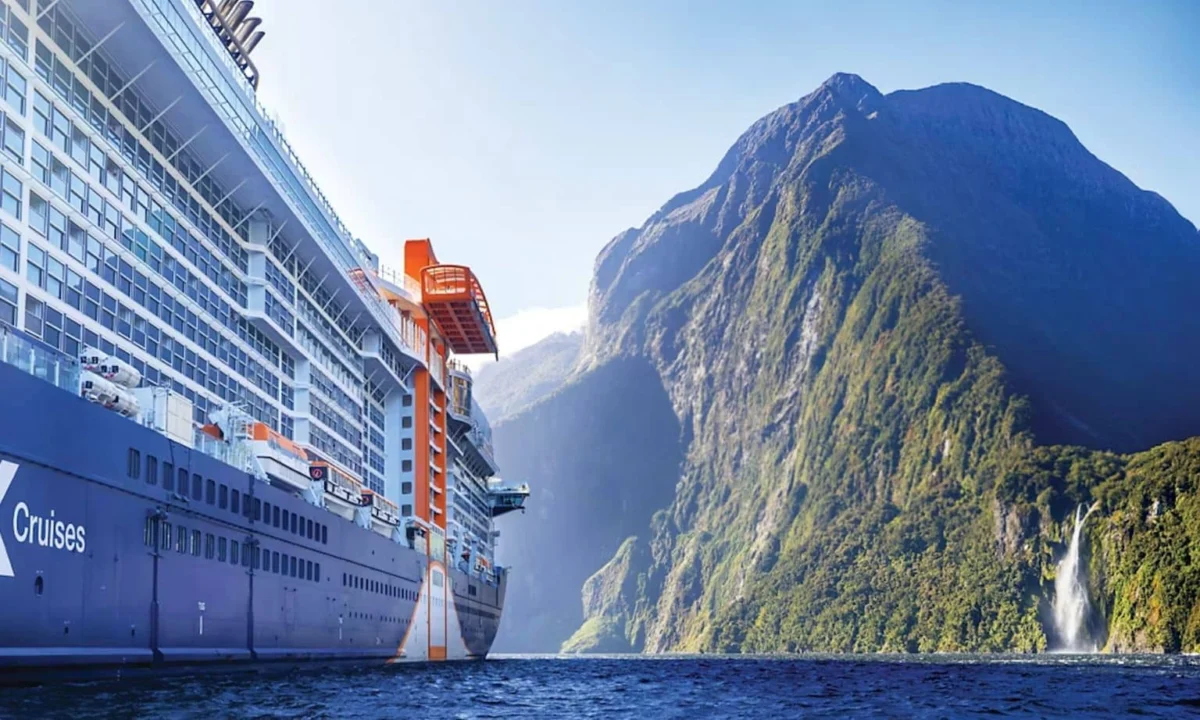
Recent figures released by the Cruise Lines International Association (CLIA) have illuminated a significant downturn in Australian cruise passenger numbers to New Zealand, prompting a robust discussion among avid cruisers about the underlying causes and potential remedies. The primary driver identified for this decline is a demonstrable lack of cruise ship capacity servicing the trans-Tasman route. However, a deeper dive into the commentary from Cruise Passenger readers reveals a more nuanced picture, with destination fatigue, a desire for itinerary diversification, and escalating prices emerging as equally potent deterrents.
The CLIA report, which typically tracks the health and trends of the cruise industry, has underscored a palpable shift in passenger preferences and opportunities for New Zealand-bound voyages from Australia. While a reduction in ship deployment is a direct cause, the feedback from the traveling public suggests that the industry may be overlooking crucial elements of traveler satisfaction and evolving market demands. This situation presents a critical juncture for cruise lines operating in the Australian market, necessitating a strategic re-evaluation of their New Zealand offerings to stem the tide of declining passenger numbers and recapture the enthusiasm of this vital demographic.
Declining Numbers: A Multifaceted Problem
The stark drop in Australian visitors to New Zealand via cruise ship has ignited a conversation within the cruise community, with readers of Cruise Passenger voicing their concerns and suggestions. The CLIA data points to a supply-side issue, indicating fewer ships are making the journey. However, reader feedback strongly suggests that this is not the sole factor contributing to the downturn. A significant theme emerging from the commentary is a sense of "destination fatigue" among seasoned cruisers who have repeatedly experienced similar itineraries.
Angela Kate, a frequent cruiser, articulated this sentiment, stating, "You can only do a NZ cruise so many times. I’ve done it four times, no desire to do it again. We need more itinerary variety out of Australia." This sentiment is echoed by many who feel that the current offerings have become predictable, leading them to seek novel experiences elsewhere. Angela further elaborated, "I’m now flying overseas to cruise to get variety." This indicates a significant shift in travel planning, where the perceived lack of innovation in Australian-departing cruises is prompting passengers to bypass local options in favor of international departures that promise greater novelty.
Trina Lynn shared a similar perspective, having completed two New Zealand cruises from Sydney. Her desire for more accessible departure points and a broader exploration of New Zealand’s allure highlights a potential gap in the market. "What about a Brisbane departure – why not do something different?" she queried, suggesting that a wider geographic spread of embarkation ports could appeal to a broader segment of the Australian population. Furthermore, Trina emphasized the limitations of cruise itineraries in showcasing the full potential of New Zealand, stating, "Have also been to South Island NZ on a driving holiday. If I go back, it won’t be on a cruise, it will be driving and exploring. Have seen all the ports, need to see something else." This highlights a crucial point: for many, the limited port calls on a cruise do not offer the in-depth exploration they seek, especially after multiple visits. The conclusion drawn by Trina is stark: "Cruising out of Australia has become boring, same itineraries on repeat. I prefer to fly somewhere different and cruise from there." This sentiment underscores a growing trend where the allure of the familiar is overshadowed by the pursuit of the new and the exciting, pushing travelers to explore further afield.
Kyle Crawley’s booking choice exemplifies this drive for novelty, even if it means compromising on ship preference. She has opted for a cruise on the Carnival Adventure departing from Auckland, bound for Norfolk Island and Vanuatu, not due to her affinity for the vessel but for the unique itinerary it offers. "Would be good to have more sailings for more than the standard nine or 10 days doing North and South Island," she commented, reinforcing the demand for longer and more varied voyages. Her decision to book a less preferred ship solely for a different destination speaks volumes about the current state of itinerary offerings from Australia to New Zealand.
The Perils of Predictability and Rising Costs
The issue of "destination fatigue" is intrinsically linked to the predictability of current New Zealand cruise itineraries. Many cruisers have undertaken multiple voyages to the region, experiencing the same set of popular ports such as Milford Sound, Doubtful Sound, Dunedin, Akaroa, Wellington, and Tauranga. While these destinations are undoubtedly beautiful and hold significant appeal, repeated visits without variation can diminish their allure.
Mark Beasley, who has completed five New Zealand cruises, including those to the "boring islands ones" and Australian coastal routes, now looks beyond familiar waters. "Unfortunately we don’t have many options here so I go to the USA and other places which surprise surprise they are cheaper and better quality cruises," he stated. This comparison with international cruise markets, particularly the USA, suggests that Australian cruise lines may be underperforming in terms of value and variety, thereby driving passengers to seek more competitive and exciting options abroad. The implication here is that the perceived value proposition of New Zealand cruises from Australia is diminishing.
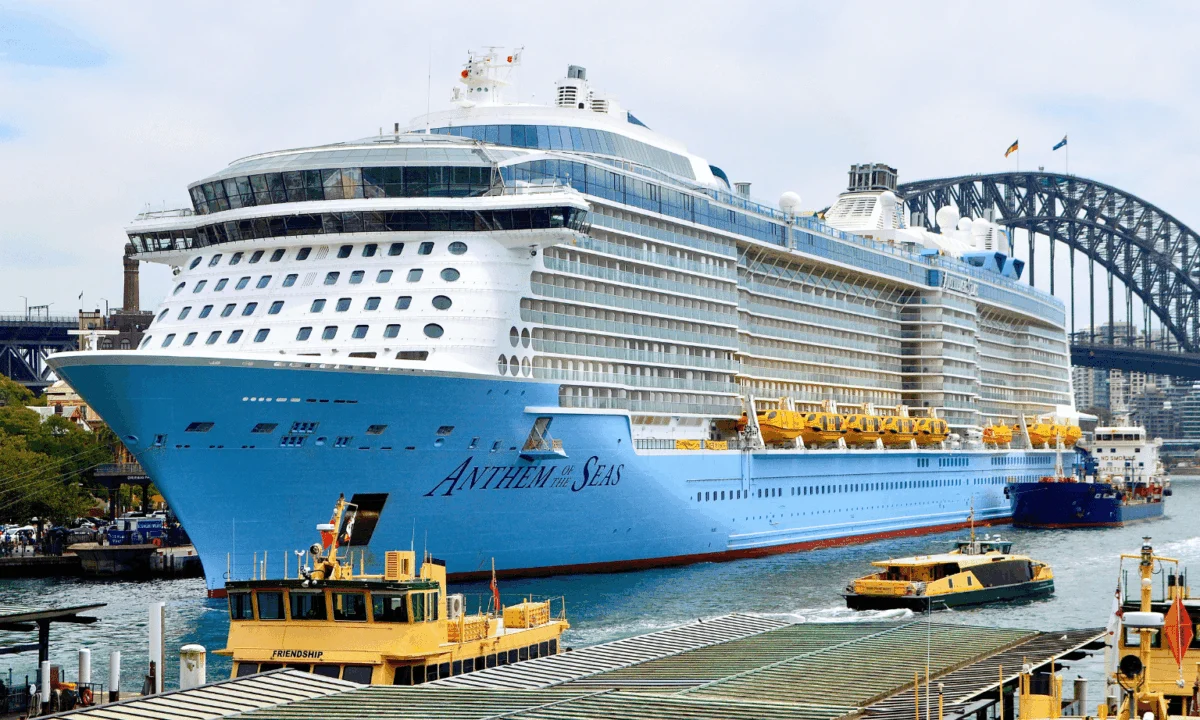
Beyond the lack of itinerary diversity, rising prices have become a significant barrier for many potential cruisers. Sandra Burrows noted a substantial increase in prices for New Zealand cruises in 2027, despite a decrease in demand. "We’ve been twice, with two different lines, visiting some different ports. I looked recently for 2027 and price have exploded," she reported. She observed that while Royal Caribbean offers fewer days and ports at a potentially lower price point, Princess Cruises provides more variety but at a considerably higher cost. This price-to-value analysis is critical for consumers, and when the perceived value diminishes, so does the inclination to book.
Lise Willard expressed frustration with the pricing strategies of cruise lines like Royal Caribbean, who have simultaneously reduced the number of New Zealand cruises and increased their prices. "Royal Caribbean has dropped the number of cruises going to NZ and increased the price of cruises," she stated. For a destination as inherently attractive as New Zealand, this pricing strategy appears counterintuitive, particularly in light of declining passenger numbers. Willard’s personal decision to forgo her usual twice-a-season New Zealand cruises for a land-based trip highlights the impact of these price hikes and the availability of alternative travel methods. "NZ is a beautiful country with so much to see and do so it’s a shame they did that. I usually go twice a season but did none last season and have none planned for the next season, so I’m planning a land trip. instead," she lamented.
David Bowker’s observation about doubling prices for the same itineraries is a clear indictment of the current market approach. "Prices have doubled and all we get are the same itineraries. Maybe this is the wake-up call that the cruise lines need – you can’t keep selling us the same stuff and marking it up year after year," he asserted. This sentiment encapsulates the frustration of consumers who feel they are not receiving adequate value for their increased expenditure. The expectation is that with reduced demand, prices might decrease or at least remain stable, rather than escalate while offerings stagnate. This suggests a potential miscalculation by cruise lines in their pricing models, failing to adapt to a shifting market reality.
The Repeat Cruiser Dilemma
The theme of repeat cruisers feeling uncertain about future bookings due to repetitive itineraries is a pervasive one. Karen Ryan, who has experienced three New Zealand cruises, stated, "We’ve done three NZ cruises, definitely would go again if we are not going to the same ports over and over again." This clearly indicates that the desire to revisit New Zealand exists, but the current cruise product is not sufficiently innovative to cater to this repeat demand. The key to retaining these valuable passengers lies in offering fresh perspectives and novel experiences.
Joe Faith echoed this sentiment, emphasizing the finite appeal of repeated voyages and the diminishing justification for the cost. "You can only really do it so many times and with increasing costs it isn’t as justifiable," he remarked. This dual challenge of itinerary repetition and escalating costs creates a significant hurdle for cruise lines aiming to maintain a consistent customer base. The perceived value equation is clearly tipping against these cruises for a substantial portion of the readership.
Broader Implications and Future Outlook
The feedback from Cruise Passenger readers points to a broader industry challenge: the need for continuous innovation and adaptation to evolving consumer preferences. The decline in Australian-to-New Zealand cruise passenger numbers, as highlighted by CLIA data, is not merely a statistical anomaly but a symptom of a market that is seeking more diverse, engaging, and value-driven travel experiences.
Potential Strategies for Cruise Lines:
- Itinerary Diversification: Developing new itineraries that incorporate lesser-known ports in New Zealand, or combining New Zealand with other Pacific Island nations or even extending to South America. This could involve longer voyages that allow for deeper exploration of individual regions.
- Themed Cruises: Introducing themed cruises, such as culinary tours, wine-focused journeys, or adventure-themed expeditions, could attract specific market segments and add a unique selling proposition.
- Regional Departures: Expanding departure ports beyond Sydney and Melbourne to include Brisbane, Adelaide, or even Western Australia, would increase accessibility for a wider demographic.
- Dynamic Pricing and Value Bundles: Re-evaluating pricing strategies to better reflect the value offered. This could involve offering more inclusive packages or loyalty programs that reward repeat cruisers.
- Enhanced Onboard and Shore Excursion Experiences: Investing in richer onboard entertainment and more unique, immersive shore excursions that go beyond the standard tourist offerings.
- Partnerships with Local Tourism Boards: Collaborating more closely with New Zealand tourism authorities to develop unique experiences that showcase the country’s diverse offerings and appeal to a broader range of interests.
The current situation presents an opportunity for cruise lines to listen to their customers and adapt their product. By addressing the core concerns of itinerary fatigue, price sensitivity, and the desire for authentic experiences, the industry can revitalize the appeal of New Zealand cruises for Australian travelers and reverse the current downward trend. The voices of the readers, as captured by Cruise Passenger, are a clear call to action, urging the industry to move beyond predictable formulas and embrace innovation to ensure the long-term health and vibrancy of the cruise market.
The Importance of Reader Feedback:
Cruise Passenger’s "Your Say" column serves as a vital barometer for the sentiments of the cruise community. By actively soliciting and publishing reader feedback, the publication provides a platform for direct communication between travelers and the industry. This ongoing dialogue is crucial for fostering transparency, driving improvements, and ensuring that the cruise product evolves in line with consumer expectations. The insights shared by readers like Angela Kate, Trina Lynn, Kyle Crawley, Mark Beasley, Sandra Burrows, Lise Willard, David Bowker, Karen Ryan, and Joe Faith offer invaluable data points for cruise lines seeking to understand and cater to the modern traveler.
Please keep those comments coming! We value your comments and enjoy reading what you have to say about our stories. Please keep those comments coming on the stories – and we’ll pick out the best each week for this new column.



 Budi Mulyono
 Lukman Taruna Persada Ramadan
 Gabriela Annisa
 Tatiana Tantri Indah Sari