Chandra Hamzah
Australian travellers aspiring to reach Europe for the upcoming summer season are navigating a complex and potentially hazardous landscape, marked by escalating costs and flight disruptions on alternative routes, alongside significant government advisories against travel through the Middle East. This predicament has created a stark dilemma: pay premium prices for more circuitous and less familiar travel arrangements, or risk significant personal safety and the invalidation of travel insurance by opting for drastically reduced fares offered by Middle Eastern airlines.
The allure of remarkably low return flights from Australia to Europe, reportedly as low as $1500, is undeniable. However, this attractive pricing is directly at odds with the Australian Department of Foreign Affairs and Trade’s (DFAT) unwavering "do not travel" advice for several key Middle Eastern nations, including Bahrain, Iran, Israel, Kuwait, Lebanon, Qatar, and the United Arab Emirates (UAE). This advisory explicitly extends to transit and layovers in these affected locations, even for travellers who do not intend to leave the airport.
The Growing Complexity of International Travel for Australians
The current travel climate for Australians seeking to reach Europe is characterized by a confluence of factors creating significant challenges. For months, the ongoing geopolitical instability in the Middle East has cast a long shadow over global travel. The region has become a focal point of heightened tensions, leading to a ripple effect on international air travel.
Disruptions on Asian Routes: A Costly Alternative
One of the primary alternative routes for Australian travellers to Europe has historically been via Asia. However, this pathway is now fraught with its own set of difficulties. Reports indicate a surge in flight cancellations on these routes, coupled with rapidly increasing ticket prices. This surge in demand, met with a reduced supply of available flights, has driven up costs, making even these supposedly more stable routes financially prohibitive for many. This situation is exacerbated by the seasonal demand for summer travel to Europe, which typically sees higher airfares.
The Middle East Gamble: Unprecedented Pricing vs. Severe Risks
In stark contrast to the rising costs elsewhere, Middle Eastern airlines are reportedly employing aggressive pricing strategies, slashing fares to unprecedented levels in an apparent bid to attract passengers. This has led to the emergence of incredibly low-cost return flights from Australia to European destinations. While these fares present a tantalizing financial proposition, they come with a substantial caveat: the explicit government warnings about the inherent risks associated with travel through the region.
The core of the Australian traveller’s dilemma lies in this dichotomy. On one hand, there are the financially appealing, albeit risky, flights through the Middle East. On the other, there are the significantly more expensive, yet government-sanctioned, routes. This leaves travellers in a difficult position, forced to choose between their budget and their safety, and potentially their insurance coverage.
Government Warnings: A Clear and Present Danger
The Department of Foreign Affairs and Trade’s stance is unequivocal. A spokesperson articulated the continued risks, stating, "There remains a risk of attacks and escalation. We continue to advise all Australians ‘do not travel’ to Bahrain, Iran, Israel, Kuwait, Lebanon, Qatar and the United Arab Emirates. ‘Do not travel’ advice also applies to transit and layovers in affected locations."
This advisory is not merely a suggestion; it carries significant implications for travel insurance. Travellers who choose to disregard these warnings and proceed with travel through these designated high-risk areas may find their travel insurance policies invalidated. This means that in the event of an incident, such as injury, medical emergency, or flight disruption, they would be solely responsible for all associated costs.
The UAE: A Case Study in Travel Uncertainty
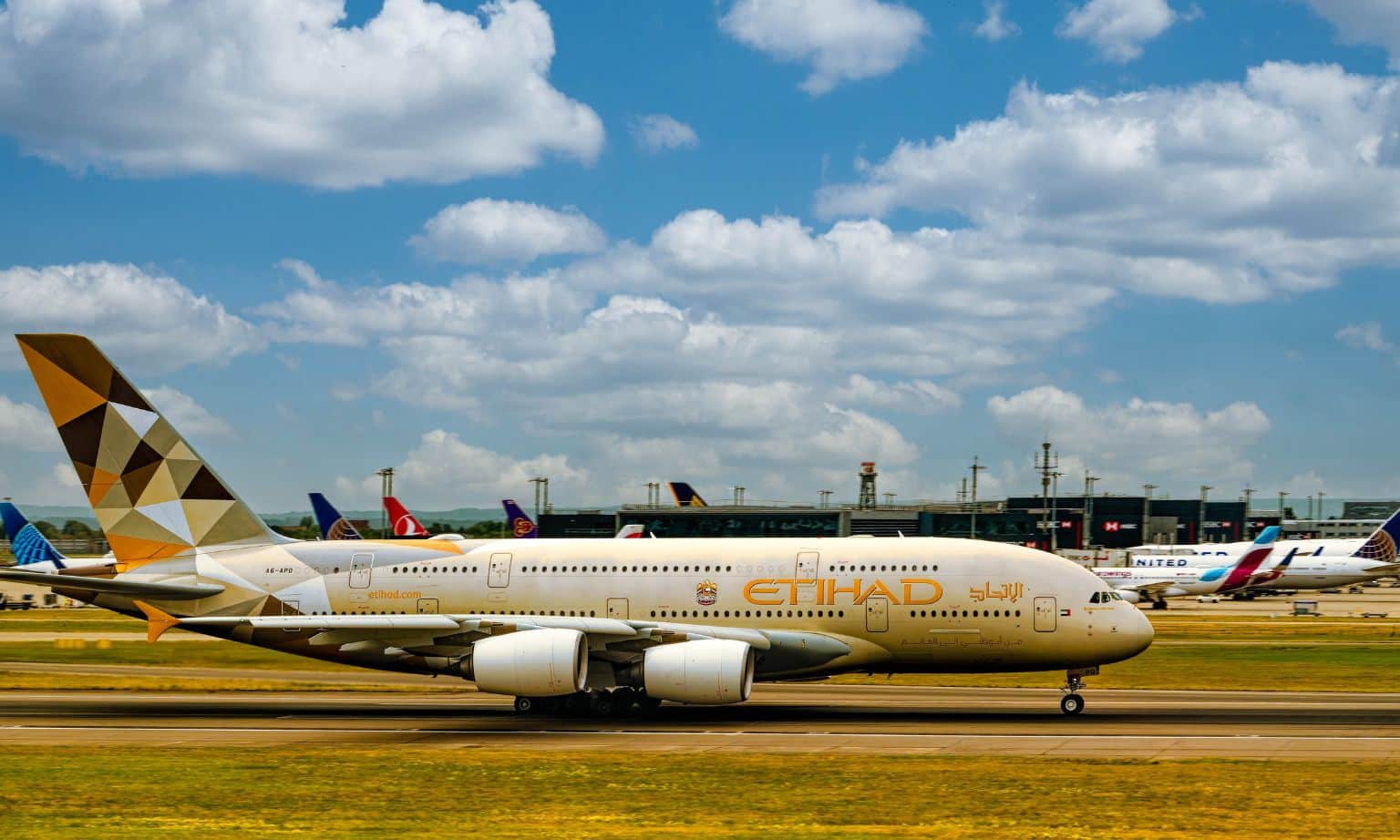
The Smart Traveller advice for the United Arab Emirates (UAE) serves as a potent example of the severity of the warnings. Updated just two days prior to the reporting, the advice explicitly states: "‘Do not travel’ advice applies to transit and layovers in the UAE. Even if you don’t plan to leave the airport. If you travel to or transit through the UAE, you may be unable to leave. Your safety will be at risk. Your travel insurance may become invalid."
This passage highlights a critical concern: the potential for travellers to become stranded or to face unforeseen dangers even within airport transit zones. The implication is that the geopolitical situation is fluid and can escalate rapidly, leading to unpredictable consequences for individuals present in the region.
Reports of Travellers Embracing the Risk
Despite the stern warnings, reports suggest that some Australian travellers are indeed opting for these cheaper, yet riskier, flights. These individuals are reportedly choosing to accept the potential dangers of travelling through what is described as a "war zone" and an area where their travel insurance coverage is likely void. This suggests a segment of the travelling public is willing to weigh the financial savings against the potential personal risks, perhaps due to budget constraints or a perceived lower likelihood of personal impact.
The Broader Impact of Middle East Conflict on Global Air Travel
The conflict in the Middle East has not been confined to the region itself. The Australian government’s advice highlights the wider ramifications: "Military conflict in the Middle East has caused widespread airspace closures, flight cancellations and other travel disruptions both in the region and across the globe." This statement underscores the interconnectedness of global air travel and the far-reaching consequences of regional instability.
The closure of airspace not only affects direct flights but also impacts flight paths and availability for journeys far beyond the immediate conflict zone. This can lead to longer flight times, increased fuel surcharges, and a general unpredictability in flight schedules worldwide.
Analyzing the Traveller’s Options: A Cost-Benefit Analysis
For Australian travellers, the decision-making process is fraught with difficult trade-offs.
-
The Premium Route: This involves booking flights that circumvent the Middle East entirely, likely routing through Asia or other less-affected regions. The primary drawback is the significantly higher cost, driven by increased flight durations, more complex itineraries with multiple layovers, and the general rise in airfares due to limited availability. While this option aligns with government advice and ensures travel insurance validity, it places a considerable financial burden on travellers.
-
The Middle East Gamble: This option leverages the exceptionally low fares offered by Middle Eastern carriers. The appeal is obvious: substantial savings on travel costs. However, the risks are profound and multifaceted.
- Safety Concerns: The primary risk is personal safety. Travellers are exposing themselves to potential direct or indirect impacts of ongoing conflicts and heightened geopolitical tensions. This includes the possibility of being caught in unforeseen events, experiencing political instability, or facing security threats.
- Travel Insurance Invalidation: As repeatedly emphasized by DFAT, travel insurance is likely to be void for any portion of the journey that transits through or is undertaken in a region with a "do not travel" advisory. This means that any medical emergencies, trip cancellations, lost luggage, or other unforeseen events occurring during the Middle Eastern leg of the journey would not be covered, leaving the traveller financially exposed.
- Potential for being Stranded: The UAE advisory specifically warns of the possibility of being unable to leave. This implies that travellers could face unexpected border closures, political detentions, or other bureaucratic hurdles that could lead to prolonged stays in potentially unsafe environments.
- Unpredictability of Flight Operations: Airspace closures and escalating tensions can lead to sudden flight cancellations or rerouting, even for those attempting to transit. This adds another layer of uncertainty and potential disruption to an already precarious travel plan.
Addressing Common Traveller Queries
In the face of this complex situation, several questions naturally arise for Australian travellers:
Should I book these cheap Middle East flights?
The decision rests entirely on an individual’s risk tolerance and financial priorities. From a safety and insurance perspective, the answer from the Australian government is a resounding "no." However, for individuals who deem the financial savings to be worth the potential risks, and who are prepared to accept the consequences of invalid travel insurance, the option exists. It is crucial to conduct thorough personal risk assessments and to be fully aware of the government’s advisories and their implications.
Should I book the flight anyway, because if the conflict continues, the flight will be cancelled and I’ll get a refund?
While flight cancellations due to geopolitical events are a possibility, relying on this as a primary strategy is not advisable. Firstly, the timeline of such cancellations is unpredictable. The conflict could de-escalate, or flights could continue to operate on a reduced or modified schedule, even with ongoing risks. Secondly, refunds are not always guaranteed or immediate. While airlines are obligated to offer refunds or rebookings for cancelled flights, the process can be lengthy and may not cover all associated costs incurred by the traveller, such as non-refundable accommodation booked at the destination. Furthermore, this approach still involves the initial risk of travelling through a designated high-risk area.
What about a flexible fare through the Middle East?
Flexible fares offer greater latitude for changes and cancellations, which can be beneficial in volatile travel environments. However, flexibility in fare terms does not negate the fundamental safety risks or the invalidation of travel insurance for travel within or transiting through regions with a "do not travel" advisory. While a flexible fare might allow for easier changes if the situation deteriorates significantly, it does not mitigate the initial risk of exposure to danger or the financial consequences of an incident occurring while the advisory is in place.
What about the Asia hedging option?
This strategy involves booking flights through Asia as a primary option, while keeping an eye on the Middle Eastern flight prices. If Middle Eastern fares drop even further or if Asian route prices become prohibitively expensive, travellers might then reconsider their Middle Eastern options. This approach is essentially a contingency plan, attempting to secure a potentially safer route while remaining open to more affordable, albeit riskier, alternatives. However, it still requires the traveller to ultimately make a decision that involves either higher costs or higher risks.
So, what should I do about those cheap flights to Europe?
The most prudent course of action, as advised by the Australian government, is to avoid travel through the Middle East altogether. This means exploring alternative routes, even if they are more expensive. Travellers should consult the latest Smart Traveller advice for all destinations and transit points. For those on a strict budget, delaying travel until the geopolitical situation stabilizes or exploring different holiday destinations that do not involve high-risk regions might be more advisable. Thorough research into the specific risks associated with any planned itinerary, understanding the limitations of travel insurance, and prioritizing personal safety should be paramount in this decision-making process. The current travel climate demands a cautious and well-informed approach.




 Anjar Salim
 Tatiana Tantri Indah Sari
 Budi Mulyono
 Lukman Taruna Persada Ramadan