
 Budi Mulyono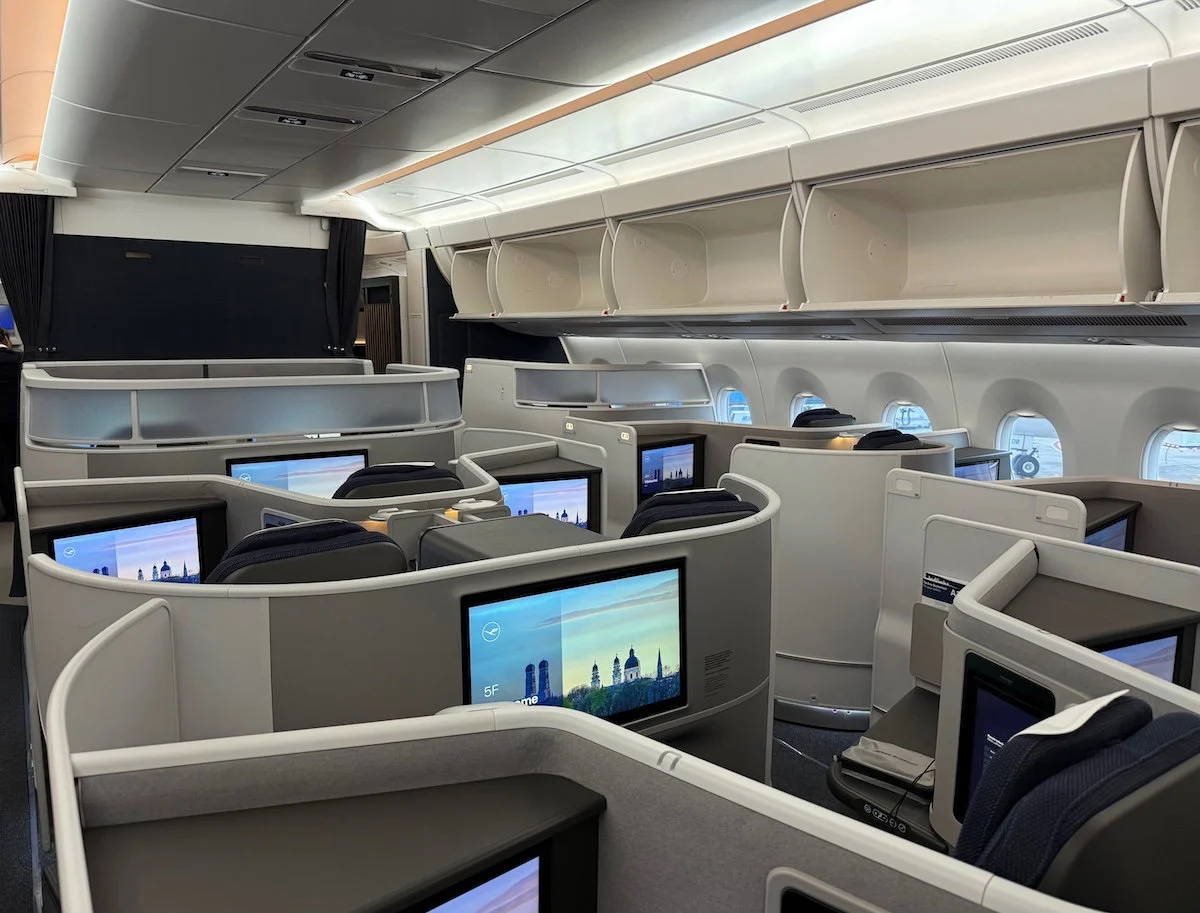
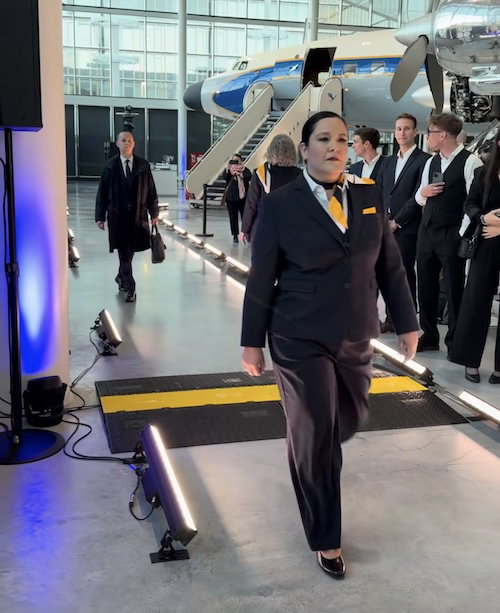
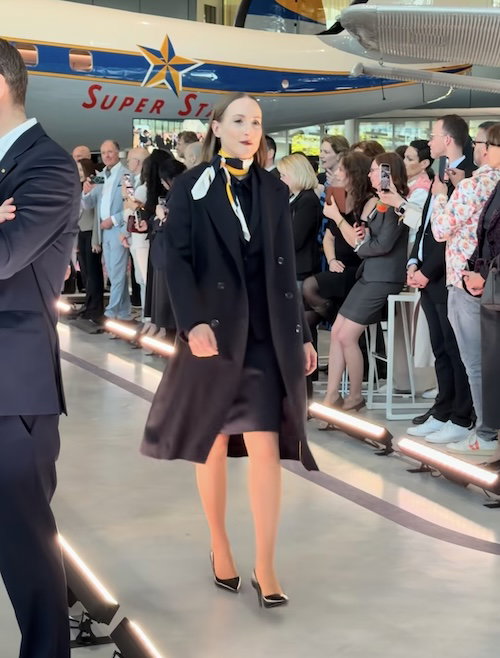
Lufthansa has officially unveiled its first comprehensive employee uniform redesign in nearly a quarter-century, marking a significant milestone in the German flag carrier’s multi-year brand modernization strategy. The new collection, designed in collaboration with the renowned German fashion house Hugo Boss, was introduced during a specialized runway event in August 2025, signaling the beginning of a transition for thousands of pilots, cabin crew members, and ground staff. This update replaces a uniform aesthetic that has remained largely static since 2002, representing one of the longest-running attire cycles in the global aviation industry.

The unveiling follows an extensive period of development and field testing, during which the airline sought to balance its traditional heritage with the functional demands of modern air travel. While the aviation sector has seen several carriers adopt avant-garde or "athleisure" inspired designs in recent years, Lufthansa has opted for an evolutionary approach, prioritizing timeless tailoring and brand continuity over radical stylistic shifts.
Historical Context and the Need for Modernization
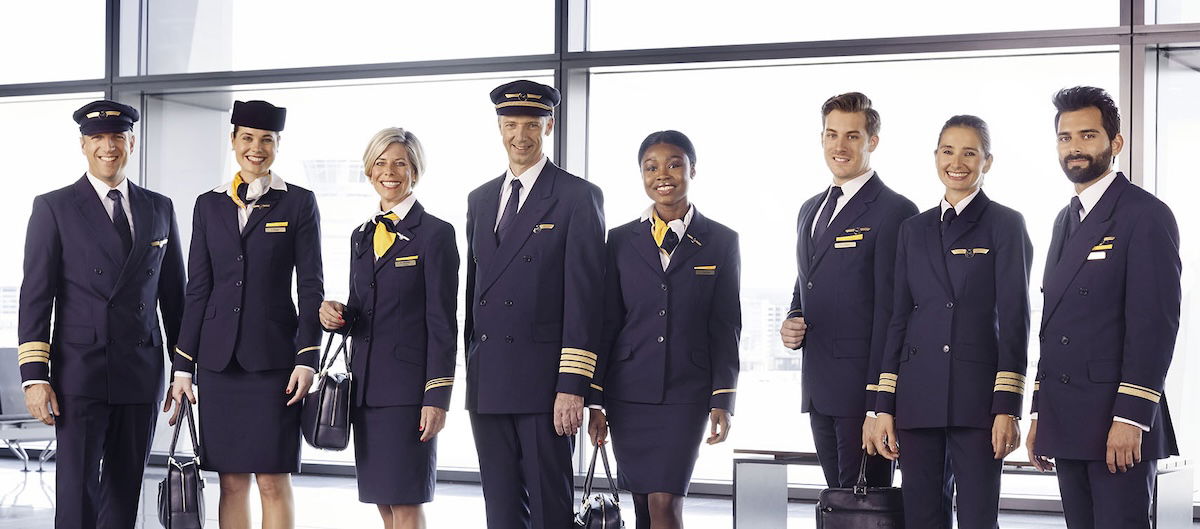
The outgoing Lufthansa uniforms were introduced in early 2002, a time when the aviation industry was navigating a different technological and cultural landscape. For over two decades, the navy blue suits with prominent yellow accents served as a global symbol of German reliability and hospitality. However, as the airline updated its aircraft liveries, cabin interiors, and digital interfaces, the attire of its frontline employees began to diverge from the company’s evolving visual identity.
In 2018, Lufthansa initiated a major brand overhaul, most notably moving away from its traditional "melon yellow" and blue livery in favor of a more minimalist, deep blue and white color scheme. While the yellow crane logo remained, the primary brand color shifted toward "Lufthansa Blue." The 2025 uniform refresh serves as the final major component of this brand alignment, ensuring that the physical appearance of the staff complements the modern aesthetics of the fleet and the new "Allegris" cabin products.
The decision to partner with Hugo Boss, a brand synonymous with German precision and luxury tailoring, underscores Lufthansa’s desire to project an image of professional sophistication. The collaboration aimed to create a wardrobe that is not only visually cohesive but also capable of meeting the rigorous physical demands of flight operations across diverse climates.
Design Philosophy and Aesthetic Details
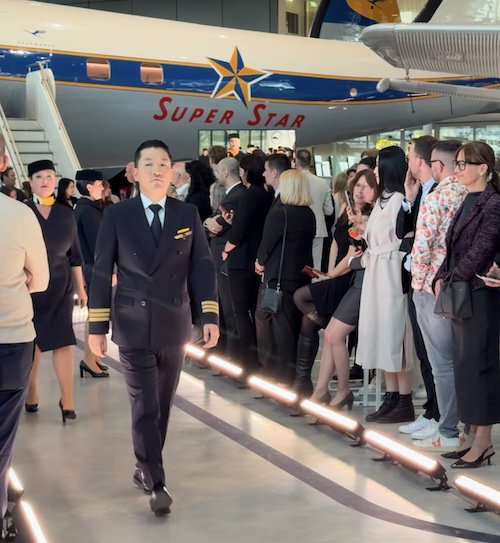
The new uniform collection maintains the classic navy blue foundation that has defined Lufthansa for decades, but it introduces several contemporary updates in cut, fabric technology, and accessorizing. Despite the airline’s broader shift toward a blue-and-white color palette in its livery, the new uniforms surprisingly retain several yellow accent pieces. This choice suggests a strategic decision to preserve a "pop" of the airline’s heritage color, which remains highly recognizable to passengers worldwide.
Key features of the Hugo Boss-designed collection include:
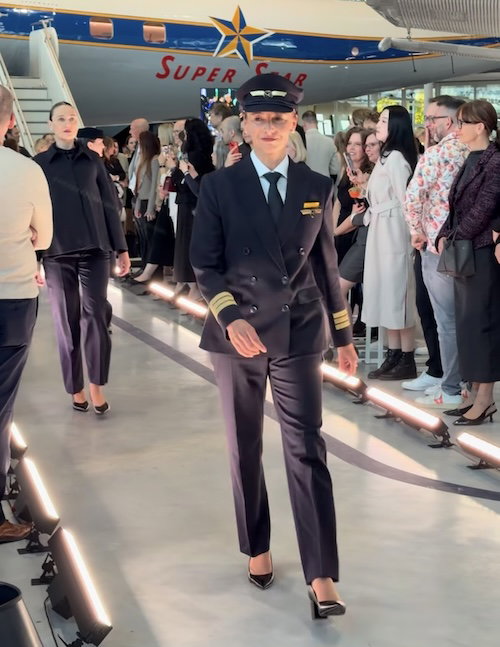
- Tailored Silhouettes: The jackets and trousers feature a more tapered, modern fit compared to the boxier cuts of the 2002 era. The designs utilize "bi-stretch" fabrics intended to provide ease of movement during service and safety procedures.
- Fabric Innovation: A primary focus of the redesign was the durability and breathability of the materials. The airline conducted extensive "wearer trials" over several months, involving hundreds of employees who tested the garments on long-haul and short-haul flights to ensure the textiles could withstand frequent laundering and the dry cabin environment.
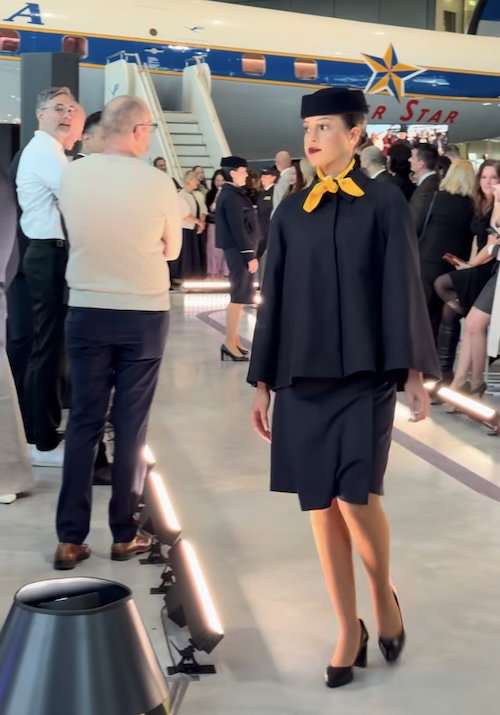
- The Accessory Mix: For female cabin crew, the collection includes updated scarves, belts, and hats, while male crew members receive refreshed ties and pocket squares. The yellow accents are integrated through these accessories, providing a visual link to the airline’s historic "crane" logo.
- Inclusivity and Variety: Recognizing the diversity of its global workforce, the new collection offers a wider range of garment combinations, allowing employees to choose pieces that best fit their roles and personal comfort levels while maintaining a unified corporate look.
The Testing Phase and Employee Involvement
Lufthansa’s approach to this rollout was characterized by a cautious, data-driven testing phase. Historical precedents in the airline industry have shown that uniform changes can be fraught with difficulty; several major carriers have faced internal backlash or even lawsuits over issues such as skin irritation from dyes or poor breathability of synthetic fabrics.
To mitigate these risks, Lufthansa implemented a multi-stage testing program. Starting in late 2024, select groups of "test wearers" were deployed across the network. These employees provided feedback on everything from the placement of pockets to the weight of the fabric in high-temperature destinations. This feedback loop was instrumental in finalizing the designs showcased at the August 2025 event.
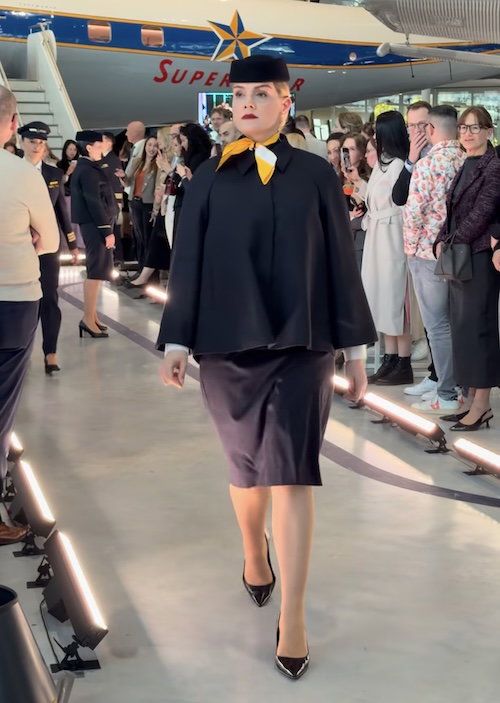
During the runway reveal, Lufthansa took the unconventional step of using actual employees as models. This move was intended to demonstrate how the uniforms look on a variety of body types and age groups, reinforcing the airline’s message that the redesign is a practical tool for its workforce rather than a mere fashion statement.
Strategic Brand Alignment and Economic Scale
The uniform refresh is not merely a stylistic update but a significant capital investment. Outfitting a workforce of Lufthansa’s scale involves the production of hundreds of thousands of individual garments. As of 2025, the Lufthansa Group employs a massive workforce, with a substantial portion requiring specialized corporate attire.
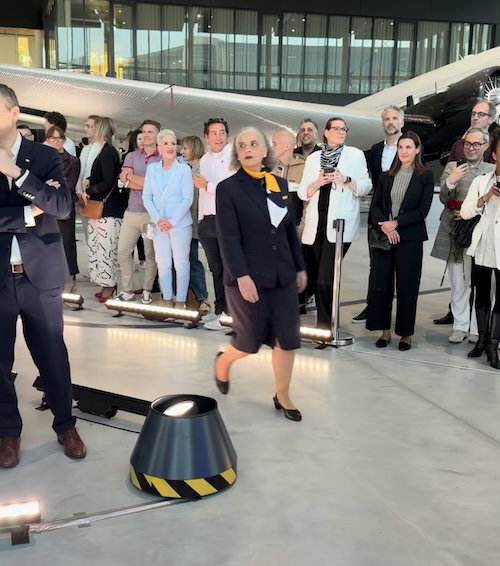
This investment coincides with the rollout of the "Allegris" project, a multi-billion euro investment in new seats and service concepts across all travel classes. By aligning the staff’s appearance with the premium nature of the new cabin interiors, Lufthansa aims to create a "seamless brand experience." In the competitive transatlantic and Eurasian markets, where Middle Eastern and Asian carriers often set high standards for crew grooming and attire, Lufthansa’s update is a necessary step to maintain its standing as a premium five-star carrier.
Comparative Analysis: Global Aviation Trends
When compared to recent uniform launches from other global carriers, Lufthansa’s new look is decidedly conservative. For instance, Riyadh Air recently unveiled a high-fashion, "haute couture" inspired collection, while Aegean Airlines and JetBlue have moved toward more casual, versatile pieces including sneakers and polo shirts.
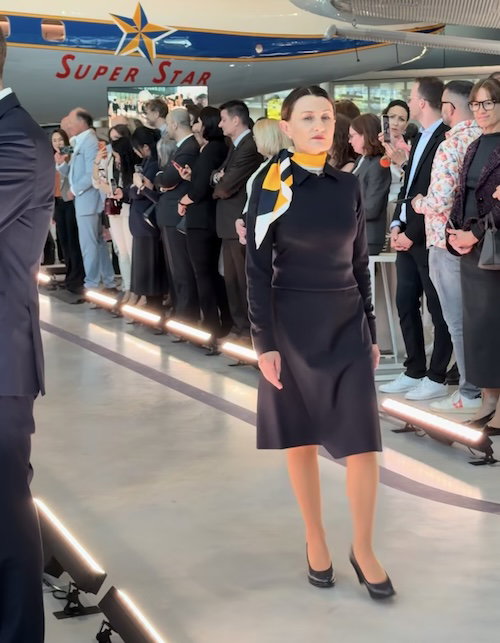
Lufthansa’s choice to stick with traditional tailoring reflects its position as a "legacy" carrier. The airline’s management appears to have prioritized a look that conveys authority and stability. In the context of German corporate culture, which often values functional elegance over transient fashion trends, the Hugo Boss collection is an apt reflection of the national identity.
Industry analysts suggest that this conservative approach may also be a hedge against "design fatigue." By choosing a timeless aesthetic, Lufthansa avoids the need for another expensive redesign in the near future, potentially allowing this new look to serve for another decade or more.
Broader Implications and Next Steps
The full-scale implementation of the new uniforms is expected to occur in phases throughout late 2025 and into 2026. This logistical undertaking includes the establishment of distribution centers and fitting stations at Lufthansa’s primary hubs in Frankfurt and Munich.
The impact of this change extends beyond the flight deck and cabin. Ground staff at check-in counters and in the airline’s lounges will also transition to the new look, ensuring a consistent visual identity from the moment a passenger enters the airport until they reach their destination.
Furthermore, the redesign may have a "trickle-down" effect on other airlines within the Lufthansa Group, such as Austrian Airlines, Swiss International Air Lines, and Brussels Airlines. While these carriers maintain their own distinct brand identities, the group often seeks synergies in procurement and design philosophy.
Conclusion
The August 2025 unveiling of the new Lufthansa uniforms marks the conclusion of a significant chapter in the airline’s history and the beginning of a new era of visual branding. By partnering with Hugo Boss and focusing on a blend of tradition and modern textile technology, Lufthansa has sought to modernize its image without alienating its core identity or its long-serving workforce.
While the changes may appear subtle to the casual observer, the shift represents a comprehensive effort to align the human element of the airline’s service with its modernized fleet and digital infrastructure. As the aviation industry continues to evolve in the post-pandemic era, the new uniforms serve as a statement of Lufthansa’s commitment to professional excellence and its enduring role as a leading global ambassador for German design and hospitality. Passengers can expect to see the new uniforms becoming a common sight at international gateways over the coming months, marking the final piece of the puzzle in Lufthansa’s decade-long brand transformation.


 Anjar Salim
 Dwi Wanna
 Lukman Taruna Persada Ramadan
 Chandra Hamzah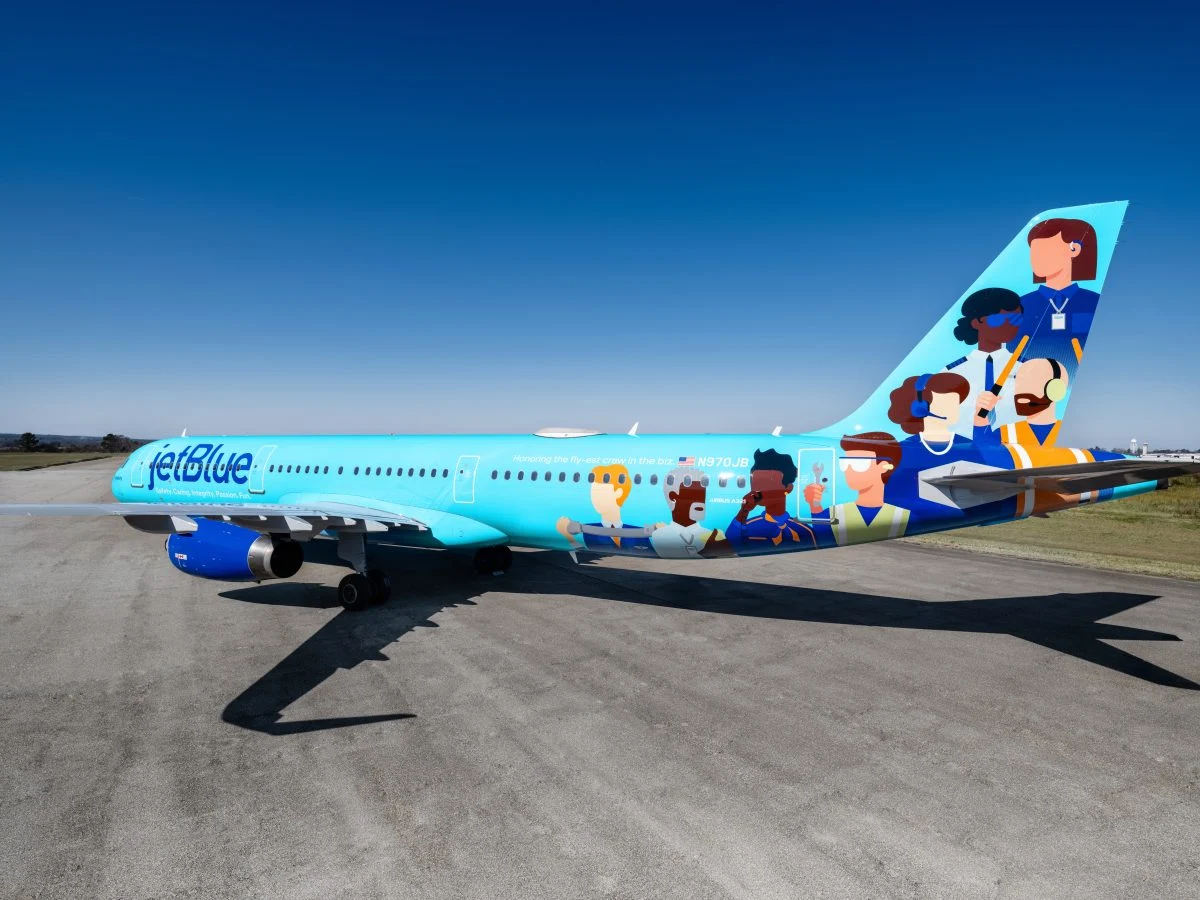
 Gabriela Annisa