
 Hendra Ismail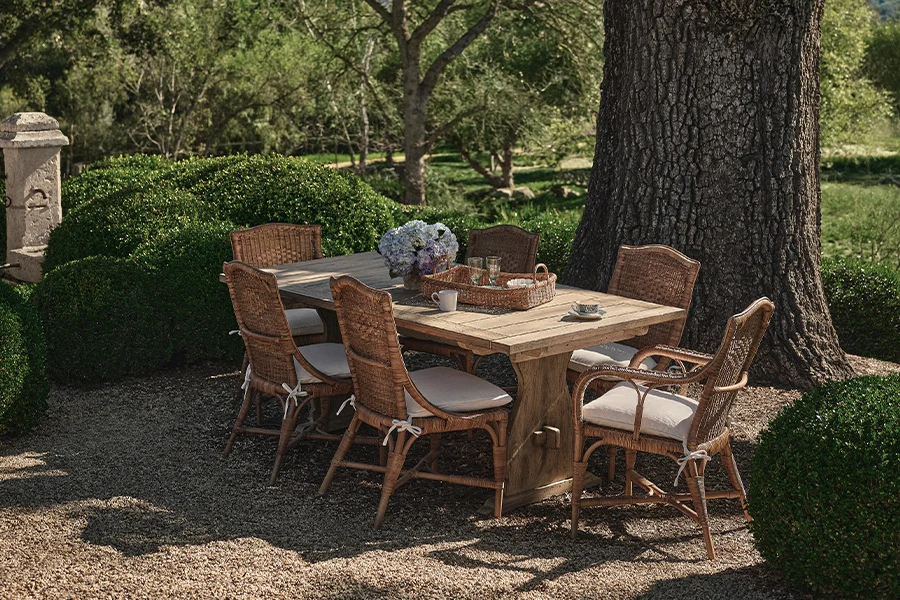
This week’s roundup of notable developments in design, urban planning, and the intersection of celebrity and commerce brings forth a diverse array of stories. From the celebrated icon Pamela Anderson’s foray into outdoor furniture, channeling personal history into a collection, to a significant urban transformation proposed for Brooklyn’s Grand Army Plaza, aiming to reclaim public space from vehicular traffic, these narratives highlight evolving trends and civic aspirations. Meanwhile, the art and design world is buzzing with the unveiling of Roman and Williams’ new New York restaurant, Marcel, which elevates the dining experience by integrating fine art and auction house collaborations. Adding a peculiar twist to the week’s news is the ongoing saga of a sophisticated thief targeting high-end modernist furniture in Los Angeles, underscoring a growing concern for collectors and retailers. Finally, the anticipation builds for the 22nd annual Hospitality Design Awards, with finalists announced and preparations underway for the esteemed ceremony.
Pamela Anderson Designs "Sentimentalist" Outdoor Furniture Collection
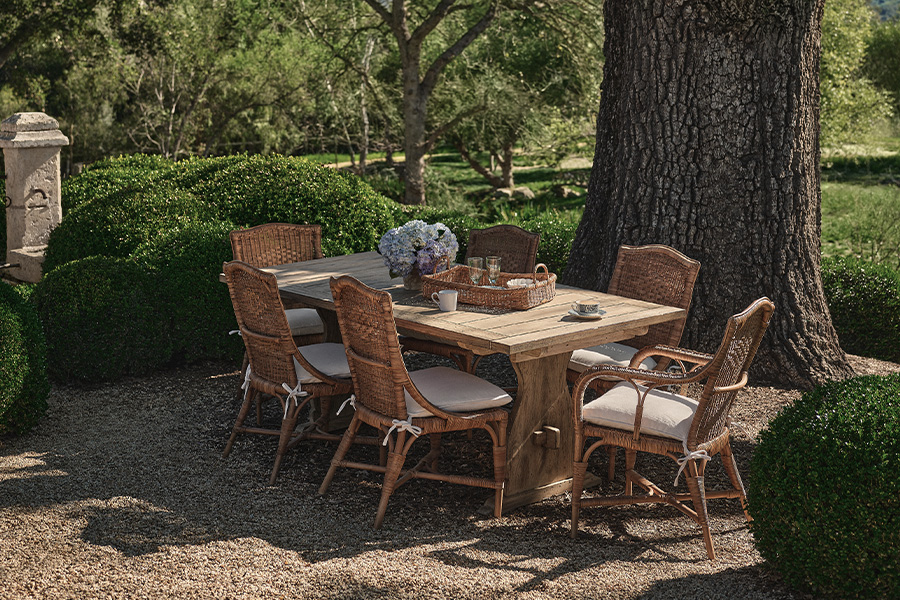
Beloved Canadian-American icon Pamela Anderson has expanded her creative endeavors beyond her well-established public persona, venturing into the realm of furniture design. Known for her advocacy and deep connection to nature, Anderson, an avid gardener, has partnered with Los Angeles-based furniture company Olive Ateliers to launch a comprehensive 40-piece outdoor furniture collection. The series, named "The Sentimentalist," draws profound inspiration from Anderson’s cherished childhood memories of her grandmother’s farm situated along the Salish Sea in British Columbia. This personal narrative imbues the collection with a distinct emotional resonance, aiming to evoke a sense of rustic charm and familial heritage.
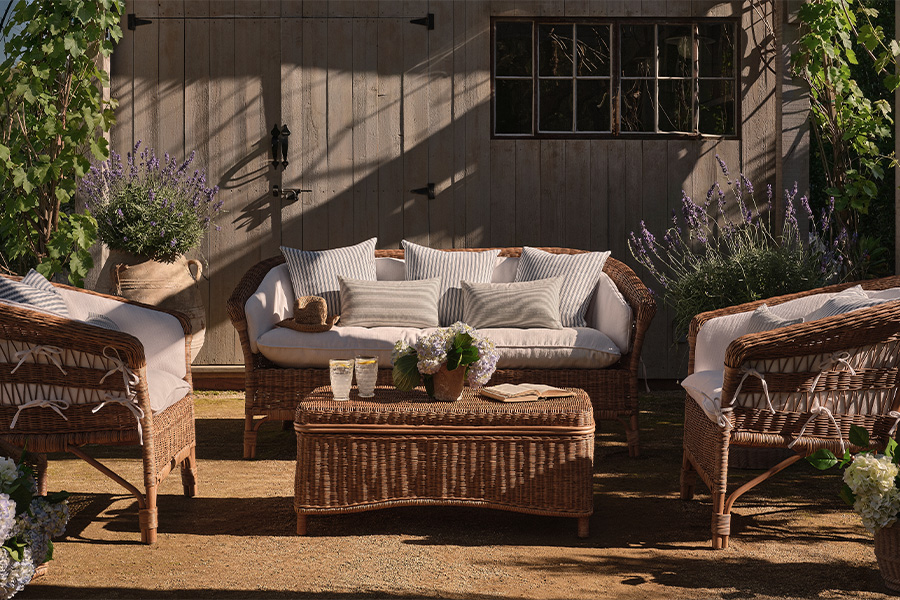
The collection, described by Anderson and Olive Ateliers as possessing a character that is "a little French, a little wild," features a curated selection of outdoor seating and dining options. Among the offerings are outdoor sofas, lounge chairs, and tables, all meticulously crafted from natural rattan, a material celebrated for its sustainability and organic aesthetic. Complementing the rattan elements are upholstery options in serene blue and white stripes, further enhancing the collection’s tranquil and nostalgic appeal. A weathered teak dining table serves as a centerpiece for the collection, providing a durable and timeless addition to outdoor spaces. To ensure longevity and protection against the elements, all pieces in "The Sentimentalist" collection are equipped with covers made from 100 percent olefin, a robust and weather-resistant fabric. This meticulous attention to material and design underscores a commitment to both aesthetic appeal and practical functionality, positioning the collection as a sophisticated choice for discerning consumers seeking to create inviting outdoor living areas. The launch signifies a strategic move for Anderson, leveraging her public profile and personal passions to establish a presence in the competitive home furnishings market, appealing to a demographic that values both style and substance with a touch of personal history.
Brooklyn’s Grand Army Plaza Poised for Transformative Pedestrianization
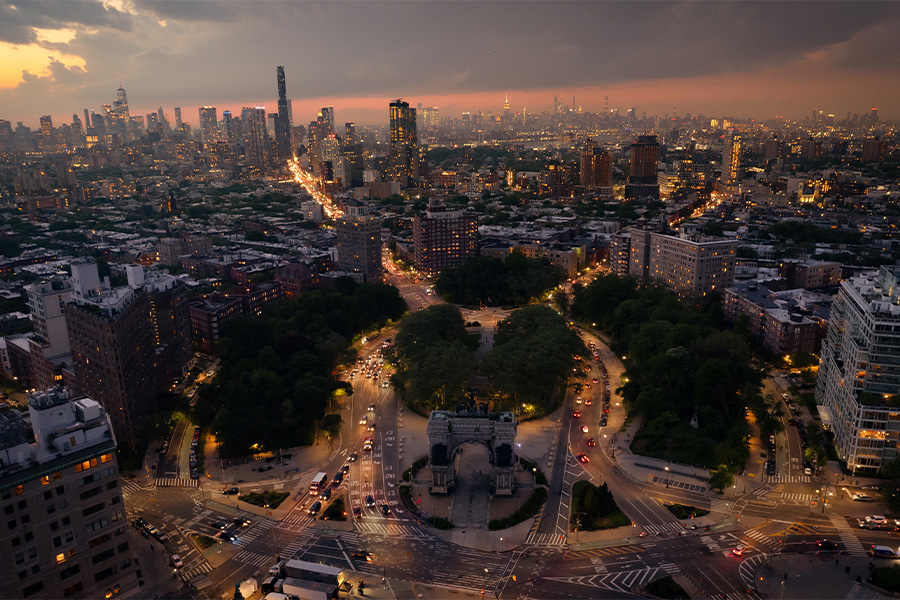
A significant urban revitalization initiative is on the horizon for Brooklyn, New York, as Mayor Zohran Mamdani has unveiled a visionary plan to reimagine Grand Army Plaza, with a strong emphasis on pedestrian accessibility and the reclamation of public space. The proposal, reported by The New York Times, outlines a strategy to significantly reduce or eliminate vehicular traffic in key areas surrounding this prominent Brooklyn landmark, which has historically been a nexus of complex traffic patterns and pedestrian safety concerns.
The current configuration of Grand Army Plaza often presents challenges for pedestrians and cyclists due to its multi-lane roadways and high volume of vehicle movement. Mayor Mamdani’s proposed plan targets the southern end of the plaza, specifically the stretch from Union Street to Eastern Parkway. The initiative seeks to eliminate a congested four-lane crossing, thereby creating a safer and more welcoming environment for those navigating the area on foot or by bicycle. This ambitious undertaking aims not only to enhance pedestrian safety but also to foster a stronger connection between the plaza and the adjacent Prospect Park, a cherished green lung of the borough.
A critical component of the plan involves the restoration and enhanced integration of the Soldiers’ and Sailors’ Memorial Arch, a historic monument that has sometimes been overshadowed by the surrounding traffic infrastructure. By reorienting the plaza’s focus towards its historical and natural assets, the project intends to create a more harmonious urban landscape. The envisioned transformation includes the addition of upgraded bike lanes and dedicated pedestrian walking paths, which collectively are expected to add nearly an acre of accessible public space. This expansion of green and recreational areas is projected to significantly improve the quality of life for residents and visitors alike, promoting outdoor activity and community engagement.
The rationale behind such urban redesigns often centers on the principle of prioritizing human experience over vehicular convenience, a concept gaining traction in urban planning circles worldwide. Cities are increasingly recognizing the benefits of reducing car dependency, which can lead to lower pollution levels, improved public health, and the creation of more vibrant, walkable neighborhoods. The proposed changes to Grand Army Plaza align with this global trend, signaling a commitment to a more sustainable and people-centric urban future for Brooklyn. The project’s success could serve as a model for similar initiatives in other densely populated urban centers facing similar challenges related to traffic congestion and the underutilization of public spaces. The timeline for the proposed changes and their ultimate implementation will be closely watched by urban planners, community advocates, and residents eager to witness this significant enhancement to one of Brooklyn’s most iconic public spaces.
The Enigmatic "Modern Furniture Bandit" of Los Angeles: A Tale of High-End Theft
Los Angeles is currently grappling with a peculiar crime spree, characterized by a thief possessing an unusually refined taste for high-end modernist furniture. The individual, identified as Zack Vincler, has become the subject of an ongoing investigation involving sophisticated theft operations that target valuable vintage and designer pieces. The intricacies of these heists have garnered significant attention, revealing a pattern of deception and audacious execution.
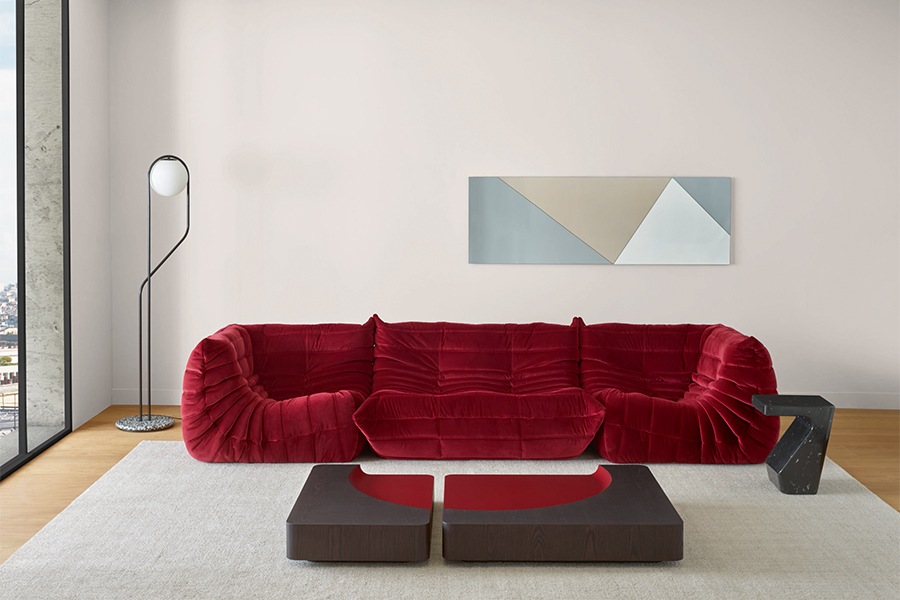
The saga began to unfold when Amanda Hallberg, an individual who had sold an Eames chair online for $684, discovered that the buyer had used a stolen credit card. Through her own investigative efforts, Hallberg traced the transaction to Zack Vincler, with a delivery address listed in Washington, D.C. This incident was not isolated. Investigations revealed that Vincler was also linked to a similar scam involving Merit, a high-end vintage furniture store in Los Angeles. Merit had processed a transaction for a $7,800 Togo sofa, also purchased using stolen credit card information.
The scope of Vincler’s alleged criminal activities escalated significantly with the reported theft of a $58,000, 21-piece sofa from the same store during a late-night burglary. The audacity and apparent planning involved in these thefts have left law enforcement and victims seeking answers. In response to the growing number of victims, a dedicated website, "Stolen by Zack Vincler," has been established. This platform serves as a central hub for individuals who believe they have been defrauded or whose property has been stolen by Vincler, with over a dozen victims reportedly coming forward.
The story takes a further surreal turn with the revelation that victims and investigators have not only identified Vincler but have also reportedly encountered him directly and even discovered his Hinge dating profile. This confluence of high-value theft, sophisticated online fraud, and surprisingly accessible personal information paints a complex picture of the individual involved. The ongoing investigation, detailed in reports by NBC News, highlights the challenges faced by retailers and consumers in the high-value goods market, as well as the innovative, albeit illicit, methods employed by some criminals. The case raises questions about the security measures in place for online transactions of luxury items and the potential vulnerabilities that can be exploited. The eventual apprehension and prosecution of Vincler, if successful, will likely offer a clearer understanding of the full extent of his operations and serve as a cautionary tale for the industry.
Roman and Williams Elevates Dining to an Art Form at Marcel
The renowned interior design firm Roman and Williams has once again set a new benchmark for sophisticated hospitality with the unveiling of their latest New York City venture, Marcel. Located within the recently revitalized Breuer building in Manhattan, this 104-seat restaurant is designed to be more than just a dining establishment; it is conceived as a high-art experience, seamlessly blending culinary excellence with a curated display of fine art.
Marcel embodies the signature aesthetic of Roman and Williams, characterized by its timeless elegance and attention to detail. The interior design features rich walnut paneling, plush dusty cocoa mohair upholstery, and a striking jewel box bar. The bar itself is adorned with metal lamps meticulously designed by Marcel Breuer, the building’s original architect, creating a direct dialogue between the space’s heritage and its contemporary function. This thoughtful integration of historical elements contributes to the restaurant’s ambiance, evoking a sense of classic glamour and refined comfort.
What truly distinguishes Marcel, however, is its ambitious art program, a collaboration that transforms the dining room into a dynamic exhibition space. In partnership with Sotheby’s, the world-renowned auction house, Marcel will regularly feature rotating masterworks on its walls. These pieces will include significant works such as Joan Mitchell’s "King of Spades," and will be displayed alongside items destined for upcoming auctions or on loan from collectors. This innovative approach not only enriches the dining experience for patrons but also offers a unique platform for art appreciation and engagement, bringing museum-quality art into a social setting.
The curated selection extends beyond paintings to include works by celebrated artists such as Andy Warhol, Alexander Calder, Henri Matisse, and John Chamberlain. The collection is further diversified with the inclusion of fine jewelry, rare extraterrestrial artifacts like asteroid chunks, and even a Tyrannosaurus Rex tooth, adding an element of wonder and eclecticism to the display. This eclectic mix of art and artifacts underscores Roman and Williams’ commitment to creating environments that are both visually stimulating and intellectually engaging. The integration of an auction house’s inventory within a restaurant setting is a novel concept, potentially fostering a new model for how art is showcased and consumed. The success of Marcel’s art program could inspire further collaborations between the hospitality and art worlds, redefining the restaurant as a cultural hub. The strategic placement within the Breuer building, a landmark of modern architecture, further amplifies the project’s artistic and historical significance.
Anticipation Builds for the 22nd Annual Hospitality Design Awards
The hospitality industry is abuzz with excitement as the finalists for the prestigious 22nd annual Hospitality Design (HD) Awards have been officially announced. This year’s competition saw an overwhelming response, with two dedicated judging panels meticulously evaluating over 1,000 entries across a comprehensive spectrum of categories. The finalists represent the pinnacle of innovation and excellence in both project design and product development within the hospitality sector.
The rigorous selection process spanned 34 distinct project categories, acknowledging outstanding achievements in hotel, restaurant, and resort design, among others. Concurrently, 15 product categories recognized the most impactful and forward-thinking contributions from manufacturers and suppliers. The diversity and caliber of the submissions reflect the dynamic and ever-evolving nature of the hospitality design landscape.
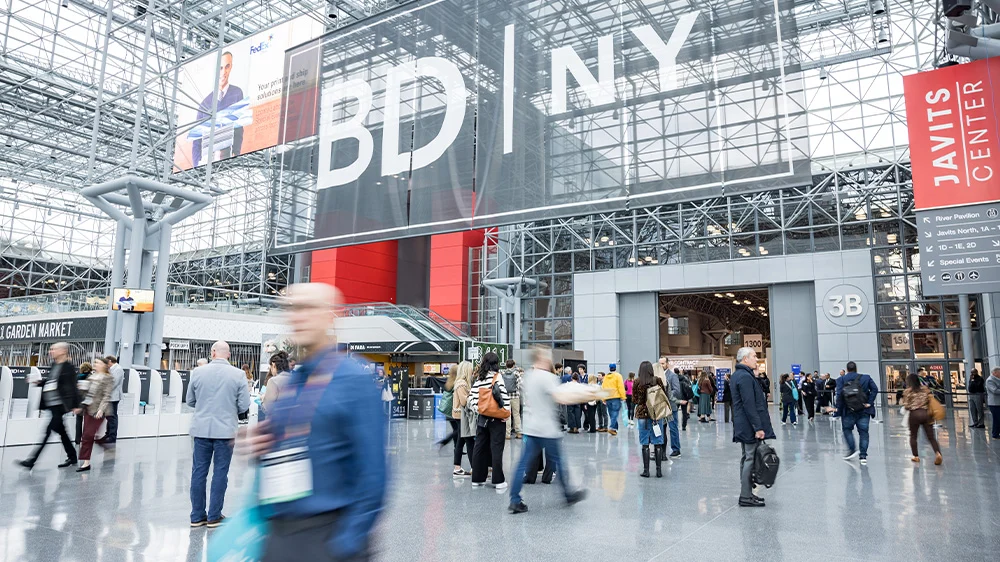
The culmination of this extensive evaluation will be a live ceremony scheduled to take place on May 5th in Las Vegas. This event will coincide with the highly anticipated HD Expo + Conference, a premier trade show for the hospitality industry. The ceremony will not only celebrate the finalists but will also unveil the ultimate winners in each category, recognizing their exceptional contributions to the field. Industry professionals, designers, architects, and brand representatives are expected to gather for this significant occasion, providing a valuable networking opportunity and a platform to celebrate the industry’s brightest talents. Tickets for the event are available for purchase, encouraging widespread participation in this esteemed recognition program. The HD Awards have long been a benchmark for excellence, and this year’s event promises to be a significant highlight on the industry calendar, showcasing the trends and innovations that are shaping the future of hospitality design.


 Anjar Salim
 Chandra Hamzah
 Tatiana Tantri Indah Sari
 Budi Mulyono
 Lukman Taruna Persada Ramadan
