
 Tatiana Tantri Indah Sari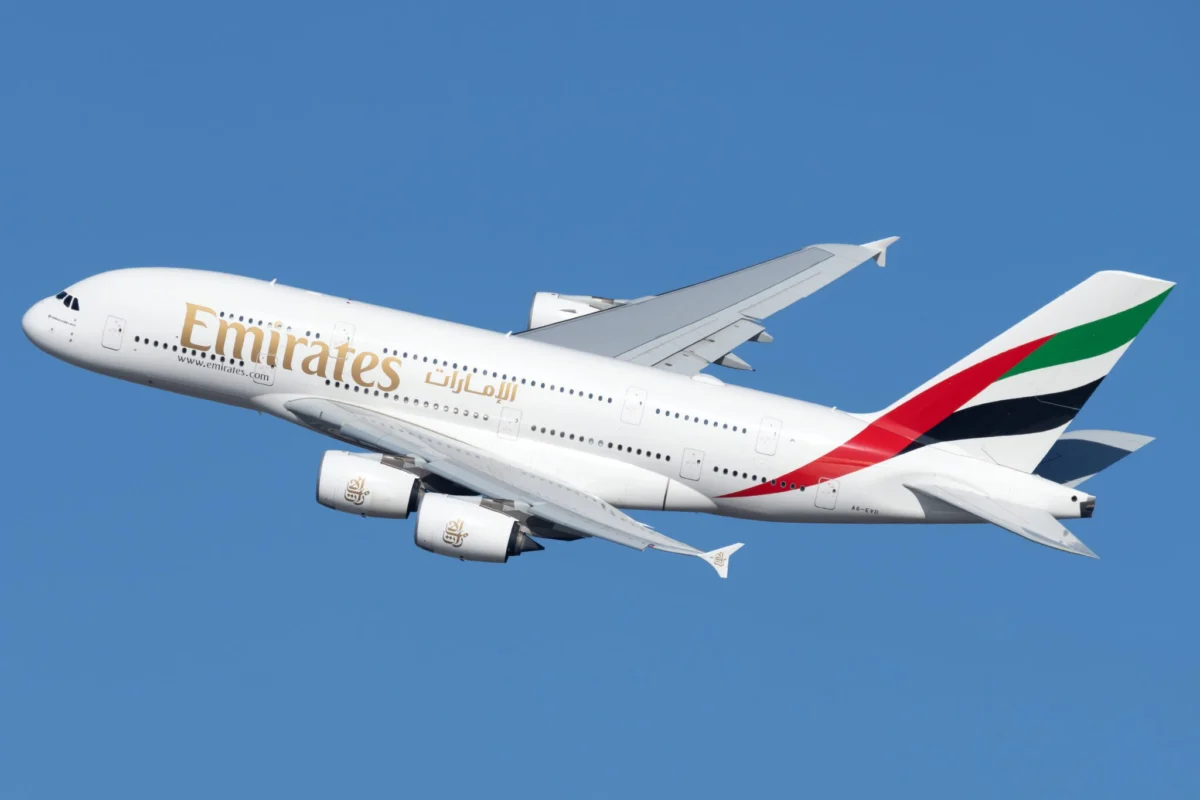
Emirates, the Dubai-based airline renowned for its pioneering luxury offerings, is planning to introduce en-suite bathrooms within its first-class cabins, a groundbreaking development announced by the airline’s president, Sir Tim Clark. The revelation signals a new frontier in premium air travel, promising an unprecedented level of privacy and comfort for elite passengers. While no definitive timeline was provided, the ambitious concept underscores Emirates’ enduring commitment to redefining the inflight experience and pushing the boundaries of aviation luxury.
A Vision for Ultimate Privacy: Sir Tim Clark’s Announcement
Sir Tim Clark, a towering figure in the aviation industry who has led Emirates since 2003, made the significant announcement during a video call at the CAPA Airline Leader Summit in Berlin. "I’m working on en-suite bathrooms in first class suites," Clark stated, elaborating on the airline’s continuous pursuit of innovation. He intentionally amplified the declaration, adding, "I want everybody to hear that, so everyone rushes out the door to find out how they can get bathrooms into first-class suites." This statement, delivered with characteristic foresight, was not merely an internal aspiration but a clear challenge to the wider industry, designed to ignite a new wave of competition in the ultra-luxury segment of commercial aviation.
The announcement, though lacking specific details on implementation or aircraft type, immediately captured the attention of industry observers and luxury travel enthusiasts alike. Emirates, in response to inquiries from publications like Skift, maintained a position of no further comment, indicating that the concept is in its nascent stages or that the airline prefers to keep specifics under wraps until further development. Nevertheless, the declaration from the airline’s long-serving president carries substantial weight, suggesting a serious intent to transform the premium cabin landscape.
Emirates’ Legacy of Luxury Innovation: A Chronology of Firsts
The idea of en-suite bathrooms, while radical, is a logical progression in Emirates’ storied history of introducing groundbreaking premium cabin features. The airline has consistently set benchmarks for luxury in the skies, often transforming what was once considered impossible into industry standards.
- 1985: Emirates is founded, quickly establishing itself with a focus on high-quality service.
- Early 2000s: As the airline expanded its global network, it began to differentiate its premium offerings, moving beyond traditional business and first-class seating to more exclusive, personalized experiences.
- 2003: Sir Tim Clark assumes the role of President, accelerating the airline’s trajectory as a global luxury leader.
- 2008: A pivotal moment arrived with the introduction of the Airbus A380 to Emirates’ fleet. Onboard this double-decker superjumbo, Emirates unveiled its iconic Shower Spas for First Class passengers. These weren’t just standard lavatories; they were elegantly designed shower rooms, offering passengers the unique ability to refresh themselves at 40,000 feet. This move was revolutionary, challenging the perception of what was possible in commercial aviation and cementing Emirates’ reputation for unparalleled luxury. The A380 also featured fully enclosed private suites, complete with sliding doors, a mini-bar, and personal vanity tables, offering an unprecedented level of privacy and space.
- 2017: Emirates further elevated its first-class product with the introduction of its "Game Changer" suites on its Boeing 777-300ER aircraft. Inspired by Mercedes-Benz S-Class, these fully enclosed, floor-to-ceiling suites offered virtual windows in the middle aisle, personal temperature control, and mood lighting, creating a truly personalized and immersive environment. While these suites did not include showers, they represented a significant leap in privacy and technological integration within a smaller aircraft footprint compared to the A380.
The proposed en-suite bathrooms are a natural, albeit highly ambitious, next step in this lineage of innovation. It reflects a continuous drive to enhance the passenger experience, anticipating and exceeding the expectations of the world’s most discerning travelers.
Technical and Operational Implications: A Deep Dive into Feasibility
Implementing en-suite bathrooms within first-class suites presents a formidable array of technical and operational challenges that Emirates, alongside aircraft manufacturers and cabin designers, would need to address.
Space and Cabin Configuration
The most immediate challenge is space. First-class suites, even Emirates’ existing "Game Changer" suites, are already highly optimized for maximum comfort within a limited footprint. Integrating a full bathroom – comprising a toilet, wash basin, and potentially a compact shower – would necessitate a significant reallocation of cabin real estate. This could lead to:
- Reduced Suite Count: Fewer first-class suites per aircraft, directly impacting potential revenue from the highest-paying segment.
- Larger Suite Footprint: Each suite would need to be considerably larger, potentially pushing the boundaries of current aircraft interior design.
- Impact on Other Classes: The expansion of first-class could impinge on the space available for business, premium economy, or economy classes, requiring a complete redesign of the aircraft’s internal layout.
Weight and Performance
Adding a complete bathroom system introduces substantial weight. This includes:
- Plumbing Infrastructure: Pipes, pumps, and water heaters.
- Water Tanks: Storage for fresh water and greywater (used water). The A380 showers already require dedicated water tanks, but a system for individual suites would add complexity and distributed weight.
- Waste Management: Holding tanks for blackwater (toilet waste) and a sophisticated waste disposal system.
- Fixtures and Fittings: Toilets, sinks, showers, mirrors, and cabinetry, which must be lightweight yet durable and aesthetically pleasing.
Increased weight directly translates to higher fuel consumption, increased operating costs, and potentially reduced payload capacity or range. For an airline operating ultra-long-haul routes, every kilogram counts towards economic viability. Engineering solutions would need to focus on ultra-lightweight materials and highly efficient systems to mitigate this impact.
Plumbing, Waste, and Ventilation Systems
Designing and installing a robust plumbing system that functions reliably at high altitudes, endures extreme temperatures, and adheres to stringent safety regulations is incredibly complex. Issues such as water pressure, drainage, freezing prevention, and leak detection must be meticulously addressed. Furthermore, efficient waste management and ventilation systems are crucial to ensure hygiene and prevent odors from permeating the cabin, a critical factor for passenger comfort. Each en-suite bathroom would require its own ventilation, separate from the main cabin air system, to manage moisture and odors effectively.
Certification and Safety Regulations
Any significant modification to an aircraft’s interior, especially one involving water and waste systems, requires rigorous certification from aviation authorities worldwide (e.g., EASA, FAA). This process is lengthy and costly, involving extensive testing to ensure structural integrity, fire safety, electrical safety, and overall airworthiness. The introduction of multiple water systems and associated electrical components within individual suites would add layers of complexity to this certification process.
Aircraft Compatibility
While Sir Tim Clark did not specify which aircraft would host these en-suite bathrooms, the most likely candidates would be wide-body, long-haul aircraft.
- Airbus A380: The A380, with its vast interior volume, already accommodates the Shower Spas and is arguably the most suitable platform for such an ambitious feature. However, Airbus has ceased A380 production, and Emirates is gradually retiring older units. While existing A380s could theoretically be retrofitted, this would be an immense undertaking.
- Boeing 777X (777-9): Emirates is a major customer for the new Boeing 777X, particularly the 777-9, which will become a backbone of its long-haul fleet. Integrating en-suite bathrooms into a newly designed aircraft like the 777X would be more feasible than retrofitting older models, allowing for integration from the ground up during the design phase. However, the 777X is smaller than the A380, making space allocation even more challenging.
- Future Aircraft: The concept might also be intended for a future generation of aircraft that are specifically designed to accommodate such luxury features.
Market Dynamics and Competitive Landscape
Emirates’ announcement is not just about a product; it’s a strategic move in the highly competitive luxury travel market.
The Race for Ultra-Luxury
The airline industry has seen a continuous "arms race" in premium cabins, especially on lucrative long-haul routes. Airlines compete fiercely for high-yield passengers – business executives, celebrities, and ultra-high-net-worth individuals – who prioritize comfort, privacy, and exclusivity.
- Singapore Airlines Suites: Known for their double beds and exquisite design on the A380.
- Etihad Airways’ The Residence: A three-room suite on the A380, complete with a private living room, bedroom, and en-suite shower, serviced by a dedicated butler. This is perhaps the closest existing competitor to Emirates’ proposed offering, though The Residence is a singular, ultra-exclusive offering rather than a standard first-class suite.
- Qatar Airways Qsuite: While technically a Business Class product, its sliding doors, customizable privacy, and ability to convert into a double bed or a quad-suite for families have blurred the lines with traditional first-class.
Emirates’ en-suite bathroom concept aims to leapfrog these competitors by offering an unmatched level of personal amenity within each individual suite, effectively bringing the hotel room experience closer to the sky.
Targeting the Discerning Traveler
The target demographic for such a product is highly specific. These passengers are willing to pay a substantial premium for:
- Ultimate Privacy: The ability to use a personal bathroom without leaving their suite, avoiding common cabin lavatories entirely.
- Enhanced Hygiene: A private, sanitized space, particularly appealing in a post-pandemic world where cleanliness and personal space are paramount.
- Convenience: The luxury of having all amenities within arm’s reach, minimizing disruptions during long flights.
- Status and Exclusivity: A feature that signifies the pinnacle of luxury travel, elevating their status and offering an experience unavailable elsewhere.
Revenue Generation and Brand Reinforcement
While the upfront investment and ongoing operational costs for such a feature would be substantial, the potential for commanding ultra-premium fares is significant. Such unique selling propositions allow airlines to justify higher prices, improve yield management, and attract a segment of the market that is less price-sensitive. Moreover, the announcement itself generates immense brand publicity, reinforcing Emirates’ image as an innovator and a leader in luxury aviation, even before the product is launched. This strategic PR helps to maintain its top-of-mind recall among affluent travelers.
Economic Considerations and Return on Investment
The economic viability of en-suite bathrooms will depend on a careful balance of investment, operational costs, and potential revenue generation.
Substantial Investment
The research and development, design, engineering, manufacturing, and certification of such a complex cabin feature would entail an investment of hundreds of millions of dollars. This includes not only the physical components but also the intellectual property and human capital required to bring the concept to fruition.
Operational Costs
As previously mentioned, increased weight leads to higher fuel burn. Maintenance costs for sophisticated plumbing and waste systems would also be higher than standard cabin lavatories. Training cabin crew to manage and service these new features would be another operational expense.
Calculating Return on Investment (ROI)
Emirates’ decision to pursue this innovation suggests a belief in its long-term ROI. The airline would analyze factors such as:
- Increased Market Share: Attracting a larger share of the ultra-luxury travel market.
- Premium Pricing Power: The ability to charge significantly higher fares for these exclusive suites.
- Brand Value Enhancement: The intangible benefits of being perceived as the world leader in luxury air travel, which can positively impact bookings across all cabin classes.
- Customer Loyalty: Cultivating a highly loyal customer base among the world’s wealthiest travelers.
The success of Emirates’ A380 Shower Spas, which have become a defining feature of its brand, likely provides a strong business case for further luxury investments, even if the direct revenue from those specific amenities is difficult to isolate.
Passenger Experience: Beyond Comfort to Personal Sanctuary
The introduction of en-suite bathrooms would fundamentally alter the first-class passenger experience, transforming a private suite into a truly personal sanctuary.
- Unrivaled Privacy: Passengers would no longer need to use communal lavatories, however well-appointed. This offers an unparalleled level of personal space and discretion, particularly valuable for high-profile individuals.
- Enhanced Hygiene and Well-being: The ability to use a private, dedicated bathroom offers superior hygiene control. For long-haul flights, the psychological comfort of having a personal washing facility can significantly reduce travel fatigue and enhance overall well-being.
- Seamless Experience: The transition from sleeping or working in the suite to using the bathroom would be seamless, mirroring the convenience of a luxury hotel room.
- Reduced Waiting Times: Eliminating the need to wait for a shared first-class lavatory.
This move aligns with the broader trend of "hotelification" in premium air travel, where airlines strive to replicate the comfort, services, and privacy of five-star accommodations in the sky.
Timeline and Future Outlook
Sir Tim Clark’s announcement, while bold, notably lacked a timeline. This is typical for such ambitious projects in aviation, where development cycles can span several years.
- Conceptualization and Design: The current phase is likely still in advanced conceptualization and preliminary design.
- Engineering and Prototyping: This would involve detailed engineering studies, material selection, system integration, and the creation of prototypes for testing.
- Certification Process: As discussed, this is a lengthy and rigorous phase.
- Manufacturing and Installation: Once certified, the features would need to be manufactured and installed, either in new aircraft during production or through extensive retrofits.
Given these stages, it is realistic to expect that if these en-suite bathrooms materialize, they would likely appear on Emirates’ new generation of aircraft, such as the Boeing 777-9, potentially towards the latter half of the decade or beyond. The initial statement serves more as a declaration of intent and a vision for the future rather than an imminent product launch.
Conclusion: Emirates’ Enduring Vision for Luxury Travel
Sir Tim Clark’s tenure at Emirates has been characterized by a relentless pursuit of excellence and a bold vision for the future of air travel. From the introduction of the A380 Shower Spas to the "Game Changer" suites, Emirates has consistently demonstrated its willingness to invest heavily in premium products to differentiate itself in a crowded global market. The proposed en-suite bathrooms in first-class suites are another testament to this enduring philosophy.
This announcement is more than just a product idea; it is a strategic statement about Emirates’ long-term commitment to leading the luxury segment of the aviation industry. By publicly challenging the industry to innovate, Sir Tim Clark reaffirms Emirates’ role as a trendsetter, ensuring that the airline remains at the forefront of passenger experience, pushing the boundaries of what is conceivable in the skies. While the practicalities are complex and the timeline uncertain, the vision of a private, en-suite bathroom at 40,000 feet firmly establishes the next frontier in ultra-luxury air travel, a frontier Emirates appears determined to conquer.



 Anjar Salim
 Chandra Hamzah
 Budi Mulyono
 Lukman Taruna Persada Ramadan
