Tatiana Tantri Indah Sari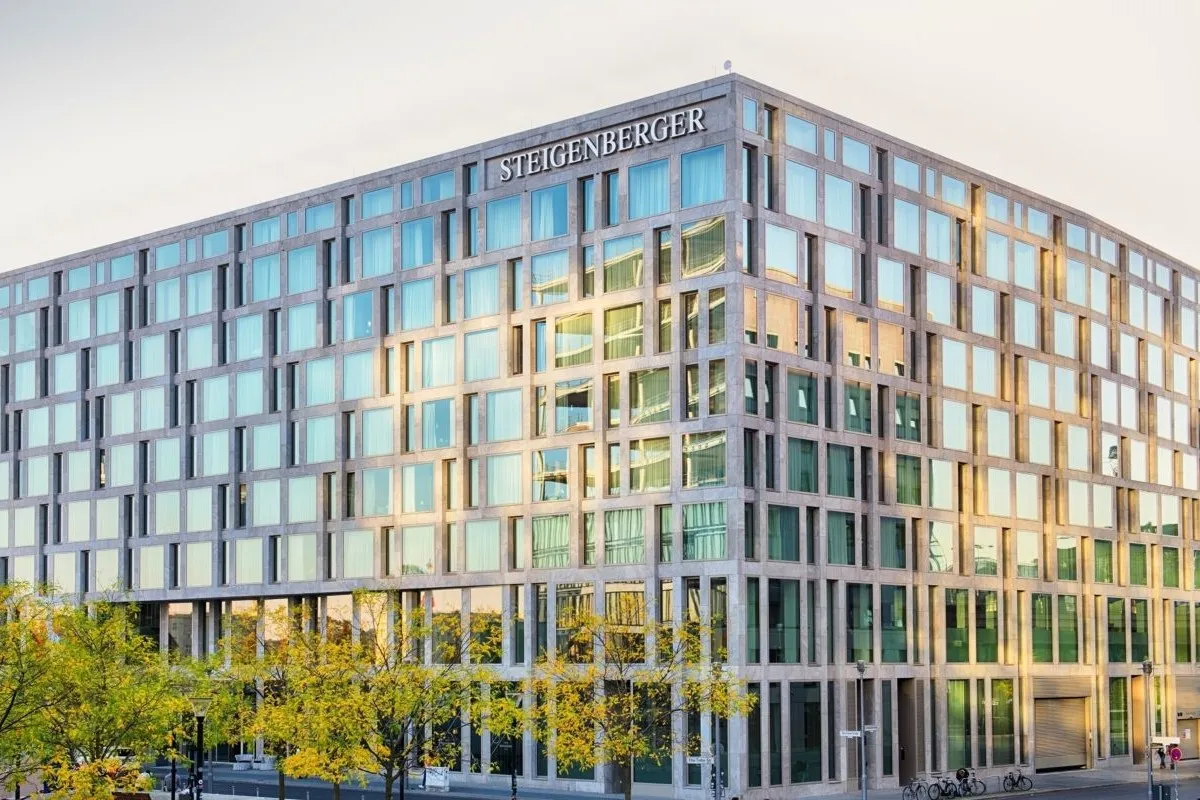
H World International has announced a significant return to profitability for the first time since its acquisition in 2019 by its Chinese parent company, H World Group, a deal valued at approximately €700 million ($819 million). The European subsidiary, formerly known as Deutsche Hospitality, which operates a portfolio of 118 hotels as of the close of 2025, reported an adjusted EBITDA of approximately €63 million ($73.7 million). This marks a substantial financial turnaround from the previous year’s loss of around €19 million ($22.2 million), underscoring a period of strategic recalibration and recovery in the global hospitality sector.
The achievement represents a critical milestone for H World Group’s international expansion strategy, which saw the Chinese hotel giant — then known as Huazhu Group — make a bold move into the European market. The acquisition of Deutsche Hospitality, a well-established German chain with a rich history dating back to 1930, was intended to accelerate H World’s global footprint and diversify its revenue streams beyond its dominant domestic market. However, the ambitious post-acquisition integration and growth plans were almost immediately overshadowed by the unprecedented global crisis of the COVID-19 pandemic, which brought the international travel and hospitality industries to a near standstill for several years.
The Acquisition and the Pandemic’s Shadow (2019-2022)
The 2019 acquisition was heralded as a strategic coup for H World Group, providing it with a robust portfolio of brands including Steigenberger Hotels & Resorts, IntercityHotel, Jaz in the City, MAXX by Steigenberger, and Zleep Hotels. At the time, Deutsche Hospitality managed over 100 properties across 19 countries, primarily in Europe, offering H World a ready-made platform for European expansion and brand diversification. The synergy was envisioned to combine Deutsche Hospitality’s strong brand equity and operational expertise in the upscale and luxury segments with H World’s technological prowess, vast loyalty program, and efficient operational models honed in the competitive Chinese market.
However, just months after the deal’s finalization, the world plunged into the COVID-19 pandemic. The hospitality industry, particularly in Europe which implemented stringent lockdowns and travel restrictions, was among the hardest hit. Hotels faced plummeting occupancy rates, widespread cancellations, and unprecedented operational challenges. For H World International, then grappling with the complexities of integrating a new corporate culture and operational systems, the pandemic presented an existential threat. The initial years post-acquisition were characterized by significant losses, as hotels struggled with minimal demand, high fixed costs, and an uncertain future. Industry-wide, RevPAR (Revenue Per Available Room) — a key performance indicator — saw historic declines across Europe, with many markets experiencing drops of 50-70% in 2020 and 2021 compared to pre-pandemic levels. The focus shifted from growth and integration to survival and cost containment, necessitating difficult decisions regarding staffing, property maintenance, and investment deferrals.
Navigating Recovery: Strategic Shifts and Leadership
As global travel began its slow and uneven recovery from mid-2022 onwards, H World International embarked on a concerted effort to stabilize its operations and reclaim market share. This period saw a renewed emphasis on domestic tourism, leisure travel, and the gradual return of business and MICE (Meetings, Incentives, Conferences, Exhibitions) segments. The company focused on optimizing its existing portfolio, enhancing guest experiences, and leveraging H World Group’s technological capabilities for more efficient booking systems, loyalty programs, and data analytics.
A pivotal development in this recovery phase was the evolution of the leadership structure. Dr. Stephan Hungeling, who assumed full responsibility as H World International CEO in April 2025, has been instrumental in steering the company through this critical period. His appointment and subsequent full mandate reflect a strategic decision by the parent company to empower local leadership with a deep understanding of the European market, while still aligning with the broader corporate vision. This leadership transition underscores a commitment to fostering agility and responsiveness in a dynamic market environment.
Unpacking the Numbers: A Deep Dive into 2025 Performance
The reported adjusted EBITDA of €63 million for 2025 stands as a testament to these efforts. This figure represents a remarkable turnaround from the €19 million loss recorded in the preceding year, illustrating a significant swing of approximately €82 million in operational profitability. This improvement was driven by several key factors:
- Revenue Growth: The company reported an impressive 8.5% year-over-year growth in hotel turnover for 2025. This indicates a strong rebound in demand across its European portfolio. This growth likely stemmed from a combination of increased occupancy rates as travel restrictions eased and consumer confidence returned, alongside an improvement in Average Daily Rate (ADR) as hotels were able to command higher prices. The recovery of business travel and the MICE sector, which typically generate higher revenue per guest, also played a crucial role.
- Operational Efficiency: A swing from significant loss to profitability often involves rigorous cost management and operational optimization. Under Dr. Hungeling’s leadership, H World International likely implemented tighter controls on operating expenses, streamlined supply chains, and potentially optimized staffing levels to match demand more efficiently. Leveraging H World Group’s scale and procurement power could have also contributed to better cost structures.
- Market Recovery Tailwinds: The European hospitality market experienced a robust recovery in 2025, driven by pent-up demand for leisure travel, a strong summer season, and the gradual return of international visitors. Data from leading hospitality analytics firms indicated that RevPAR across key European cities and regions surpassed 2019 levels in many instances during 2025, signaling a full recovery and, in some cases, growth beyond pre-pandemic performance. H World International’s performance aligns with and benefits from these broader market trends.
- Brand Strategy: The multi-brand strategy of H World International, catering to different segments from economy (Zleep Hotels) to luxury (Steigenberger Hotels & Resorts), likely allowed it to capture demand across various price points and customer profiles during the recovery phase.
A CEO’s Cautious Optimism: The Path to Sustainable Turnaround
Despite the jubilant news of profitability, Dr. Stephan Hungeling remains measured in his assessment, highlighting the need for sustained performance to truly declare a turnaround. "It was the first time since the acquisition that we achieved more than €60 million reported EBITDA," he stated. His subsequent remark, "We need to make sure that we again exceed €60 million… Then I think we can really talk about turnaround," provides crucial insight into the company’s forward-looking strategy.
This cautious optimism reflects a deep understanding of the hospitality industry’s inherent volatility and the challenges that still lie ahead. It signifies that while 2025 was a landmark year, the focus is now on embedding sustainable profitability and growth. This implies a continued emphasis on:
- Consistent Performance: Ensuring that the factors driving profitability in 2025 are not one-off but are systemic and repeatable year-on-year.
- Market Share Growth: Beyond just recovering, actively seeking to grow its presence and market share in key European markets. This could involve new hotel openings, strategic partnerships, or further acquisitions.
- Innovation and Guest Experience: Continuously investing in property renovations, digital services, and personalized guest experiences to maintain competitiveness and loyalty.
- Talent Development: Attracting and retaining top talent in a competitive labor market, especially given the increased demand for skilled professionals in the recovering hospitality sector.
- Adaptability: Remaining agile and responsive to evolving consumer preferences, technological advancements, and potential future market disruptions.
Broader Implications for H World Group’s Global Ambitions
The return to profitability for H World International holds significant implications for its parent, H World Group. For the Chinese hotel giant, this achievement validates its strategic decision to invest heavily in the European market, a move that faced considerable headwinds in its initial years.
- Validation of Global Strategy: It provides tangible proof that H World Group’s vision for global expansion, integrating local expertise with its formidable operational and technological backbone, can succeed even in challenging international markets.
- Enhanced Financial Position: A profitable European subsidiary contributes positively to H World Group’s consolidated financial results, strengthening its balance sheet and providing more capital for future investments, whether in further international expansion or domestic growth.
- Cross-Pollination of Best Practices: The operational efficiencies and market recovery strategies implemented in Europe could offer valuable insights for H World Group’s broader portfolio, particularly as the global travel landscape continues to evolve. Conversely, H World Group’s extensive experience in digital transformation and loyalty programs can be further leveraged within H World International.
- Brand Synergies: The success of H World International enhances the global recognition and reputation of the entire H World ecosystem. It fosters potential for greater collaboration, such as cross-promotional activities for Chinese outbound travelers to Europe and vice-versa, strengthening the overall loyalty program and customer base.
Looking Ahead: Challenges and Opportunities
While the 2025 results are a cause for celebration, H World International, like the broader hospitality industry, faces a complex landscape. Economic uncertainties, including inflation and potential slowdowns in key markets, could impact consumer spending on travel. Geopolitical tensions also pose a constant risk to international tourism flows. Furthermore, rising operational costs, particularly for energy and labor, continue to pressure margins.
However, opportunities abound. The long-term outlook for global travel remains positive, driven by a growing middle class, increased leisure time, and the human desire for experiences. H World International’s diverse brand portfolio positions it well to capture demand across various segments. Continued investment in sustainability initiatives, wellness offerings, and technological integration (such as AI-powered guest services and personalized marketing) will be crucial for maintaining a competitive edge. The company’s focus on sustainable, long-term profitability under Dr. Hungeling’s leadership suggests a strategic path aimed at not just recovering lost ground but building a stronger, more resilient presence in the European hospitality market. The journey from acquisition to profitability, though arduous and pandemic-interrupted, now positions H World International on a firmer footing for future growth and market leadership.

 Chandra Hamzah
 Gabriela Annisa
 Budi Mulyono
 Anjar Salim