
 Anjar Salim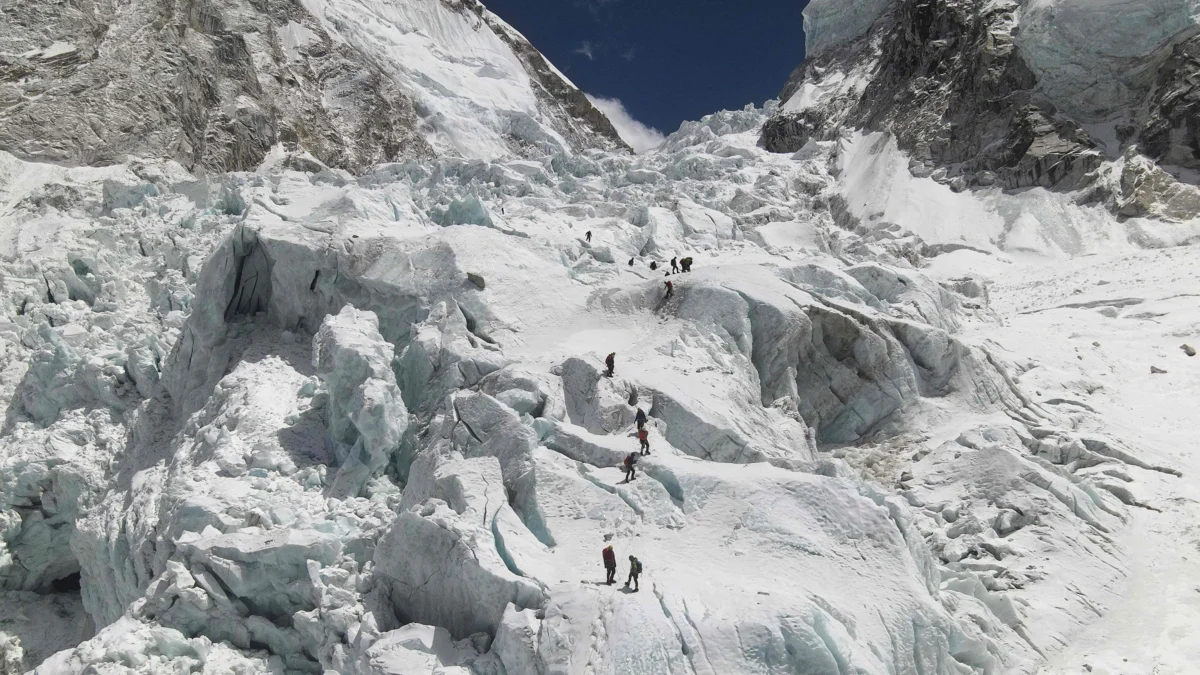
In a significant move to salvage the 2026 spring climbing season, Nepalese government officials and mountaineering industry leaders have finalized an emergency intervention strategy to bypass a hazardous bottleneck in the Khumbu Icefall. The decision, reached on April 24, 2026, comes after nearly three weeks of inactivity on Mount Everest, where a precarious and massive ice tower—or serac—has stalled the progress of the "Icefall Doctors" and left hundreds of climbers stranded at Base Camp. The multi-agency plan involves an unprecedented level of cooperation, utilizing heavy-lift helicopter shuttles and a surge of elite mountain guides to establish the route to the summit before the narrow weather windows of May disappear.
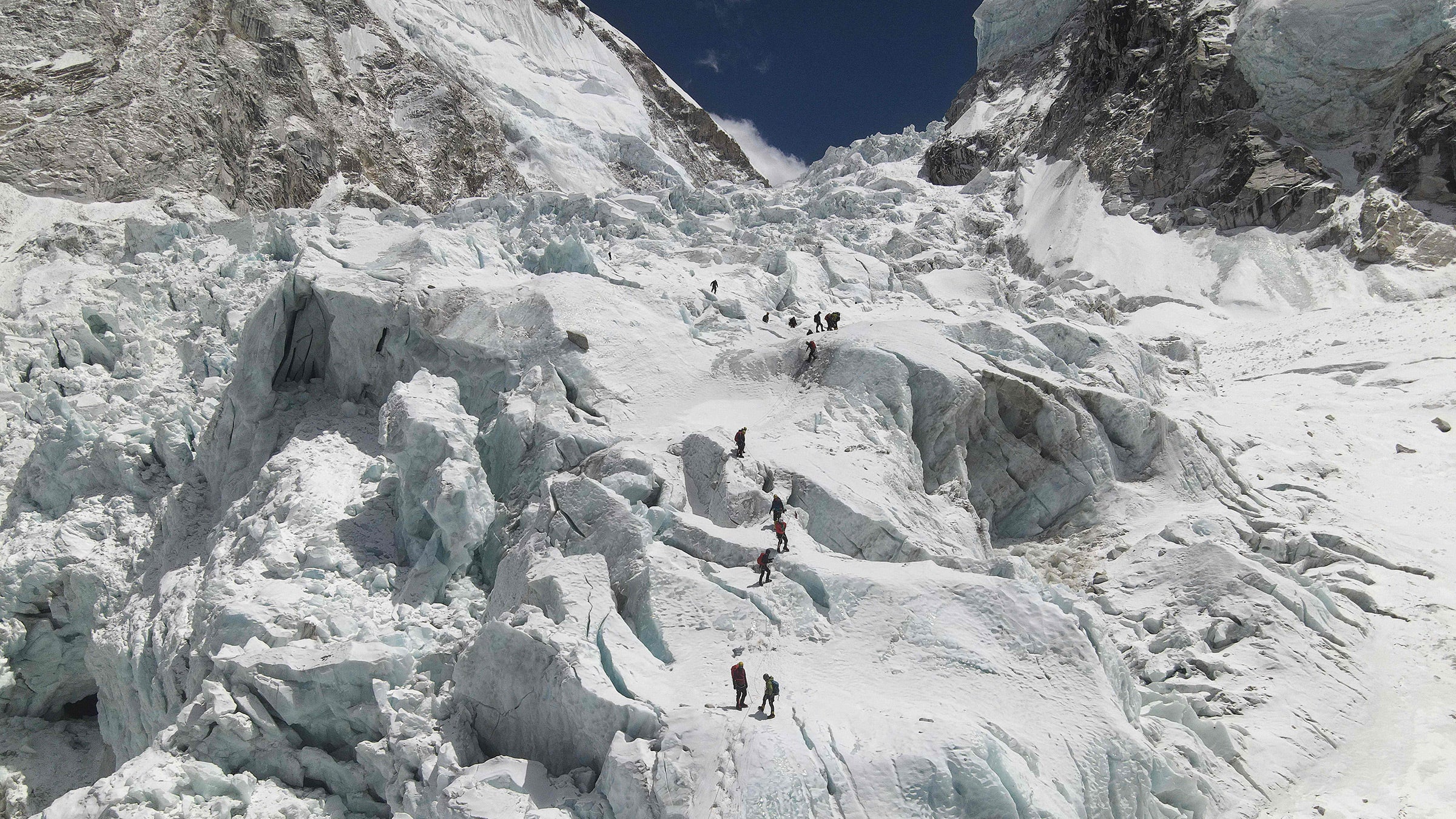
The Khumbu Icefall, a treacherous river of shifting glacial ice located just above Everest Base Camp at approximately 17,500 feet, is traditionally the first and most dangerous obstacle for climbers attempting the South Col route. This year, however, a particularly unstable block of ice near the top of the glacier has created a lethal hazard, preventing the Sagarmatha Pollution Control Committee (SPCC) from completing the network of ropes and ladders required for safe passage. With the season already several weeks behind its typical schedule, the newly announced "two-pronged plan" represents a desperate attempt to synchronize route-fixing efforts both above and within the icefall.
The Two-Pronged Strategy: Helicopters and Manpower
The first component of the emergency plan involves the tactical use of helicopters to bypass the Icefall entirely. Under a special decree from Nepal’s planning committee, officials have authorized up to ten helicopter shuttle flights to transport essential rope-fixing equipment and personnel directly to Camp II, situated at 19,500 feet. This "aerial bridge" is designed to allow the technical rope-fixing team to begin work on the Lhotse Face and the higher reaches of the mountain simultaneously while the lower route is still being secured.
Himal Gautam, Director of Nepal’s Department of Tourism, emphasized that this is a departure from standard operating procedures. Historically, helicopter flights above Base Camp are strictly regulated and reserved primarily for emergency search and rescue operations or the evacuation of injured climbers. However, the severity of the 2026 delay has necessitated a policy shift. "This way, any further delays in the icefall will not slow the fixing on the higher parts of the mountain," Gautam stated. "It will allow both sections to be prepared simultaneously, maximizing the remaining time in the season."
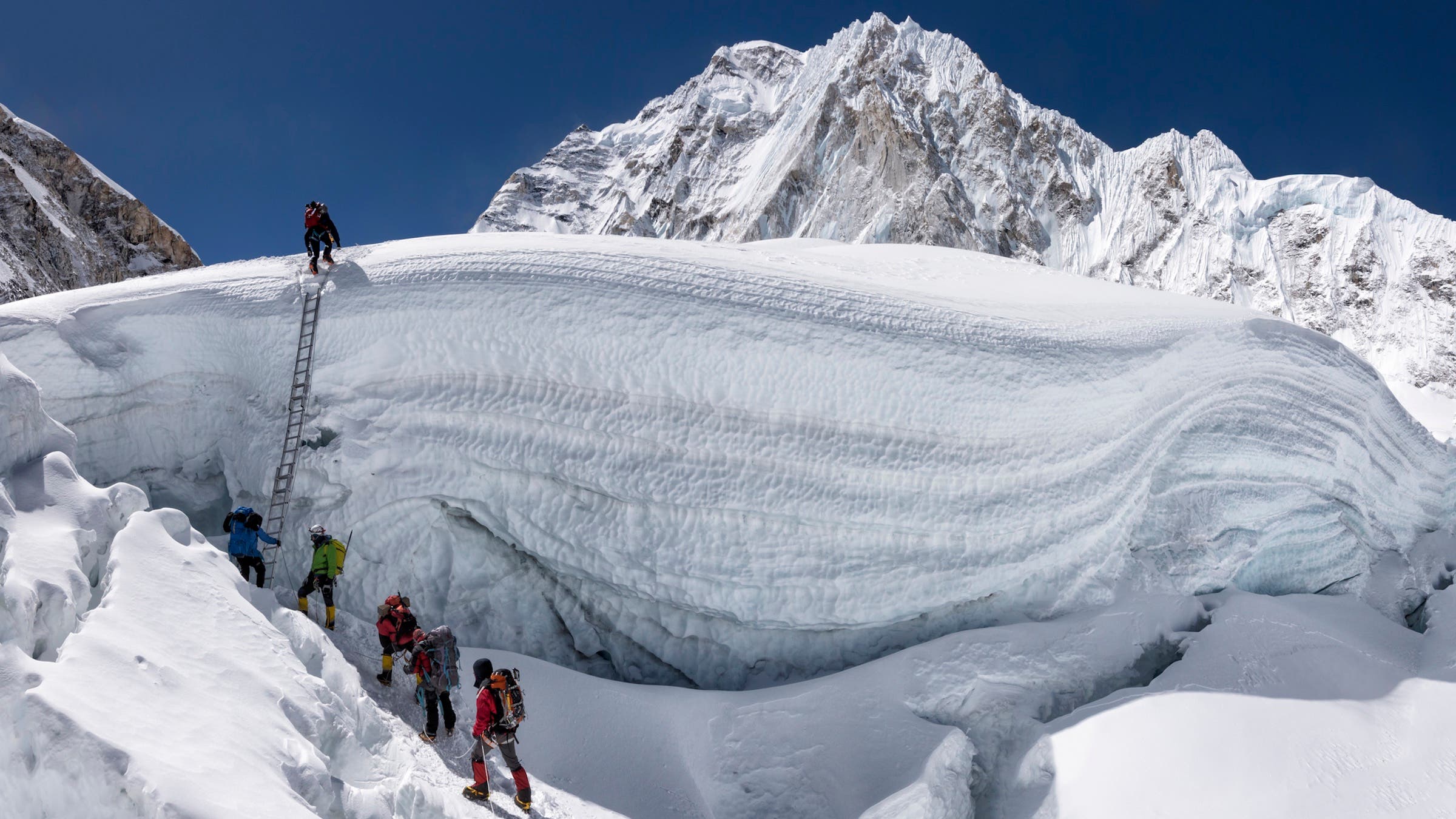
The second thrust of the plan focuses on reinforcing the SPCC’s "Icefall Doctors." This specialized team, which usually consists of six to eight highly skilled Sherpas, is responsible for the grueling task of carrying heavy aluminum ladders and miles of nylon rope into the labyrinth of the glacier to find a navigable path. To expedite this process, the Expedition Operators Association of Nepal (EOAN) has passed a resolution to mobilize additional IFMGA-certified guides and experienced mountain workers from various private expedition teams already at Base Camp. This surge of manpower is intended to help the Icefall Doctors find an alternative path that skirts the dangerous serac, potentially completing the route by April 26.
Chronology of the 2026 Crisis
The 2026 climbing season began with high expectations, but environmental conditions quickly soured. To understand the gravity of the current situation, it is necessary to look at the timeline of the delay:
- Early April 2026: The Icefall Doctors begin their annual task of scouting a route through the Khumbu Icefall. They identify a massive, leaning serac near the "Popcorn" section of the glacier that shows signs of imminent collapse.
- April 10, 2026: In a typical year, such as 2025, the route to Camp II would be established by this date. This year, however, work is halted as the ice block remains "hanging," creating a zone too dangerous for workers to enter.
- April 15–20, 2026: Anxiety grows at Everest Base Camp. Hundreds of climbers from around the world remain stationary. Expedition leaders begin discussing the possibility of a "lost season" if the ice does not fall or a detour is not found.
- April 23, 2026: Emergency meetings are held between the Department of Tourism, the SPCC, and the EOAN to discuss radical interventions, including the use of helicopters.
- April 24, 2026: The formal plan is announced. Helicopter shuttles begin, and the additional manpower is mobilized to the glacier.
- April 26, 2026 (Target): Officials hope to have the full route to Camp II and beyond operational for the first wave of acclimatization climbs.
Technical Hazards of the Khumbu Icefall
The Khumbu Icefall is widely regarded as the most volatile portion of the Everest ascent. The glacier moves at a rate of three to four feet per day, causing deep crevasses to open overnight and massive ice towers to topple without warning. The specific hazard in 2026—a towering serac—is a common feature of glacial morphology, but its size and location have made it an impassable "Damocles’ sword" over the standard route.
"This is one of the greatest collaborations," said Thaneswar Guragai, General Manager at Seven Summits Treks. "There is a risk factor, but this is what it is. So, let’s do this." Guragai’s sentiment reflects the pragmatic, yet high-stakes nature of Himalayan mountaineering, where the safety of the Sherpa workers must be balanced against the massive logistical and financial pressures of the climbing season.
Economic and Logistical Implications
The delay has significant economic ramifications for Nepal. Mount Everest is a primary source of foreign currency for the nation, with each foreign climber paying $11,000 to $15,000 for a climbing permit alone, not including the tens of thousands of dollars spent on local guiding services, porters, food, and transport. A canceled or severely truncated season could result in millions of dollars in lost revenue for the Nepalese government and local communities in the Solu-Khumbu region.
For the climbers, the delay has compressed the "acclimatization window." To survive the "Death Zone" above 8,000 meters, climbers must spend weeks moving between high camps to allow their bodies to produce more red blood cells. With the Icefall closed, many teams have had to pivot to alternative peaks. Daniel Mazur, owner of Summit Climb, recently led his clients away from Everest Base Camp to ascend the 20,075-foot Lobuche East. Similarly, the Austrian firm Furtenbach Adventures has utilized nearby peaks to ensure their clients remain physically prepared.
"We have time, but we don’t have unlimited time," Mazur noted, highlighting the looming threat of the summer monsoon, which typically arrives in early June and brings heavy snow and high winds that end the climbing season.
Safety First: The Perspective of Expedition Leaders
While the use of helicopters to move gear is a controversial topic in the context of "pure" mountaineering ethics, most operators agree that the safety of the Icefall Doctors is the absolute priority. Lukas Furtenbach, founder of Furtenbach Adventures, expressed his support for the cautious approach taken by the SPCC. "If they decide to wait because of safety concerns, I trust their judgment," Furtenbach said. He also advocated for the use of modern technology, such as drones, to scout the glacier from the air to find the safest possible passage through the ice.
The decision to involve private guides in the route-fixing process is also seen as a landmark moment of "Sherpa loyalty." By pooling the resources of the best mountain workers from various companies, the industry is demonstrating a unified front against the unpredictable forces of the mountain.
Analysis of Broader Impacts
The 2026 Everest season may be remembered as a turning point in how the mountain is managed. The integration of helicopter logistics into the route-fixing phase suggests a move toward a more "industrialized" or managed approach to the peak, a trend that has been growing over the last decade. While purists may argue that such interventions detract from the challenge of the climb, proponents argue that they are necessary to manage the risks associated with an increasingly crowded mountain and a changing climate that is making glaciers more unstable.
The successful implementation of this plan could set a precedent for future seasons where natural hazards threaten to close the mountain. It also underscores the vital role of the Sherpa community, whose labor and expertise remain the backbone of the Everest industry. As the additional manpower moves into the Icefall this weekend, the eyes of the global climbing community are on Nepal, hoping that this "bold plan" will finally open the door to the world’s highest summit.
As the target date of April 26 approaches, the coordination between the Department of Tourism, the SPCC, and the EOAN will be put to the ultimate test. If the route is secured, the 2026 season will likely see an intense, crowded push for the summit in May, as teams rush to make up for lost time. If the serac remains a threat, however, the conversation may shift from logistics to the fundamental question of whether the South Col route remains viable in an era of increasing glacial volatility. For now, the "aerial bridge" and the surge of guides offer a glimmer of hope for hundreds of climbers waiting in the thin air of Base Camp.



 Dwi Wanna
 Budi Mulyono
 Lukman Taruna Persada Ramadan
 Chandra Hamzah
 Gabriela Annisa