Anjar Salim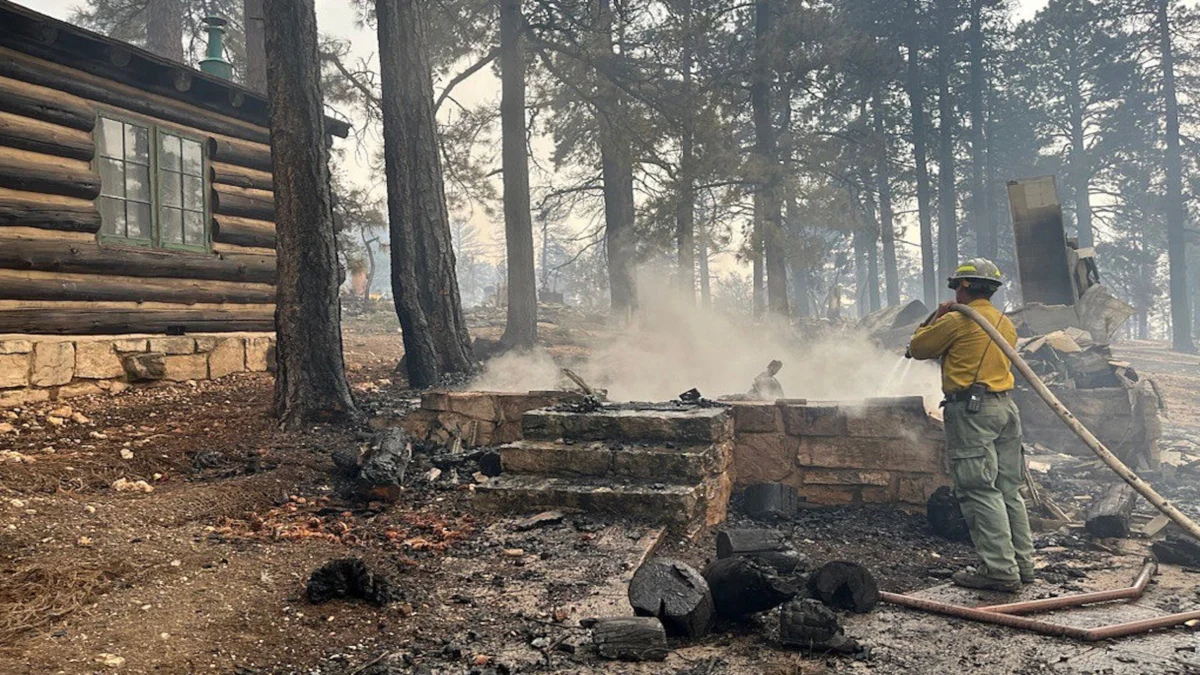
The aftermath of the 2025 Dragon Bravo Fire, which stands as one of the most devastating blazes in the history of the National Park Service (NPS), has ignited a fierce debate within the highest levels of the federal government regarding wildfire management, agency accountability, and the future of American public lands. During a high-profile Senate hearing on April 22, 2026, Secretary of the Interior Doug Burgum conceded that the federal response to the blaze was inadequate, suggesting that a shift in tactical philosophy might have prevented the destruction of nearly 150,000 acres and the loss of irreplaceable historic infrastructure. The testimony has prompted a wave of criticism from fire management professionals and advocates who argue that the administration is unfairly scapegoating frontline personnel for systemic failures and the intensifying realities of the climate crisis.
The Dragon Bravo Fire: A Record of Devastation
The Dragon Bravo Fire ignited in the early summer of 2025, quickly becoming a symbol of the increasing volatility of wildfires in the American West. By the time it was fully contained, the fire had consumed approximately 150,000 acres of the Grand Canyon’s North Rim, a region known for its dense forests and rugged, inaccessible terrain. The most significant blow to the park’s heritage was the total loss of the historic Grand Canyon Lodge, along with the visitor center and 114 auxiliary buildings. The lodge, a masterpiece of "National Park Service Rustic" architecture, had stood for nearly a century as a centerpiece of the North Rim experience.
Beyond the structural losses, the ecological and recreational impact was profound. An official NPS report released in early 2026 detailed that the fire severely impacted 73 miles of trails, including segments of the popular North Kaibab Trail. The intense heat sterilized soil in certain sectors, raising concerns about long-term reforestation and the stability of canyon walls. As the 2026 tourism season approaches, federal officials remain uncertain about when, or if, certain high-traffic areas can safely reopen to the public, creating a significant economic vacuum for the surrounding gateway communities in Arizona and Utah.
Chronology of a Crisis: From Ignition to Investigation
The timeline of the Dragon Bravo Fire is marked by a series of escalating challenges and controversial decision-making.
May-June 2025: Following a winter of below-average snowpack, the North Rim entered the summer season with record-low fuel moisture levels. Small lightning-strike ignitions were monitored according to standard NPS ecological benefit protocols.
July 1-10, 2025: The Dragon Bravo Fire began to expand rapidly. Initial reports from the field indicated that the steep, vertical terrain of the canyon made traditional ground-crew insertion hazardous. Managers opted for a "containment and monitoring" strategy, aiming to guide the fire toward natural breaks.
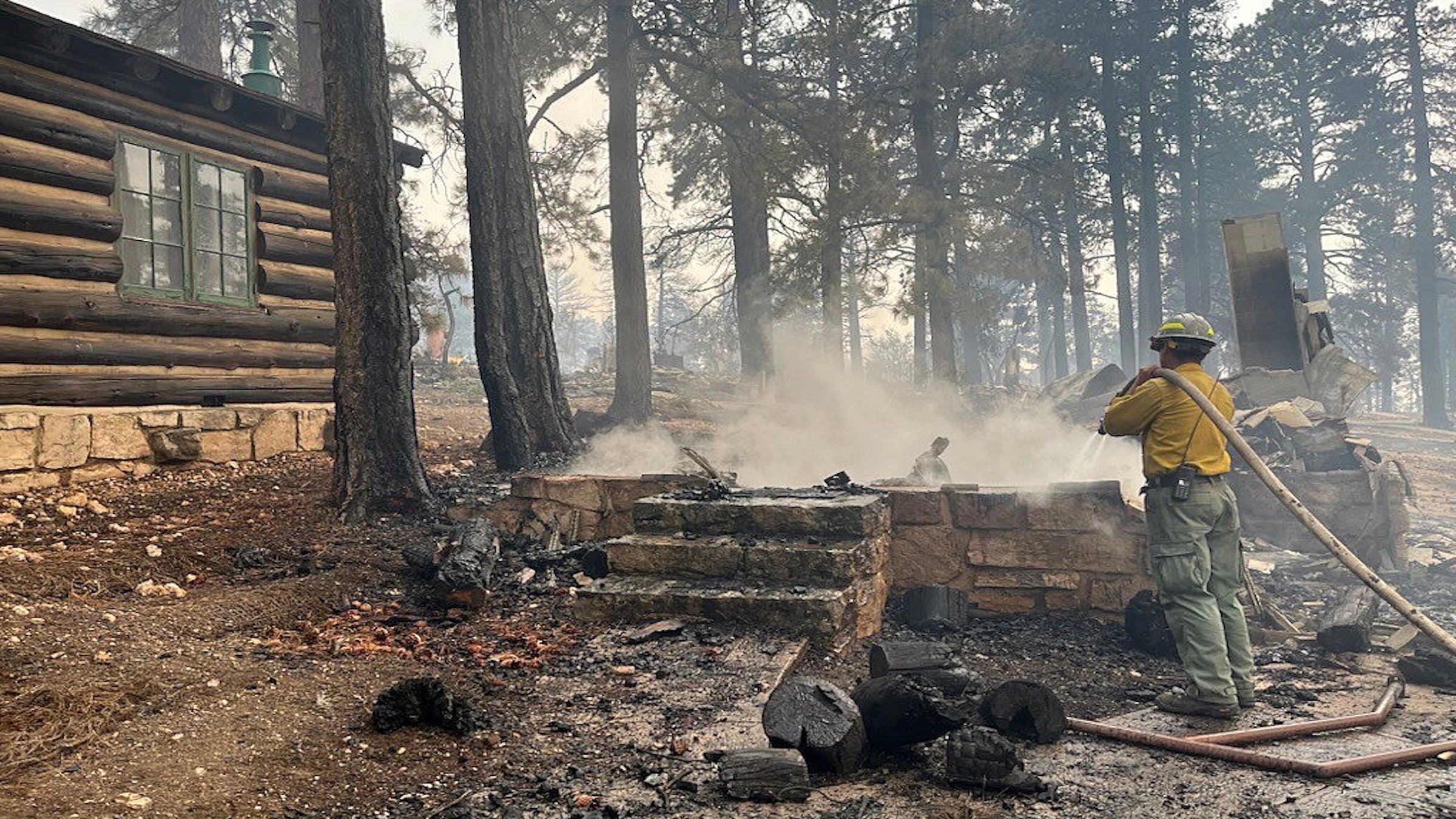
July 15, 2025: Extreme weather conditions, including high-velocity wind gusts and a "heat dome" over the Southwest, caused the fire to "blow up." Satellite imagery from this date showed thick smoke plumes suffocating the canyon, visible from hundreds of miles away.
August 2025: As the fire was brought under control, the Arizona Republic published an investigative report alleging that park officials had misled the public. The investigation claimed that while the NPS publicly stated they were pursuing a suppression strategy, internal communications suggested they were continuing to allow the fire to burn for "fuel load management" even as it threatened historic structures.
April 22, 2026: Secretary Burgum testified before the Senate, admitting that the decision to prioritize containment over immediate suppression was a costly error.
The Policy Shift: Suppression vs. Containment
At the heart of the current controversy is a fundamental disagreement over how wildfires should be fought on federal lands. For decades, the National Park Service and the U.S. Forest Service have moved toward a philosophy of "managed fire," recognizing that fire is a natural and necessary component of healthy ecosystems. This approach allows certain fires to burn under supervision to clear out dead underbrush and "fuel loads" that could otherwise lead to even larger, more catastrophic blazes.
However, Secretary Burgum’s recent testimony signals a sharp pivot back toward a "full suppression" model. "It’s going to be a year of suppression," Burgum told the Senate committee. "When a fire begins, we’ll put it out." He argued that the Dragon Bravo Fire proved that "managing" fires in an era of extreme weather is a gamble the government can no longer afford to take. According to Burgum, the "suppression versus containment" approach in 2025 resulted in the loss of hundreds of millions of dollars in historic property and assets.
Critics, including Riva Duncan, president of the nonprofit Grassroots Wildland Firefighters, argue that this "suppression-only" mindset is "naive." Duncan, a 32-year veteran of the U.S. Forest Service, contends that total suppression only "kicks the can down the road" by allowing fuels to build up to dangerous levels, eventually leading to "mega-fires" that no amount of resources can stop.
Workforce Challenges and Institutional Restructuring
The debate over fire tactics is unfolding against a backdrop of significant institutional upheaval within the Department of the Interior. The administration has moved forward with the establishment of the "Wildland Fire Service," a controversial restructuring intended to centralize wildland fire programs across the NPS, the Bureau of Land Management (BLM), and the U.S. Fish and Wildlife Service.
While the administration frames this as an efficiency measure, advocacy groups like Grassroots Wildland Firefighters warn that the federal workforce is being "gutted." Low pay, grueling conditions, and a lack of mental health support have led to a retention crisis among veteran fire managers. Duncan noted that the Secretary’s comments at the hearing—which many perceived as blaming local managers for the Dragon Bravo disaster—further damage morale.
"I think it was lousy of Burgum to say the Park Service mismanaged that fire, because basically, he threw the firefighters under the bus," Duncan said. She emphasized that fire managers on the ground in 2025 were working with limited resources in an environment where "weather changes and forecasts get missed."
Economic and Ecological Implications
The economic fallout from the Dragon Bravo Fire continues to ripple through the region. The North Rim of the Grand Canyon typically hosts hundreds of thousands of visitors annually. With the lodge destroyed and many trails closed, the local tourism economy faces a multi-year recovery period. The cost of rebuilding the lodge to modern safety standards while maintaining its historic character is estimated to be in the hundreds of millions, and federal funding for such a project remains a point of contention in Congress.
From an ecological standpoint, the fire has fundamentally altered the North Rim landscape. Bill Kaage, a retired fire management officer with decades of experience in both the NPS and the Forest Service, noted that while the Grand Canyon has a long history of fire response for ecological benefit, the "big ditch" (the canyon itself) is no longer a reliable barrier in the face of modern climate conditions. "Obviously, climate change, things are different now than they were 20 years ago," Kaage observed.
The loss of old-growth ponderosa pine stands and the displacement of local wildlife species have prompted calls for a more nuanced fire strategy that balances the protection of human infrastructure with the biological needs of the forest.
Conclusion: A Season of Uncertainty
As the 2026 wildfire season begins, the lessons of the Dragon Bravo Fire remain a subject of intense debate. The Department of the Interior’s move toward a mandatory suppression policy marks a significant departure from decades of ecological fire management, a move that may protect structures in the short term but could lead to greater instability in the future.
The Senate hearing underscored a growing rift between political leadership in Washington and the professionals who manage fire on the front lines. While Secretary Burgum advocates for a more aggressive, military-style response to ignitions, those on the ground warn that the "administration is gutting the workforce" at the very moment they are needed most.
With low snowpack levels reported across the Southwest and a workforce stretched thin by restructuring and morale issues, the 2026 season stands as a critical test for the new Wildland Fire Service. Whether the government can successfully "learn to live with fire," as advocates suggest, or if it will return to a policy of total war against the elements, remains to be seen. For the Grand Canyon’s North Rim, the charred remains of the Grand Canyon Lodge serve as a somber reminder of the stakes involved in this national policy shift.



 Chandra Hamzah
 Gabriela Annisa
 Tatiana Tantri Indah Sari
 Budi Mulyono