
 Budi Mulyono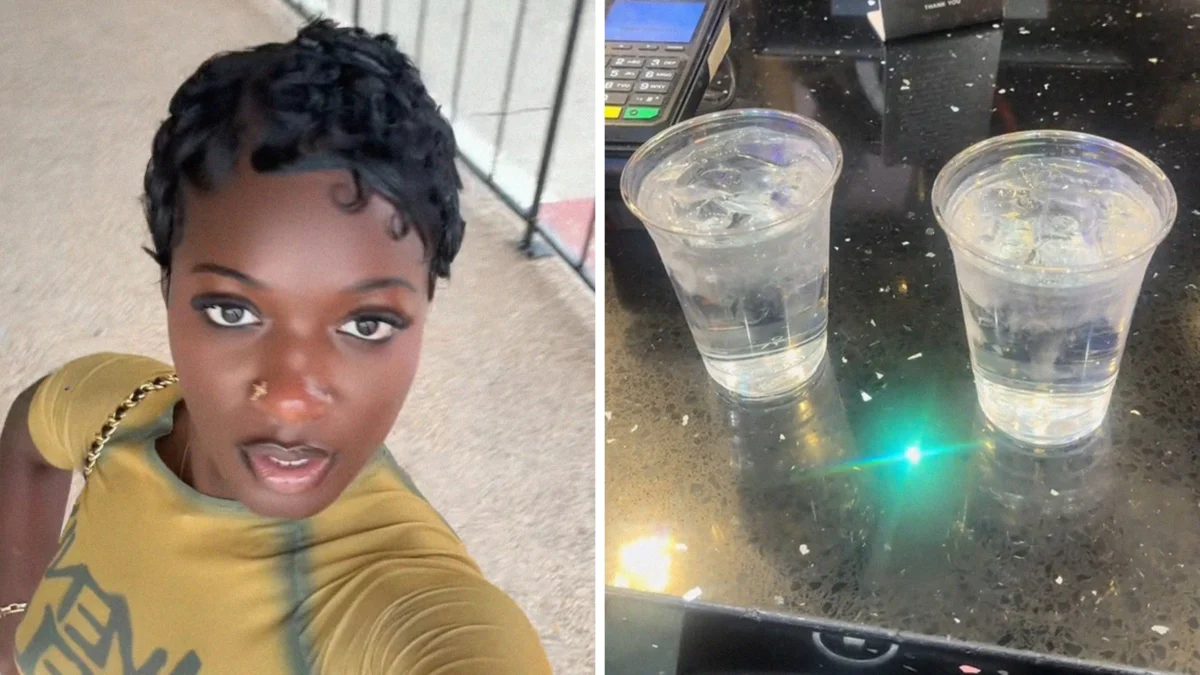
The landscape of airport retail and dining has long been a subject of traveler frustration, primarily due to inflated pricing structures that significantly exceed street-side equivalents. However, a recent viral incident involving a nominal charge for tap water has reignited a broader conversation regarding the ethics of airport concessions and the commodification of basic necessities. A Texas-based content creator, known online as Blessida (@blessidaa), recently shared a brief video documenting her experience at an airport bar where she was charged 44 cents for a cup of ice water. The video, which lasts only seven seconds, shows a receipt being signed for two cups of water, totaling 88 cents. While the amount is financially negligible for most travelers, the principle of the charge has resonated with over 131,000 viewers, highlighting a shift in how airport vendors manage inventory and overhead costs.

The Viral Incident and Consumer Reaction
The incident occurred when the traveler sought water to facilitate taking medication, a routine requirement for many passengers navigating the stresses of air travel. In her post, Blessida noted that the experience was "unreal" and admitted that the specific charge of 44 cents per cup "made her giggle." Despite the lighthearted caption, the underlying sentiment shared by many in the comments section was one of disbelief. The video captures a long-nailed hand signing a bar receipt, with two plastic cups of ice water visible on the counter.

A notable detail on the receipt was the inclusion of a standard tip line. If a traveler were to apply a standard 20% gratuity to an 88-cent bill, the tip would amount to approximately 17 cents. Social media users quickly pointed out the absurdity of this prompted gratuity, with one user, BabaHirsi, questioning the necessity of a tip line for a basic cup of water. Industry insiders noted, however, that such tip lines are typically automated features of Point of Sale (POS) systems and are not manually added by servers for specific transactions.
In a follow-up communication with BoardingArea, Blessida explained her motivation for sharing the clip. She stated that she enjoys sharing relatable travel experiences and was curious to see if other travelers had encountered similar fees. She described the interaction with the bartender as "awkward," noting that while the 44 cents was not the issue, the principle of being charged for tap water felt like a departure from traditional service standards. She further observed that the bartender appeared to be following standard procedure, albeit with a tone that suggested mild annoyance.

The Economics of Airport Concessions
To understand why a vendor would charge a nominal fee for tap water, it is necessary to examine the complex economic environment of airport concessions. Unlike traditional street-side restaurants, airport vendors operate under extreme financial pressures and regulatory requirements.

High Real Estate Costs
Airports are among the most expensive real estate environments in the world. While retail rents in prime urban areas are high, airport concessionaires often face charges ranging from $300 to $800 per square foot. These costs are driven by the "captive audience" nature of the terminal, where passengers are restricted to a specific area for several hours with limited options for food and beverage.
Fee Structures and Inventory Management
Many airports utilize a "Minimum Annual Guarantee" (MAG) model combined with a percentage of gross sales. For example, at Jacksonville International Airport (JAX) in Florida, tenants do not always pay a fixed monthly rent based solely on square footage. Instead, they may guarantee a fixed annual amount to the airport authority, plus a percentage of their total sales. This model incentivizes vendors to record every transaction, no matter how small.
Inventory management also plays a critical role. As noted by a commenter identified as Alayshaa, who claimed to work in the industry, charging for water is often less about the liquid and more about the "cup." In modern service environments, plastic cups, lids, and straws are tracked as inventory. If a server provides a cup for free, it creates a discrepancy in the inventory count, potentially leading to internal audits or accusations of theft. By charging a nominal fee—often referred to as a "cup fee"—the vendor accounts for the cost of the disposable plastic and ensures the transaction is logged within the POS system.
The Chronology of the Modern Airport Water Market
The current state of airport hydration can be traced back to the implementation of the "3-1-1" liquids rule by the Transportation Security Administration (TSA) in 2006. Following a thwarted terrorist plot involving liquid explosives, passengers were prohibited from bringing containers of liquid larger than 3.4 ounces through security checkpoints. This regulation effectively created a massive, captive market for bottled water inside the "airside" of terminals.

- 2006 – The Liquid Ban: Travelers were forced to discard full water bottles before entering security, leading to a surge in sales for airport newsstands and kiosks.
- 2010s – The Rise of Hydration Stations: In response to environmental concerns regarding single-use plastics and passenger complaints about high bottled water prices (often exceeding $5.00 per bottle), airports began installing filtered water bottle filling stations.
- 2020s – Post-Pandemic Inventory Tightening: Following the global pandemic, supply chain disruptions and rising labor costs forced many airport vendors to tighten their margins. This led to the more frequent implementation of nominal fees for items previously considered "complimentary," such as tap water, extra napkins, or condiment packets.
Global and Domestic Context: Water as a Commodity
The discussion surrounding a 44-cent cup of water at an airport bar takes on a different dimension when viewed through the lens of global water scarcity and infrastructure challenges. While travelers in developed nations often view clean tap water as an inherent right, data from the United Nations suggests a more precarious reality for much of the global population.

According to a 2023 United Nations Water Conference Vision Statement, approximately 3.6 billion people—nearly half of humanity—live without safely managed sanitation. Furthermore, 2.3 billion people lack basic handwashing facilities at their residences. In this context, the infrastructure required to provide chilled, filtered water in a high-security airport environment is a luxury, though one that Western consumers have come to expect for free.

Even within the United States, access to safe, clean water is not guaranteed. Communities such as Flint, Michigan, and Jackson, Mississippi, have faced prolonged crises regarding water quality and infrastructure failure. In the Western United States, cities like Santa Fe, New Mexico, struggle with long-term sustainability due to drought conditions. These regional issues highlight the fact that the processing and delivery of "free" water involve significant underlying costs related to filtration, refrigeration, and plumbing maintenance.

Implications for the Modern Traveler
The viral reaction to the 44-cent water charge suggests a growing disconnect between consumer expectations and the operational realities of the travel industry. As airports move toward more automated and data-driven concession models, the "unrecorded" freebie is becoming a thing of the past.

The Shift Toward Reusable Infrastructure
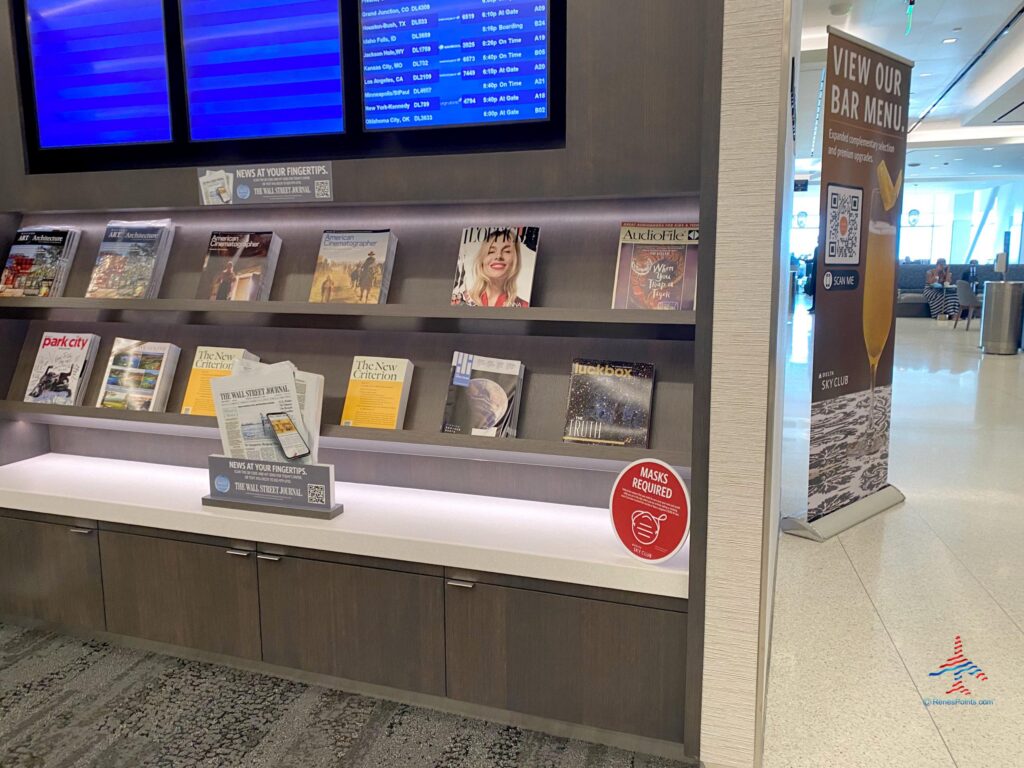
The most significant impact of these rising costs and nominal fees has been the widespread adoption of reusable water bottles among frequent flyers. Most major international hubs, including Hartsfield-Jackson Atlanta (ATL) and San Francisco International (SFO), have invested millions of dollars into "hydration zones." These stations provide a free alternative to both $5 bottled water and the nominal "cup fees" found at airport bars.

Analysis of Service Standards
The incident also raises questions about the "service" aspect of the hospitality industry. Blessida’s observation that the bartender seemed "slightly annoyed" points to a friction point where corporate policy meets customer interaction. When a vendor charges for a basic necessity like water to take medicine, it can damage brand loyalty, even if the charge is logically supported by inventory requirements.
Conclusion
The 44-cent charge for a cup of water at an airport bar is a microcosm of the modern travel experience: a high-cost, high-regulation environment where every resource is accounted for. While the viral nature of the TikTok video reflects a public distaste for "nickel-and-diming" tactics, the reality of airport economics suggests that such fees are likely to become more common. For the informed traveler, the takeaway is clear: the era of the "free" airport cup of water is ending, replaced by a system where convenience is metered and personal preparation—in the form of a reusable bottle—is the only way to ensure cost-free hydration. As airports continue to balance high rents and complex inventory needs, the nominal fee serves as a reminder that in the world of modern aviation, nothing is truly "free," not even the most basic of human needs.



 Anjar Salim
 Chandra Hamzah
 Tatiana Tantri Indah Sari
 Lukman Taruna Persada Ramadan
