Anjar Salim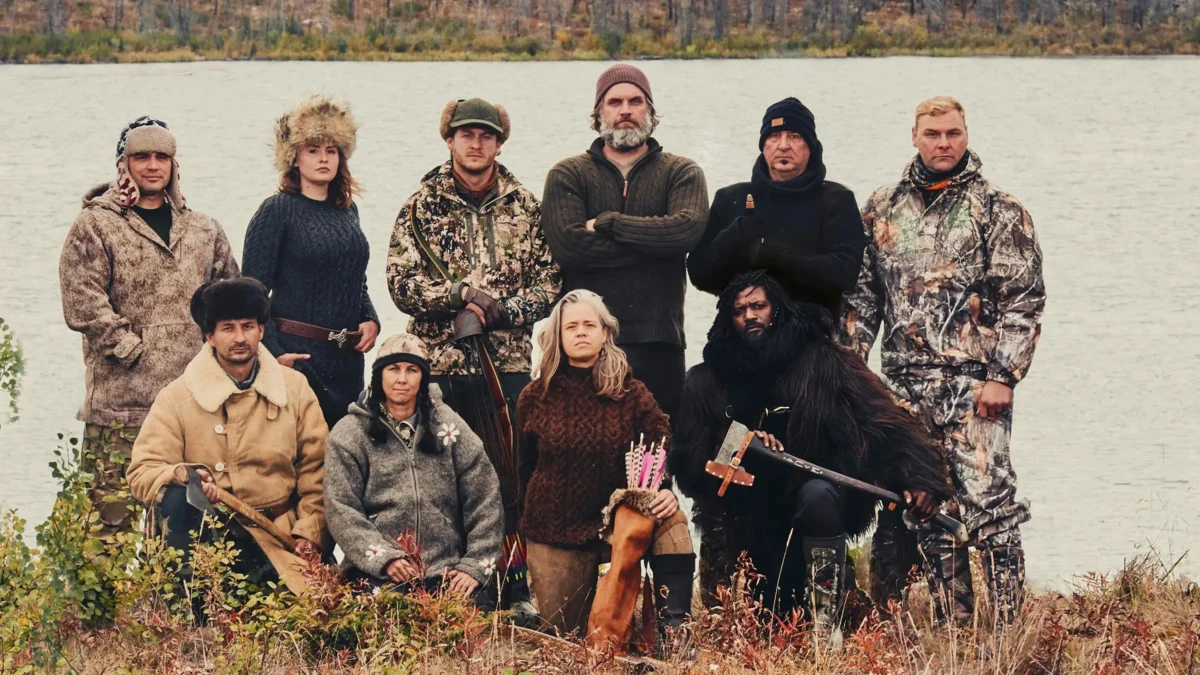
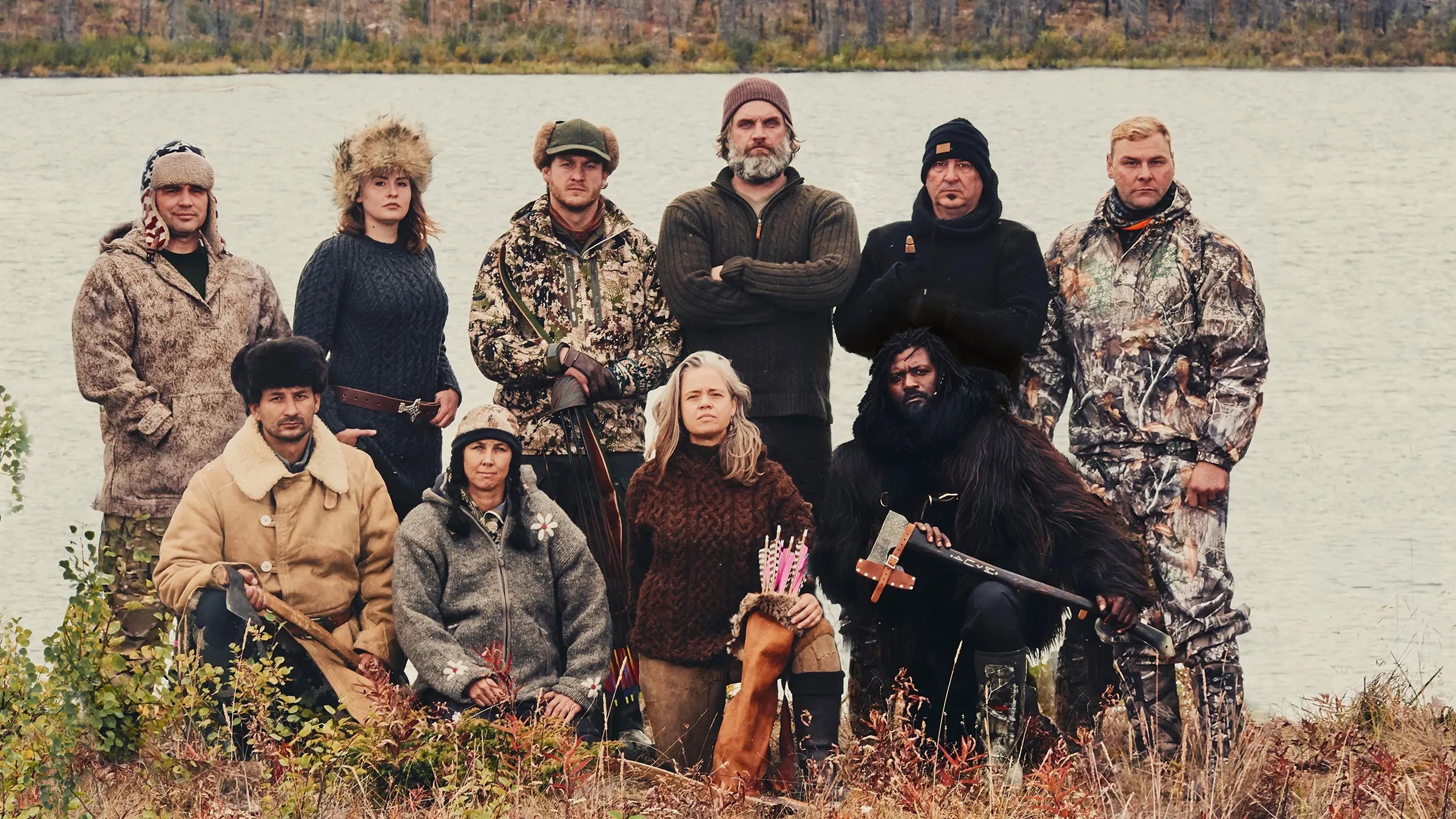
The survivalist subgenre of reality television has reached a significant milestone with the conclusion of the twelfth season of the hit series Alone, and the subsequent anticipation surrounding its thirteenth season, reportedly scheduled for release in June 2026. Since its debut on the History Channel, Alone has redefined the parameters of the survival genre by stripping away the presence of camera crews and staged challenges, leaving contestants to document their own experiences in total isolation. This format has tapped into a deep-seated cultural fascination with human resilience, primitive skill sets, and the psychological effects of prolonged solitude. As the television industry prepares for the next iteration of the franchise, a broader examination of survival media—spanning cinema, literature, and audio—reveals the enduring legacy of stories focused on the individual’s struggle against the elements.
The Historical Context of Survival Media and the Rise of Alone
The trajectory of survival-based entertainment has shifted dramatically over the last two decades. In the early 2000s, programs like Survivor popularized the concept of "outlasting" others, though these shows were often criticized for their heavy production interference and social-game focus. A pivotal shift occurred in 2005 with the release of Survivorman, created by Canadian filmmaker and survival expert Les Stroud. Stroud’s approach was revolutionary; he entered the wilderness alone, carrying his own camera equipment, and survived for seven to ten days without a support crew. This "solo-filming" technique provided a template for what would eventually become the hallmark of the Alone franchise.
When Alone premiered in 2015, it increased the stakes by removing the time limit. Contestants remained in the wilderness until they chose to "tap out," suffered a medical emergency, or were the last person standing to claim the $500,000 grand prize. According to viewership data from A+E Networks, the parent company of the History Channel, Alone has consistently ranked as one of the network’s top-performing series, drawing millions of viewers who are captivated by the visceral realities of shelter construction, hit-or-miss hunting, and the physiological toll of slow starvation. The show’s success has sparked a resurgence of interest in survivalist literature and cinema, as audiences seek to understand the limits of human endurance through various narrative lenses.
Cinematic Interpretations of Solitary Survival
Cinema has long explored the theme of "Man vs. Nature," often using the vastness of the wilderness to mirror the internal struggles of the protagonist. For fans of the Alone series, several films provide a heightened, dramatized look at the survival skills and psychological fortitude required to stay alive in hostile environments.
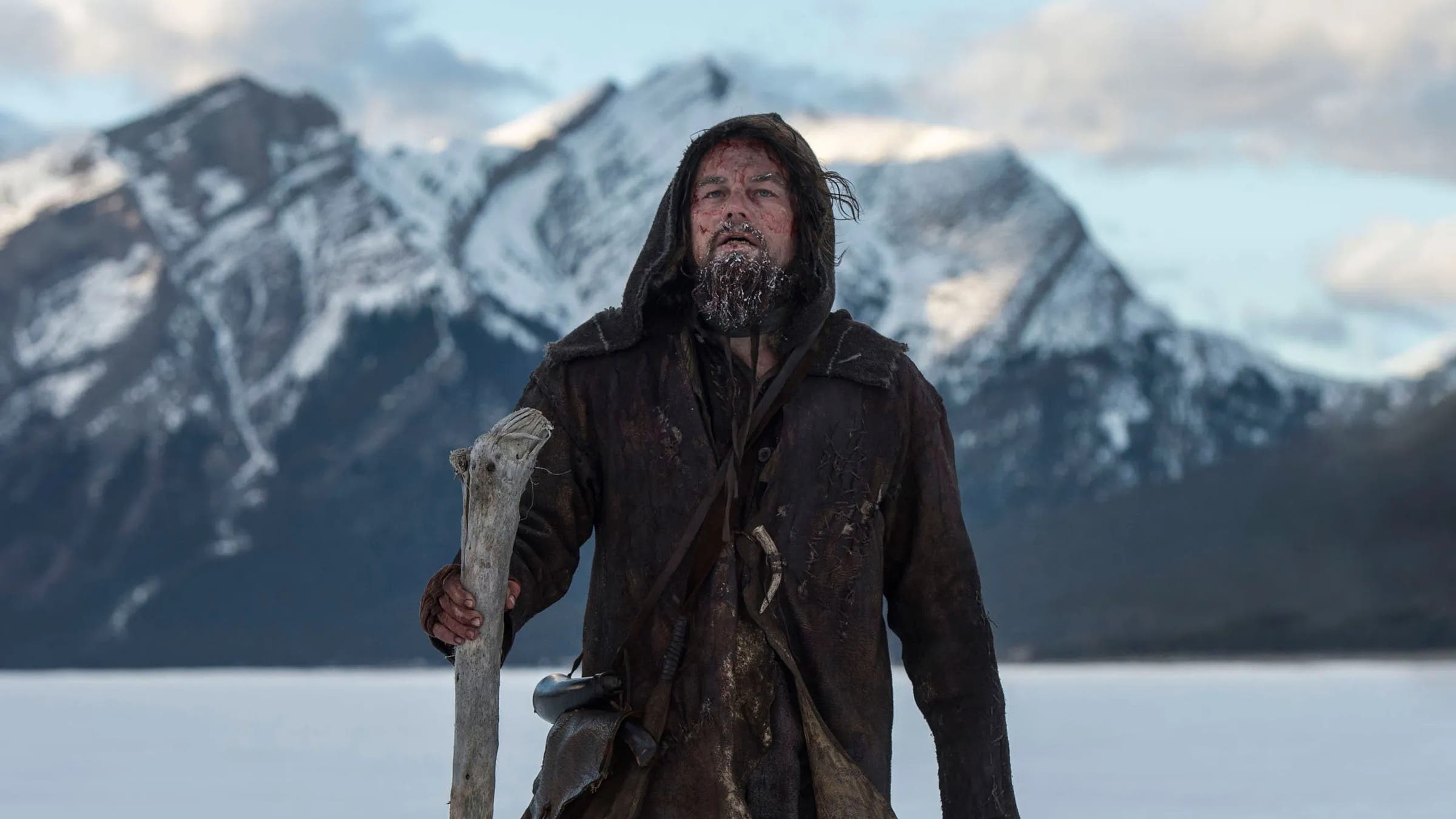
The 2015 film The Revenant, directed by Alejandro G. Iñárritu, serves as a brutal depiction of frontier survival. Based on the 1823 experiences of frontiersman Hugh Glass, the film follows Leonardo DiCaprio’s character after he is mauled by a grizzly bear and left for dead by his companions. The narrative focuses on Glass’s 200-mile crawl to safety, a feat that mirrors the physical grit seen in the most successful Alone contestants. Beyond the survival elements, the film explores the theme of vengeance as a primary motivator for survival, suggesting that psychological drive is as vital as caloric intake.
In contrast to the frozen wilderness of The Revenant, the 2000 film Cast Away presents a tropical variation of the survival story. Starring Tom Hanks as FedEx executive Chuck Noland, the film illustrates the importance of resourcefulness, as Noland utilizes the contents of washed-up packages to survive on a deserted island. The film is perhaps most famous for Noland’s relationship with "Wilson," a volleyball that becomes his sole companion. This element of the story highlights the "frustrating but fascinating depths of human loneliness," a recurring theme in Alone where contestants often find themselves speaking to their cameras—and the wilderness itself—to maintain their sanity.
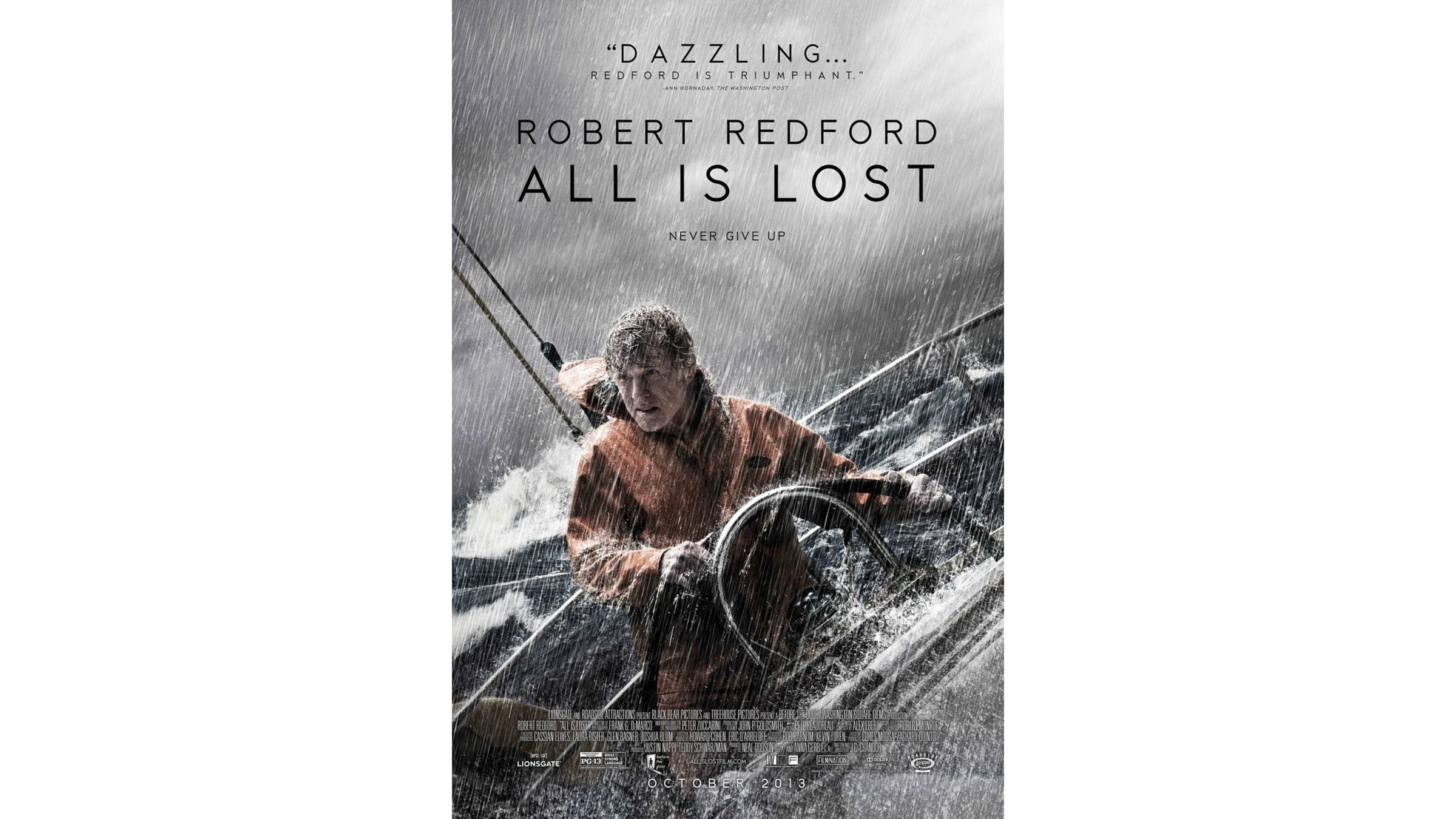
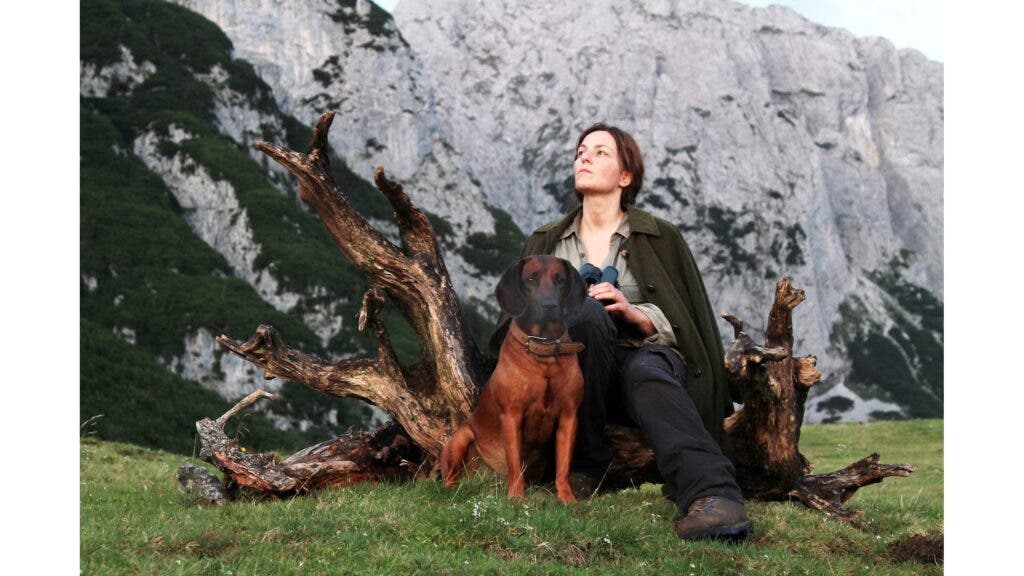
Further exploring the theme of isolation is the 2013 film All Is Lost, which features Robert Redford in a near-silent performance as a sailor whose boat is damaged in the Indian Ocean. The film is a masterclass in procedural survival, focusing on the character’s methodical attempts to repair his vessel and navigate toward safety. Similarly, the Austrian film The Wall (Die Wand) offers a more allegorical take on the genre, depicting a woman who is cut off from the world by an invisible barrier in the Alps. These films underscore the reality that survival is often a quiet, repetitive, and deeply lonely process.
Literary Foundations of the Survival Narrative
While television and film provide visual representations of survival, literature allows for a deeper exploration of the internal monologue and the philosophical implications of solitude. The books recommended for followers of the Alone series often blend historical fact with personal reflection.
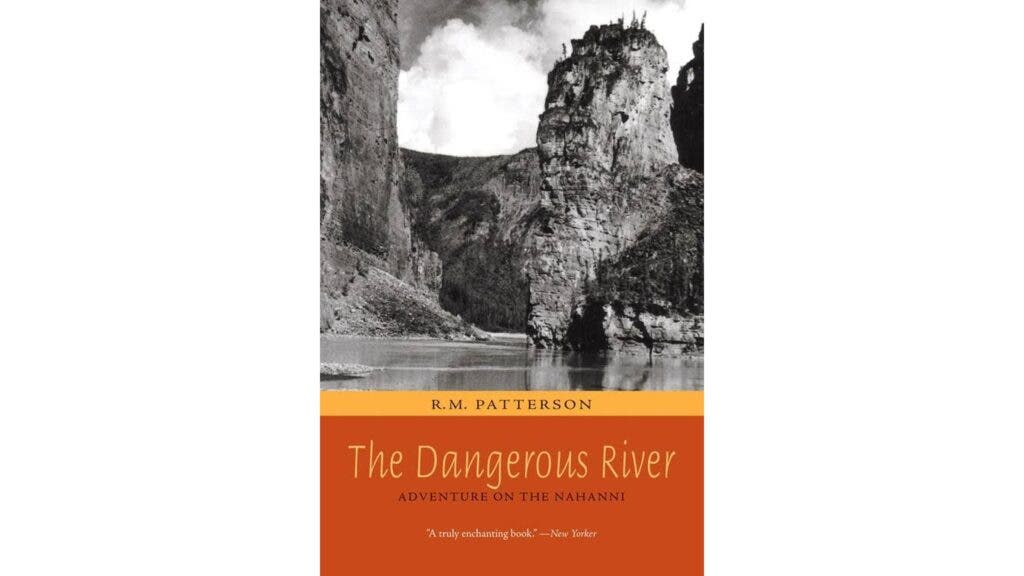
R.M. Patterson’s The Dangerous River remains a foundational text in the genre. Published in 1954, it details Patterson’s 1920s expeditions into the Nahanni River region of Canada’s Northwest Territories. Patterson’s prose captures the "elegant and beautiful" side of the wilderness, even as he describes the life-threatening dangers of hypothermia and near-asphyxiation. His accounts of cabin building and navigating remote waterways provide the historical context for the landscapes often featured in modern survival shows.
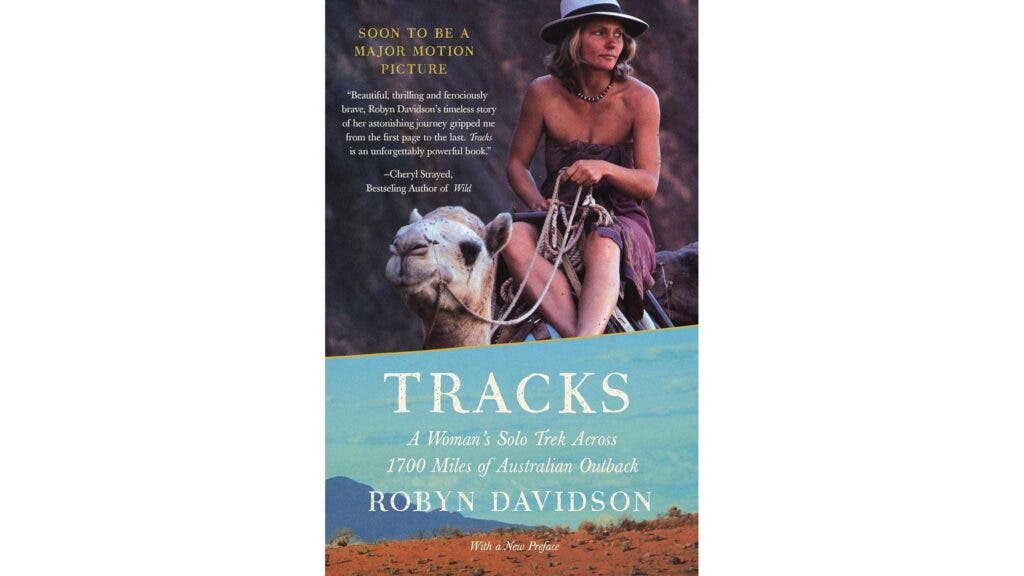
The 1977 memoir Tracks by Robyn Davidson offers a different perspective, focusing on a 1,700-mile trek across the Australian Outback. Accompanied by four camels and a dog, Davidson’s journey was as much a rejection of societal norms as it was a survival challenge. Her encounters with indigenous populations and the harsh desert landscape provide a narrative of "solitary triumph" that resonates with the personal growth often documented by contestants on Alone.
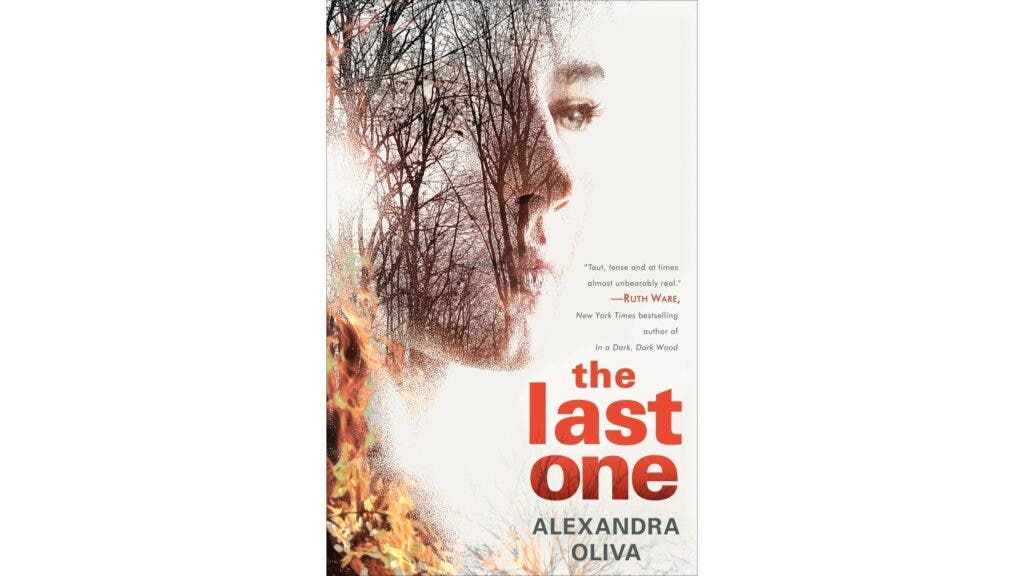
In the realm of fiction, Alexandra Oliva’s 2016 novel The Last One bridges the gap between reality TV and the apocalypse. The story follows a contestant on a survival show who remains unaware that a global catastrophe has occurred while she is in the woods. The novel serves as a critique of the "reality" in reality television, questioning how much of the survival experience is performative and how much is genuine.
The Psychological and Physiological Toll: Data and Analysis
The appeal of survival media is grounded in the harsh physiological realities of the human body under stress. Research into the survival times of individuals in the wild often cites the "Rule of Threes": a human can survive three minutes without air, three hours without shelter in extreme conditions, three days without water, and three weeks without food. Alone contestants frequently push the boundaries of the latter, with some remaining in the wilderness for over 100 days while consuming fewer than 500 calories a day.
Medical experts who monitor the contestants note that prolonged starvation leads to muscle atrophy, cognitive decline, and significant changes in hormonal balance, including spiked cortisol levels due to chronic stress. This physiological degradation is a primary reason for "tapping out," but the psychological impact of loneliness is often the more immediate threat.
The podcast The Lonely Hour, hosted by Julia Bainbridge, provides an analytical look at this phenomenon. By interviewing poets, chefs, and experts on solitude, the podcast explores the distinction between "loneliness"—a state of distress—and "being alone," which can be a state of empowerment. For Alone viewers, this distinction is critical, as the winners of the show are typically those who can transition from the former to the latter.
Chronology of Survival Television Milestones
To understand the current state of the genre, one must look at the timeline of its development:
- 2000: Survivor premieres on CBS, bringing the concept of "wilderness competition" to a mass audience.
- 2005: Survivorman debuts, introducing the "solo-filming" mechanic and emphasizing authentic survival skills over social gameplay.
- 2006: Man vs. Wild premieres, featuring Bear Grylls. While popular, it later faced scrutiny for using hotels and staged scenarios, leading to a demand for more "authentic" programming.
- 2013: All Is Lost is released, proving that a survival narrative with a single actor and minimal dialogue could achieve critical and commercial success.
- 2015: Alone premieres on the History Channel, merging the solo-filming of Survivorman with a long-term competitive format.
- 2024: Season 12 of Alone concludes, cementing the series as a staple of the genre.
- 2026: Season 13 is anticipated, with fans seeking supplemental media to bridge the gap between seasons.
Broader Impact and Cultural Implications
The continued popularity of survival media suggests a collective anxiety regarding the modern world’s reliance on technology and global infrastructure. Shows like Alone and books like Jungle or The Dangerous River serve as a form of "vicarious preparedness," allowing audiences to mentally rehearse survival scenarios from the safety of their homes.
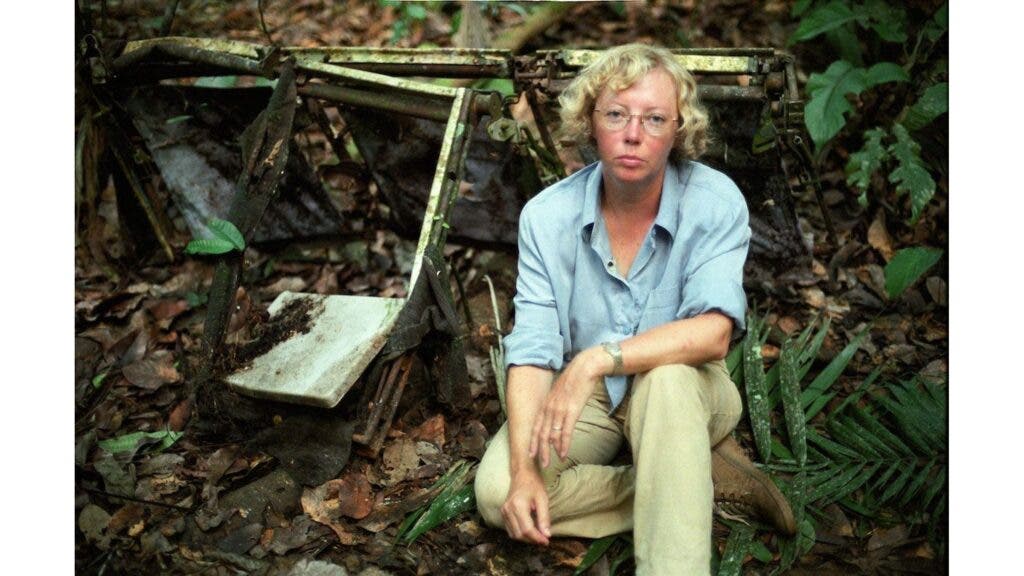
Furthermore, these stories emphasize a return to nature that is both terrifying and redemptive. Whether it is Juliane Koepcke surviving an Amazonian plane crash in the documentary Wings of Hope or Les Stroud playing his harmonica in the Arctic, these narratives highlight the resilience of the human spirit. They suggest that despite the comforts of the 21st century, the primitive drive to survive remains a core component of the human identity. As the audience awaits the return of Alone in 2026, the curated list of movies, books, and audio serves not just as entertainment, but as a testament to the enduring fascination with what it means to be truly alone.


 Chandra Hamzah
 Gabriela Annisa
 Tatiana Tantri Indah Sari
 Budi Mulyono