
 Lukman Taruna Persada Ramadan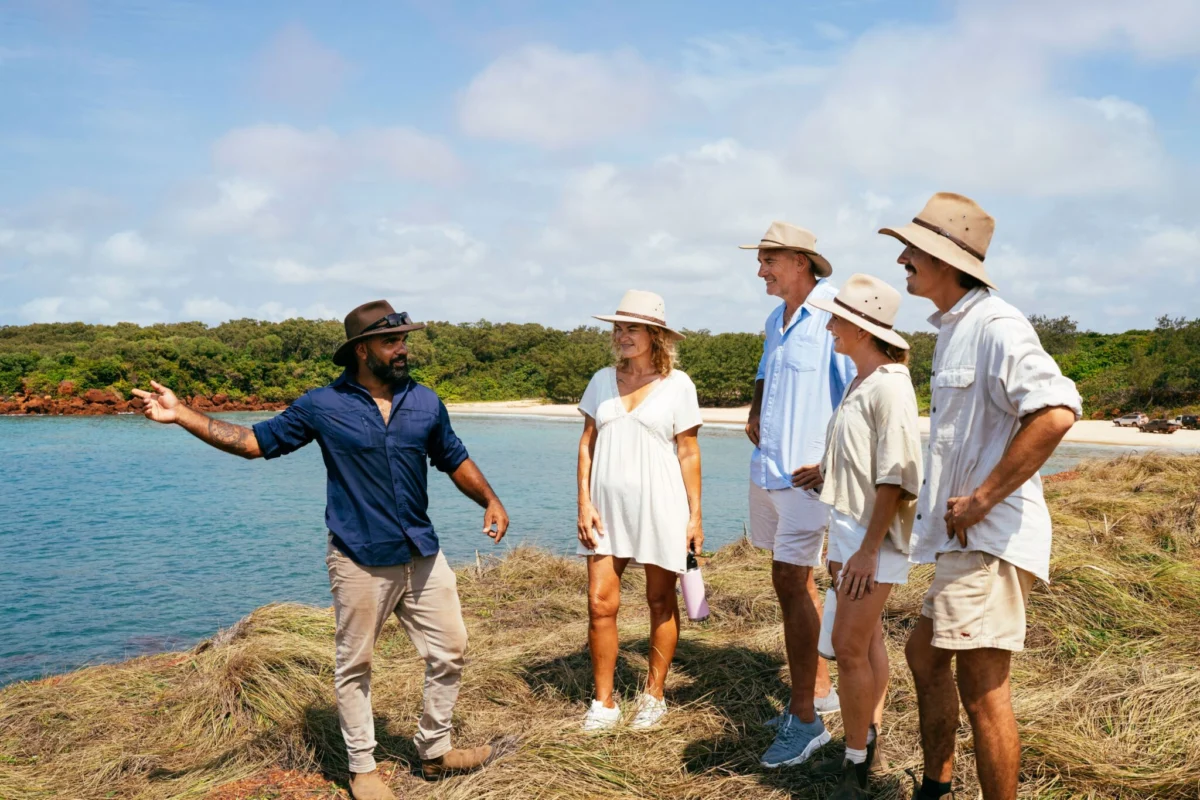
The global travel industry is undergoing a profound transformation, moving away from conventional sightseeing and superficial "bucket-list" pursuits towards experiences that offer deep personal growth, emotional fulfillment, and genuine connection. This paradigm shift, accelerated by a post-pandemic re-evaluation of values, sees travellers increasingly seeking authentic engagement over fleeting snapshots. Within Australia’s vast and diverse Northern Territory, East Arnhem Land stands out as a pioneering destination, spearheading this movement through its uniquely immersive, culturally rich, and artistically profound offerings. This remote yet vibrant region provides a compelling model for sustainable and meaningful tourism, inviting visitors to transcend the ordinary and connect with one of the world’s oldest living cultures.
The Evolving Landscape of Global Travel
For decades, tourism was often defined by the pursuit of iconic landmarks and checklist itineraries. However, recent trends indicate a significant pivot. According to a 2023 report by Booking.com, 68% of global travellers express a desire for experiences that offer a true cultural connection, while a survey by the World Travel & Tourism Council (WTTC) highlights a growing demand for sustainable and community-centric tourism. Travellers are no longer content with merely observing; they seek to participate, learn, and contribute positively to the places they visit. This burgeoning interest in "transformative travel" emphasizes ethical engagement, environmental stewardship, and a deeper understanding of local communities and their heritage. East Arnhem Land, with its ancient Yolŋu culture and pristine natural environment, is perfectly positioned to meet this demand, offering an unparalleled opportunity for cultural immersion that leaves an indelible mark on visitors.
East Arnhem Land: A Tapestry of Ancient Culture and Pristine Wilderness
Located in the northeastern corner of the Northern Territory, East Arnhem Land is more than just a geographical region; it is the ancestral home of the Yolŋu people, a collective of Aboriginal Australians renowned for their strong, enduring traditions and an profound, spiritual connection to their landscape, known as Country. Unlike many areas, a significant portion of Arnhem Land is Aboriginal freehold land, meaning access is restricted and requires permits, a system designed to protect the cultural integrity and privacy of its traditional owners. This controlled access contributes to the region’s exclusivity and ensures that tourism develops in a respectful and sustainable manner, primarily benefiting the local communities. The primary gateway to the region is through Gove Airport, near the mining town of Nhulunbuy, from where further exploration of the surrounding Aboriginal lands begins. This remoteness, as encapsulated by the region’s motto, "Hard to Reach. Harder to Forget," enhances the sense of discovery and privilege for those who undertake the journey.
The Yolŋu People: Custodians of Enduring Traditions
The Yolŋu culture is one of Australia’s most vibrant and continuous Indigenous cultures, with a history spanning tens of thousands of years. The people maintain a distinct language, Yolŋu Matha, which comprises several dialects, and an intricate kinship system that dictates social structures, responsibilities, and relationships. This complex social fabric is interwoven with their spiritual beliefs, which are deeply rooted in the land, sea, and sky. Through songlines, stories, and ceremonies, the Yolŋu maintain their connection to ancestral beings and the creation events that shaped their Country. Their knowledge of the land is encyclopedic, encompassing traditional bush tucker, medicinal plants, seasonal cycles, and sustainable land management practices that have ensured the health of their environment for millennia. Visitors to East Arnhem Land are not merely tourists; they are invited guests, offered a rare opportunity to learn directly from the custodians of this ancient wisdom, to understand how local connections have profoundly shaped the way people have lived in this remote corner of Australia for countless generations.

Immersive Cultural Journeys: Beyond the Tourist Trail
The true essence of meaningful travel in East Arnhem Land lies in its immersive cultural experiences, which transcend typical sightseeing. Travellers are invited to spend time with local artists, visit community-run art centers, and participate in cultural festivals, gaining firsthand insight into Yolŋu life. These interactions are facilitated by initiatives like The Yolŋu Host, an enterprise led by Nathan Djerrkura, a proud Yolŋu man. The Yolŋu Host offers interpretive tours designed to provide a genuine cultural exchange. Visitors engage in a range of traditional practices, from learning the art of bark painting and weaving to understanding bush tucker and medicinal plants, participating in spear-making demonstrations, and listening to ancient Dreamtime stories under the vast Northern Territory sky. These experiences are crafted to foster a deep appreciation for Yolŋu culture, art, and traditional practices, with a strong emphasis on direct, respectful interaction with Yolŋu individuals and families. Such engagements move beyond passive observation, promoting active learning and mutual understanding, which is central to the ethos of transformative tourism.
A Global Stage for Indigenous Art: The Legacy of Noŋgirrŋa Marawili
Yolŋu art has increasingly garnered international recognition, bringing global attention to the rich artistic heritage of East Arnhem Land. A testament to this growing acclaim is the late Yolŋu artist Noŋgirrŋa Marawili, whose groundbreaking work was exhibited at The Metropolitan Museum of Art in New York. Marawili’s art, commissioned from the esteemed Buku Larrŋgay Mulka Art Centre in Yirrkala, represented a powerful fusion of ancestral design systems with unconventional, contemporary materials, such as recycled printer toner and found objects. Her works captivated audiences with their innovative spirit, while simultaneously conveying profound spiritual narratives and a deep connection to her Country, the sea, and the ceremonies of her clan. This exhibition not only celebrated Marawili’s individual genius but also shone a spotlight on the broader significance of Indigenous Australian art on the global stage.
Buku Larrŋgay Mulka Art Centre plays a pivotal role in nurturing and promoting Yolŋu artists. Established in 1976, it is entirely Yolŋu-owned and operated, serving as a vibrant hub where artists create, share, and sell their work. The centre is crucial for cultural maintenance, providing a space for elders to pass on knowledge to younger generations, ensuring the continuity of traditional art forms and stories. It also acts as a vital economic engine for the community, providing income and fostering self-determination among Yolŋu artists. The success of artists like Marawili underscores the centre’s mission to connect Yolŋu art with a global audience, demonstrating that traditional forms can resonate powerfully in contemporary art discourse. This recognition contributes significantly to the economic viability of remote Indigenous communities and empowers them to share their unique cultural perspectives with the world.
Nature’s Masterpiece: Exploring East Arnhem’s Pristine Coastline
Beyond its cultural depth, East Arnhem Land offers a landscape of breathtaking natural beauty. The region’s coastline is particularly notable, boasting pristine beaches, crystal-clear waters, and vibrant marine ecosystems. Iconic spots like East Woody Beach (Dhamitjinya) and Rainbow Cliff Beach (Garanhan) are celebrated for their spectacular sunset views, tranquil swimming conditions, and exceptional fishing opportunities. These beaches are not just picturesque; they are deeply significant to the Yolŋu people, forming part of their ancestral lands and embodying countless stories and spiritual connections. The waters teem with diverse marine life, making the region a prime destination for fishing enthusiasts. Numerous local fishing charter services provide guided expeditions, offering visitors the chance to experience world-class barramundi fishing, as well as encounters with other species such as trevally, queenfish, and Spanish mackerel. These activities are conducted with respect for traditional land and sea management practices, ensuring the sustainability of these precious resources. The unspoiled nature of these coastal environments further enhances the immersive experience, allowing visitors to connect with the land and sea in a way that is both exhilarating and deeply spiritual.
The "Hard to Reach, Harder to Forget" Ethos: Navigating Access and Impact
The region’s motto, "Hard to Reach. Harder to Forget," speaks volumes about the East Arnhem Land experience. Its remoteness is a defining characteristic, safeguarding its cultural integrity and natural purity. Access to most of Arnhem Land is restricted and requires permits issued by the Northern Land Council (NLC) on behalf of the traditional owners. This system ensures that visits are respectful, controlled, and aligned with community wishes. The permit process, while requiring planning, serves as a crucial mechanism for protecting the Yolŋu people’s privacy, cultural sites, and land from uncontrolled tourism impacts. It also helps manage visitor numbers, promoting a high-value, low-impact tourism model.

This controlled approach to tourism aligns with broader principles of sustainable travel, where the focus is on minimizing negative environmental and cultural impacts while maximizing benefits for local communities. Visitors are educated on cultural protocols, such as seeking permission before taking photographs of people or sacred sites, and respecting the land as a living cultural entity. This emphasis on responsible tourism ensures that the unique experiences offered in East Arnhem Land are preserved for future generations, both Yolŋu and visitors alike.
Economic Empowerment and Cultural Preservation: The Benefits of Responsible Tourism
The growth of meaningful cultural tourism in East Arnhem Land offers significant economic and social benefits to the Yolŋu community. By participating in and leading tourism ventures, Yolŋu people gain opportunities for employment, entrepreneurship, and economic self-determination. The revenue generated from art sales, cultural tours, and related services directly supports families and community programs, contributing to improved infrastructure, education, and health outcomes in remote areas. Moreover, tourism acts as a powerful platform for cultural preservation and promotion. As Yolŋu elders and artists share their knowledge and stories, they reinforce their traditions, language, and connection to Country, ensuring that these invaluable aspects of their heritage continue to thrive. The act of sharing culture with respectful visitors can strengthen cultural pride and provide a renewed sense of purpose for younger generations.
Beyond the immediate economic gains, responsible tourism fosters cross-cultural understanding and breaks down barriers. It challenges stereotypes, educates visitors about the complexities and richness of Indigenous Australian cultures, and promotes reconciliation. The engagement with Yolŋu culture offers a powerful antidote to the often-superficial narratives presented in mainstream media, allowing for genuine human connections to form.
Conclusion: A Model for Authentic Engagement
East Arnhem Land stands as a beacon for the future of travel, demonstrating how cultural immersion, environmental stewardship, and community empowerment can converge to create truly meaningful experiences. Its blend of ancient Yolŋu culture, world-renowned art, and pristine natural beauty offers a unique proposition for travellers seeking more than just a holiday. By embracing its remoteness and managing access through respectful permit systems, the region ensures that its cultural integrity and environmental health remain paramount. As the global desire for authentic, transformative journeys continues to grow, East Arnhem Land provides a compelling model – a destination that not only enriches the lives of its visitors but also empowers its traditional custodians, ensuring that their enduring traditions and profound connection to Country are celebrated and sustained for generations to come. It is a place that, once experienced, truly lives up to its promise: "Hard to Reach. Harder to Forget."




 Anjar Salim
 Chandra Hamzah
 Tatiana Tantri Indah Sari
 Budi Mulyono
