
 Anjar Salim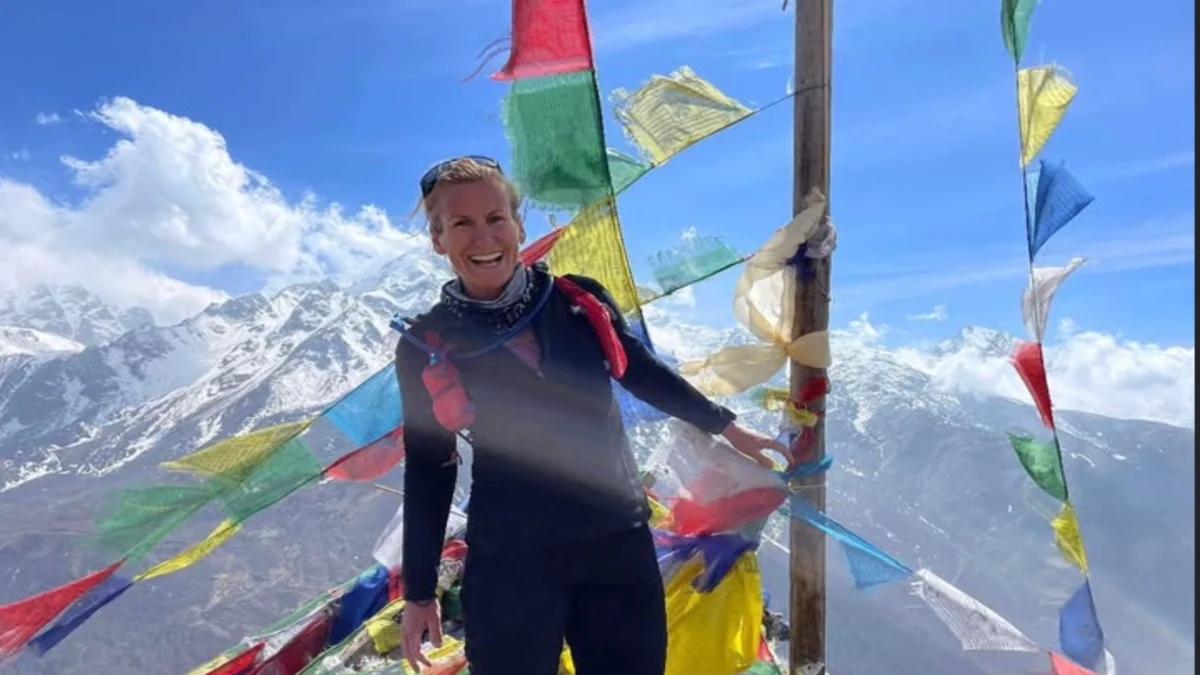
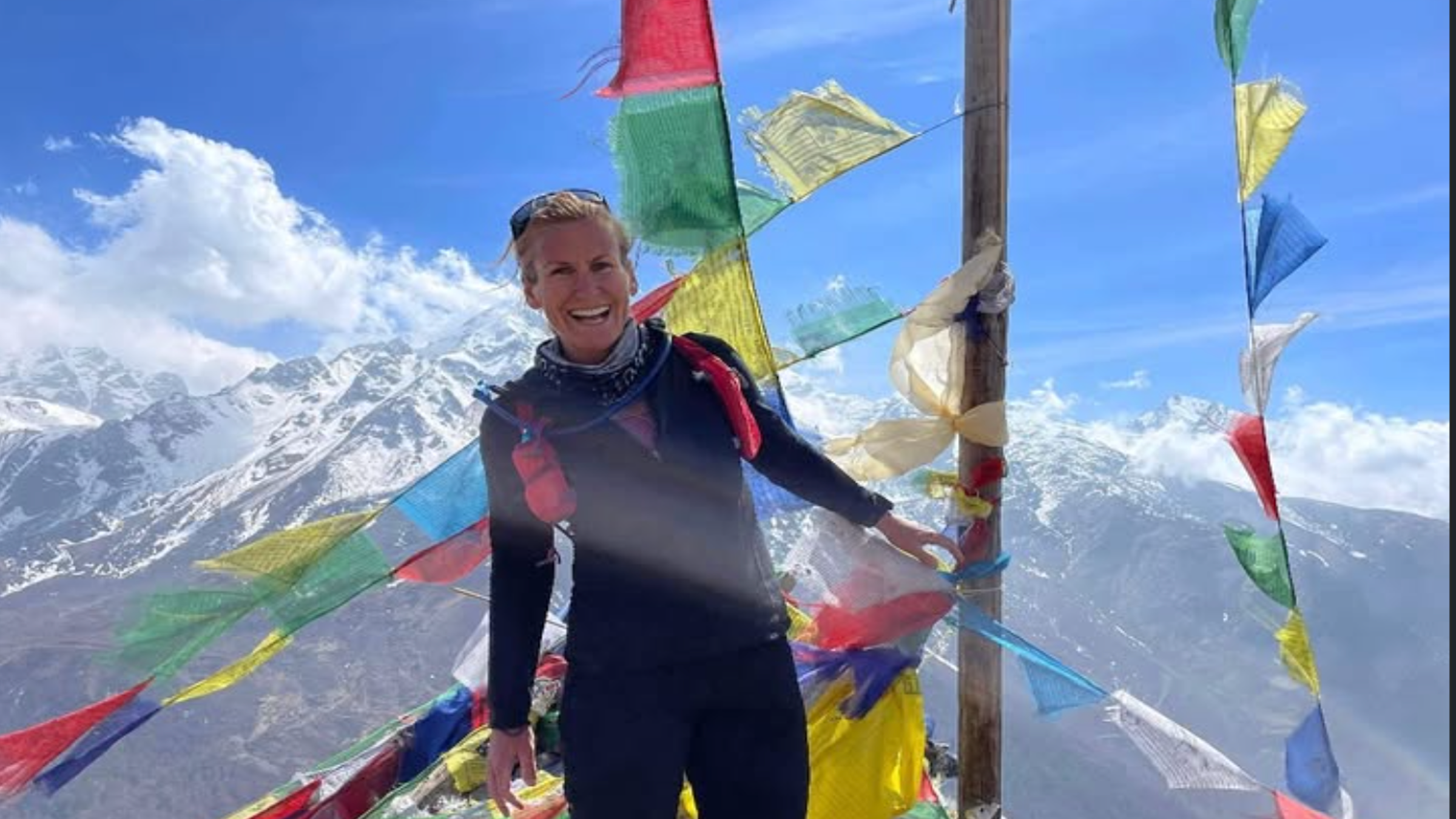
Shelley Johannesen, a 53-year-old mountaineer and co-founder of the Utah-based adventure guiding firm DASH Adventures, died on May 11, 2026, following a catastrophic avalanche on the slopes of Makalu in Nepal. The incident, which occurred during a descent from the 27,838-foot summit, also left veteran climbing guide Tawa Sherpa with severe injuries and forced a harrowing overnight survival ordeal for Johannesen’s partner, Dave Ashley. The tragedy has sent shockwaves through the international mountaineering community, particularly due to the "unprecedented" nature of the slide on a route typically considered stable by high-altitude experts.
The fatal event unfolded as the group was navigating the treacherous terrain between Camp III and Camp II. Johannesen and Ashley, who operated their guiding business out of Kamas, Utah, had successfully reached the summit of Makalu—the world’s fifth-highest peak—on May 9. They were supported by two experienced Sherpa guides, Tawa Sherpa and Phurba Sonam Sherpa. After spending the night of May 10 at Camp III, located at approximately 24,600 feet, the team began their final push toward the lower camps on the morning of May 11.
A Chronology of the Disaster
The expedition’s descent proceeded according to standard protocols until the group reached an elevation of approximately 24,000 feet near Makalu La, a high-altitude pass. Tawa Sherpa was leading the line with Johannesen directly behind him, while Ashley and Phurba Sonam Sherpa followed in the rear.
At approximately 1:00 PM, a massive slab of snow and ice detached from the mountainside. According to Dave Ashley, the reaction time was non-existent. "I looked to the left and saw a crack forming," Ashley recalled. "I yelled, ‘Slab!’ And boom, it came loose." While Ashley and Phurba Sonam were caught in the periphery of the slide and carried only a short distance, the brunt of the kinetic energy struck Tawa and Johannesen.
The force of the avalanche was sufficient to sever the fixed safety lines—braided ropes anchored into the ice that climbers use for security. Johannesen and Tawa were swept down the mountain, falling between 1,000 and 1,300 vertical feet before coming to rest on a narrow, precarious ledge just feet away from a massive cliff drop-off.
Ashley and Phurba Sonam spent several hours navigating the debris field and destroyed fixed lines to reach their companions. They found both Johannesen and Tawa alive but incapacitated by internal injuries. Because the team had planned for a rapid descent to Camp II (21,000 feet), they were no longer carrying supplemental oxygen, stoves, or tents—essential survival gear for an unplanned night in the "Death Zone," the altitude above 26,000 feet where oxygen levels are insufficient to sustain human life for extended periods.
The Survival Ordeal at 24,000 Feet
As the sun began to set on May 11, the situation turned from a rescue mission into a desperate struggle for survival. High-altitude rescues are notoriously difficult; helicopters generally cannot hover or land effectively above 21,000 feet due to thin air, and the extreme winds on Makalu that evening made any aerial intervention impossible.
Ashley, 51, made the decision to stay with Johannesen through the night. With no tent and temperatures plummeting well below zero, he wrapped himself and Johannesen in a single sleeping bag, using his own body heat to shield her from the elements. "I was going to stay with her until the sun came up," Ashley said. He described a night of fading consciousness and bitter cold, occasionally checking for the headlamps of a rescue party that was struggling to reach them from below.
Meanwhile, at Camp II, rescue coordinator Phunuru Sherpa—a veteran with 29 years of Himalayan experience—attempted to dispatch a ground team. At 6:00 PM, four Sherpas equipped with oxygen and medical supplies began a night ascent. However, they were forced back by 70-mile-per-hour winds and deep, unstable snow. A second attempt was made at midnight when the winds slightly subsided. Two rescuers, Depak Sherpa and Lama Sherpa, finally reached the site at 2:45 AM on May 12.
Despite the arrival of supplemental oxygen and emergency medical care, Johannesen’s condition had deteriorated beyond recovery. She passed away at approximately 4:00 AM on May 12. Ashley, suffering from exhaustion and the early stages of hypoxia, realized his partner had died as the morning light revealed snow covering her face.
Technical Analysis of the Makalu Avalanche
The avalanche has been characterized by experts as a "complete anomaly." Makalu’s standard route is generally well-traveled and monitored, but the 2026 season has been marked by volatile weather patterns. Phunuru Sherpa, who served as a lead coordinator during the 2015 Everest disasters, noted that the combination of "substantial snow and extremely high winds" created a unique hazard.
According to meteorological data from the region, the night before the descent saw more than 30 inches of fresh snowfall. This was followed by sustained winds of 60 miles per hour, a phenomenon known as "wind loading." Wind loading occurs when high winds transport snow from the windward side of a ridge and deposit it on the leeward side, creating a "wind slab"—a heavy, poorly bonded layer of snow sitting on top of a weaker base.
"We check and cross-check three different reports," Phunuru Sherpa explained, emphasizing that the team followed all safety protocols. However, at 26,000 feet, micro-climates can shift in minutes, rendering even the most sophisticated forecasts obsolete. The specific slope where the slide occurred had not historically been prone to slab avalanches, suggesting that shifting climate patterns may be altering the traditional safety profiles of Himalayan peaks.
The Legacy of Shelley Johannesen
Shelley Johannesen’s path to the world’s highest peaks was not a conventional one. A mother of three, she transitioned into professional mountaineering later in life, a move that served as an inspiration to many in the outdoor community. Alongside Ashley, she built DASH Adventures around a philosophy of human connection rather than just peak bagging. Their motto, "climbing mountains and making friends," reflected a desire to move away from the corporate "five-day-a-week" grind in favor of a more intentional existence.
Kristin Harila, the world-record-holding Norwegian mountaineer, praised Johannesen’s spirit. "She found her way to the mountains later in life, and that’s inspiring," Harila said. "She was so friendly, so kind and interesting."
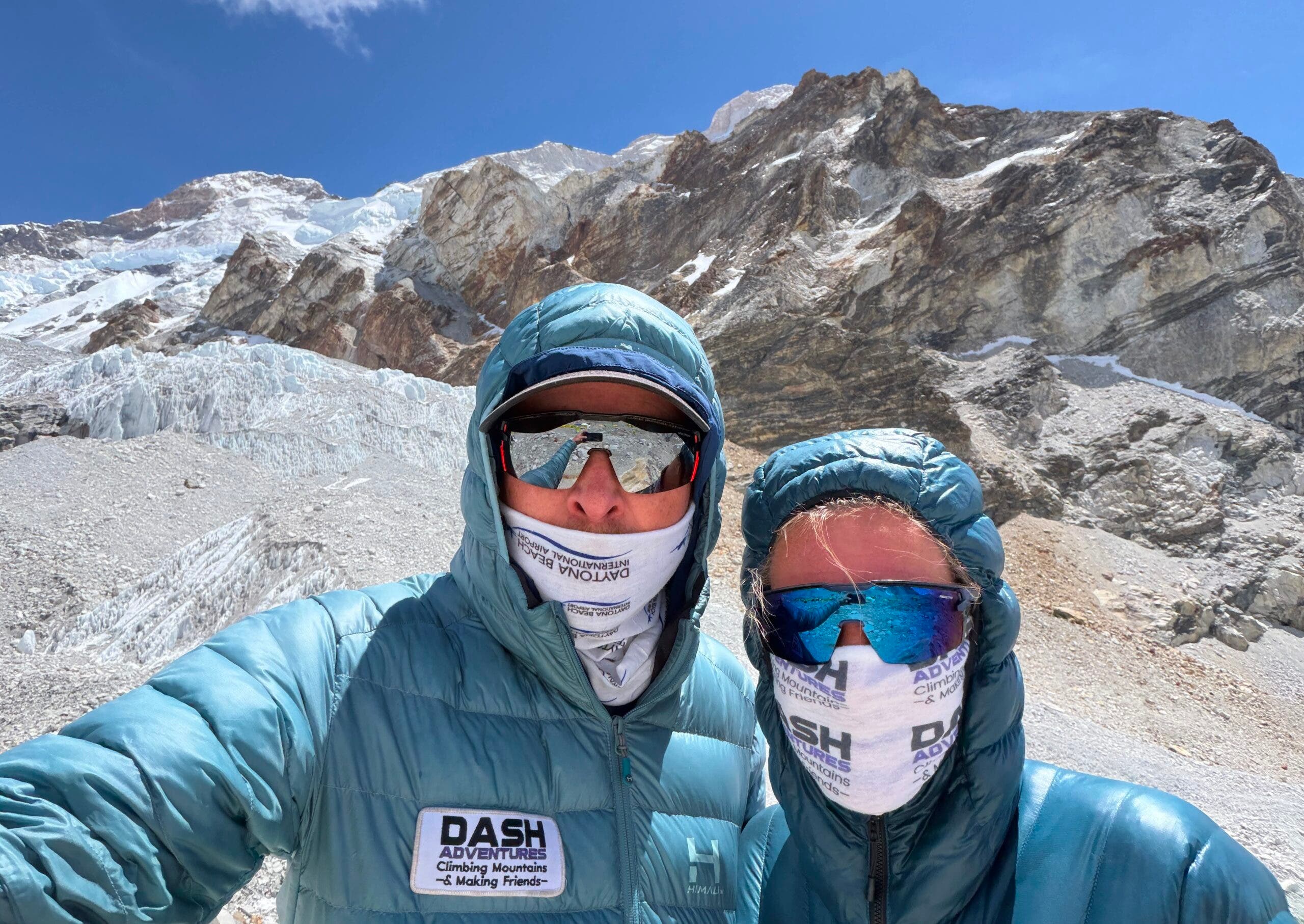
Climbers who worked with Johannesen described her as a "warm, vibrant presence" who thrived in the physical and emotional crucible of high-altitude expeditions. Nate Douglas, a climber who accompanied the couple on peaks such as Aconcagua in Argentina and Puncak Jaya in Indonesia, noted that Johannesen "really came alive in the mountains," finding beauty in the "human bonds forged on these expeditions."
Broader Implications for Himalayan Mountaineering
The death of Shelley Johannesen highlights the inherent risks of the "Death Zone" and the limitations of modern rescue technology. While commercial mountaineering has become more accessible, the incident on Makalu serves as a stark reminder that even with expert guides and proper protocols, the environment remains indifferent to human skill.
The tragedy also raises questions about the increasing unpredictability of Himalayan weather. As global temperatures shift, the timing of the monsoon and the behavior of the jet stream over the Himalayas have become less consistent. This unpredictability makes the "weather windows" for summiting and descending more narrow and dangerous.
For the guiding industry, the loss of a company leader like Johannesen may prompt a re-evaluation of descent strategies, particularly regarding the cache of emergency oxygen and survival gear at intermediate points between camps.
As of May 13, Tawa Sherpa remains under medical care for his injuries. Dave Ashley has returned from the mountain, facing the "devastating end" of a partnership that was as much about a shared life philosophy as it was about the mountains. The body of Johannesen remains on the mountain for the time being, a common and somber reality for those who perish at such extreme altitudes where recovery missions are fraught with their own lethal risks.
Johannesen is survived by her three children and a community of climbers who saw her as a testament to the idea that it is never too late to redefine one’s life. Her final expedition, though ending in tragedy, was the culmination of a journey she chose with full awareness of the risks, driven by a simple, profound goal: to figure out what would make her happy during her short time on Earth.


 Chandra Hamzah
 Tatiana Tantri Indah Sari
 Hendra Ismail
 Walid Sujud Trenggono
 Budi Mulyono