
 Budi Mulyono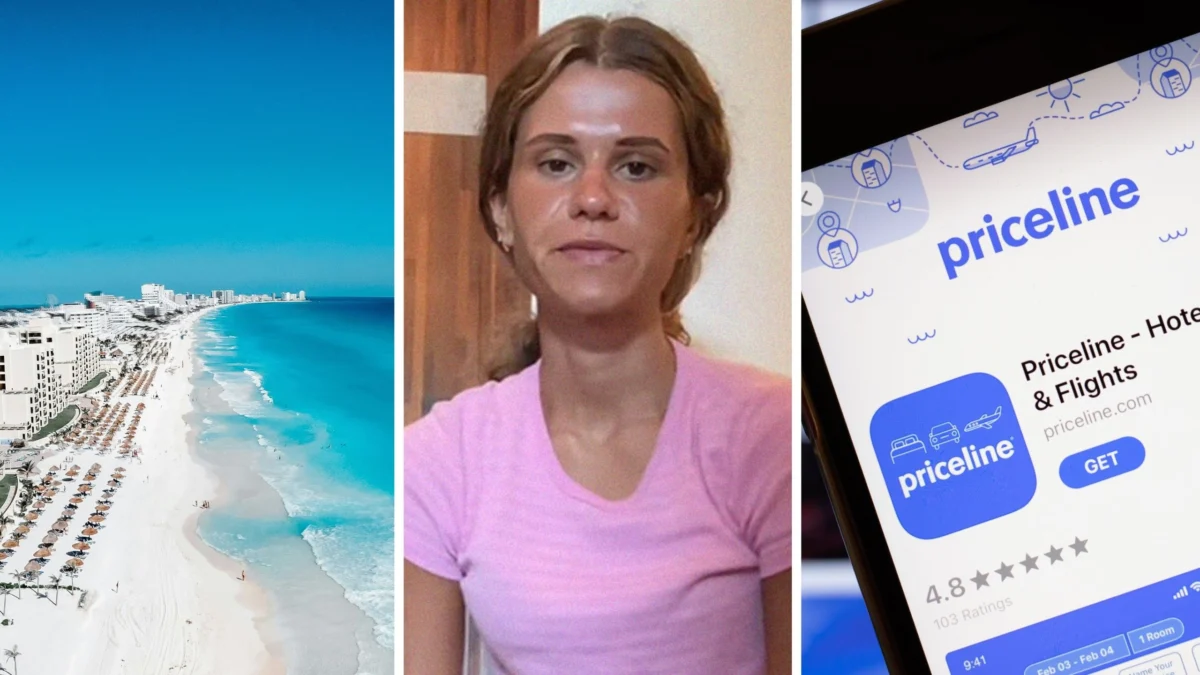
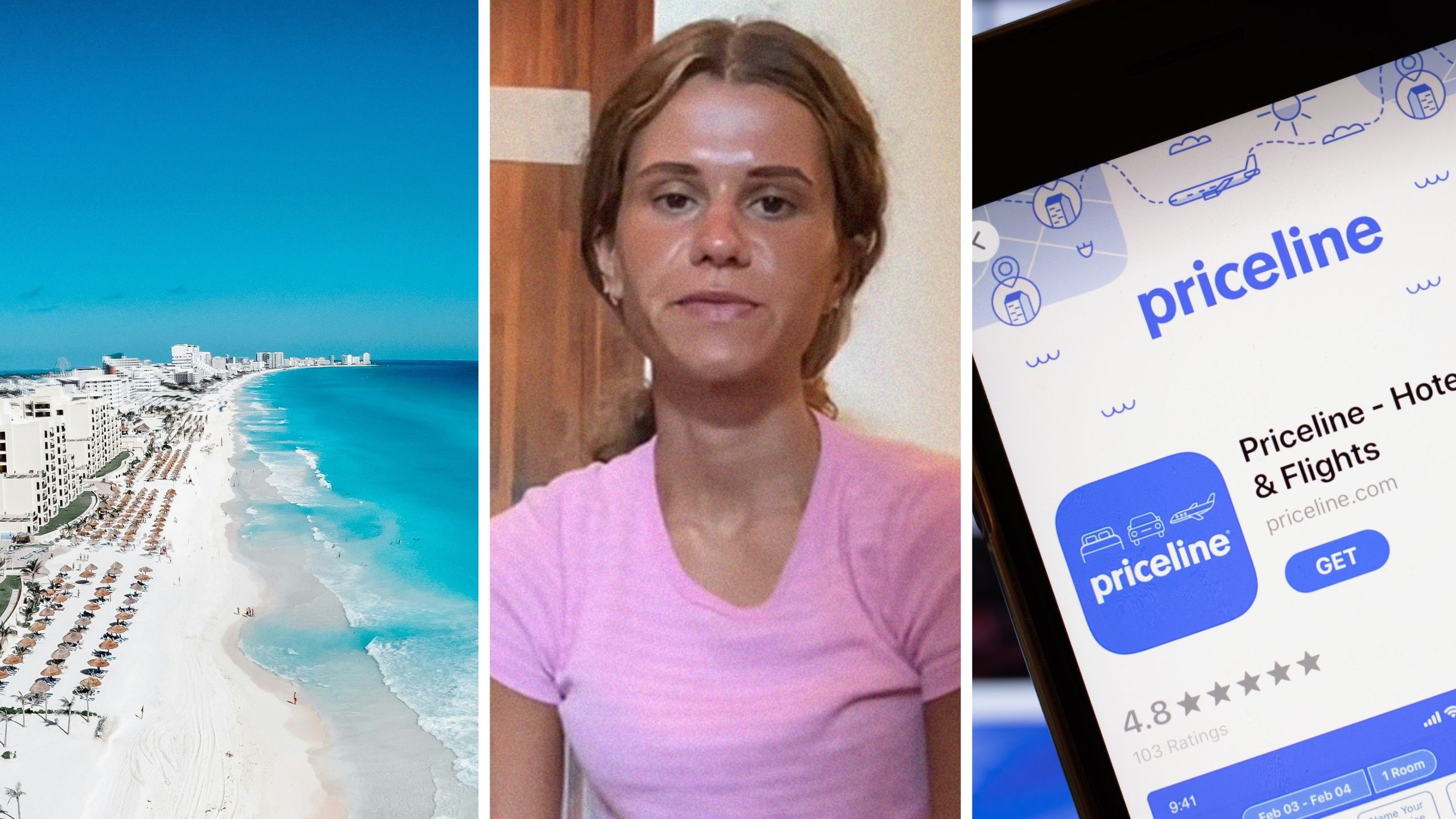
The promise of a seamless, all-inclusive honeymoon in Cancun, Mexico, recently devolved into a logistical nightmare for a newlywed couple who claim that a booking error by the online travel agency Priceline left them without accommodations for the final night of their trip. The incident, which was documented and shared on the social media platform TikTok by content creator Emma, known by her handle @emmabbear, has ignited a broader conversation regarding the reliability of third-party travel aggregators and the increasing reliance on artificial intelligence in customer service. Emma’s video, which has amassed over 185,000 views, serves as a cautionary tale for travelers who prioritize the perceived convenience and cost-savings of bundled travel packages over the security of direct bookings.
According to the account provided by Emma, the couple had utilized Priceline to book a comprehensive honeymoon package that was intended to cover both their round-trip airfare and their resort stay in Cancun. However, upon reaching the end of their scheduled stay, they discovered a significant discrepancy between their expected itinerary and the actual reservations held by the resort. While the couple believed they had paid for accommodations through the duration of their trip, they were informed by hotel staff that their checkout was scheduled for May 7, despite their return flight being booked for the afternoon of May 8. This left the newlyweds with a 24-hour "gap" during which they had no confirmed place to stay.
A Chronology of the Booking Discrepancy and Response
The timeline of the incident began with the couple attempting to resolve what they initially assumed was a simple clerical error. Upon being told by the resort that their reservation had expired, Emma and her husband contacted Priceline’s customer support. The initial interaction was handled by an automated AI chatbot. Screenshots shared in the viral video show the AI acknowledging the discrepancy, stating, “So there is a gap: no hotel night is booked for tonight (May 7-8), but your flight is tomorrow afternoon.” Despite this digital admission of a logistical failure, the couple claims they were unable to secure a resolution through the automated system.
Frustrated by the AI’s inability to process the complexity of the situation or offer a tangible remedy, the couple escalated their request to speak with a human representative. Emma reports that the transition from automated support to human intervention did little to alleviate their predicament. She alleges that when they finally reached a live agent via phone, the representative insisted that “there’s nothing wrong” and that the company was unable to provide further assistance. The situation reached a nadir when, according to Emma, the Priceline representative abruptly ended the call, hanging up on the couple while they were still stranded in a foreign country.
With no assistance forthcoming from the booking agency and the resort refusing to extend their stay without additional payment, the couple was forced to relocate. The video shows them eventually checking into a secondary, lower-cost hotel located near the Cancun airport to wait for their flight the following day. This unplanned expense and the stress of navigating a logistical failure during what was meant to be a celebratory period highlights the potential "hidden costs" of discount travel services.
The Role of Online Travel Agencies and the "Gap" Phenomenon
The incident experienced by the couple is not an isolated occurrence within the industry of Online Travel Agencies (OTAs). Companies like Priceline, which is a subsidiary of Booking Holdings, operate by bundling services from various providers, including airlines and hotel chains. While these bundles often offer significant discounts, they can occasionally suffer from synchronization errors within the Global Distribution Systems (GDS) that manage these bookings. A "gap" night can occur when the algorithm used to create the bundle fails to align the hotel checkout time with the flight departure time, particularly when dealing with overnight flights or international time zones.
In the case of Emma’s honeymoon, the discrepancy appears to be a failure of the platform to ensure the "flight + hotel" package covered the entire duration of the trip. While OTAs often include fine print stating that travelers should verify all dates before confirming, the user experience is designed to imply that a "package" is a complete solution. When these systems fail, the legal and financial responsibility often falls into a gray area between the agency and the service provider (the hotel), leaving the consumer caught in the middle.
Analyzing the Efficacy of AI in Travel Support
A central theme of the couple’s grievance was the frustration of dealing with an AI chatbot during a time of crisis. The travel industry has seen a rapid shift toward automated customer service as companies seek to reduce overhead costs. While AI can efficiently handle routine tasks such as changing a seat assignment or resending a confirmation email, it often lacks the nuance required to handle multi-layered booking failures.
Industry analysts note that when an AI bot acknowledges a problem—as it did in Emma’s case by identifying the May 7-8 gap—but lacks the authorization to issue refunds or book emergency accommodations, it creates a "friction loop" for the customer. This loop often leads to increased customer dissatisfaction and a loss of brand loyalty. The fact that the couple was allegedly hung up on by a human agent further suggests a breakdown in the escalation protocols that are supposed to catch the issues that AI cannot solve.
Consumer Sentiment and Industry Reputation
The reaction to Emma’s TikTok video reflects a growing skepticism toward major travel aggregators. On platforms like Reddit’s travel forums and Trustpilot, Priceline and its competitors face a barrage of similar complaints. While Priceline maintains a 2.9 out of 5 rating on Trustpilot—supported by thousands of positive reviews praising specific agents—the negative reviews often highlight systemic issues.
Common complaints among dissatisfied users include:
- Star Rating Discrepancies: Travelers booking "five-star" properties only to find the hotel carries a four-star local rating, with agencies often claiming the "stars" refer to user reviews rather than industry standards.
- Price Fluctuations Post-Booking: Reports of users seeing one price at checkout and receiving an invoice for a higher amount shortly after, with the agency citing real-time fare updates.
- Non-Refundable Limitations: The rigid nature of discounted tickets often makes it nearly impossible for travelers to recoup losses when a booking error occurs on the agency’s side.
Despite these risks, the OTA market remains massive. Booking Holdings, the parent company of Priceline, reported a total revenue of approximately $21.4 billion in 2023, signaling that the demand for discounted, bundled travel continues to outweigh the perceived risks for the average consumer.
Broader Implications for the Travel Industry
This incident underscores a critical juncture for the travel industry. As more consumers turn to social media to air their grievances, the reputational risk for companies like Priceline increases. A single viral video can reach millions of potential customers, serving as a powerful counter-narrative to expensive marketing campaigns.
For the hospitality sector, the refusal of the resort to assist the couple also highlights the strained relationship between hotels and OTAs. Hotels often pay significant commissions (ranging from 15% to 25%) to be listed on sites like Priceline. Consequently, when a guest arrives via a third-party booking, the hotel’s profit margin is lower, and they may be less inclined to offer "complimentary" fixes for errors they did not personally cause. This creates a service gap where the guest is treated as a customer of the OTA rather than a guest of the hotel.
Recommendations for Future Travelers
To avoid the "honeymoon low" experienced by Emma and her husband, travel experts suggest several preventative measures when using third-party sites:
- Verify with the Source: After booking through an OTA, travelers should call the hotel and airline directly to confirm that the dates in their internal systems match the OTA itinerary.
- The 24-Hour Rule: Many travel experts recommend booking flights directly with the airline to ensure better protection under the Department of Transportation’s consumer protection rules, using OTAs primarily for hotel-only bookings.
- Review the Fine Print: Ensure that the "number of nights" explicitly matches the number of days between the arrival and departure flights.
- Travel Insurance: Investing in independent travel insurance can provide a safety net for rebooking costs when an agency fails to provide the promised service.
The story of the Cancun honeymoon serves as a stark reminder that in the digital age of travel, the lowest price sometimes comes at the cost of reliability. As of the time of publication, Priceline has not issued a formal public statement regarding the specific claims made in Emma’s viral video, and the couple has not indicated whether they received any subsequent reimbursement for their out-of-pocket expenses. For the newlyweds, the "sour note" of their final night remains a permanent part of their wedding memories, highlighting the need for greater accountability in the automated world of modern travel.




 Anjar Salim
 Chandra Hamzah
 Tatiana Tantri Indah Sari
 Lukman Taruna Persada Ramadan
