
 Budi Mulyono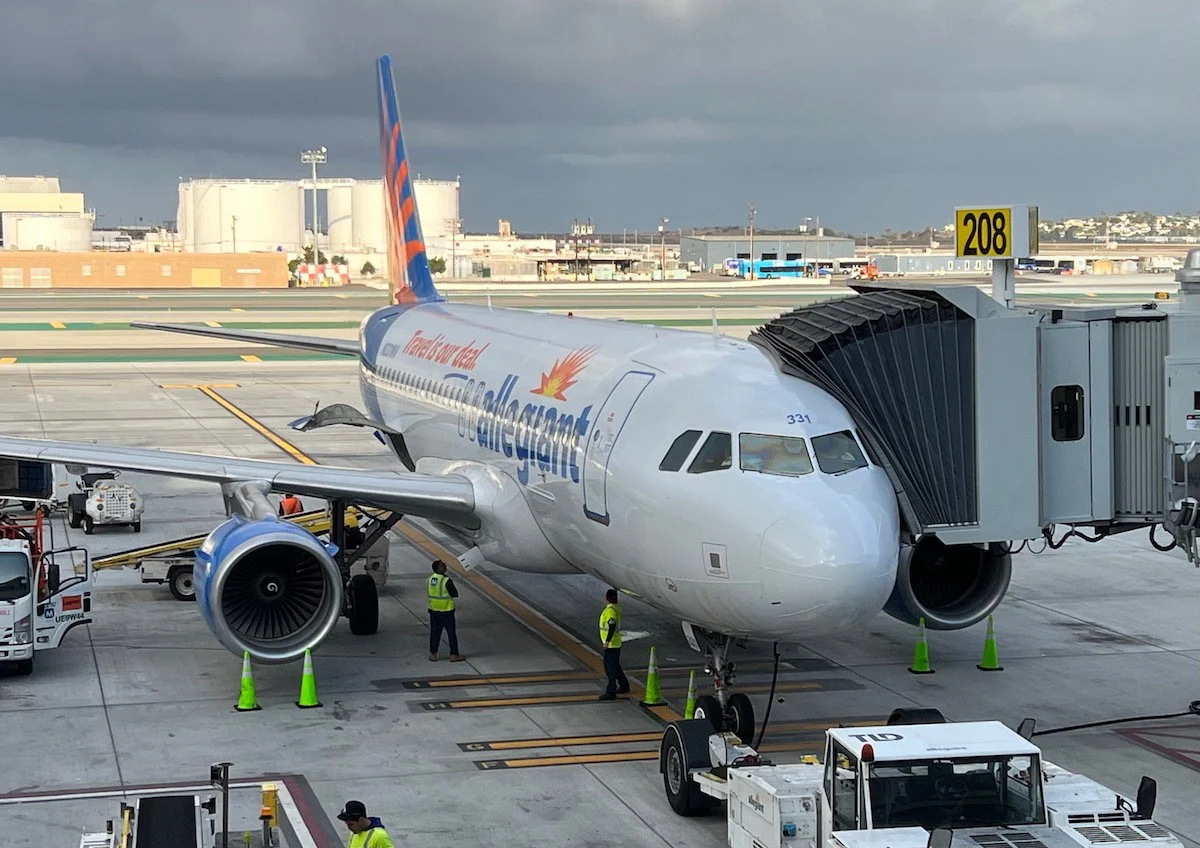
The landscape of the United States aviation industry underwent a significant transformation this week as Allegiant Travel Company announced the formal closing of its acquisition of Sun Country Airlines. This $1.5 billion transaction, first unveiled in January 2026, solidifies Allegiant’s position as the preeminent leisure-focused carrier in the country. By integrating Sun Country’s robust Minneapolis-based operations and its diversified business model into Allegiant’s expansive point-to-point network, the combined entity now commands a fleet of 195 aircraft serving 175 cities. The deal, which includes the assumption of approximately $400 million in Sun Country’s net debt, represents a strategic consolidation aimed at achieving scale in an increasingly bifurcated domestic market.
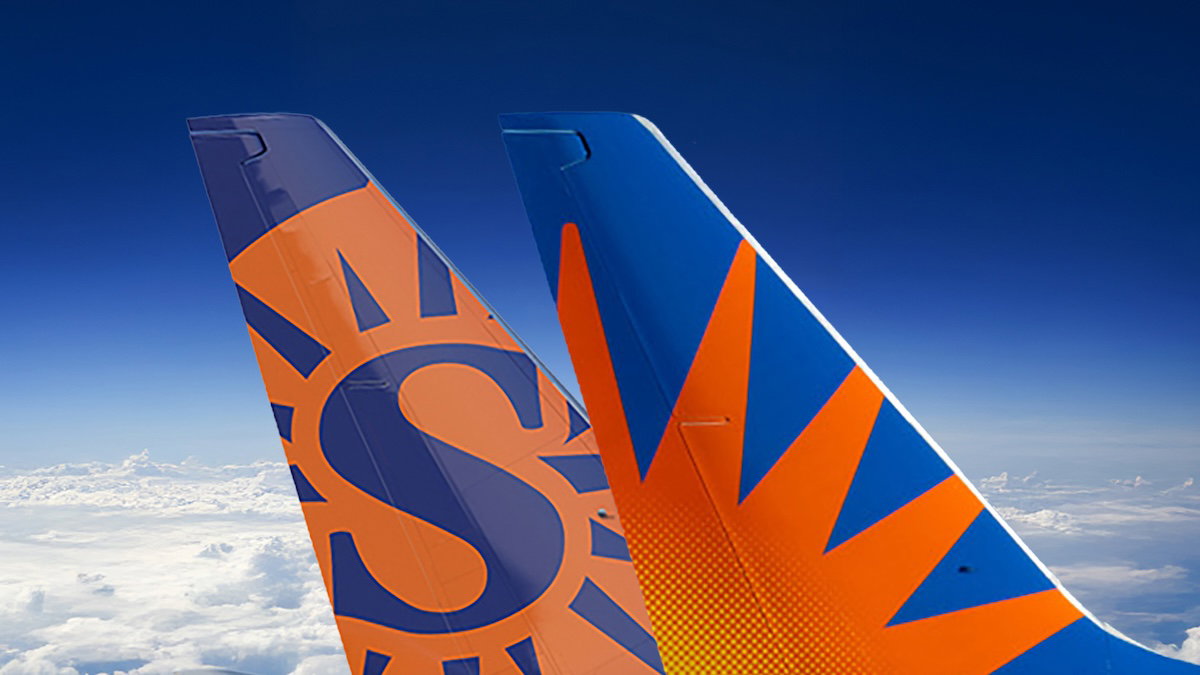
Under the terms of the agreement, the transaction was executed through a combination of cash and stock. Sun Country shareholders received $4.10 in cash and 0.1557 shares of Allegiant common stock for each share held. This package represents an implied value of $18.89 per share, a 19.8% premium over the closing price of Sun Country stock on January 9, 2026. Following the closure, Allegiant shareholders retain approximately 67% ownership of the combined company, while former Sun Country shareholders hold the remaining 33%. The move marks the end of Sun Country’s tenure as a standalone public entity and begins a multi-year integration process intended to sunset the Sun Country brand in favor of a unified Allegiant identity.
A Strategic Path to Consolidation: The 2026 Timeline
The path to this acquisition was characterized by a swift regulatory review and a clear alignment of corporate interests. Following the initial announcement in early January 2026, both boards of directors moved quickly to secure shareholder approval. Unlike previous attempts at airline consolidation in the 2020s—most notably the blocked JetBlue-Spirit merger—the Allegiant-Sun Country deal faced minimal antitrust scrutiny. Analysts attribute this to the lack of significant route overlap between the two carriers. While Allegiant primarily serves small-to-mid-sized markets with limited competition, Sun Country’s operations are heavily concentrated in the Minneapolis-St. Paul (MSP) hub and seasonal leisure destinations.
In March 2026, the Department of Justice (DOJ) and the Department of Transportation (DOT) concluded their preliminary reviews, signaling that the merger did not present a substantial threat to competition. By May, shareholders from both organizations overwhelmingly approved the merger, citing the potential for revenue synergies and the increased bargaining power of a larger fleet. The official closing of the deal this week marks the transition from planning to execution, as the two airlines begin the complex task of merging their operational certificates and labor groups.
Financial Dynamics and Market Valuation
The $1.1 billion equity value of the deal reflects a measured approach to consolidation. In the years leading up to 2026, the ultra-low-cost carrier (ULCC) sector in the United States faced immense pressure from rising labor costs and the aggressive expansion of "basic economy" offerings from legacy carriers like Delta, United, and American Airlines. While carriers like Spirit Airlines faced liquidation after failing to find a viable path forward, Allegiant and Sun Country remained profitable by adhering to specialized niches.
Allegiant’s business model—focused on low-frequency flights from underserved cities to vacation destinations—has historically generated some of the highest margins in the industry. Sun Country, conversely, utilized a "three-pillar" strategy consisting of scheduled service, charter operations, and a lucrative cargo contract with Amazon Air. The combination of these two models creates a "durable and differentiated" airline, according to Allegiant CEO Gregory Anderson. The financial community has responded with cautious optimism, noting that the 19.8% premium paid for Sun Country is conservative compared to historical airline acquisitions, such as Alaska Airlines’ premium for Hawaiian Airlines, suggesting a focus on long-term stability over short-term speculative growth.
Operational Integration and Fleet Synergies
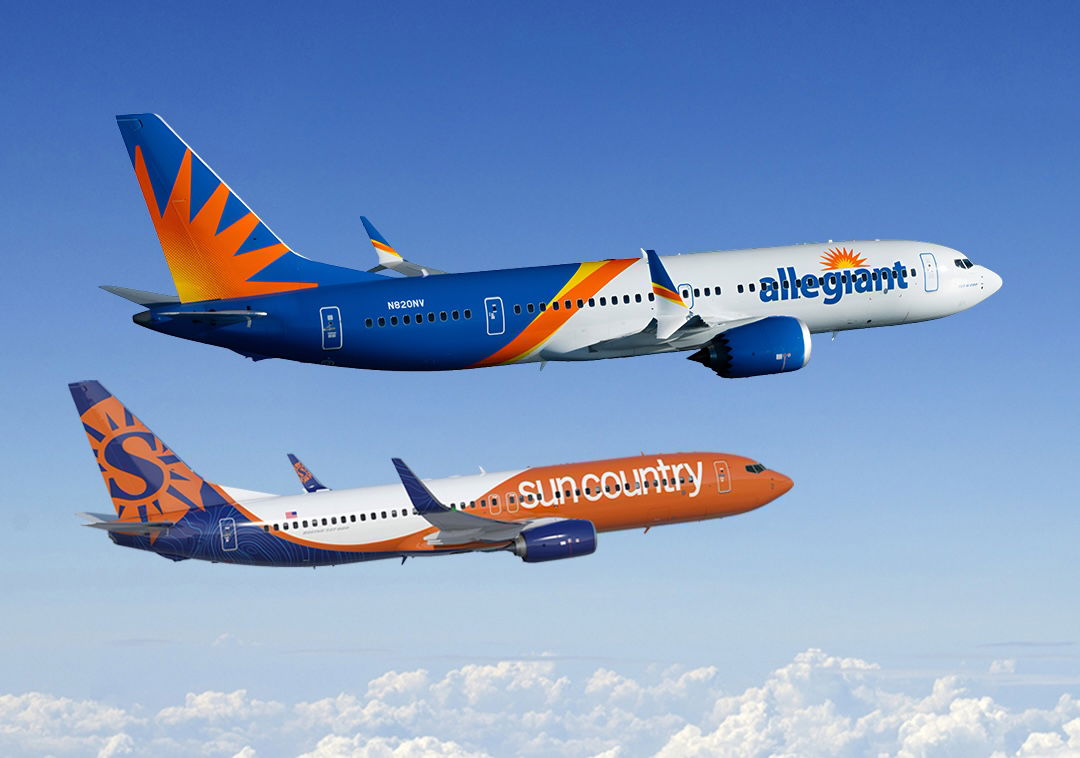
One of the most significant challenges and opportunities for the new Allegiant lies in its fleet composition. Historically, Allegiant has operated an all-Airbus A320 family fleet, though it began integrating Boeing 737 MAX aircraft in late 2024 and 2025. Sun Country operates an all-Boeing 737 Next Generation (NG) fleet. The merger brings these two types under one roof, creating a massive fleet of 195 narrow-body aircraft.
The integration plan, described by management as "thoughtful and disciplined," will see the two airlines operate under separate certificates in the immediate future. Passengers will continue to book through respective websites, and loyalty programs will remain distinct for the time being. However, the long-term goal is a single operating certificate from the Federal Aviation Administration (FAA). This transition will eventually allow Allegiant to optimize its scheduling, using Sun Country’s Boeing aircraft on routes where they are most efficient and leveraging Allegiant’s Airbus fleet in its traditional strongholds.
Furthermore, the acquisition provides Allegiant with immediate access to Sun Country’s established infrastructure at Minneapolis-St. Paul International Airport. As a major hub, MSP provides a level of connectivity that Allegiant previously lacked, offering a springboard for expanded service into the Upper Midwest and international destinations in Mexico and the Caribbean.
The Amazon Air Factor and Charter Diversification
A unique component of this merger is the inclusion of Sun Country’s cargo and charter divisions. Sun Country has maintained a significant partnership with Amazon, operating a fleet of dedicated freighters. This provides the combined company with a steady, non-cyclical revenue stream that is largely insulated from the fluctuations of passenger demand. In a volatile economic environment, the "cargo hedge" is viewed as a major strategic advantage for Allegiant.
Additionally, Sun Country’s robust charter business—which serves professional sports teams, the U.S. military, and large corporate groups—complements Allegiant’s existing Sunseeker Resort operations in Florida. By controlling both the transport and the destination, Allegiant is moving closer to a vertically integrated travel model, a rarity in the modern U.S. aviation sector.
Leadership and Labor Implications
Gregory Anderson, CEO of Allegiant, will lead the combined organization. In a statement following the closing, Anderson emphasized the cultural alignment between the two companies. "Today marks a defining moment in Allegiant’s history," Anderson stated. "By bringing together two strong airlines with similar business models, we are creating a more differentiated and durable airline—one well-positioned to deliver lasting value for our customers, team members, and shareholders."
However, the merger of labor groups remains a perennial hurdle in airline consolidations. The integration of pilots, flight attendants, and maintenance crews will require the negotiation of joint collective bargaining agreements. Historically, such mergers lead to increased labor costs as unions push for "parity plus" contracts, seeking the best terms from both legacy agreements. Industry experts suggest that while these costs will rise, the operational efficiencies gained from the merger should offset the impact on the bottom line.
Impact on the Competitive Landscape
The Allegiant-Sun Country merger arrives at a time when the U.S. airline industry is essentially divided into two tiers: the "Big Four" (American, Delta, United, and Southwest) and a struggling group of smaller carriers. With Spirit Airlines having exited the market through liquidation and JetBlue and Frontier facing their own strategic crossroads, the new Allegiant emerges as a formidable fifth player with a clear focus on the leisure traveler.
By avoiding direct "dogfights" with legacy carriers on high-business-traffic routes, Allegiant and Sun Country have maintained a level of pricing power that other discount carriers lacked. The combined network will offer nearly 175 cities, many of which have no other non-stop service to major vacation hubs. This "niche dominance" is expected to be the cornerstone of the airline’s future growth.
Future Outlook and Industry Implications
As the Sun Country brand is gradually phased out over the coming years, the industry will be watching closely to see if Allegiant can successfully maintain Sun Country’s loyal customer base in the Midwest. The "Allegiant-ization" of Sun Country will likely involve a shift toward more unbundled pricing and a focus on ancillary revenues, such as baggage fees and seat assignments, which are central to Allegiant’s profitability.
The success of this merger may also prompt further consolidation among the remaining mid-tier carriers. With the regulatory path now proven for non-overlapping networks, other airlines may look to the Allegiant-Sun Country model as a blueprint for survival. For now, the closing of this deal marks the beginning of a new era for leisure travel in the United States, promising a more expansive network for budget-conscious travelers while challenging the traditional hub-and-spoke dominance of the nation’s largest airlines.
The combined company is expected to provide further updates on its integration milestones during its next quarterly earnings call, with a particular focus on the timeline for a single operating certificate and the initial rollout of cross-airline booking capabilities. For the American traveler, the merger signifies the rise of a leisure giant, one that aims to prove that in the complex world of aviation, focusing on the vacationer is a winning strategy.




 Anjar Salim
 Chandra Hamzah
 Tatiana Tantri Indah Sari
 Lukman Taruna Persada Ramadan
