
 Hendra Ismail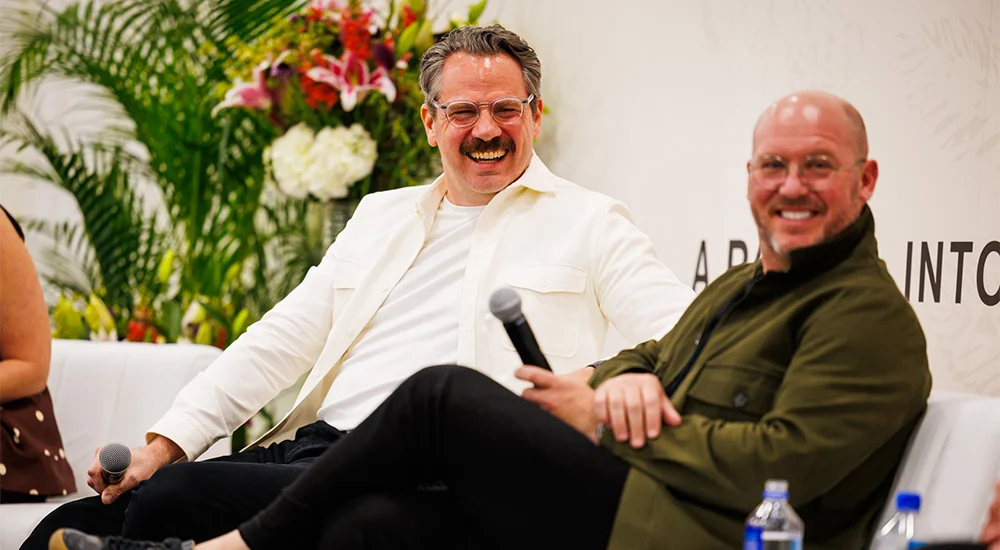
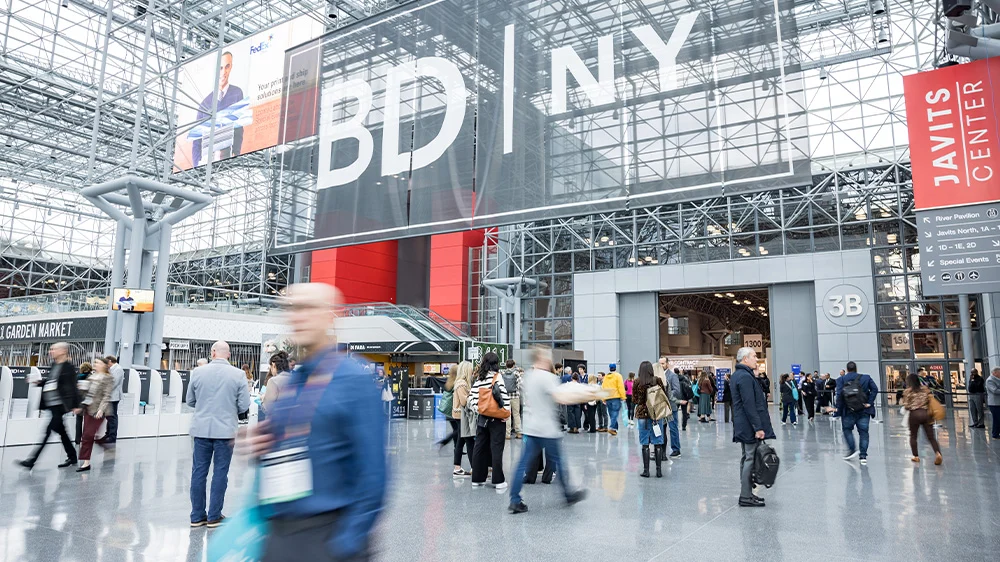
The inaugural day of HD Expo 2024, a pivotal event for the hospitality design industry, underscored a significant paradigm shift: the industry’s focus is moving decisively beyond mere aesthetics to encompass a more integrated, experiential, and technically sophisticated approach. Discussions throughout the day highlighted how wellness is becoming a foundational element, guest journeys are being meticulously choreographed, luxury is embracing context and restraint, and the operational realities of design firms are as crucial as creative vision. These insights, shared by leading designers, architects, and industry experts, paint a picture of a sector increasingly attuned to the nuanced needs and desires of the modern traveler.
Wellness as the New Design Baseline: From Hotels to Homes
A recurring theme throughout HD Expo’s first day was the pervasive integration of wellness into every facet of hospitality design. No longer confined to dedicated spa facilities or fitness centers, wellness is now considered a continuous experience, permeating guest rooms, public spaces, and even influencing design choices for residential properties. The panel discussion, "Wellness by Design: Seamless Technology Experiences from Hotel to Home," elucidated this evolution. Experts emphasized that hotels are increasingly serving not just as places of accommodation but as crucial testing grounds and sources of inspiration for wellness practices and technologies that guests will subsequently seek to integrate into their personal lives.
Glenn Nowak of UNLV articulated this shift, stating, "Wellness design and technology used to be something that we would see in very prescriptive kind of spaces. The spa is the place where you go for wellness, or the gym is where you go for wellness. Now, design decisions in all spaces throughout hospitality have elements of wellness." This sentiment was echoed by Sherrie Tennessee of SpaSOS, who noted that wellness is being "wrapped into every aspect in residential as well as commercial." Kaylee Barnett of RH further elaborated on the inspirational role of hotels, describing them as environments where guests can discover and adopt wellness practices to bring back into their daily routines.
The integration of technology plays a pivotal role in this transition, but its success hinges on seamless integration rather than obtrusive implementation. Hotels are exploring advanced amenities such as massage chairs, red light therapy devices, immersive projection systems, and sophisticated sound-mitigation tools, all aimed at enhancing guest well-being. However, panelists issued a critical caution: these technologies should fundamentally reshape the surrounding environment to create an atmosphere conducive to wellness, rather than simply occupying space. "Any new equipment that is geared toward wellness ought to have a ripple effect where elements around that equipment begin to change in their design," Nowak advised. "If it’s just a plug and play, you’ve missed a huge opportunity to really rethink the design." This perspective underscores the need for a holistic approach where technology serves to enhance the overall design narrative and guest experience, rather than existing in isolation. The increasing demand for biophilic design, incorporating natural elements and patterns, and the use of circadian lighting systems are further testaments to this growing emphasis on holistic well-being within hospitality spaces.
The Choreographed Guest Journey: Crafting Evocative Experiences
Beyond the individual elements of design, HD Expo’s opening day delved into the art of orchestrating the entire guest journey. The session titled "The Choreographed Hotel: Cinematic Design for Evocative Guest Experiences" explored how hospitality spaces can be designed to guide guests through a narrative, akin to the pacing and flow of a cinematic masterpiece. This approach moves beyond simply styling spaces to sequencing them in a manner that evokes emotional responses and builds anticipation.
Panelists drew parallels with disciplines like cinema, dance, and theater, illustrating how elements such as arrival sequences, transitions between spaces, the design of corridors and elevator lobbies, ambient soundscapes, carefully curated scents, and strategic lighting can all contribute to a compelling narrative. Rebecca McBride of IHG emphasized the significance of these transitional areas, stating, "The poetry is really in those transitions – that’s where you have the opportunity to really do something special. And it doesn’t necessarily need to be a big spend, but it needs to be thoughtful, and there needs to be some intentionality behind it." This highlights that impactful guest experiences can be achieved through meticulous planning and intentional design choices, even in seemingly minor areas.
This concept of choreography also allows for a delicate balance between planned experiences and moments of serendipitous discovery. Katiana Rousseau of Rockwell Group shared insights from restaurant projects where a blend of "scripted and unscripted magic" creates memorable encounters. This can manifest through thoughtfully framed views, the dramatic reveal of an open kitchen, or the intimate charm of a secluded corner booth, offering guests both guided experiences and opportunities for personal exploration. The implications of this approach are far-reaching, suggesting that hotels and other hospitality venues can become more immersive and engaging environments, fostering deeper emotional connections with guests. As the industry continues to seek differentiation, the ability to craft compelling narratives through design will become an increasingly valuable asset.
Redefining Luxury: Contextual, Restrained, and Risk-Tolerant Design
The discourse on luxury in hospitality also underwent a significant re-evaluation during the day’s proceedings. The presentation on "Carved From Stone: The Story Behind Desert Rock" offered a compelling case study of a new vision for luxury that is deeply contextual, embraces restraint, and is willing to take calculated risks. Chad Oppenheim and Paolo Ferrari, key figures behind the Saudi Arabia resort project, articulated a philosophy that prioritizes integration with the natural landscape over imposing structures upon it.
"So, our work is really considering the idea that we’re not building on the land, but we’re building with the land," Oppenheim explained. This ethos has guided a design language characterized by rawness, imperfection, and a deliberate sense of restraint. The project’s impact is derived not from ostentatious displays but from its profound dialogue with the ancient rock formations of the Hejaz Mountains. This approach signals a departure from the often opulent and overtly extravagant expressions of luxury, suggesting a growing appreciation for authenticity and a deep connection to place.
Furthermore, the panelists underscored that achieving such ambitious and risk-tolerant projects requires more than just a strong conceptual vision. It demands years of dedicated client alignment, meticulous technical coordination, and extensive collaboration with a diverse array of specialists, including geologists, engineers, mining experts, and life-safety consultants. Ferrari emphasized the importance of resisting a "homogenous kind of approach," advocating for designs that are intrinsically tied to their unique locations. The success of Desert Rock serves as a powerful testament to the potential for luxury hospitality to be both environmentally sensitive and culturally resonant, offering a more nuanced and enduring form of opulence. The growing interest in sustainable luxury and eco-tourism further supports this trend, indicating a market shift towards experiences that are both exclusive and responsible.
The Business of Design: Fluency Beyond Creative Vision
Shifting from the design itself to the infrastructure that supports it, the session "In the Principal’s Office: Words of Wisdom from Designers at the Helm" provided candid insights into the operational realities of running a successful design firm. Panelists shared practical advice on aspects of firm leadership that are often overlooked in design education, such as project pricing, time tracking, managing trade accounts, navigating sales tax regulations, human resources, financial management, and legal considerations.
Matthew Goodrich of Goodrich stressed the importance of continuous learning, advising, "What I always say to people is, be students of every part of the business as you’re working in different firms, because there’s a lot that I had missed and then had to teach myself." This emphasis on "business fluency" is presented not as a distraction from creative work but as a critical enabler of its sustainability. The ability to manage the financial and operational aspects of a firm allows for greater creative freedom and fosters a more robust studio culture.
Several speakers highlighted the strategic value of external expertise and the formation of balanced teams. Goodrich further elaborated, "Once our business started to have a really solid operational background and have a director of operations, director of finance, that’s when things actually started to go much more smoothly." This indicates that professionalizing the business side of design is paramount for scalable growth and operational efficiency. On a more personal level, the panelists also shared that leading a firm becomes a reflective process, acting as a "mirror" for a designer’s values, confidence, and areas for self-improvement. Ultimately, effective leadership in this context requires a profound understanding of both creative direction and sound business practices. The increasing complexity of client expectations and project scopes necessitates this dual expertise, ensuring that design firms can not only envision innovative solutions but also execute them efficiently and profitably.
In conclusion, the first day of HD Expo 2024 provided a compelling glimpse into the dynamic evolution of the hospitality design industry. The emphasis has clearly shifted from superficial aesthetics to a more profound understanding of guest well-being, narrative immersion, contextual luxury, and the essential business acumen required to bring these visions to life. As the industry continues to adapt to changing consumer demands and technological advancements, these overarching themes are likely to shape the future of hospitality design for years to come.


 Budi Mulyono
 Anjar Salim
 Chandra Hamzah
 Tatiana Tantri Indah Sari

 Lukman Taruna Persada Ramadan