
 Susilo Edi Turonggo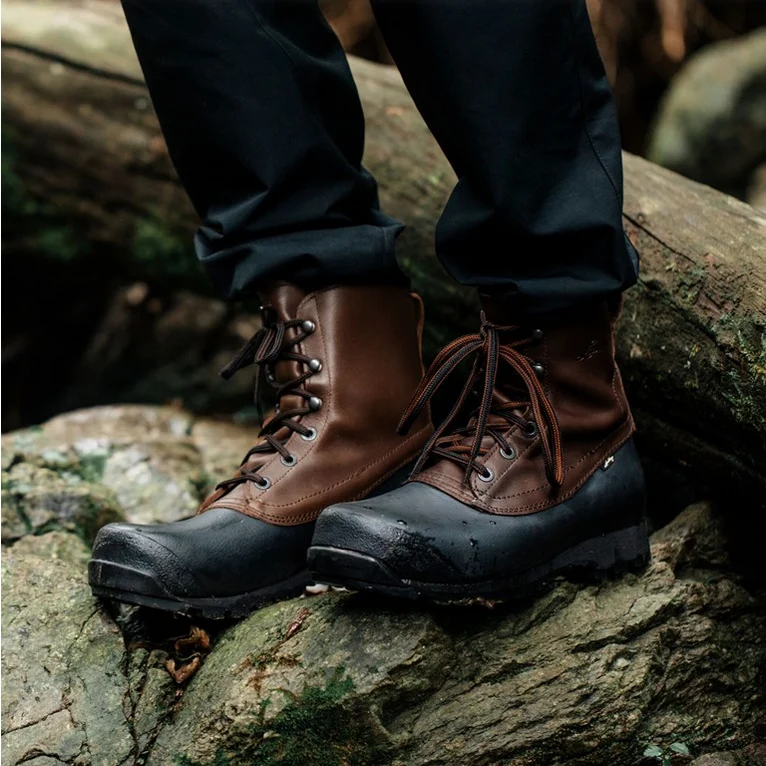
The Imperative for PFAS-Free Winter Boots: Navigating Sustainable Choices for Environmental and Human Health
The onset of winter brings with it the universal need for reliable footwear capable of withstanding snow, slush, and biting cold. Beyond mere functionality, a growing global consciousness underscores the critical importance of ensuring these essential boots are not only durable and weather-resistant but also environmentally benign and safe for human health. This dual mandate for performance and sustainability has brought to the forefront the issue of per- and polyfluoroalkyl substances (PFAS), commonly known as "forever chemicals," which have historically been prevalent in waterproof apparel, including winter boots. The urgent transition to PFAS-free alternatives represents a significant shift in the outdoor apparel industry, driven by escalating scientific understanding of these chemicals’ pervasive risks and increasing consumer demand for truly sustainable products.
Understanding the "Forever Chemicals": Per- and Polyfluoroalkyl Substances (PFAS)
Per- and polyfluoroalkyl substances (PFAS) are a vast family of synthetic chemicals, numbering in the thousands, that have been manufactured and used across various industries worldwide since the 1940s. Their unique properties, including resistance to heat, oil, stains, and water, have made them invaluable in a wide array of consumer and industrial products. In the fashion and outdoor gear sectors, PFAS have been extensively employed as Durable Water Repellent (DWR) finishes on textiles, fabrics, and footwear, providing the crucial waterproofing and stain-repellent characteristics demanded by consumers for items like winter boots, rain jackets, and ski gear. This chemical treatment allows materials to repel water without significantly impeding breathability, a desirable trait for active wear in challenging conditions.
However, the very chemical stability that makes PFAS effective also makes them exceptionally persistent in the environment. Characterized by strong carbon-fluorine bonds, these substances do not readily break down naturally, earning them the moniker "forever chemicals" among scientists and environmental advocates. When PFAS-treated products shed microscopic particles—through wear and tear, washing, or disposal—these chemicals enter the ecosystem. They accumulate in water bodies, permeate soil, and have been detected in the atmosphere, leading to widespread environmental contamination. Studies by organizations such as the U.S. Environmental Protection Agency (EPA) and the U.S. Geological Survey (USGS) have revealed the presence of PFAS in public drinking water systems across the United States, highlighting the ubiquity of this contamination. The EPA has identified PFAS as an emerging contaminant of concern, issuing health advisories and proposing regulations to address their presence in water supplies.
The implications for human health are equally concerning. Exposure to certain PFAS has been linked to a range of adverse health effects. The Agency for Toxic Substances and Disease Registry (ATSDR) and other health organizations have compiled research suggesting connections between PFAS exposure and increased cholesterol levels, changes in liver enzymes, decreased vaccine response in children, increased risk of high blood pressure or pre-eclampsia in pregnant women, decreased infant birth weights, and increased risk of kidney and testicular cancers. These potential health impacts underscore the importance of minimizing exposure, not only through environmental pathways but also directly from consumer products within homes.
Given these environmental and health risks, a critical guideline for consumers is to assume the presence of PFAS in waterproofing finishes unless a brand explicitly states otherwise. Manufacturers committed to sustainability will typically label their products as "PFAS-free," "PFC-free," or "free of fluorinated chemicals," providing clear assurance to discerning buyers.
The Industry’s Shift: Moving Towards PFAS-Free Solutions
The growing scientific consensus on the risks associated with PFAS has spurred a significant paradigm shift within the outdoor apparel and footwear industry. What began as a niche concern among environmental advocacy groups has evolved into a mainstream movement, with major brands and retailers committing to phasing out these chemicals. This transition is not merely a response to regulatory pressure but also a proactive move driven by corporate responsibility and increasing consumer demand for genuinely sustainable products.
Chronology of Awareness and Action:
- Early 2000s: Initial research begins to highlight the persistence and potential toxicity of longer-chain PFAS (C8 and above).
- Mid-2000s: Environmental organizations launch campaigns drawing attention to PFAS in outdoor gear.
- 2010s: Key brands, often under public pressure, begin exploring and investing in PFAS-free DWR alternatives, initially focusing on replacing long-chain PFAS with shorter-chain versions, before the industry realized even shorter-chain PFAS posed similar environmental persistence issues.
- Late 2010s – Early 2020s: A more comprehensive industry-wide commitment emerges to eliminate all PFAS, regardless of chain length, with brands like Keen leading the charge and openly sharing their transition process to encourage broader adoption. Retailers like REI also set ambitious deadlines for PFAS removal from their product lines and the brands they carry.
- Present: Innovation in fluorine-free DWR (FFDWR) technologies is accelerating, offering effective and environmentally safer waterproofing solutions.
The transition has not been without its challenges. Developing non-fluorinated alternatives that match the performance of traditional PFAS-based DWRs in terms of durability and water repellency has required substantial research and development. However, advancements in polymer science and material engineering have yielded promising results, allowing brands to maintain high standards of performance without compromising environmental integrity. This ongoing innovation is critical for ensuring that sustainable options do not equate to a compromise in product quality or functionality for consumers venturing into harsh winter conditions.
Criteria for Sustainable Winter Boots: Beyond PFAS-Free
While eliminating PFAS is a foundational step, true sustainability in winter boots encompasses a broader set of criteria, reflecting a holistic approach to environmental stewardship and ethical manufacturing. Consumers seeking to make informed choices should consider a brand’s commitment across several key areas:
A. Safe & Sustainable Materials
The journey towards sustainable footwear begins with the selection and processing of raw materials. Beyond verifying PFAS-free waterproofing, consumers should scrutinize other material aspects:
- PFAS-Free Verification: As previously noted, explicit labeling as "PFAS-free," "PFC-free," or "fluorocarbon-free" is paramount. In the absence of such statements, caution is advised.
- Responsible Leather Sourcing (Leather Working Group – LWG): For boots utilizing leather, certification from the Leather Working Group (LWG) is a crucial indicator of environmental responsibility. LWG assesses tanneries based on their environmental performance, including water and energy usage, waste management, and the use of restricted substances. Gold, Silver, and Bronze ratings signify progressively higher standards of compliance, ensuring that leather production minimizes its ecological footprint.
- Certified Recycled Materials (Global Recycled Standard – GRS): The integration of recycled materials—such as recycled polyester in linings, insulation, or outer fabrics—significantly reduces reliance on virgin resources and diverts waste from landfills. The Global Recycled Standard (GRS) is a product standard that verifies the content of recycled materials and ensures responsible social, environmental, and chemical practices in production. This certification provides assurance that materials are genuinely recycled and processed under ethical conditions.
- Bluesign® System Certification: The bluesign® system is a comprehensive standard that aims to eliminate harmful substances from the textile production chain from the very beginning. It covers chemical inputs, environmental performance, occupational health and safety, and consumer safety. Products carrying the bluesign® APPROVED label guarantee that they were manufactured using responsible resources and processes that minimize impact on people and the planet.
- Restricted Substances Lists (RSLs): Many proactive brands maintain their own Restricted Substances Lists (RSLs), which go beyond legal requirements to prohibit or limit the use of certain chemicals in their manufacturing processes. A robust RSL program demonstrates a brand’s serious commitment to chemical management and product safety.
- Vegan Alternatives: For consumers avoiding animal products, the market offers innovative vegan materials. These can range from plant-based leathers (e.g., made from pineapple leaves, mushrooms, or cactus) to recycled synthetic materials. However, it’s crucial to differentiate between genuinely sustainable vegan alternatives and those that rely heavily on conventional plastics, which may still pose environmental challenges regarding microplastic shedding and end-of-life disposal.
B. Transparent and Ethical Supply Chains
The social dimension of sustainability is equally important. Ethical manufacturing practices ensure that the production of winter boots does not come at the cost of human rights or worker well-being.
- Fair Wear Foundation (FWF) Partnership: The Fair Wear Foundation is an independent, non-profit organization that works with garment brands and factories to improve labor conditions. Brands partnering with FWF commit to implementing a code of labor practice along their supply chain, covering aspects like fair wages, reasonable working hours, and safe conditions.
- Factory Audits and Codes of Conduct: Brands demonstrating a commitment to ethical production typically conduct regular audits of their manufacturing facilities, often by independent third parties, to ensure compliance with labor laws and their own codes of conduct. These codes outline standards for worker safety, environmental protection, and fair treatment.
- Supply Chain Traceability: A truly transparent brand can trace its products from raw material sourcing through all stages of manufacturing. This level of traceability allows for better oversight, accountability, and the ability to identify and address potential social or environmental issues effectively.
C. Longevity and Circularity: After-Market Repair and Design for Durability
A fundamental principle of sustainability is to extend the lifespan of products, thereby reducing consumption and waste.
- Design for Durability: Sustainable winter boots are inherently designed for longevity, using robust materials and construction techniques that withstand years of use. This contrasts with fast fashion models that prioritize disposability.
- Repair Services and Spare Parts: Brands dedicated to circularity often offer repair services, either directly or through authorized partners, to mend damaged boots. Providing access to replacement parts (e.g., laces, insoles, outsoles) further empowers consumers to extend the life of their footwear.
- Take-Back Programs: Some forward-thinking brands are exploring take-back programs, where consumers can return worn-out boots for recycling or upcycling, closing the loop on material flows.
Leading Brands in the Sustainable Winter Boot Market
The market for sustainable, PFAS-free winter boots is steadily expanding, with several brands demonstrating strong commitments to environmental and ethical practices. These companies are not only eliminating harmful chemicals but also embracing broader sustainability principles in their operations and product lifecycles.
Pioneers in PFAS-Free Innovation:
-
Keen: A recognized leader in sustainable outdoor footwear, Keen made headlines as the first outdoor brand to publicly commit to and achieve PFAS-free waterproofing across its product lines, notably sharing its process to inspire industry-wide adoption. Their winter boot range, spanning from stylish urban designs to heavy-duty performance models, utilizes a proprietary PFAS-free Durable Water Repellent (DWR) system. Keen’s dedication extends to material sourcing, exclusively partnering with Leather Working Group (LWG)-certified tanneries for their leather components. Furthermore, the brand maintains a comprehensive Restricted Substances List (RSL) and manufactures at least one in three pairs in its own facilities. A rigorous auditing program for its Tier 1 and Tier 2 suppliers ensures adherence to its strict code of conduct, covering environmental impact and labor practices.
- Price Range: $115-$250
- Availability: Primarily in the U.S., with some products available internationally via partner dealers in China, Australia, and most European and Asian countries.
-
Jack Wolfskin: This German outdoor brand is celebrated for its innovative, earth-conscious, and PFAS-free gear engineered for durability. Most of their winter boots feature custom Texapore technology, a water and wind-proof membrane that is entirely fluorine-free. Jack Wolfskin prides itself on supply chain transparency, publicly listing all its partners. A significant portion of these partners are bluesign®-approved, indicating a high standard of chemical management and environmental performance. The brand further ensures ethical working conditions through regular, independent inspections of its manufacturing facilities.
- Price Range: $120-$230
- Availability: Predominantly in most European countries.
European Craftsmanship and Repair Focus:
-
Lundhags: Hailing from Sweden with a heritage dating back to 1932, Lundhags embodies Nordic craftsmanship and a deep commitment to product longevity. Their high-quality leather boots are manufactured in Europe, utilizing materials sourced from a German tannery, thereby ensuring a short and traceable supply chain. Lundhags offers a range of shell, one-layer, and three-layer boot constructions designed for extreme durability. A cornerstone of their sustainability philosophy is their after-market repair shop, where customers can send their boots for expert refurbishment, significantly extending the product’s lifespan. The brand operates under the Brav code of conduct, which regulates factory working conditions and environmental standards.
- Price Range: $217-$597
- Availability: Primarily in most European countries.
-
Vaude: A German brand renowned for its innovative and environmentally friendly outdoor equipment, Vaude produces winter boots featuring a water and wind-proof PFAS-free membrane made from recycled polyester. Their commitment to local sourcing is evident in their use of leather uppers from a local German tannery. Vaude excels in supply chain transparency, providing detailed information about the manufacturing location for each product directly on its product pages. Demonstrating a robust circular economy approach, Vaude makes it exceptionally easy for customers to extend the life of their boots through readily available and affordable replacement parts, alongside a comprehensive full-service repair program.
- Price Range: $200-$263
- Availability: Available in Canada and most European countries, though not currently in the U.S.
Versatile and Ethically Sourced Options:
-
Forsake: Forsake offers a diverse collection of waterproof boots, ranging from stylish sneaker-boots to heeled hiking boots, all designed for versatility and performance. Their leather components are sourced from Leather Working Group (LWG)-certified tanneries, ensuring responsible environmental practices in leather production. Forsake’s parent group enforces a strict code of conduct for all its suppliers and conducts regular independent audits to verify compliance with labor and environmental standards. While the brand demonstrates strong commitments in these areas, detailed information regarding the sourcing of specific components, such as memory foam insoles, could enhance transparency further.
- Price Range: $145-$160
- Availability: Primarily in the U.S.
-
Poppy Barley: This Canadian brand specializes in ethically crafted footwear, including water-resistant ankle and calf-length boots. Poppy Barley prides itself on its commitment to responsible manufacturing, with audited factories located in Europe and Mexico. The brand primarily utilizes Leather Working Group (LWG)-certified leather, ensuring that the hides are processed with reduced environmental impact. Consumers are encouraged to check individual product pages for specific LWG certifications to confirm the sustainable sourcing of materials for their chosen pair, as not all boots may carry this specific certification.
- Price Range: $293-$480
- Availability: Available in the Continental U.S., Mexico, Canada, and Australia.
Vegan and Recycled Material Innovators:
-
EcoAlf: As a certified B-Corp, EcoAlf stands out for its pioneering approach to sustainable fashion, transforming waste into high-quality products. Their vegan, PFAS-free winter boots are crafted from Global Recycled Standard (GRS)-certified recycled polyester and a combination of new and recycled rubber. EcoAlf maintains impressive supply chain traceability, tracking its production down to Tier 3 suppliers, which provides a high degree of oversight. While the brand is transparent about its recycled materials, more granular details on the precise raw material origin for all components could further bolster its transparency claims.
- Price Range: $145-$299
- Availability: Widespread availability in the U.S., most South American countries, most European countries, and most Asian countries.
-
Will’s Vegan Store: A dedicated vegan footwear brand, Will’s Vegan Shoes produces its collections in Italy and Portugal, emphasizing ethical production without animal products. Their waterproof shoes feature PFAS-free uppers, utilizing bio-based leathers and recycled polyester insulation. The brand is committed to tracing every step of its production process to ensure sustainable and ethical practices. While offering a strong ethical stance, consumers should note that some products may utilize unspecified "vegan leather," which often implies polyurethane or other plastic-based materials. Additionally, not all waterproof pairs are explicitly stated as PFAS-free, making it essential for buyers to verify product descriptions carefully before purchase.
- Price Range: $134-$190
- Availability: Worldwide shipping to all countries.
Circular Economy Solutions:
- REI Used Gear: For consumers seeking an even more sustainable and affordable option, REI Used Gear offers a compelling platform. This initiative allows individuals to buy, sell, and trade in pre-owned outdoor equipment, including winter boots, at discounted prices. Opting for used gear significantly extends the lifespan of products, reducing the demand for new manufacturing and minimizing waste. While REI itself is actively working to eliminate PFAS from its proprietary brand products, buyers on the used gear platform should diligently check the product details of individual listings. This is crucial because the inventory comprises various brands, and not all may have been originally manufactured as PFAS-free. This platform represents a practical application of circular economy principles, making sustainable choices more accessible.
- Price Range: $22-$149.50 (highly variable based on condition and original price)
- Availability: Primarily in the U.S.
Broader Implications and Future Outlook
The shift towards PFAS-free and sustainably produced winter boots is indicative of a larger transformation within the consumer goods industry. This movement is not merely about avoiding harmful chemicals but about fostering a comprehensive approach to product development that considers the entire lifecycle—from raw material extraction and ethical manufacturing to product longevity and end-of-life management.
Consumer Empowerment: The increasing availability of transparent information and certified products empowers consumers to make choices that align with their values. As awareness of environmental and health impacts grows, so does the demand for brands that demonstrate genuine commitment to sustainability. This consumer-driven pressure is a powerful catalyst for change across the industry.
Industry Responsibility: Leading brands are demonstrating that high-performance outdoor gear can be produced without relying on hazardous chemicals. This commitment necessitates ongoing investment in research and development for innovative materials and manufacturing processes. The collaboration and knowledge-sharing among brands, exemplified by companies like Keen, are crucial for accelerating this transition.
Policy and Regulation: Governments and regulatory bodies worldwide are tightening restrictions on PFAS use. The European Union, for instance, has been at the forefront of proposing comprehensive bans on PFAS in various applications. Such regulations provide a necessary framework, pushing all manufacturers towards safer alternatives and ensuring a level playing field for sustainable practices.
The Path Forward: The future of winter footwear, and indeed the broader outdoor apparel industry, is undoubtedly one rooted in sustainability. By prioritizing PFAS-free materials, advocating for transparent and ethical supply chains, and embracing circular economy principles like repair and extended product lifespans, the industry can collectively contribute to a healthier planet and a safer future for all. The journey is ongoing, but the trajectory towards responsible and high-performing winter boots is clear and irreversible.



 Anjar Salim
 Chandra Hamzah
 Tatiana Tantri Indah Sari
 Budi Mulyono

