
 Susilo Edi Turonggo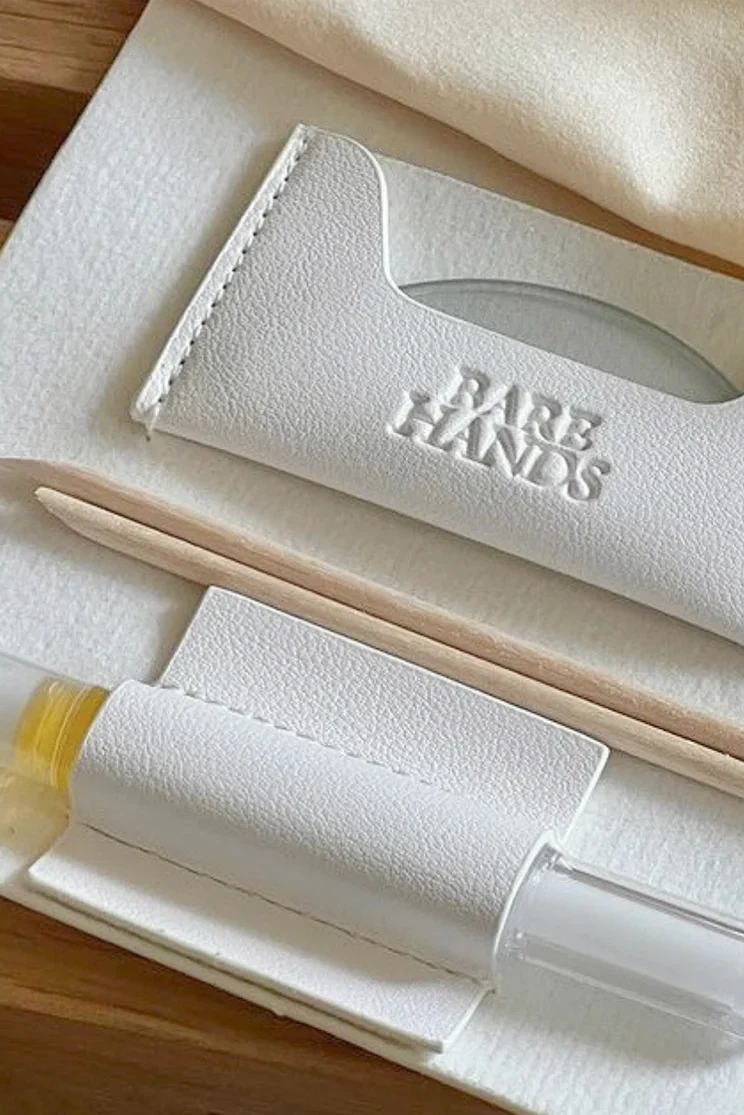
As winter’s chill descends, bringing with it dry skin and a pervasive sense of seasonal weariness, coupled with the persistent pressure of inflationary economic conditions, the concept of an at-home spa day has transcended a mere luxury to become a pragmatic and appealing wellness solution. This growing trend reflects a broader societal shift towards conscious consumption, personal empowerment in self-care, and an increasing demand for non-toxic, sustainably sourced beauty products. While foundational wellness practices such as adequate sleep, healthy nutrition, and effective stress management remain paramount, the integration of thoughtful at-home pampering rituals offers an accessible avenue for holistic well-being without straining already tight budgets or compromising ethical standards.
Economic Pressures Fueling the At-Home Wellness Movement
The current economic climate, marked by elevated inflation rates, has significantly influenced consumer spending habits across various sectors, including personal care and beauty. Recent economic reports indicate that discretionary spending is under scrutiny, leading many consumers to re-evaluate their expenditures on services like professional spa treatments and salon visits. According to a 2023 consumer sentiment survey by McKinsey & Company, a notable percentage of consumers are actively seeking more affordable alternatives for their beauty and wellness routines, with a particular emphasis on value and longevity of products. This shift has created fertile ground for the at-home beauty market, which offers a cost-effective alternative to expensive salon appointments while still delivering a sense of indulgence and self-care.
Moreover, the prolonged periods of lockdown and restricted mobility experienced during the global pandemic fundamentally reshaped consumer behavior, accelerating the adoption of at-home solutions for nearly every aspect of daily life, including personal grooming and relaxation. This established a precedent for DIY beauty, proving its efficacy and convenience, and laying the groundwork for its continued popularity even as external restrictions eased. Industry analysts project that the global at-home beauty devices and products market, valued at approximately $40 billion in 2022, is expected to grow at a compound annual growth rate (CAGR) of over 10% through 2030, underscoring its long-term viability as a mainstream wellness trend.
The Evolution of Conscious Beauty: Prioritizing Non-Toxic and Sustainable Choices
Parallel to the economic drivers, a profound transformation has occurred within the beauty industry itself, propelled by an increasingly informed and ethically conscious consumer base. The "clean beauty" movement, which gained significant momentum in the late 2010s, has evolved from a niche interest into a dominant force, demanding transparency, accountability, and the elimination of potentially harmful ingredients from personal care products. Consumers are now actively scrutinizing ingredient lists, researching brand philosophies, and seeking certifications that attest to a product’s safety, ethical sourcing, and environmental footprint.
This shift is not merely a fad but a reflection of growing public awareness regarding the potential health implications of synthetic chemicals, parabens, phthalates, sulfates, and artificial fragrances commonly found in conventional beauty products. Consumer advocacy groups and scientific studies have consistently highlighted concerns about endocrine disruption, skin irritation, and long-term health risks associated with certain ingredients. As a result, brands that prioritize natural, organic, vegan, cruelty-free, and non-toxic formulations are experiencing significant growth. "Consumers are no longer willing to compromise their health for beauty," states Dr. Anya Sharma, a leading dermatologist and advocate for clean beauty. "They want products that are not only effective but also align with their values for safety and sustainability."
Furthermore, environmental considerations play a crucial role in purchasing decisions. The demand for sustainable packaging, refillable options, and brands committed to reducing their carbon footprint is on the rise. Many of the businesses highlighted in this context actively vet their supply chains, utilize recycled or recyclable materials, and implement eco-friendly manufacturing processes, appealing directly to the environmentally conscious consumer. This commitment extends beyond product formulation to the entire lifecycle of a product, from ingredient harvesting to disposal.
Empowering Self-Care: Diverse Pathways to At-Home Indulgence
The accessibility of at-home pampering spans a wide spectrum, from utilizing everyday household items to investing in curated, specialized kits from ethical brands. The beauty of this trend lies in its flexibility and inclusivity, catering to varying budgets and preferences.
For those seeking minimalist and budget-friendly options, the pantry and medicine cabinet often hold surprising treasures. A simple bag of Epsom salt, renowned for its magnesium content, can transform a regular bath into a muscle-relaxing, detoxifying soak. Similarly, an Aztec clay facial, derived from natural bentonite clay, offers a deep-cleansing and pore-minimizing treatment for a fraction of the cost of professional facials. Coconut oil, a versatile natural ingredient, serves as an excellent moisturizer for skin and hair, a makeup remover, and a massage oil. Even creative solutions like dyeing hair with food coloring present a playful, non-toxic alternative for temporary hair transformation, reflecting a return to simpler, more natural methods of personal care.

However, for those looking to elevate their at-home spa experience or seeking targeted solutions, a burgeoning market of non-toxic and sustainable brands offers a rich array of products and kits. These brands not only provide high-quality formulations but also embody a commitment to ethical practices and environmental stewardship.
-
Facial and Body Rejuvenation: Brands like Grown Alchemist offer sophisticated skincare, hand, and body care kits crafted with meticulously sourced ingredients and housed in majority recycled and refillable packaging, emphasizing a holistic approach to dermal health. OSEA Malibu champions the power of sustainably harvested seaweed in its luxurious 3-step At-Home Spa Set, ensuring all products are non-toxic, vegan, and free from a comprehensive list of harmful ingredients. For more accessible yet clean options, MyChelle’s Exfoliators and Masks stand out, with products that are vegetarian, cruelty-free, and devoid of phthalates, parabens, sulfates, artificial fragrances, colors, and GMOs. 100% Pure extends its commitment to non-toxic, organic, vegan, and biodegradable formulations to a range of makeup and skincare gift sets, powered by solar energy at their headquarters. The ancient practice of Gua Sha has found a modern resurgence with the Wildling Gua Sha Empress Collection, offering tools and oils for lymphatic drainage, wrinkle prevention, and skin brightening, all sourced from sustainably wild-foraged plants and fair-trade communities. Tata Harper’s In-Home Spa Tools & Kits provide a comprehensive range of solutions, from facial cupping to detox kits, all formulated with over 300 consciously sourced, high-quality ingredients free from GMOs and synthetic toxins. Surreal Skincare, a trans-owned business, offers potent natural tree resin extracts in its "Advanced Guide to Cheating Death," delivering intense resurfacing benefits while championing inclusivity. Finally, Naturally London Gift Sets & Kits focus on neglected areas, providing specialized care for tired feet.
-
Hair Care and Transformation: Moving beyond traditional chemical dyes, brands are innovating with safer, more natural alternatives. Hairprint Color Restorer stands out by not being a dye, but a treatment that replenishes natural pigment in graying brown and black hair, simultaneously improving hair health, body, and sheen. For a wider spectrum of color, Desert Shadow Organic Hair Dyes offer certified organic, vegan, and palm oil-free kits in various natural shades, embodying strong sustainability and community commitments. Surya Brasil’s Henna Hair Dye utilizes henna to provide a natural way to cover grays or change hair color, offering protection to the scalp and a range of darker tones.
-
Hand and Nail Health: The desire for healthy, strong nails without harsh chemicals has led to products like the Bare Hands Dry Gloss Manicure Kit, which buffs natural nails to a glossy finish, eliminating the need for damaging gels or chip-prone polishes. Lauren B. Beauty’s Nail Growth Serum and Cuticle Oil provide non-toxic, simple ingredient solutions for brittle or slow-growing nails, boosting natural growth and strength with amino acids, antioxidants, and vitamins. The broader market for non-toxic nail polishes continues to expand, offering vibrant colors free from common harmful chemicals.
-
Holistic Tranquility and Stress Reduction: True self-care extends beyond superficial treatments to encompass mental and emotional well-being. BLK + GRN’s Total Tranquility Set offers a holistic approach with items like a chakra soy candle, white sage smudge stick, herbal tea, and essential oils, designed to create a calming environment and ease anxiety. Prima’s Organic CBD Supplements provide a natural aid for stress management, focus, and winding down, utilizing organically grown hemp extract optimized for better absorption. For sensory indulgence, Herbivore Botanicals Bath Salts & Soak are crafted with food-grade vitamins, minerals, and botanicals to nurture skin and provide a moment of indulgence. 100% Pure’s Therapy Bath Salts offer variations like seaweed detox, relaxing lavender, and refreshing eucalyptus, enhancing mineral replenishment and providing an aromatherapy experience. Finally, Unplugged Essentials’ Hemp-Infused Soaks, inspired by flotation therapy, combine Epsom salt, hemp, charcoal, and essential oils for a detoxifying and nourishing bath experience.
The Business of Wellness: Supporting Ethical and Small Enterprises
The emphasis on at-home spa days and non-toxic products also carries significant implications for the business landscape. It creates a powerful opportunity to support small, independent businesses and ethical brands that often struggle to compete with the marketing budgets of large corporations. These smaller enterprises are typically at the forefront of innovation in clean beauty and sustainable practices, driven by passion and a commitment to their values rather than just profit margins.
"The conscious consumer is a powerful force for change," notes Michael Chen, a market strategist specializing in ethical consumerism. "By choosing to purchase from brands that prioritize transparency, sustainability, and non-toxic ingredients, consumers are directly influencing industry standards and encouraging larger corporations to adopt more responsible practices." This patronage fosters a more diverse and equitable market, allowing niche brands with strong ethical foundations to thrive. It also encourages a localized economy, reducing the environmental impact of long supply chains and supporting community-based initiatives.
Beyond Products: A Holistic View of Well-being
It is crucial to reiterate that while these products and rituals enhance well-being, they are complements, not substitutes, for fundamental self-care. The initial premise of the article underscores that eating healthy foods, getting sufficient sleep, and actively managing stress are the cornerstones of health. An at-home spa day serves as a powerful ritual to reinforce these foundational practices, offering a dedicated time for mental decompression and physical rejuvenation. The act of consciously choosing non-toxic and sustainable products further aligns external care with internal values, fostering a deeper sense of self-respect and mindful living.
Future Outlook: A Lasting Trend in Personal Wellness
The convergence of economic realities, heightened health awareness, and environmental consciousness suggests that the trend of at-home spa days and the preference for non-toxic, sustainable beauty is not fleeting but represents a lasting paradigm shift in personal wellness. As technology advances and ingredient science evolves, we can anticipate even more innovative and effective clean beauty solutions. The future of beauty is increasingly personalized, ethical, and accessible, empowering individuals to take proactive control of their well-being from the comfort and safety of their homes, while making choices that benefit both their personal health and the planet. This movement signifies a broader cultural re-evaluation of what true "beauty" entails: a harmonious blend of internal health, mindful consumption, and respectful engagement with our environment.




 Anjar Salim
 Chandra Hamzah
 Tatiana Tantri Indah Sari
 Budi Mulyono
 Lukman Taruna Persada Ramadan
