
 Gabriela Annisa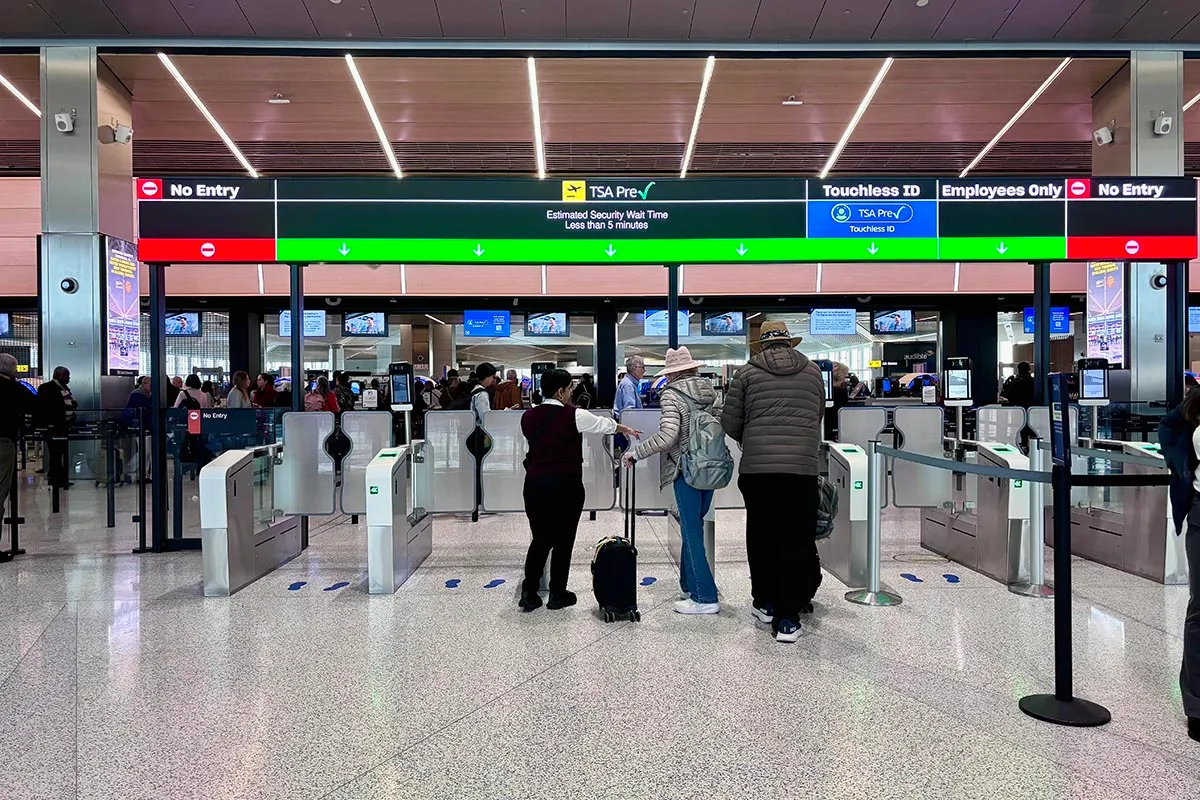
The global aviation industry is navigating an unprecedented period characterized by a stark paradox: jet fuel prices have more than doubled year-on-year, yet passenger demand remains remarkably resilient, defying conventional economic expectations. This creates a highly uneven "crisis," where some sectors and carriers face severe financial headwinds while others, bolstered by strong bookings, maintain a degree of profitability. This complex landscape was recently a central topic of discussion among industry analysts, highlighting the divergent experiences of airlines worldwide.
The Escalating Cost of Jet Fuel: A Global Concern
The immediate and most pressing challenge for airlines globally is the dramatic surge in jet fuel prices. As of late March, benchmark crude oil prices, such as West Texas Intermediate (WTI) and Brent Crude, stood at approximately $91 and $102 per barrel, respectively. While these figures represent a slight retreat from recent peaks, they remain significantly elevated. The true impact on airlines, however, is reflected in the jet fuel price, which, according to the International Air Transport Association (IATA) Jet Fuel Price Monitor, has surged by an astounding 119% year-on-year. This translates to more than a doubling of fuel expenses, a critical operational cost for any airline.
This sharp increase is primarily attributed to a confluence of geopolitical tensions and ongoing supply chain disruptions. The lingering effects of the Russia-Ukraine conflict, which significantly impacted global energy markets in previous years, have been exacerbated by more recent regional instabilities. While diplomatic and political solutions are actively sought, the immediate "straight-of-home" resolution that many hoped for has proven elusive, prolonging market volatility. For airlines, fuel typically constitutes between 25-35% of their total operating costs, making such a drastic price hike a direct threat to their financial viability. Without effective hedging strategies or the ability to pass costs onto consumers, sustained high fuel prices could quickly erode profit margins, even for well-managed carriers.
Unwavering Demand: A Counterintuitive Trend
Despite the dramatic rise in operating costs, passenger demand for air travel has shown surprising resilience across many regions. This phenomenon challenges traditional economic models where higher prices would typically lead to a reduction in demand. Industry observations indicate strong booking trends, with some attributing this to pent-up demand from the pandemic years. Many travelers who postponed vacations and business trips are now eager to resume them, seemingly undeterred by rising ticket prices.
Several factors are believed to be contributing to this sustained demand:
- Pent-up Demand: After years of travel restrictions and uncertainty, a significant segment of the population has accumulated savings and a strong desire to travel, making them less sensitive to moderate fare increases.
- Economic Strength: In many key markets, economies have demonstrated robust performance, supporting discretionary spending on leisure and business travel.
- Fare Increase Anticipation: Some travelers may be booking trips proactively, fearing that airfares will only continue to climb, thus driving immediate demand.
- Diversion of Travel: There is speculation that some international travel demand, particularly from Asia, might be diverting from traditionally popular long-haul destinations in the Middle East or Europe towards regional alternatives within East Asia (e.g., Tokyo, Seoul, Hong Kong). This shift, if significant, could bolster domestic and intra-regional traffic for carriers in those areas.
- Upper-Income Resilience: As noted by some airline executives, a substantial portion of current travelers, particularly in premium cabins, belong to higher income brackets and are less price-sensitive, willing to absorb fare adjustments to maintain their travel plans.
This robust demand, however, presents a delicate balancing act. While it provides airlines with the opportunity to implement fare adjustments to offset fuel costs, there are inherent limits. Industry veterans caution that while demand may appear inelastic in the short term, prolonged and substantial fare increases will eventually soften demand, potentially tipping the industry into a more traditional crisis scenario.
Cebu Pacific: A Deep Dive into an Asian Low-Cost Carrier’s Experience
The situation facing Filipino low-cost carrier Cebu Pacific offers a pertinent real-world illustration of these industry dynamics. As a significant player in the Southeast Asian market, Cebu Pacific operates a predominantly narrow-body fleet, complemented by a handful of ultra-dense A330neo aircraft. These A330neos, configured with an extraordinary 459 all-economy seats, are strategically utilized to maximize revenue from slot-constrained airports like Manila, serving both regional Asian routes and select international destinations such as Australia and Riyadh.
Cebu Pacific’s recent financial reporting provides fresh insights into the "crisis with a twist." While the airline reported an 11% operating margin for the full year 2025 (a period predating the most intense fuel price spikes but still indicative of post-pandemic recovery), the first half of that year performed better than the second. The latter half faced challenges from the grounding of some A320neo aircraft due to Pratt & Whitney Geared Turbofan (GTF) engine issues (specifically powdered metal inspections), alongside adverse weather conditions including typhoons.
Looking ahead to 2026, Cebu Pacific is directly confronting the fuel price surge. The airline’s leadership noted that jet fuel prices increased dramatically from an average of $86 per barrel in February to an estimated run rate of $180 through March, occasionally exceeding $200 per barrel in recent days. Mike Szucs, CEO of Cebu Pacific, underscored the severity of the situation, stating, "Current price levels will effectively double our fuel bill, all else being consistent." He further warned, "These levels are clearly not sustainable for Cebu Pacific. If they persist, but alongside the rest of the airline industry, ultimately the industry will face losses."
In response, Cebu Pacific has begun taking steps to pass on incremental costs through fare adjustments and has been encouraged by continued demand resilience in March and April. However, Szucs acknowledged the historical precedent: "We know from history that there are limits to fare increases before demand softens." The airline, which had ambitious growth plans (targeting 20% growth but achieving only 10% due to operational issues), is now cautiously tweaking its capacity. Further, more significant cuts are anticipated if fuel prices remain elevated for an extended period, indicating a shift from growth to cost mitigation.
Wider Industry Reactions and Operational Challenges
The challenges faced by Cebu Pacific are mirrored, to varying degrees, across the global aviation sector. US airlines, while generally enjoying robust domestic demand, are also grappling with increased fuel costs and operational pressures. Beyond fuel, the industry continues to contend with other significant issues:
- TSA Drama and Airport Operations: US airports have seen ongoing challenges related to Transportation Security Administration (TSA) operations, impacting passenger flow and overall airport efficiency.
- Aircraft Incidents: Incidents such as the Air Canada Express event at LaGuardia serve as a stark reminder of the continuous safety and operational vigilance required in the highly complex aviation environment.
- Supply Chain Bottlenecks: The persistent global supply chain issues extend beyond fuel, affecting the availability of aircraft parts and new deliveries. The Pratt & Whitney GTF engine issues, for instance, have forced numerous airlines to ground aircraft for inspections, impacting capacity and scheduling.
- Airline Strategy Shifts: Airlines are constantly adapting their strategies. Recent announcements like United’s major aircraft order, Finnair’s move towards E2 jets, and leadership changes at carriers like Indigo reflect ongoing efforts to optimize fleets, enhance efficiency, and adjust to market dynamics.
Forthcoming Q4 earnings reports from major Brazilian carriers like Gol and Azul, as well as mainland Chinese airlines, are eagerly awaited. These reports will offer further insights into how different regional markets and business models are absorbing the current economic pressures. Delta Airlines, typically an early reporter, has already scheduled its Q1 earnings call for April 8th, providing an initial glimpse into how a major US carrier is navigating the current environment.
Innovation and the Future of Travel: The Skift Idea Awards
Despite the immediate operational and financial pressures, the aviation industry remains a hotbed of innovation. Initiatives like the Skift Idea Awards highlight companies and leaders driving transformative change across the entire travel ecosystem. Now in its eighth year, the awards recognize impactful ideas in areas such as customer experience, AI deployment, digital transformation, sustainability, and product design.
The "Airlines and Airports" category, alongside those for "Technology" and "Sustainability," specifically targets advancements in carbon innovation, distribution strategies, emerging air mobility (e.g., flying taxis), revenue optimization, workforce planning, and emissions tracking. The awards emphasize impact over scale, encouraging submissions from startups, mid-size players, and global brands alike. This focus on innovation underscores the industry’s long-term commitment to evolving and addressing systemic challenges, even while grappling with immediate crises. These initiatives are crucial for improving the end-user experience and ensuring the industry’s future resilience and competitiveness.
Regional Disparities and the Path Forward
The impact of the current aviation crisis is not uniform. Regions heavily reliant on oil imports from the Middle East, such as parts of Asia and the Far East, can be particularly exposed to supply blockages or shortages. Airlines in these regions, including Cebu Pacific, often face higher direct costs and greater vulnerability to market fluctuations. Conversely, carriers with robust hedging strategies or those operating in markets with less price-sensitive demand may fare comparatively better.
The current situation underscores the interconnectedness of global markets and the profound influence of geopolitical events on economic sectors. The industry is in a "wait and see" mode, with hopes for a de-escalation of conflicts and a normalization of supply chains for energy and other vital commodities. Until then, airlines must continue to adapt, balancing the imperative to manage soaring costs with the opportunity presented by strong, albeit potentially fragile, passenger demand. The next few months, with forthcoming earnings reports and ongoing market developments, will be critical in shaping the trajectory of the global aviation industry through this paradoxical crisis.




 Budi Mulyono
 Anjar Salim
 Chandra Hamzah
 Tatiana Tantri Indah Sari

 Lukman Taruna Persada Ramadan