
 Walid Sujud Trenggono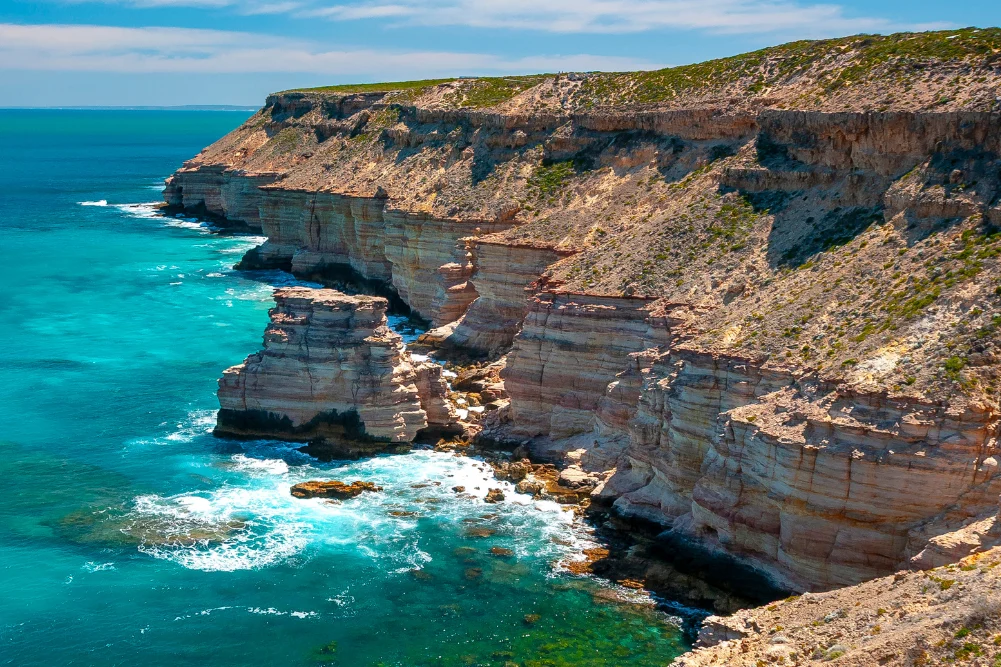
The Indian Ocean Drive, a premier coastal artery stretching north of Perth, has solidified its reputation as one of Australia’s most significant scenic routes, offering a complex tapestry of geological marvels, maritime history, and seasonal botanical displays. Spanning approximately 600 kilometers from the state capital to the rugged gorges of Kalbarri, this corridor serves as a vital link for Western Australia’s tourism sector, attracting thousands of visitors annually who seek a blend of adventure and ecological exploration. As the region transitions from the winter rains into the vibrant spring season, the landscape undergoes a dramatic transformation, characterized by the blooming of over 12,000 species of wildflowers and the movement of diverse marine life along the coastline.
The Gateway to the North: Lancelin and the Adventure Corridor
The journey begins approximately 127 kilometers north of Perth in Lancelin, known traditionally as Wangaree by the Yued Indigenous people. This coastal township serves as a critical hub for the Western Rock Lobster industry, a major contributor to the state’s primary production economy. Beyond its commercial significance, Lancelin is recognized globally as a premier destination for wind-based water sports. The afternoon sea breezes, known locally as the "Fremantle Doctor" in southern regions but equally potent here, create optimal conditions for kiteboarding and windsurfing.
The Lancelin Island Nature Reserve, situated 700 meters offshore, provides a sanctuary for a variety of seabirds and the Australian sea lion, one of the rarest pinniped species in the world. The surrounding waters are a graveyard for maritime vessels, with 14 documented shipwrecks forming part of a sophisticated dive trail that attracts underwater enthusiasts. On land, the Lancelin sand dunes—some of the largest in the state—offer a unique geological playground. These shifting white sands are not only a site for recreational sandboarding and off-road vehicle use but also serve as a study in coastal geomorphology, constantly reshaped by the prevailing Indian Ocean winds.
Geological Marvels: The Pinnacles of Nambung National Park
Continuing north toward Cervantes, the landscape shifts to the Swan Coastal Plain, home to the world-renowned Pinnacles Desert within Nambung National Park. These thousands of limestone spires, some rising up to four meters, are the remnants of ancient sea shells that were broken down into lime-rich sands and later leached by rain to form these unique structures. The geological process, which occurred over hundreds of thousands of years, remains a subject of intense scientific interest and Indigenous cultural significance.
In Yued folklore, these formations are deeply connected to the Wagyl, the rainbow serpent, who is said to have carved the region’s rivers and landforms. Historically, early Dutch explorers who sighted the coast in the 17th century mistook the spires for the ruins of a lost city. Today, the park is managed with a focus on conservation and sustainable tourism. The Pinnacles Desert Loop Drive and various walking trails allow for managed access to the site, ensuring that the fragile desert ecosystem, which supports western grey kangaroos and a variety of bird species, remains protected from the pressures of high-volume tourism.
Marine Biodiversity and Conservation in Jurien Bay
The town of Jurien Bay represents a critical point of marine conservation and eco-tourism. The Jurien Bay Marine Park, established in 2003, protects a massive limestone reef system and extensive seagrass meadows. These meadows are the primary nursery for the Western Rock Lobster (Panulirus cygnus), which is Australia’s most valuable single-species fishery.
A focal point of the region’s wildlife tourism is the interaction with the Australian sea lion. Breeding colonies are established on Buller Island, North Fisherman Island, and Essex Rocks. Due to the vulnerable status of the species, access to these islands is strictly regulated by the Department of Biodiversity, Conservation and Attractions (DBCA). Authorized tours provide the only legal means of observing these animals in their natural habitat, emphasizing a "look but don’t touch" policy to minimize human impact. Furthermore, the region has invested in artificial reef systems near the old Jurien Bay Jetty to enhance local marine biodiversity and provide accessible snorkeling opportunities for visitors.
Maritime Heritage and the Karst Systems of Green Head
Further north lies Green Head, home to Dynamite Bay, a site that blends natural beauty with 17th-century maritime history. The bay earned its contemporary name from 1960s-era treasure hunters who used explosives to search for silver from the Vergulde Draeck (Gilt Dragon), a Dutch East India Company ship that struck a reef in 1656. This shipwreck is part of a series of maritime disasters along the "Shipwreck Coast," which have necessitated the development of sophisticated navigational aids and maritime heritage legislation to protect the sites.
Inland from Green Head, the Stockyard Gully National Park offers a different environmental experience through its subterranean karst systems. The 250-meter-long Stockyard Tunnel was formed by an ancient river system carving through limestone. Today, it serves as a cool refuge for hikers and a habitat for various bat species and nocturnal honey possums. The surrounding gully is a botanical hotspot, featuring zamia palms and rare orchid varieties, such as the Queen of Sheba. Access to this area is strictly 4WD-only, highlighting the rugged nature of the Mid-West’s interior.
Geraldton: A Hub of History and Remembrance
As the Indian Ocean Drive merges with the Brand Highway, the regional city of Geraldton emerges as the primary administrative and economic center for the Mid-West. Geraldton’s identity is inextricably linked to the sea, a fact underscored by the HMAS Sydney II Memorial. This national monument commemorates the loss of 645 sailors during World War II when the cruiser was sunk by the German raider Kormoran in 1941. The memorial serves as a somber reminder of the treacherous nature of these waters and the historical significance of the region in Australia’s defense history.
Geraldton also serves as the gateway to the Chapman Valley, where the agricultural sector intersects with seasonal tourism. During the spring months, the valley becomes a center for wildflower enthusiasts. The region boasts a staggering array of flora, including the unique wreath flower (Lechenaultia macrantha), which grows in circular garlands on the ground. This botanical diversity is a major drawcard for international tourists, contributing significantly to the regional economy during the "wildflower window" from July to October.
The Chemistry of Color: Hutt Lagoon
One of the most visually striking features of the northern journey is Hutt Lagoon, located near the town of Gregory. This 14-kilometer-long salt lake is famous for its vivid pink hue, caused by the presence of the carotenoid-producing algae Dunaliella salina. This organism is a source of beta-carotene, a food coloring agent and a source of Vitamin A.
The lagoon is not merely a tourist attraction but a commercial site for BASF, the world’s largest chemical producer, which operates one of the world’s largest microalgae production plants here. The intensity of the lake’s color fluctuates based on salinity levels, temperature, and light conditions, creating a dynamic landscape that has become a staple of Western Australian tourism marketing.
Kalbarri and the Murchison River Frontier
The expedition concludes in Kalbarri, where the Murchison River meets the Indian Ocean. Kalbarri National Park is the centerpiece of the region, featuring dramatic red sandstone gorges carved over 400 million years. In recent years, the Western Australian government has invested heavily in the region’s infrastructure, most notably with the $20 million Kalbarri Skywalk. These two cantilevered walkways, projecting 25 and 17 meters over the Murchison Gorge, provide a world-class viewing platform that highlights the scale of the ancient landscape.
The town of Kalbarri itself has shown remarkable resilience, recovering from the devastating impact of Cyclone Seroja in 2021. Today, it remains a vital destination for fishing, surfing, and hiking. The Murchison River provides a calm estuary for recreational boating, while the coastal cliffs, such as Eagle Gorge and Natural Bridge, offer vantage points for whale watching during the annual migration of Humpback whales.
Economic and Environmental Implications
The development of the Indian Ocean Drive and its associated tourism infrastructure represents a strategic shift in Western Australia’s economic diversification. By linking these disparate natural and historical sites, the state has created a sustainable tourism circuit that supports regional small businesses, from boutique accommodation providers like Sols Place to iconic local eateries like the Lobster Shack in Cervantes and Finlay’s in Kalbarri.
However, the increasing popularity of the route necessitates a careful balance between tourism growth and environmental stewardship. The DBCA continues to monitor visitor impacts on fragile ecosystems, such as the Pinnacles and the sea lion colonies. Future management plans are expected to focus on climate resilience and the preservation of Indigenous cultural heritage, ensuring that the Indian Ocean Coast remains a pristine and educational destination for future generations. As the "west is best" sentiment continues to grow among domestic and international travelers, the Indian Ocean Drive stands as a testament to the enduring appeal of the Australian wilderness.




 Anjar Salim
 Chandra Hamzah
 Tatiana Tantri Indah Sari
 Budi Mulyono
 Lukman Taruna Persada Ramadan
