Tatiana Tantri Indah Sari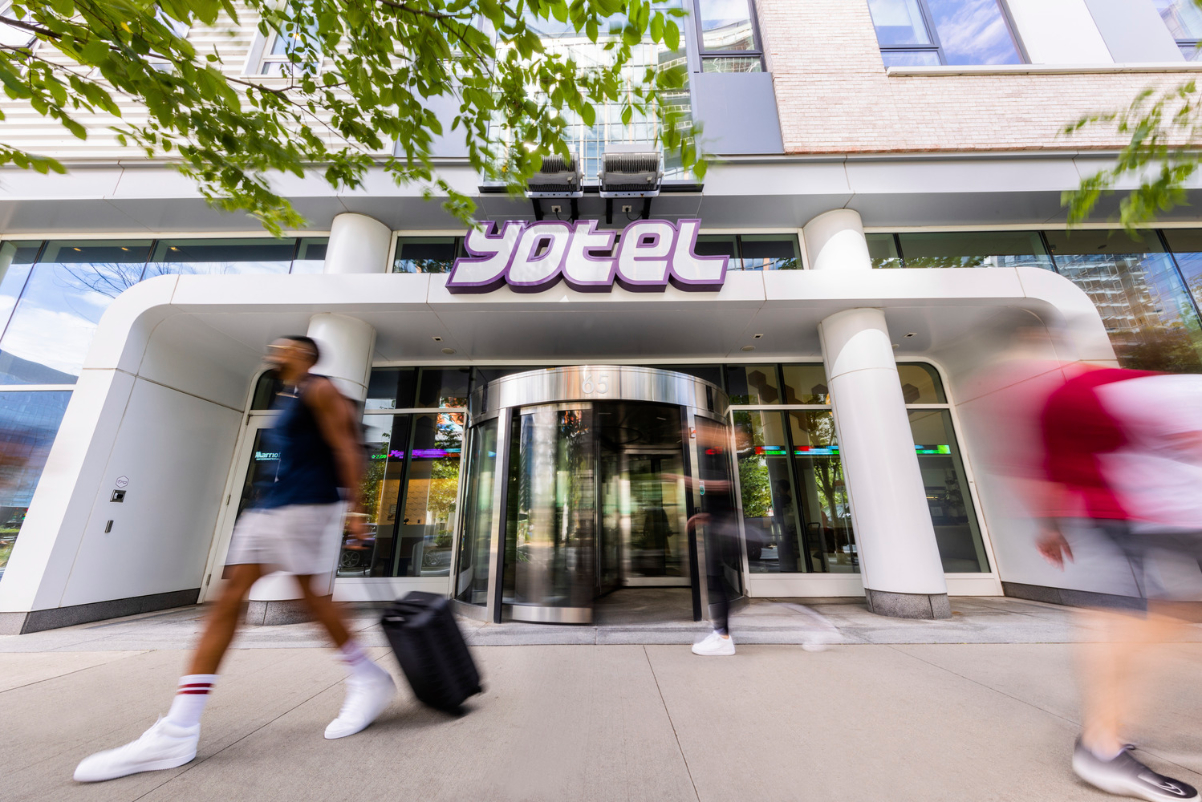
Hilton’s landmark agreement with Yotel, set to integrate approximately 5,700 rooms into its vast system without the traditional route of brand acquisition, represents a pivotal moment for the hospitality giant and underscores a rapidly gaining traction model for expansion across the entire hotel industry. This innovative partnership, which sees Hilton offering Yotel properties under a newly established "Select by Hilton" umbrella, signifies a profound strategic pivot towards an asset-light growth framework that prioritizes strategic alliances over direct ownership, design, or operational control of partner brands. It’s a move designed for agility, efficiency, and rapid market penetration in an increasingly competitive global landscape.
The Genesis of "Select by Hilton": A Strategic Pivot
The "Select by Hilton" platform is not merely an agreement with Yotel; it is a meticulously crafted template for future collaborations, marking a significant evolution in how major hotel groups intend to expand their global footprint. For decades, the hospitality industry’s dominant players, including Hilton, Marriott, and IHG, have steadily shifted away from property ownership towards asset-light models, primarily through franchising and management contracts. This allowed them to leverage their brand equity, distribution systems, and loyalty programs while offloading the substantial capital expenditure and operational risks associated with real estate. However, the "Select by Hilton" model takes this a step further, focusing on brand licensing and loyalty program integration for established, external brands, rather than developing new internal brands or acquiring entire companies.
This strategic evolution is driven by several factors. Firstly, the high cost and complexity of mergers and acquisitions in today’s market, coupled with increasing regulatory scrutiny, make large-scale brand takeovers less appealing. Secondly, the desire for speed to market and the ability to tap into diverse, niche segments without the lengthy development cycles of new internal brands is paramount. By partnering with existing brands like Yotel, Hilton can instantly broaden its appeal to new customer demographics and geographical areas, leveraging the partner’s unique identity and operational model.
Yotel: The Inaugural Partner and Its Unique Appeal
Yotel, with its distinctive micro-hotel concept, tech-forward design, and urban focus, presents an ideal inaugural partner for "Select by Hilton." Founded by Simon Woodroffe, the brand drew inspiration from Japanese capsule hotels and premium airline cabins, creating compact yet highly functional rooms designed for efficient space utilization and modern travelers seeking smart, affordable luxury. Yotel’s portfolio, comprising hotels in key urban centers like New York, Boston, London, and Singapore, appeals to a demographic that values technology, design, and prime locations without the traditional trappings of full-service luxury hotels.
Integrating Yotel’s 5,700 rooms means Hilton immediately gains a significant presence in a segment where it might have had limited direct offerings. For Yotel, the benefits are equally compelling. Access to Hilton’s formidable global distribution channels, unparalleled marketing reach, and the highly coveted Hilton Honors loyalty program (with over 180 million members) offers an unprecedented opportunity for brand visibility, customer acquisition, and operational synergies. This symbiosis allows Yotel to maintain its distinct brand identity and operational ethos while benefiting from the scale and infrastructure of one of the world’s largest hotel companies. Guests will be able to book Yotel stays through Hilton’s channels and earn/redeem Hilton Honors points, seamlessly blending the two experiences.
A Broader Industry Trend: Asset-Light Expansion Takes Center Stage
The shift towards asset-light strategies is not new but has accelerated dramatically in recent years, evolving from pure franchising to complex loyalty licensing and brand partnership agreements. Historically, hotel companies were primarily real estate owners. The late 20th century saw a significant divestment of real estate, with companies transforming into brand managers and franchisors. This model became the industry standard, allowing rapid expansion with minimal capital outlay.
However, the current wave of partnerships, exemplified by "Select by Hilton," represents a refinement of this asset-light approach. Instead of merely franchising their own brands, major hotel groups are now actively seeking to integrate independent or smaller chain brands into their ecosystems through less intrusive, more flexible arrangements. This allows them to diversify their portfolios rapidly, fill market gaps, and cater to an increasingly fragmented consumer demand for unique and authentic experiences, all while maintaining strict capital discipline.
Chronology of Recent Landmark Partnerships
The Hilton-Yotel deal is the latest, and arguably most explicit, manifestation of a broader strategic trend that has been gaining momentum across the hospitality industry:
- 2024 (and preceding years): IHG and Novum Hospitality: In a landmark 30-year franchise partnership announced in early 2024, IHG Hotels & Resorts began converting over 100 hotels from the German-based Novum Hospitality group to IHG brands. This massive conversion instantly added approximately 15,000 rooms, representing a roughly 1.9% increase to IHG’s global portfolio, significantly boosting its presence in key European markets. Like Hilton-Yotel, this was a strategic alliance aimed at rapid expansion without acquisition, focusing on leveraging IHG’s powerful brand portfolio and distribution network for an established regional player.
- 2023: Marriott and MGM Resorts International: Marriott Bonvoy, Marriott’s flagship loyalty program, entered into a strategic loyalty licensing agreement with MGM Resorts International. This groundbreaking partnership allowed Marriott Bonvoy members to earn and redeem points at 17 luxury MGM properties in Las Vegas and other U.S. cities, including iconic resorts like Bellagio, ARIA, and The Cosmopolitan of Las Vegas. This deal, while not a brand conversion, effectively brought a significant portion of the high-end Las Vegas market into Marriott’s loyalty ecosystem, offering members unparalleled access to gaming, entertainment, and luxury experiences.
- 2023: Hyatt and The Venetian Resort Las Vegas: In a conceptually similar move to the Marriott-MGM deal, Hyatt Hotels Corporation forged a loyalty licensing agreement with The Venetian Resort Las Vegas. This partnership integrated The Venetian and The Palazzo into the World of Hyatt program, allowing members to earn and redeem points at these prominent Las Vegas properties. This further solidified the trend of major hotel chains partnering with large independent resorts, particularly in high-demand leisure destinations, to expand their loyalty program utility and market reach.
These examples illustrate a clear pattern: major hotel groups are increasingly leveraging the power of their loyalty programs and global distribution systems as a currency for partnerships, offering independent and regional players access to a vast customer base and sophisticated technology in exchange for portfolio diversification and incremental room growth.
The Power of Loyalty and Distribution Networks
At the heart of these modern asset-light partnerships lies the immense value of global loyalty programs and sophisticated distribution networks. For a brand like Yotel or Novum Hospitality, building a loyalty program with the scale and recognition of Hilton Honors or IHG One Rewards would be prohibitively expensive and time-consuming. These programs represent tens of millions, sometimes hundreds of millions, of active members who exhibit strong brand preference and repeat booking behavior.
By integrating into these ecosystems, partner brands gain immediate access to a pre-qualified, loyal customer base. For the major hotel chains, these partnerships enhance the value proposition of their loyalty programs, offering members more diverse choices in new locations and segments, thereby increasing engagement and retention. Furthermore, the robust booking engines, global sales teams, and advanced revenue management systems of companies like Hilton provide partners with operational efficiencies and market insights that would be difficult to achieve independently.
Driving Forces Behind the Shift: Economic and Market Dynamics
The acceleration of this partnership model is a direct response to prevailing economic and market dynamics:
- Capital Efficiency: In an environment of higher interest rates and increased scrutiny on corporate spending, avoiding capital-intensive acquisitions and property ownership is a significant advantage. Partnerships allow growth without balance sheet strain.
- Market Fragmentation and Niche Demand: Travelers today seek a wider array of experiences, from luxury resorts to budget-friendly micro-hotels, boutique properties, and extended-stay options. Partnerships enable major chains to quickly address these niche demands without having to create entirely new brands from scratch.
- Competitive Pressure: The global hotel market remains intensely competitive. Companies are constantly seeking innovative ways to grow faster than rivals, increase market share, and maintain relevance with evolving consumer preferences.
- Post-Pandemic Realignment: The COVID-19 pandemic highlighted the vulnerabilities of asset-heavy business models and reinforced the resilience of asset-light strategies. It also led to a re-evaluation of growth priorities, emphasizing flexibility and diversified revenue streams.
- Digital Transformation: The increasing sophistication of online travel agencies (OTAs) and direct booking platforms means that a strong digital presence and loyalty program are more critical than ever for customer acquisition and retention. Partners benefit from the established digital infrastructure of global brands.
Executive Perspectives and Industry Reactions
While specific quotes from Hilton and Yotel executives would typically follow a formal press release, logical inferences suggest their perspectives. Hilton executives would likely emphasize the "strategic flexibility" and "unprecedented speed to market" offered by "Select by Hilton," positioning it as an innovative platform to meet "evolving consumer demands" and strengthen Hilton’s "global leadership position." They would highlight the ability to grow in new segments without diluting existing brands or incurring significant capital costs.
Yotel leadership, conversely, would undoubtedly speak to the "transformative potential" of leveraging Hilton’s "global scale and distribution power," expressing excitement about reaching "millions of new customers" through Hilton Honors while "preserving Yotel’s unique brand identity and guest experience."
Industry analysts are likely to view this as a shrewd move. "This is the next logical step in the asset-light journey," remarked one (inferred) hospitality analyst. "It allows the mega-chains to curate a broader portfolio of experiences, effectively becoming a ‘super-aggregator’ of quality brands, rather than just a brand owner. It’s less risky than M&A and faster than organic brand development." Others might point to the potential for "increased loyalty program stickiness" and a "defensive play" against the increasing influence of OTAs and alternative accommodations platforms.
Implications for Hilton’s Portfolio and Market Position
For Hilton, the "Select by Hilton" platform and the Yotel partnership carry several significant implications:
- Diversified Portfolio: It instantly adds a distinctive micro-hotel concept, appealing to a younger, tech-savvy demographic and expanding Hilton’s presence in urban core markets where Yotel excels.
- Enhanced Loyalty Program: Hilton Honors becomes even more attractive, offering members a wider range of options for earning and redeeming points, including unique experiences not previously available within Hilton’s direct brand family.
- Competitive Edge: By pioneering a scalable model for integrating external brands, Hilton positions itself at the forefront of this evolving growth strategy, potentially gaining a first-mover advantage in attracting other desirable partners.
- Capital Efficiency: The model allows for significant growth in room count and market share without the massive capital outlays typically associated with acquisitions or new construction, freeing up resources for other strategic investments.
- Market Share Growth: Adding 5,700 rooms from Yotel, and potentially many more from future "Select by Hilton" partners, contributes directly to Hilton’s overall room count and strengthens its position against competitors like Marriott and IHG.
Future Landscape: What This Means for the Global Hotel Industry
The Hilton-Yotel deal and the "Select by Hilton" platform are indicative of a profound shift in the global hotel industry’s growth playbook.
- M&A Alternative: This model could serve as a viable alternative, or at least a complementary strategy, to traditional mergers and acquisitions. It offers a less financially intensive and potentially faster path to market diversification.
- Rise of the "Brand Curators": Major hotel groups may increasingly evolve into "brand curators" or "platform providers," offering their distribution and loyalty infrastructure to a wider array of independent and boutique brands.
- Increased Competition for Partners: As this model proves successful, competition among the major chains to secure attractive independent brands for partnership will likely intensify.
- Standardization vs. Uniqueness: A key challenge will be balancing the need for consistency and quality control inherent in a major brand’s ecosystem with the desire to preserve the unique identity and operational quirks of partner brands.
- Consumer Experience: For travelers, this trend promises a broader array of choices under the umbrella of their preferred loyalty programs, potentially simplifying booking and enhancing the value of their earned points.
- Focus on Technology and Data: The integration of booking systems, loyalty programs, and guest data will become even more critical, driving further investment in advanced hospitality technology.
Conclusion
Hilton’s "Select by Hilton" initiative, inaugurated by the Yotel partnership, is more than just a new deal; it’s a blueprint for the future of hotel expansion. It signifies a mature evolution of the asset-light strategy, leveraging the power of loyalty, distribution, and strategic flexibility to grow rapidly, efficiently, and adaptively. As the hospitality landscape continues to evolve, characterized by diverse consumer preferences, technological advancements, and economic pressures, this partnership model is poised to redefine how major players compete, collaborate, and ultimately, serve the global traveler. It’s a testament to an industry constantly innovating, finding new ways to connect brands with customers, and expand its reach without the traditional chains of ownership.




 Anjar Salim
 Chandra Hamzah
 Walid Sujud Trenggono
 Budi Mulyono