
 Cholid Fahmi Thalib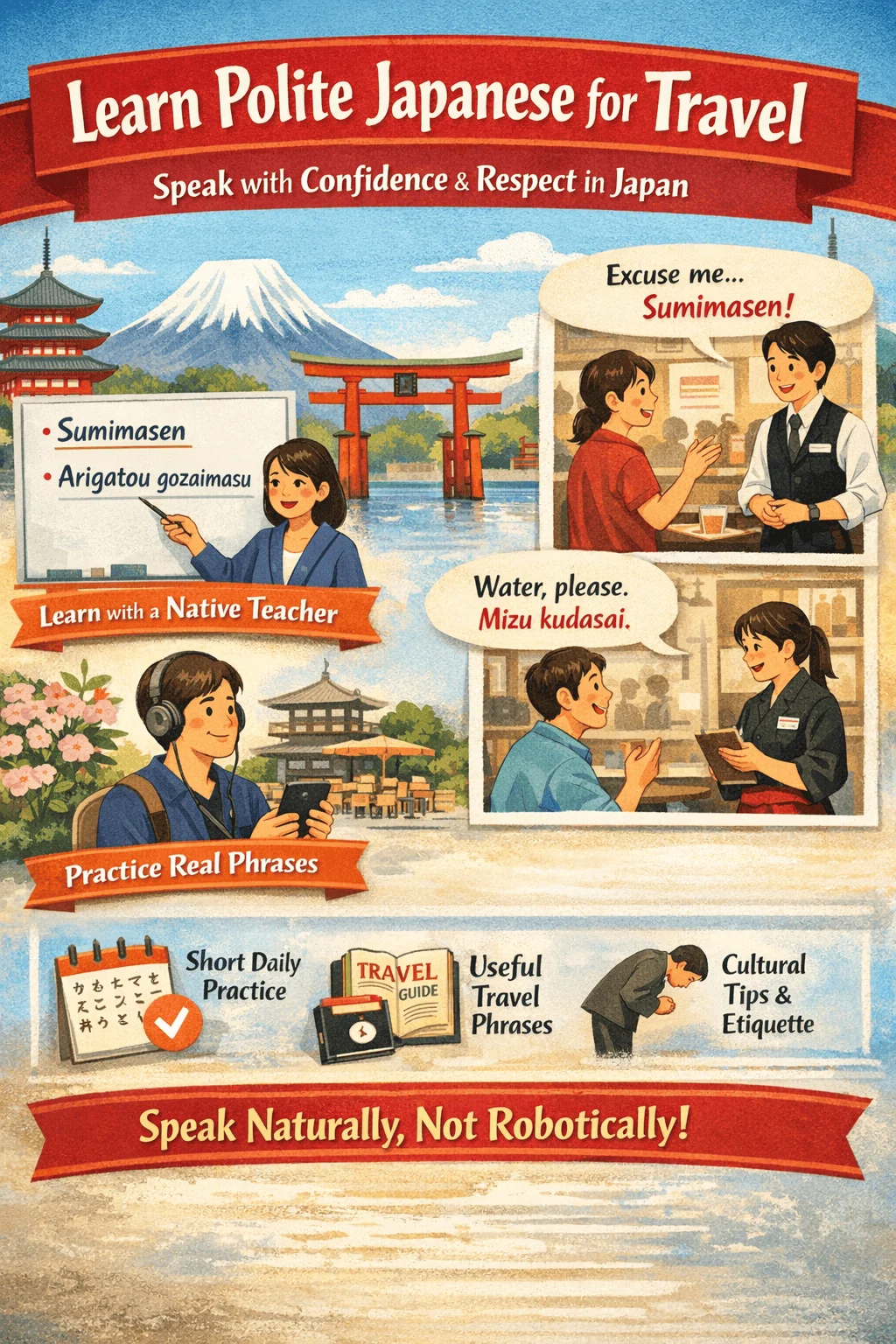
The prospect of exploring Japan, a nation steeped in rich cultural traditions and breathtaking landscapes, often ignites a desire to connect with its people on a deeper level. Central to this aspiration is the ability to communicate with politeness and confidence, particularly in navigating the nuances of the Japanese language. While extensive phrasebooks and rote memorization have long been the traditional approach for travelers, a growing consensus among language educators and seasoned globetrotters suggests a more effective strategy: focusing on real-life conversations and practical, context-driven phrases. This method not only fosters natural communication but also demystifies the intricate workings of Japanese politeness, allowing visitors to engage authentically and respectfully.
The efficacy of this conversational approach is underscored by the fact that language acquisition is most profound when linked to immediate utility and cultural context. Travelers who prioritize understanding the "why" behind certain linguistic choices—why a particular level of politeness is employed in a specific scenario—tend to internalize the language more effectively. While some may opt for independent study through guidebooks or audio courses, a significant segment of travelers find immense value in personalized instruction. Engaging a Japanese teacher, particularly one specializing in travel preparation, offers a structured pathway to clarifying tone, understanding etiquette, and preparing for common scenarios like ordering meals, checking into accommodations, or seeking directions. This tailored guidance ensures that learning efforts are channeled towards practical application rather than the memorization of potentially superfluous phrases. The result is a more confident and less hesitant interaction with locals, fostering positive cultural exchange.
The learning curve for polite Japanese can be significantly flattened by embracing consistent, short-duration practice sessions. Rather than relying on dense textbook study, frequent exposure to polite Japanese in authentic settings—heard through media, online resources, or direct interaction—helps learners absorb the rhythm, intonation, and structural patterns of the language. This immersive experience moves beyond mere memorization, enabling individuals to internalize phrases and respond with genuine fluency rather than rehearsed responses. The cumulative effect of such consistent exposure is a more natural and confident command of essential polite expressions.
Key Takeaways for Effective Language Learning in Japan
- Contextual Learning: Prioritize understanding phrases within real-life scenarios.
- Practical Application: Focus on phrases directly relevant to travel needs.
- Consistent Practice: Short, daily exposure yields better retention than infrequent, intensive study.
- Cultural Nuance: Integrate understanding of etiquette and non-verbal cues with language learning.
- Leverage Resources: Utilize technology and professional guidance for efficient learning.
Mastering Essential Polite Japanese Quickly: A Strategic Approach for Travelers
Developing practical speaking skills in polite Japanese for travel purposes can be achieved by concentrating on a core set of courtesy phrases, fundamental greeting patterns, and concise expressions for unexpected or delicate situations. This focused strategy empowers travelers to navigate daily interactions in Japan with confidence, circumventing the need for exhaustive memorization of extensive vocabulary lists. The emphasis on utility ensures that learners acquire language skills directly applicable to their travel experiences, fostering a sense of accomplishment and encouraging further engagement with the language and culture.
Most-Used Courtesy Phrases and Their Multifaceted Functions
Certain polite Japanese words are foundational to nearly every social interaction. "Sumimasen" (すみません) stands out as an exceptionally versatile term, functioning as both "excuse me" and "sorry." It is indispensable for politely gaining someone’s attention, for instance, when trying to flag down a server in a restaurant, or for offering a gentle apology when inadvertently causing a minor inconvenience, such as bumping into someone. The phrase "kudasai" (ください) translates to "please" and is crucial for making respectful requests. When combined with a noun, such as "mizu kudasai" (水ください) for "water, please," it facilitates clear and courteous ordering.
Other vital expressions that underscore politeness and respect include "arigatou gozaimasu" (ありがとうございます), the formal and widely appreciated "thank you very much," and "onegaishimasu" (お願いします), which conveys a sense of "please" in a more formal or earnest request context, often used when asking for a service or favor. The utility of these phrases lies in their distinct purposes, which aids in their memorization through practical application rather than abstract recall.
Achieving a natural cadence in spoken Japanese involves paying close attention to tone and timing. Polite Japanese is often delivered with a softer vocal quality, frequently accompanied by a slight bow or nod, signifying deference and respect. In commercial settings such as shops and restaurants, the natural and frequent use of simple travel phrases like "sumimasen" or "arigatou" throughout the day reinforces their integration into a traveler’s communication repertoire. These consistent habits not only solidify the learner’s comfort with Japanese linguistic basics but also demonstrate a genuine effort to engage respectfully with the local culture.
Strategic Greetings Tailored for Diverse Situations
Japanese greetings are not merely linguistic conventions; they serve as crucial indicators of respect, awareness of the temporal context, and recognition of the social setting. The standard diurnal greetings include "ohayou gozaimasu" (おはようございます) for the morning, "konnichiwa" (こんにちは) for the midday period, and "konbanwa" (こんばんは) for the evening. Subtle adjustments in the timing of these greetings allow travelers to seamlessly integrate into local customs and demonstrate cultural sensitivity.
While "sayonara" (さようなら) is commonly taught as "goodbye," it often carries a sense of finality and is less frequently used in casual, everyday partings among locals. Instead, more informal farewells like "jaa ne" (じゃあね) or "mata ne" (またね) are prevalent among friends. For polite departures in public or professional environments, or when leaving a host’s home, expressions such as "shitsurei shimasu" (失礼します), meaning "excuse me for leaving," or "dewa mata" (ではまた), a polite "see you later," are more appropriate. Each of these phrases is context-dependent, helping to avoid unintended impressions of being overly formal or excessively casual.
The practice of greeting in Japan is intrinsically linked to the concept of omotenashi (おもてなし), which encapsulates a deep-seated philosophy of thoughtful and selfless hospitality. Returning a greeting with genuine warmth and sincerity not only acknowledges the linguistic exchange but also signifies a profound respect for Japanese culture. A simple smile and a nod can imbue a greeting with a level of warmth that transcends language proficiency, fostering a positive and welcoming atmosphere.
Minimalist Phrases for Emergencies and Apologies: Essential Safety Nets
During travel, the ability to deploy a few concise expressions can be critical in managing unforeseen problems or difficult situations. In moments of urgency, the phrase "tasukete!" (助けて!) translates to "help!" and should be readily accessible. For locating essential services, knowing "byouin wa doko desu ka?" (病院はどこですか?) which means "where is the hospital?" is paramount for health-related emergencies. Having these short, impactful phrases prepared can significantly enhance a traveler’s ability to respond effectively under duress.
In instances where a mistake has been made or inconvenience caused, utilizing "sumimasen" again offers a general apology. For a more pronounced or heartfelt apology, "gomen nasai" (ごめんなさい) is employed. These polite acknowledgments of responsibility convey a sense of accountability without necessitating lengthy or complex explanations, thereby preserving social harmony.
It is advisable for travelers to compile a concise list of such critical emergency expressions prior to their journey, ensuring they are readily accessible through notes or memorization.
- "Tasukete!" (助けて!) – Help!
- "Byouin wa doko desu ka?" (病院はどこですか?) – Where is the hospital?
- "Kyuukyuusha o yonde kudasai." (救急車を呼んでください。) – Please call an ambulance.
- "Kore wa nan desu ka?" (これは何ですか?) – What is this? (Useful for identifying unknown substances or items)
- "Wakarimasen." (わかりません。) – I don’t understand.
These minimalist phrases equip travelers with the capacity to communicate clearly and respectfully during stressful situations, upholding the high standards of courtesy that are so highly valued in Japanese language and culture.
Effective Learning Methods for Travelers: Beyond Memorization
Acquiring proficiency in polite Japanese for travel purposes need not involve protracted study sessions or the daunting task of memorizing extensive vocabulary. A more effective and sustainable approach centers on practical expression, real-world application, and the cultivation of simple, consistent habits. By actively observing natural speech patterns and understanding the underlying cultural context, travelers can significantly enhance their politeness and confidence when interacting in Japan.
Memorization-Free Techniques for Rapid and Lasting Results
Abandoning lengthy vocabulary lists in favor of learning through context proves to be a significantly more efficient method. Engaging with short, authentic conversations—such as those encountered when asking for directions or ordering food—provides immediate practical value. The repeated exposure to these concise, useful phrases accelerates memory retention far more effectively than rote memorization exercises. This contextual learning method naturally illustrates how polite words are integrated into fluid, everyday discourse.
Breaking down the learning process into small, achievable goals can also foster rapid progress. For instance, a traveler might dedicate a week to mastering greetings and farewells, followed by a week focused on ordering food and drinks, and then another week on asking for directions and basic information.
- Week 1: Greetings (Ohayou gozaimasu, Konnichiwa, Konbanwa) and Farewells (Shitsurei shimasu, Dewa mata).
- Week 2: Ordering Essentials (Mizu kudasai, Kore o onegaishimasu) and Payment Phrases (O-kaikei onegaishimasu).
- Week 3: Navigation Basics (Eki wa doko desu ka?, ____ wa arimasu ka?) and Simple Requests (Chotto sumimasen).
Shadow practice, a technique involving the repetition of short audio clips aloud, is particularly effective for refining accent and intonation without the pressure of memorization. Over time, the learner’s ear becomes attuned to discerning polite and casual forms naturally, leading to more authentic pronunciation and rhythm.
Leveraging Japanese Writing Systems for Enhanced Politeness Comprehension
A foundational understanding of the Japanese writing systems can significantly demystify the nuances of polite speech. Beginning with hiragana (ひらがな) is highly recommended, as this syllabary forms the grammatical endings and core components of many polite expressions. Subsequently, learners can progress to katakana (カタカナ), which is predominantly used for loanwords from foreign languages, often encountered on signage and menus. Later, familiarization with common kanji (漢字) such as 日 (day), 食 (eat), or 行 (go) enriches comprehension, particularly in formal contexts.
Each writing script offers clues regarding the tone and formality of the language. For example, kanji frequently appear in formal settings like shops and transportation hubs, often embedded within polite phrases. Recognizing these characters helps identify polite language through visual context, obviating the need for rote memorization of every polite word. Maintaining a small notebook or digital note-taking app to record useful symbols and phrases encountered in real life provides a tangible link between visual memory and practical application.
Harnessing Technology and Cultural Insights for Integrated Learning
Modern language acquisition is greatly augmented by digital tools and technological advancements. Language learning applications offer interactive exercises, and speech recognition features allow for immediate pronunciation correction, providing real-time feedback on spoken Japanese. Translation tools, while useful for checking grammar and tone, should ideally be complemented by practicing phrases aloud to ascertain their natural flow and suitability.
Audio-based learning platforms that offer slow playback speeds are invaluable for improving listening comprehension. These can be effectively paired with short role-playing exercises, simulating common travel scenarios such as requesting assistance at a train station or ordering a cup of tea.
Beyond linguistic tools, an appreciation for Japanese cultural customs is instrumental in polite communication. Subtle gestures such as a slight bow, the appropriate use of honorifics like "-san" (さん), and the demonstration of patience all contribute to an impression of respect that extends beyond mere linguistic competence. The integration of these small cultural courtesies with basic Japanese phrases creates more meaningful and positive interactions, signifying genuine effort and cultural attunement.
In conclusion, mastering polite Japanese for travel is an achievable goal that prioritizes practical application over exhaustive memorization. By concentrating on phrases directly relevant to everyday travel needs—such as greetings, requests, and simple acknowledgments—and by utilizing them in real-world situations, these expressions become ingrained naturally. The act of practicing small sets of words and consistently repeating them throughout a trip, for instance, employing "arigatou" (thank you) or "sumimasen" (excuse me), fosters a respectful demeanor that locals invariably appreciate. This effort, rather than grammatical perfection, builds confidence swiftly.
Observing how native speakers converse, paying close attention to their tone, rhythm, and accompanying gestures, offers invaluable insights into what sounds natural and appropriate. These subtle cues are instrumental in developing an intuitive understanding of polite speech, gradually transforming it into a comfortable routine. Ultimately, the most effective path to linguistic competence and cultural respect in Japan lies in learning through active use, focusing on meaningful phrases, practicing through genuine interaction, and maintaining a patient, persistent approach. With steady dedication, travelers can cultivate both comfort and respect as they embark on their exploration of Japan.



 Anjar Salim
 Dwi Wanna
 Budi Mulyono
 Lukman Taruna Persada Ramadan
 Chandra Hamzah
 Gabriela Annisa