Walid Sujud Trenggono
The modern travel landscape is witnessing a significant shift as weary professionals and families increasingly turn to maritime expeditions in the South Pacific to combat burnout and emotional exhaustion. Industry data indicates that the traditional "fly-and-flop" holiday is being superseded by "slow travel" itineraries, where the journey itself serves as a therapeutic intervention. In the Australian market, Carnival Cruise Line has emerged as a primary facilitator of this trend, leveraging the vast "blue spaces" of the South Pacific to offer passengers a structured environment for mental recalibration. This evolution in tourism reflects a broader global movement toward wellness-centric travel, where the objective is not merely sightseeing, but the restoration of cognitive and emotional equilibrium through controlled disconnection from urban stressors.
The Science of Blue Spaces and Mental Health
The therapeutic appeal of a South Pacific cruise is rooted in what environmental psychologists term "Blue Space" theory. Research consistently demonstrates that proximity to marine environments can significantly lower cortisol levels and improve overall psychological well-being. Unlike the high-intensity stimulation of land-based metropolitan tourism, the maritime environment provides a "soft fascination" that allows the brain’s executive functions to rest.
According to data from the Global Wellness Institute, wellness tourism is projected to grow by 16.6% annually through 2027. This growth is driven by a demographic that prioritizes sensory experiences—such as the sound of waves, the expansive horizon, and the absence of traffic noise—over traditional luxury markers. For passengers navigating the waters between Australia, Vanuatu, and New Caledonia, the forced deceleration of sea travel acts as a natural buffer against the "always-on" culture of the digital age.
A Chronology of the South Pacific Cruise Evolution
The trajectory of cruising in the South Pacific has transitioned through several distinct phases, culminating in the current focus on restorative travel.
- The Pioneer Era (Pre-1990s): Cruising was largely viewed as an elite pursuit, with limited ports of call and a focus on formal social hierarchies. The South Pacific was seen as a remote, exotic frontier.
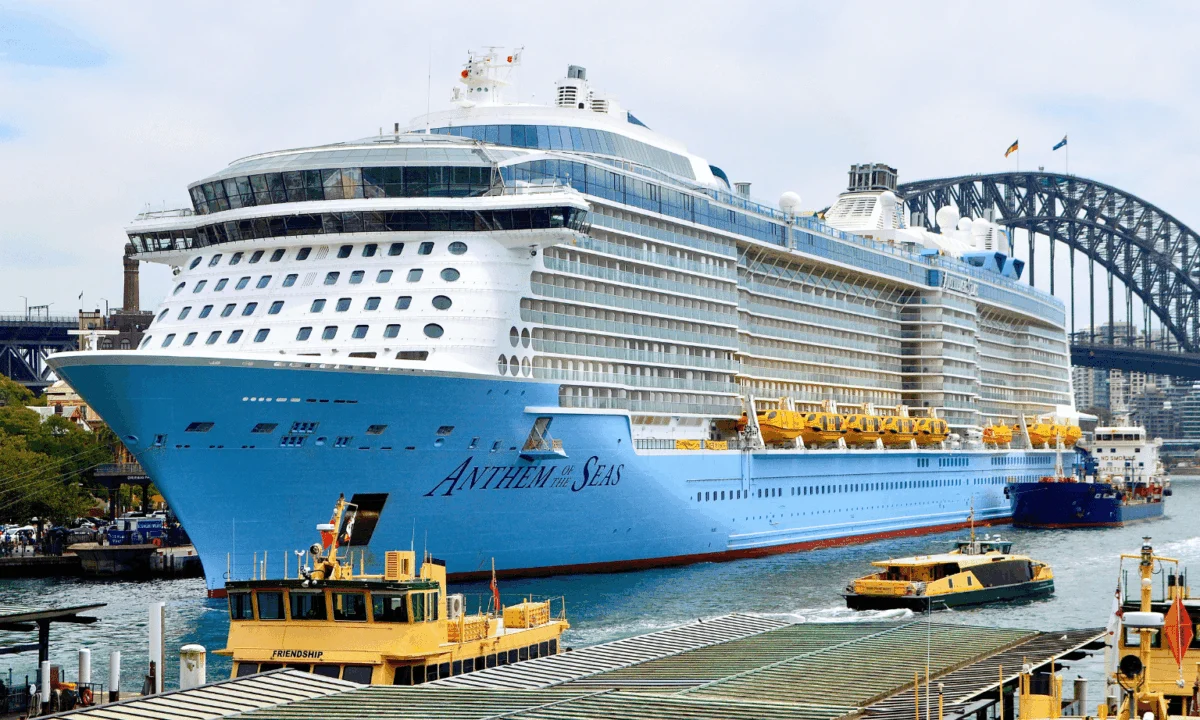
- The Expansion Phase (2000–2015): The introduction of larger vessels and more frequent departures from hubs like Sydney and Brisbane democratized the experience. The focus shifted to onboard entertainment and "mega-ship" amenities.
- The Sustainability and Wellness Pivot (2016–Present): Following the global hiatus in maritime travel between 2020 and 2022, the industry underwent a strategic realignment. Modern itineraries now emphasize cultural authenticity, environmental stewardship, and health-conscious programming.
In the current market, Carnival Australia has streamlined the logistics of these journeys to eliminate the "planning fatigue" that often accompanies international travel. By centralizing dining, transportation, and accommodation, the cruise model allows passengers to enter a state of "passive decision-making," which experts suggest is crucial for deep mental recovery.

Economic Impact and Regional Development
The resurgence of South Pacific cruising is not merely a domestic Australian phenomenon; it is a vital economic engine for island nations. The Cruise Lines International Association (CLIA) reports that the cruise industry contributes billions of dollars to the Australian and Pacific economies annually.
For nations like Vanuatu and Fiji, cruise arrivals represent a significant percentage of their Gross Domestic Product (GDP). The "shore excursion" model, which includes guided tours of local villages and coral reef explorations, ensures that tourism dollars are distributed directly into local communities. These excursions are increasingly designed with a "purpose-driven" focus, allowing travelers to engage in sustainable practices, such as visiting marine sanctuaries or participating in traditional cooking classes that preserve indigenous culinary heritage. This symbiotic relationship ensures that while passengers find personal peace, local economies gain the stability required for infrastructure and environmental conservation.
The Onboard Balance: Integrating Movement and Stillness
A critical component of the restorative cruise experience is the deliberate balance between physical activity and quietude. Modern vessels are engineered with distinct zones to cater to different psychological needs.
The Architecture of Calm
Onboard Carnival vessels, areas such as the "Serenity Adult-Only Retreat" are designed specifically for sensory reduction. These spaces provide a contrast to the high-energy zones of the ship, offering a controlled environment where passengers can practice mindfulness or engage in reflective reading. The inclusion of full-service spas and thermal suites further supports the physical aspect of stress reduction, utilizing hydrotherapy and massage to alleviate the somatic symptoms of chronic stress.
Movement as Therapy
Conversely, the "active" components of the cruise—ranging from deck-side yoga to fitness centers—address the need for endorphin release. Behavioral health experts note that for many individuals, complete stillness can initially be uncomfortable. By providing structured activities like swimming, outdoor games, or casual dance classes, the cruise environment allows for a gradual transition from a state of high-stress productivity to one of relaxed presence.
Shore Excursions and the Value of Authentic Connection
The transition from the ship to the shore represents a pivotal moment in the South Pacific itinerary. These excursions are no longer viewed as simple tourist stops but as opportunities for genuine cross-cultural connection.

- Marine Conservation: Snorkeling tours in New Caledonia or Vanuatu provide education on the fragility of coral ecosystems, fostering a sense of environmental stewardship in passengers.
- Cultural Immersion: Walking tours through local villages allow for an exchange of stories and traditions, which sociologists argue can improve empathy and provide a broader perspective on life, further aiding the "reset" process.
- Artisanal Engagement: Interaction with local craftspeople and participation in traditional ceremonies offer a "grounding" experience that is often missing from digital-centric lifestyles.
Industry Perspectives: The Shift Toward Intentional Travel
Industry analysts observe that the "value proposition" of a cruise has changed. While price and destination remain important, "time-wealth" has become the new currency. Statements from cruise line executives suggest that the goal is now to provide a seamless transition from the chaotic routine of daily life to a state of flow.
"The modern traveler is looking for more than just a change of scenery; they are looking for a change of state," notes an industry analyst specializing in maritime tourism. "By removing the logistical friction of international travel—the flights, the transfers, the constant scheduling—lines like Carnival allow the passenger to reclaim their mental bandwidth. The South Pacific, with its natural beauty and slower pace of life, is the ideal canvas for this kind of intentional travel."
Future Implications: Sustainability and Mental Wellness Trends
As the cruise industry looks toward 2030, the integration of mental health and environmental sustainability is expected to deepen. We are likely to see:
- Enhanced Digital Detox Programs: Ships may offer specific "unplugged" zones or incentives for passengers who choose to limit their device usage.
- Bio-Centric Design: Future ship builds will likely incorporate more natural elements, such as living walls and advanced lighting systems that mimic circadian rhythms, to enhance the wellness experience.
- Carbon-Neutral Itineraries: As the South Pacific is particularly vulnerable to climate change, there is a mounting industry-wide push toward LNG-powered vessels and advanced waste management systems to ensure that the beauty of the islands remains preserved for future generations.
Conclusion: Returning to a State of Clarity
The primary objective of a South Pacific cruise is to facilitate a return to the self. By providing a structured yet flexible environment, these journeys allow individuals to shed the layers of stress accumulated in professional and personal spheres. The combination of the ocean’s biological benefits, the ease of pre-planned logistics, and the enriching experience of island culture creates a comprehensive wellness ecosystem.
As the Australian public continues to navigate a complex and often exhausting global landscape, the role of the South Pacific cruise as a sanctuary for mental health is likely to expand. For those feeling disconnected, the solution may not lie in doing more, but in choosing a path that allows them to do less, surrounded by the restorative power of the sea. The final result of such a journey is a traveler who returns home not just with photographs, but with a renewed sense of clarity and a stabilized perspective on the world.


 Chandra Hamzah
 Gabriela Annisa
 Tatiana Tantri Indah Sari
 Budi Mulyono
 Anjar Salim