Lukman Taruna Persada Ramadan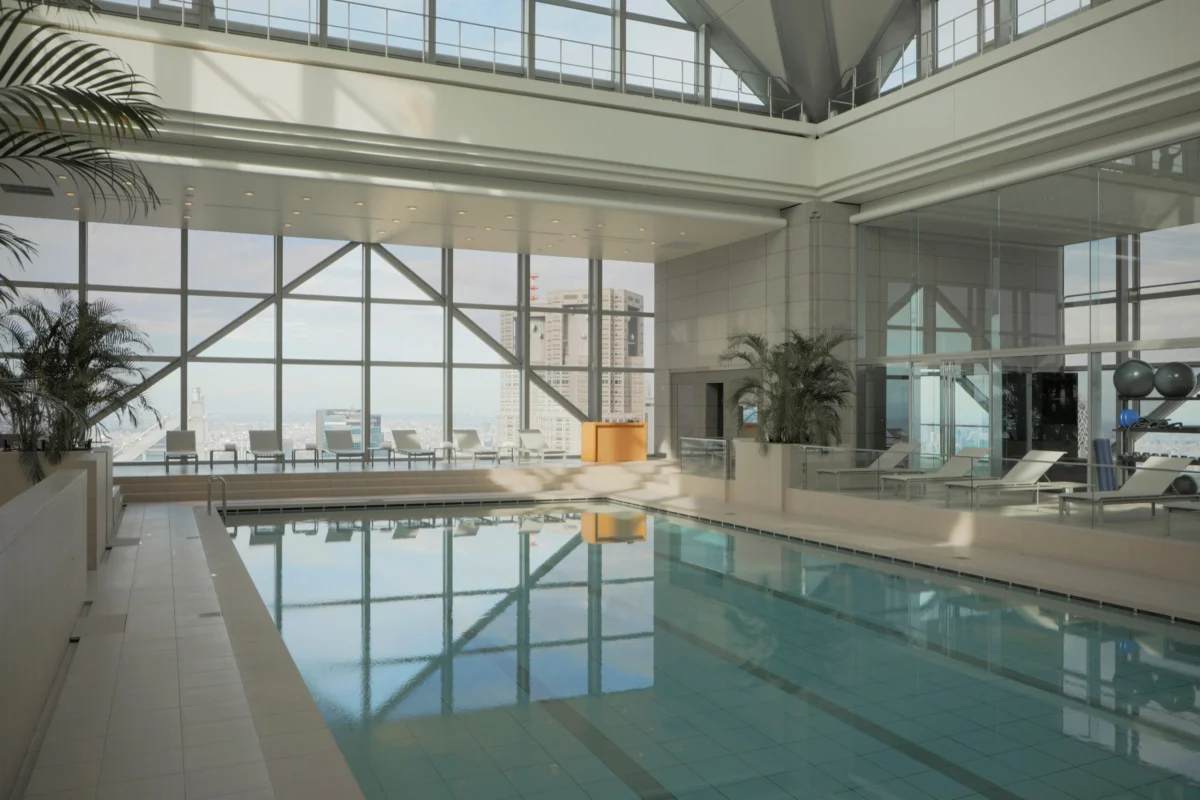
Following an extensive 19-month restoration, marking the most comprehensive renewal in its 32-year history, the iconic Park Hyatt Tokyo has officially reopened its doors, inviting guests once again to experience its unparalleled luxury and panoramic views of the city and Mount Fuji. This significant undertaking has reimagined the landmark property, balancing a deep respect for its established legacy with a forward-looking vision for contemporary elegance.
The ambitious project, spearheaded by the Park Hyatt Tokyo’s dedicated team in collaboration with the Paris-based design studio Jouin Manku, approached the hotel’s restoration with a delicate blend of sensitivity and boldness. The challenge lay in redesigning a property whose cinematic presence, profound cultural significance, and distinguished architectural pedigree have firmly established it as one of the world’s most recognized hotels. Its reopening is not merely a renovation but a considered evolution, poised to redefine luxury hospitality in Japan’s vibrant capital for a new generation of discerning travelers.
A Legacy Reimagined: The Park Hyatt Tokyo’s Enduring Allure
Since its inception 32 years ago, the Park Hyatt Tokyo has been a trailblazer in Japan’s luxury hospitality landscape. When it first opened its doors in 1994, it introduced a never-before-seen standard of sophisticated luxury to the country. Nestled within the upper floors of the distinctive Shinjuku Park Tower—a masterpiece by architect Kenzo Tange, recognizable by its three pyramid peaks—the hotel quickly became a beacon of modern design and unparalleled service. Its soaring glass atriums, intimate residential interiors originally conceived by John Morford, and breathtaking panoramic vistas of Tokyo’s sprawling cityscape and the majestic Mount Fuji instantly set it apart.
Beyond its architectural and design prowess, the hotel gained global notoriety through its prominent role in Sofia Coppola’s acclaimed 2003 film, Lost in Translation. Starring Bill Murray and Scarlett Johansson, the movie immortalized the Park Hyatt Tokyo, showcasing its serene, reflective atmosphere and stunning night views to an international audience. The film cemented its status as a cultural icon, drawing travelers from around the world eager to experience the same sense of quiet introspection and connection with Tokyo that the characters found. This cinematic legacy has been a powerful draw, making the hotel a pilgrimage site for film enthusiasts and luxury travelers alike.
The decision to undertake such a comprehensive restoration after three decades reflects a commitment to preserving this rich heritage while simultaneously adapting to the evolving demands and expectations of contemporary luxury travel. The 19-month closure, a substantial period in the competitive Tokyo market, underscores the depth and thoroughness of the revitalization effort, ensuring that every detail was meticulously considered and executed.

The Visionary Restoration: Blending Heritage with Innovation
The core philosophy guiding the restoration was to preserve and enhance the very essence that has always defined a stay at Park Hyatt Tokyo. This includes the unfolding of calm, meticulously crafted spaces, the captivating interplay of natural light and shadow, and the quiet, almost theatrical reveal of the skyline from unexpected vantage points throughout the property. The design team, led by Jouin Manku, focused on introducing softer forms, warmer materials, and refined details, alongside expanded sightlines that celebrate the city’s luminous panorama. The aim was to unlock a renewed sense of ease and sophisticated comfort for guests.
Fredrik Harfors, General Manager of Park Hyatt Tokyo, expressed the sentiment behind the reopening: “We have long looked forward to this moment, and now that it has arrived, we cannot help but to feel both humbled and incredibly proud. For more than three decades, Park Hyatt Tokyo has held a special place in the hearts of guests who have created and shared meaningful moments within these walls. This restoration honors that cherished legacy while preparing us for a vibrant future.”
Jouin Manku, known for their ability to weave narrative and emotion into their designs, faced the unique challenge of updating an icon without erasing its soul. Their approach involved a meticulous study of the original design intent, understanding the nuances of Morford’s residential aesthetic, and reinterpreting them through a contemporary lens. This meant selecting materials that evoke a sense of timelessness, integrating modern technology subtly, and optimizing spatial flow to enhance the guest journey while maintaining the hotel’s distinctive sense of calm and privacy amidst the bustling city.
Elevated Accommodations: A Sanctuary Above the City
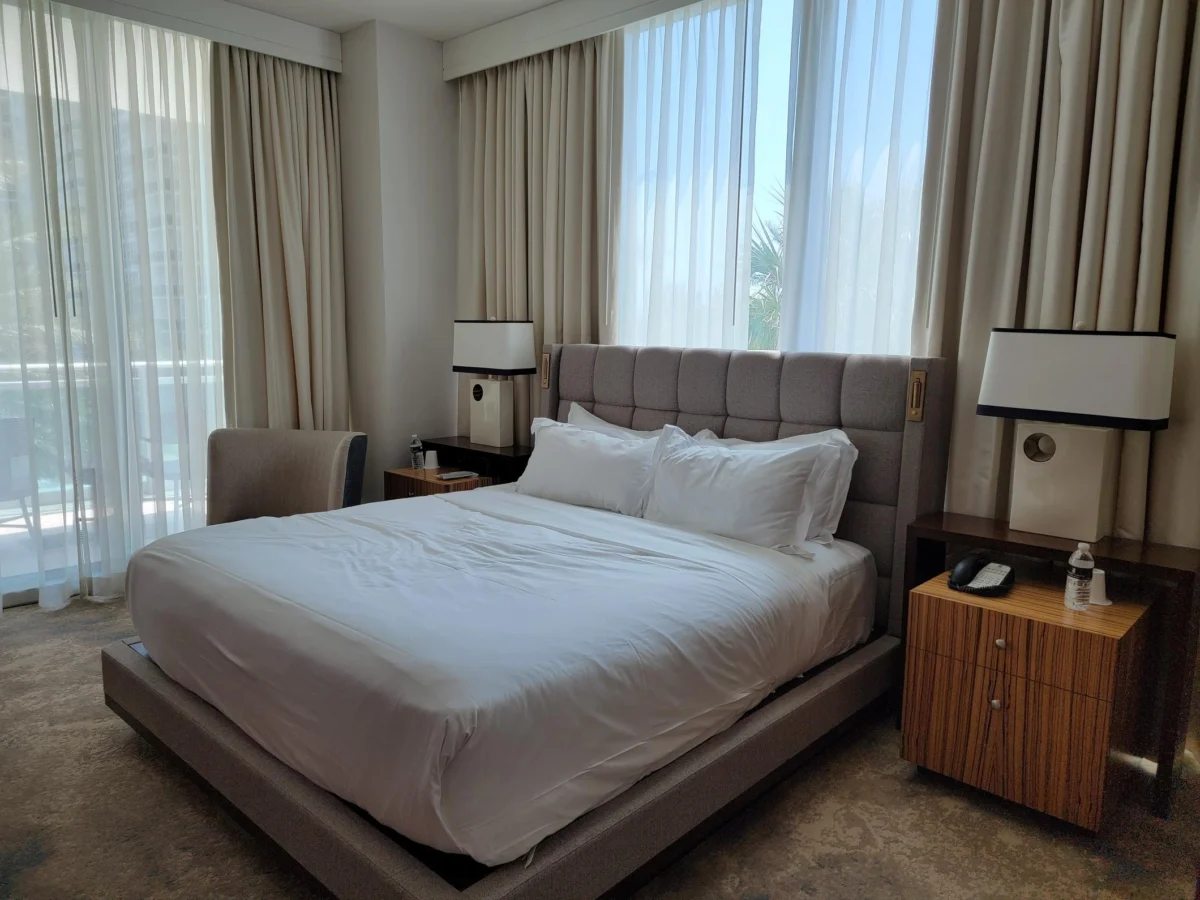
The hotel’s 171 redesigned guestrooms and suites now embrace fluid layouts, tactile materials, and seamlessly integrated wet-room bathrooms, offering a heightened sense of comfort and sophistication. Originally designed to embody modern Japan’s dynamic spirit and timeless traditions, the refreshed guestrooms continue to spotlight contemporary Japanese art. Suites feature the contemplative, dreamlike works of Yoshitaka Echizenya, while newly commissioned lithographs enhance the standard rooms, ensuring that art remains an integral part of the guest experience.
Signature elements that have long contributed to the hotel’s unique narrative of art, light, and texture have been carefully preserved and enhanced. The distinctive magnolia leaf decoration and Isamu Noguchi’s iconic washi lamps remain integral, providing a subtle nod to Japanese craftsmanship and design heritage. Custom furnishings maintain the sophisticated black-anthracite palette, now accented by softer green carpeting, creating a contemporary feel that is both chic and inviting.

Among the highlights of the transformed accommodations are the new Park Suite, offering an elevated residential experience, and new deluxe rooms that boast unparalleled views of the vibrant city or the serene Mount Fuji. The magnificent Tokyo Suite, a pinnacle of luxury, has been meticulously restored to its original design, including its in-room grand piano and a luxurious steam sauna, reaffirming its status as one of the city’s most exclusive retreats.
Culinary Horizons: A Symphony of Flavors
The restoration extends to Park Hyatt Tokyo’s renowned dining establishments, introducing new concepts and revitalizing beloved classics, promising an extraordinary culinary journey for guests.
Girandole by Alain Ducasse makes its debut as part of the hotel’s transformation, introducing a fresh expression of Parisian dining to Tokyo. This new restaurant masterfully blends classic French culinary tradition with the precision and finesse of Japanese ingredients. Celebrated chef Alain Ducasse articulated his vision for Girandole: “Our ambition is to build bridges – a bridge between yesterday and today, a bridge between France and Japan. Girandole by Alain Ducasse draws its inspiration from the tradition of the French brasserie and gives it a very contemporary interpretation, selecting the finest produce from Japan to create a typically French cuisine. I love this encounter of cultures, and I am sure it will offer a delicious and unforgettable experience for all food lovers.” Signature highlights from the menu include an exquisite upside-down cheese soufflé, a perfectly cooked Wagyu beef tenderloin with Anna potatoes and a reduced Bordelaise sauce, a sealed cocotte of lobster with truffle macaroni, and the decadent Tokyo Alain Ducasse chocolate soufflé served with coffee ice cream.
The Peak Lounge & Bar has been re-envisioned to balance energy and calm, offering a sophisticated setting for drinks and light bites. The space is anchored by a striking single block of Chelsea Grey marble bar, complemented by eight elegant glass and metal lanterns that cast a warm, inviting glow.
Perched on the 52nd floor, the iconic New York Grill & Bar continues to define Tokyo’s dynamic dining scene. Restored to its original black-and-chrome grandeur, the restaurant retains its bold energy and sweeping skyline views, which are now further accented by the vibrant Valerio Adami murals and Minoru Nomata’s compelling Metropolis series. It remains a destination for premium steaks, fresh seafood, and an extensive wine list, all enjoyed against the backdrop of an unforgettable urban panorama.
For those seeking an authentic taste of Japan, Kozue remains a pinnacle of modern Japanese cuisine. Set high above the city, it continues to present dishes inspired by traditional kaiseki through the artistry of Chef de Cuisine Nobuhiro Yoshida. Signature offerings include thinly sliced blowfish sashimi, a celebrated hallmark of winter dining, as well as the refined rosy seabass, lightly seasoned and paired with subtly sweet pumpkin. To complement the savory selections, the fragrant steamed rice with deep-fried Sakura shrimp and the gently sweet Daishiro persimmon ice cream round out a collection highlighting craftsmanship, balance, and the finest seasonal ingredients, reflecting Japan’s culinary traditions.

Club On The Park: A Sanctuary of Wellness and Rejuvenation
Spanning the 45th and 47th floors, Club On The Park offers an expansive 22,600 square feet of state-of-the-art fitness and wellness facilities, providing a tranquil escape high above the bustling city. The highlight is undoubtedly the magnificent 65-by-26-foot swimming pool, set beneath a soaring 47-foot glass atrium, offering unparalleled panoramic skyline views that transform with the changing light of day and night.
The fitness center is equipped with cutting-edge Technogym Artis equipment, catering to all levels of fitness, and offers a comprehensive schedule of daily fitness classes designed to invigorate and inspire. The spa facilities provide a luxurious retreat, featuring serene marble whirlpools, invigorating saunas, refreshing cold plunges, and seven private treatment rooms, including an exclusive couples’ suite. Signature experiences at the spa reflect the natural rhythm of Tokyo, evolving throughout the year to offer sensory renewal and results-driven rejuvenation, utilizing bespoke treatments and premium products to ensure a holistic wellness journey.
Broader Impact and Implications
The reopening of Park Hyatt Tokyo after such a significant restoration sends a strong signal to the global luxury hospitality market. It reaffirms Tokyo’s position as a premier destination for discerning travelers and intensifies the competition among high-end hotels in the city. By investing heavily in this renewal, Park Hyatt Tokyo is not just updating its facilities; it is setting new benchmarks for design, service, and guest experience, ensuring its continued relevance and appeal in an ever-evolving landscape.
The hotel’s enduring cultural resonance, particularly its "Lost in Translation" fame, means its reopening will undoubtedly attract a fresh wave of international tourists, eager to experience its refreshed grandeur. This influx of visitors contributes to the local economy, supporting tourism, retail, and F&B sectors. Furthermore, the commitment to utilizing local produce in its dining establishments, as championed by Alain Ducasse, fosters connections with Japanese suppliers and showcases the country’s rich culinary resources.
The meticulously planned restoration, balancing preservation with innovation, serves as a case study in how iconic properties can evolve while maintaining their unique identity. It demonstrates a forward-thinking approach to luxury, one that respects heritage while embracing contemporary demands for sustainability, technology, and personalized experiences. As guests once again turn their eyes to Shinjuku’s distinctive skyline, the Park Hyatt Tokyo stands ready to write its next chapter, promising a future as luminous and inspiring as its past.

 Budi Mulyono
 Chandra Hamzah
 Gabriela Annisa
 Tatiana Tantri Indah Sari