
 Hendra Ismail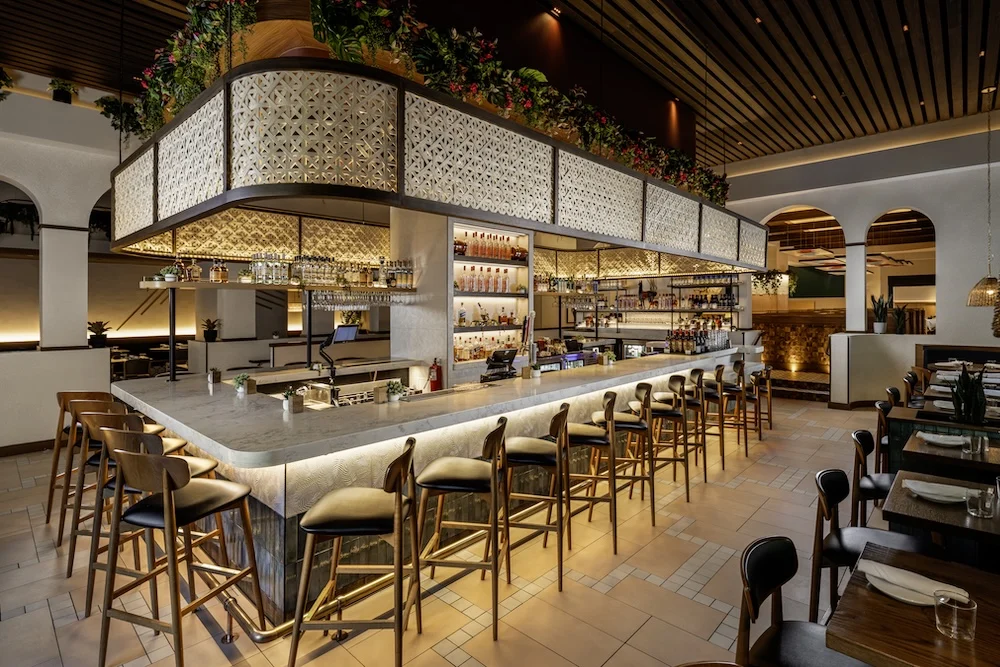
Architecture and design firm //3877 has successfully translated the vibrant spirit of Pisco y Nazca into a tangible, immersive experience with the recent unveiling of its latest restaurant interior in Bethesda, Maryland. This marks a significant collaboration between the design firm and the popular Peruvian gastrobar, building upon their prior success with the brand’s Reston, Virginia outpost. The Bethesda project underscores //3877’s nuanced understanding of Pisco y Nazca’s identity, crafting a casual yet sophisticated atmosphere designed to welcome and delight patrons.
The design philosophy for Pisco y Nazca Bethesda centers on achieving a delicate balance: creating a relaxed and approachable environment that simultaneously exudes an elevated sense of style and refinement. This approach is evident from the moment guests encounter the restaurant’s exterior, which makes a bold statement on the streetscape. Brightly colored signage and awnings, layered over a neutral base palette, create an inviting and energetic first impression. This visual dynamism is a deliberate choice, aiming to signal the lively culinary and social experience that awaits within.
A Dynamic and Welcoming Arrival
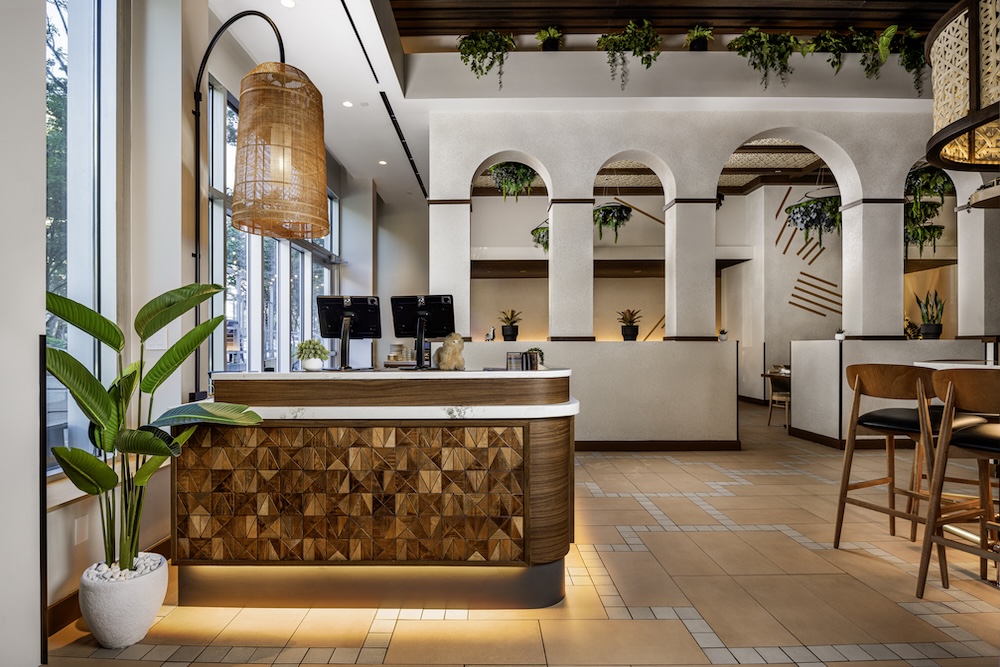
Upon entering the vestibule, guests are immediately immersed in the Pisco y Nazca brand. A custom floor mat bearing the restaurant’s insignia serves as a grounding element, setting the tone for the thoughtful design that follows. The space is further enlivened by striking patterned tile and carefully selected textured lighting, which contribute to a sensory richness that prepares visitors for the main dining areas. Expansive windows act as transparent portals, offering tantalizing glimpses into the restaurant’s interior. These visual cues strategically direct the eye towards the pulsating heart of the establishment: the lively bar and a welcoming host stand, signaling immediate engagement and hospitality.
The vestibule’s design is more than just an entryway; it’s a carefully orchestrated transition. The custom floor mat, beyond branding, offers a tactile cue of quality and attention to detail. The patterned tile introduces a subtle nod to Peruvian artistry and geometric motifs, a recurring theme throughout the design. Textured lighting, often overlooked, plays a crucial role in setting the mood, creating an ambiance that is both intimate and energizing. The generous use of windows not only maximizes natural light but also fosters a sense of openness and connection between the interior and the surrounding urban environment, inviting passersby to explore.
Textural Interplay and the Energetic Bar
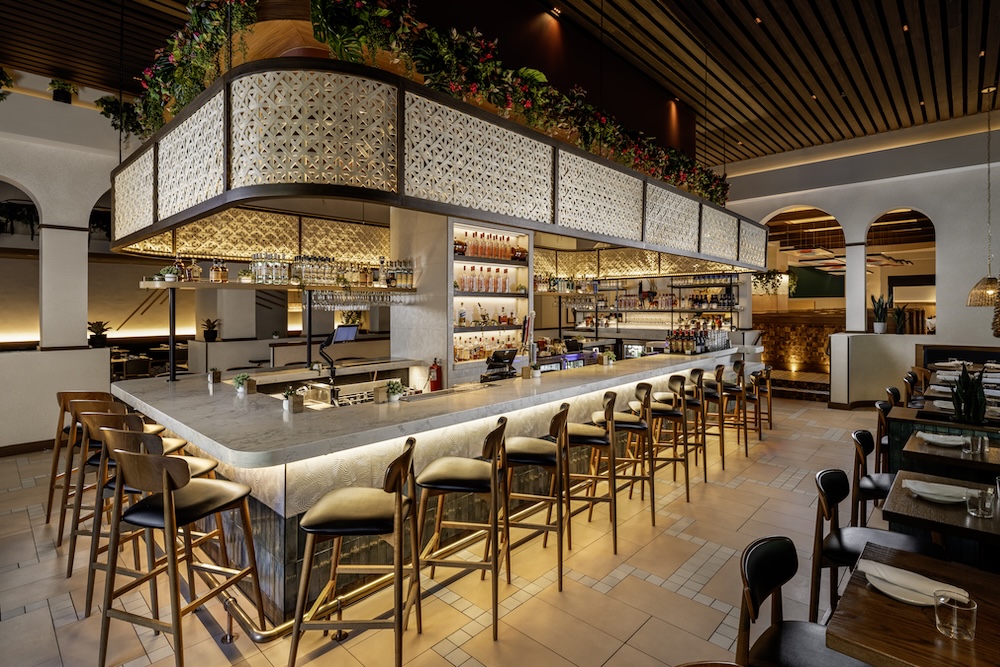
As guests venture deeper into the gastrobar, the architectural elements begin to define distinct zones. An arched colonnade gracefully frames the energetic bar, acting as a sophisticated visual anchor. This architectural feature not only provides structural definition but also creates a sense of enclosure and focus around the bar area. The backdrop behind the bar is intentionally rendered in soft, neutral hues, providing a calming counterpoint to the vibrant momentum of the service operations. This contrast allows the bustling activity of the bartenders and the clinking of glasses to take center stage without overwhelming the overall aesthetic.
A prominent design element at the bar is the large woven canopy, which hangs suspended and is illuminated from within. This feature casts a warm, inviting glow and creates a captivating visual spectacle. The light shimmering through the woven material adds a layer of organic texture and visual interest, softening the more polished elements of the space. This is artfully juxtaposed against a shiny gold ceiling within the soffit, introducing a touch of opulence and glamour that elevates the bar experience. The interplay of natural textures like woven fibers with the reflective sheen of gold creates a dynamic and memorable visual dialogue.
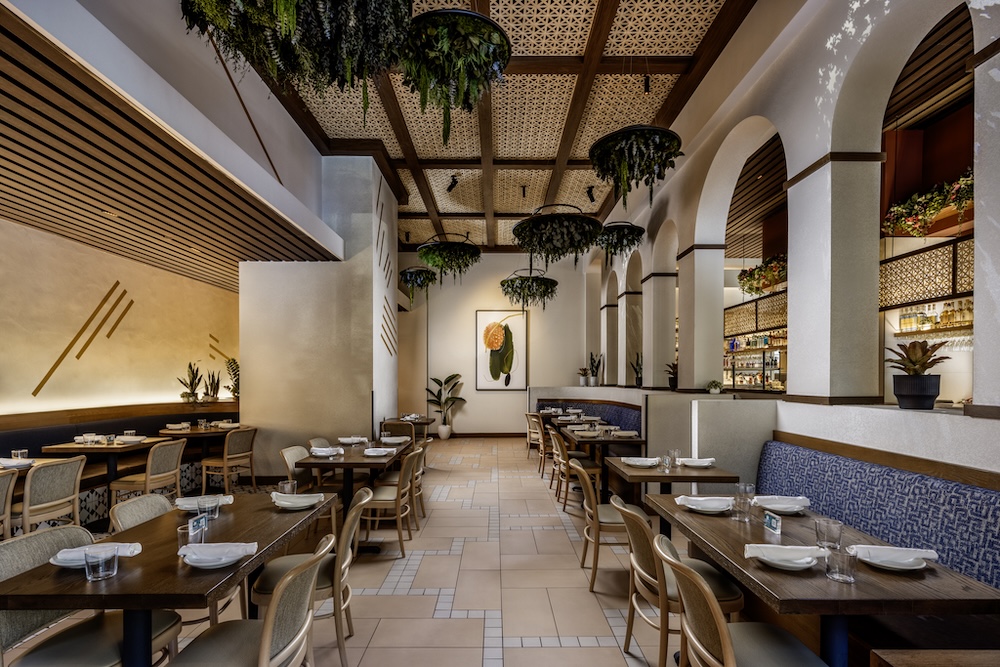
Adjacent to the bar, counter-height seating offers a more casual and interactive dining option. Patrons seated here can engage with the bar’s lively atmosphere while enjoying their meals. Moving into the main dining room, located to the left of the bar, a striking abstract Nazca Line mural commands attention. This expansive artwork, depicting a hummingbird, is the creation of artist Mike Theodoran from Caswell Sign Co. The Nazca Lines, ancient geoglyphs found in the Peruvian desert, are reimagined here as a contemporary artistic expression, infusing the space with cultural significance and a sense of mystery. The hummingbird, a symbol often associated with agility and vibrancy, further enhances the energetic yet sophisticated feel of the restaurant.
The use of an arched colonnade is a design choice that subtly references classical architecture, adding a sense of gravitas and permanence to the more fluid elements of the design. The contrast between the neutral bar backdrop and the vibrant service area is a strategic move to manage visual flow and highlight key areas of activity. The woven canopy is not merely decorative; it serves a functional purpose by helping to absorb sound, contributing to a more comfortable dining environment, while its visual appeal enhances the overall ambiance. The choice of gold for the soffit ceiling is a bold statement, offering a luxurious counterpoint to the more earthy tones and textures found elsewhere.
Artful Dining and Elevated Experiences
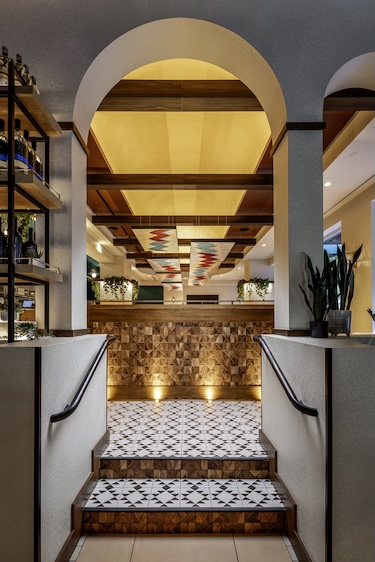
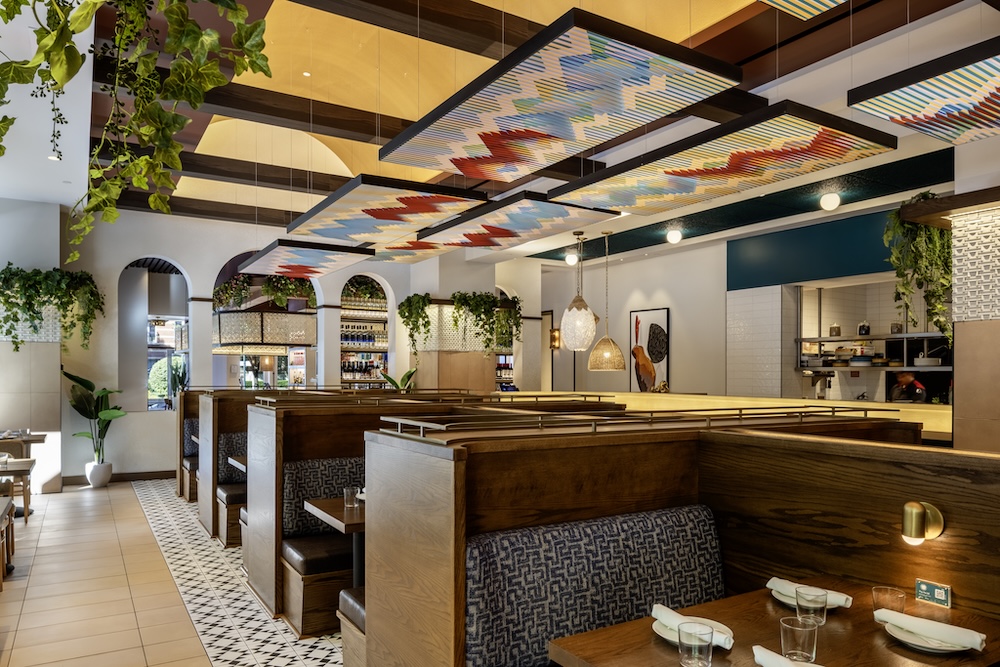
Ascending a small set of stairs past the bar leads to the upper dining area, which unfolds beneath an illuminated vaulted gold ceiling. This dramatic overhead feature is a statement piece, bathing the space in a warm, ambient light. The vaulted design adds a sense of grandeur and spaciousness, creating an elevated dining experience. This striking architectural element is thoughtfully balanced by large, wood-look acoustic beams. These beams not only contribute to the visual aesthetic with their naturalistic appearance but also serve a crucial functional purpose by improving the acoustics of the dining room, ensuring a pleasant auditory environment.
Adding another layer of artistic expression and cultural connection, a mobile created by Peruvian artist Roberto Sayas is suspended within this area. The inclusion of indigenous art reinforces Pisco y Nazca’s commitment to celebrating Peruvian heritage. The mobile, with its dynamic form and potential for subtle movement, adds a sense of ethereal beauty and artistic sophistication to the space.
The upper dining area is characterized by a varied floor plan, offering a diverse range of seating arrangements to cater to different group sizes and preferences. Cozy booths provide intimate settings for couples or small gatherings, while traditional tables accommodate larger parties. Plush banquettes offer a more luxurious and comfortable seating experience, and strategically positioned banquettes provide picturesque views overlooking an open kitchen. This open-kitchen concept fosters transparency and engagement, allowing diners to witness the culinary artistry firsthand, further enhancing the dining experience.
Tucked further into the restaurant’s layout, two large wooden doors discreetly conceal an intimate private dining space. This exclusive area is anchored by a captivating mural from artist Gisella Stapleton, offering a more secluded and personalized setting for special occasions or corporate events. The careful selection and placement of artwork throughout the restaurant contribute to a narrative that is both culturally rich and aesthetically engaging, transforming the dining space into a curated gallery of Peruvian-inspired art and design.
Design Context and Brand Evolution
The collaboration between //3877 and Pisco y Nazca is not a new one. Their previous project at the Reston, Virginia location established a successful template for translating the brand’s essence into a physical space. This prior experience allowed the design team to approach the Bethesda project with an existing understanding of the restaurant’s core values, operational needs, and target audience. The goal was to build upon that foundation, refining and evolving the design language to suit the new locale while remaining true to the Pisco y Nazca brand.
The design narrative for Pisco y Nazca Bethesda can be seen as an evolution of the brand’s identity in the Mid-Atlantic region. The first Pisco y Nazca opened in Washington D.C. in 2016, aiming to introduce authentic Peruvian cuisine and culture to a broader audience. The subsequent expansion, including the Reston and now Bethesda locations, signifies the brand’s growing popularity and its commitment to offering its unique dining experience in key urban centers. Each new location presents an opportunity to interpret the brand’s core elements – vibrant flavors, warm hospitality, and rich cultural heritage – through distinct architectural and interior design lenses.
The choice of Bethesda, a thriving suburban hub with a sophisticated demographic, suggests a strategic expansion by Pisco y Nazca. The area boasts a strong dining scene, and the new location aims to carve out a distinct niche by offering a high-quality Peruvian culinary experience within an engaging and aesthetically pleasing environment. The success of such ventures often hinges on the ability to create spaces that are not only functional and attractive but also resonate with the local community and reflect the brand’s aspirations.
Supporting Data and Market Context
The restaurant industry, particularly in the fast-casual and upscale casual segments, has seen a continued demand for experiential dining. Diners are increasingly seeking environments that offer more than just food; they desire an immersive experience that engages all their senses. Peruvian cuisine, with its diverse influences and vibrant flavors, has been steadily gaining traction in the U.S. market. According to recent industry reports, the demand for ethnic cuisines, including Latin American, has been on an upward trajectory, driven by a growing consumer appetite for authentic and adventurous culinary experiences.
The Bethesda market, specifically, is characterized by a discerning clientele with a high disposable income and a strong appreciation for quality dining. The presence of established culinary institutions and a steady influx of new establishments highlight the competitive yet promising nature of this market. For Pisco y Nazca, establishing a strong design presence is crucial to differentiating itself and attracting this sophisticated customer base. The investment in a well-designed interior, as executed by //3877, signals a commitment to providing a premium dining experience that aligns with the expectations of Bethesda’s residents and visitors.
The success of restaurants like Pisco y Nazca is also influenced by broader economic trends. Post-pandemic recovery in the hospitality sector has seen a resurgence in dining out, with consumers prioritizing establishments that offer both quality food and a memorable atmosphere. The careful curation of interior spaces, as seen in the Bethesda location, plays a vital role in attracting and retaining customers in this dynamic market.
Official Responses and Future Implications
While direct statements from Pisco y Nazca or //3877 regarding this specific project were not available at the time of reporting, the successful completion and unveiling of the Bethesda interiors speak volumes about their collaborative vision. The design firm’s consistent ability to capture the essence of a brand and translate it into compelling interior spaces is a testament to their expertise. For Pisco y Nazca, each new location is an opportunity to reinforce its brand identity and expand its reach. The Bethesda outpost is expected to further solidify its presence in the Mid-Atlantic region, attracting a new clientele and delighting existing patrons with its refined yet relaxed ambiance.
The implications of this project extend beyond the immediate success of the Bethesda restaurant. It showcases a growing trend in the hospitality industry where interior design is recognized as a critical component of the overall customer experience and brand strategy. Restaurants that invest in thoughtful, well-executed design are better positioned to stand out in a crowded market, foster customer loyalty, and ultimately drive business success. The partnership between Pisco y Nazca and //3877 exemplifies how a strong design vision, coupled with a deep understanding of brand identity, can lead to the creation of truly exceptional dining destinations. This project serves as a benchmark for future Pisco y Nazca expansions and a compelling example of how innovative interior design can elevate a culinary brand.


 Anjar Salim
 Chandra Hamzah
 Tatiana Tantri Indah Sari
 Budi Mulyono
 Lukman Taruna Persada Ramadan
