
 Hendra Ismail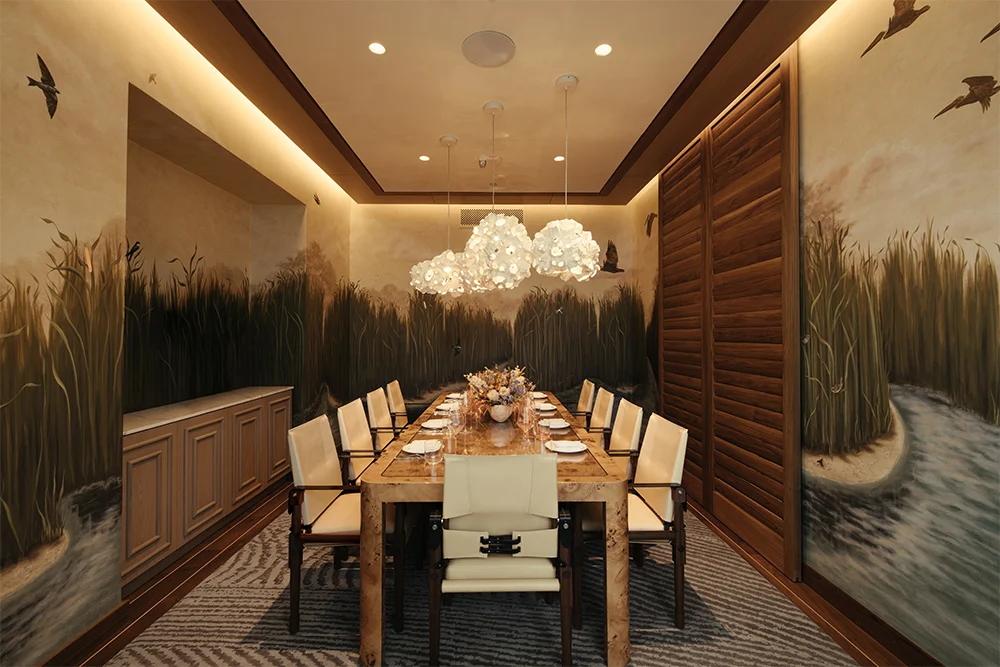
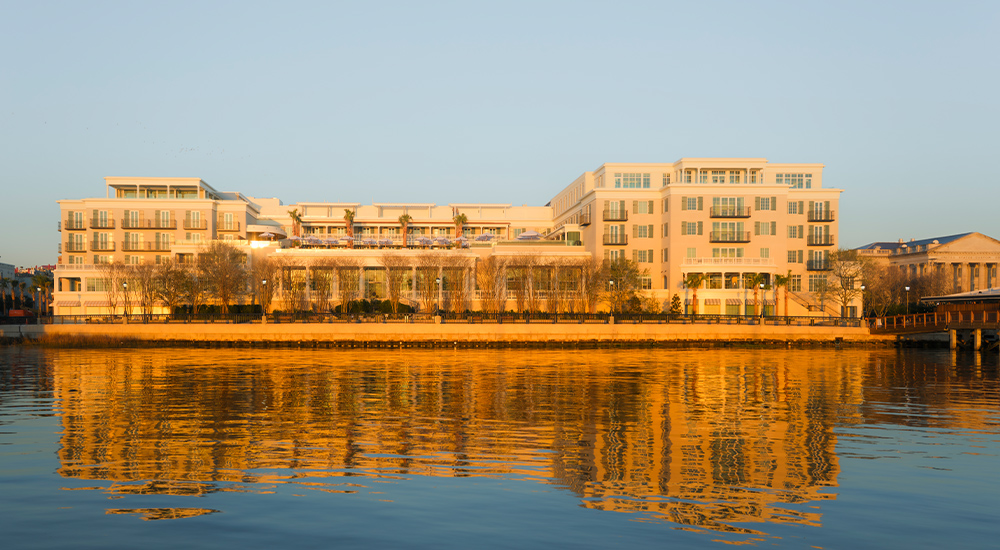
Charleston, South Carolina – The narrative of The Cooper, Charleston’s inaugural waterfront resort, is one of evolution and resilience, marked by shifting authorship and the eventual triumph over significant construction hurdles. This landmark property, now a beacon of luxury hospitality on the Charleston harbor, was ultimately brought to fruition by Ben and Kelly Navarro, the visionary proprietors of Beemok Hospitality Collection (BHC). Their acquisition and dedicated completion of the project injected a new chapter into the resort’s journey, transforming it from a concept facing adversity into a realized destination.
The Navarros, already lauded for their stewardship of Charleston’s acclaimed Sorelle restaurant and their transformative renovation of the iconic Charleston Place, approached The Cooper with a clear mandate: to elevate a property originally envisioned as a standard four-star hotel into something extraordinary. Casey Lavin, President of Beemok Hospitality Collection, articulated this ambition, stating, "We wanted to give it an elegance, a personality, and a level of finish." This commitment to meticulous detail has resulted in a 191-key luxury resort that boasts an array of sophisticated amenities, including a breathtaking infinity pool deck, a serene spa, extensive meeting facilities, and a diverse selection of culinary experiences.
H2: A Vision of Integrated Luxury and Urban Access
The strategic positioning of The Cooper is central to its unique appeal. Lavin further elaborated on the resort’s dual identity: "We wanted to transform the way people experience the city. They can stay at this beautiful waterfront resort hotel but walk right into the core of downtown." This seamless integration of a resort-style experience with immediate access to the vibrant pulse of Charleston’s historic downtown core offers guests an unparalleled advantage, blending relaxation with exploration. This ambitious duality sets The Cooper apart in the competitive landscape of Southern hospitality.
H2: Design Excellence: Crafting an Elegant Waterfront Sanctuary
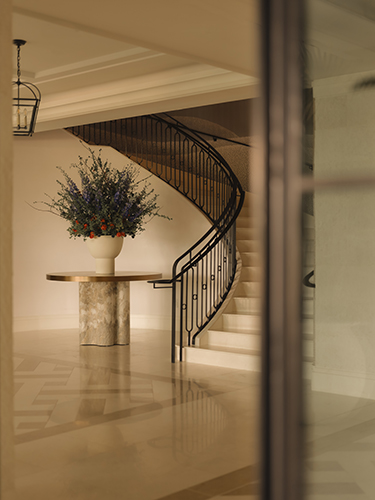
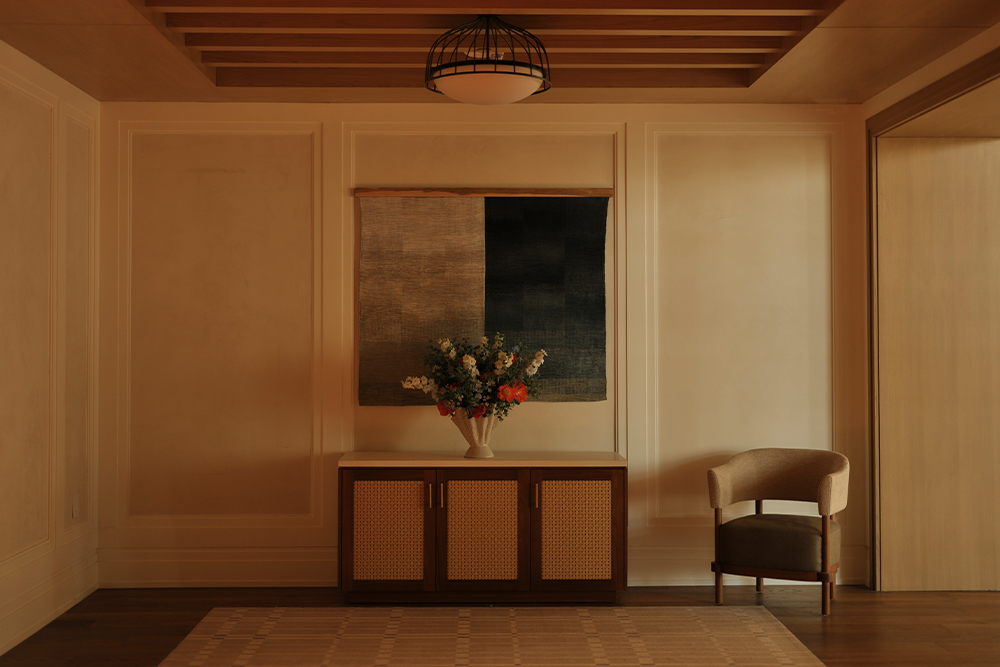
To realize this elevated vision, BHC entrusted the design of The Cooper to the renowned Champalimaud Design. The firm was tasked with crafting guestrooms and public areas that would exude charm, sophistication, and a profound sense of place. The guest arrival experience is designed to be immersive and calming. Visitors enter at the far end of the C-shaped building, descending to a lower lobby level enveloped in a serene, tone-on-tone palette. Here, honed and chiseled stone, tactile raffia, and flowing window sheers create an immediate sense of tranquility. The transition from this lower level is marked by a striking spiral staircase, a design element that Principal Jun Chun of Champalimaud Design revealed was inspired by the iconic iron gates characteristic of historic Charleston Single homes, weaving a narrative of local architectural heritage into the modern design.
H3: Guestroom Design: Sophistication Meets Practicality
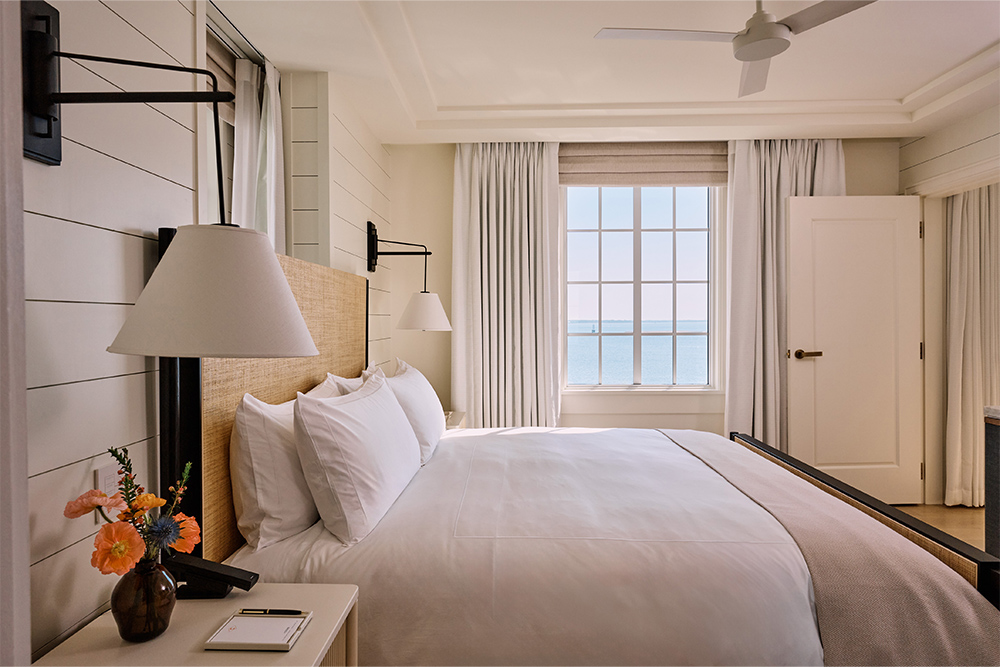
Within the guestrooms, Champalimaud Design has masterfully addressed the spatial challenges of the original project, imbuing each space with an air of calm sophistication and clever functionality. CEO Ed Bakos of Champalimaud Design highlighted the design philosophy: "It’s an unpretentious presentation of surfaces and textures and small-scale touches, focusing on utility." This approach is evident in the thoughtful selection of materials and finishes. Wide plank oak floors provide a warm foundation, complemented by shiplap walls that evoke a coastal vernacular. Sisal-inspired area rugs and raffia details in the furniture add layers of texture and organic warmth. The bathrooms continue this theme of refined elegance, featuring hand-hewn tile in a striking French blue, artfully paired with polished bronze accents, creating a luxurious and serene personal retreat.

H3: Meeting and Event Spaces: Views and Versatility
The resort’s extensive meeting and event facilities have also been designed to reflect the same understated coastal living scheme. These spaces offer not only state-of-the-art functionality but also provide guests with sprawling, picturesque views of the Cooper River, enhancing the overall experience for corporate and social gatherings alike. The integration of the natural beauty of Charleston’s waterfront into the functional design of these spaces underscores the resort’s commitment to offering a truly immersive experience.
H2: The Crossing: A Culinary Journey Designed by Meyer Davis
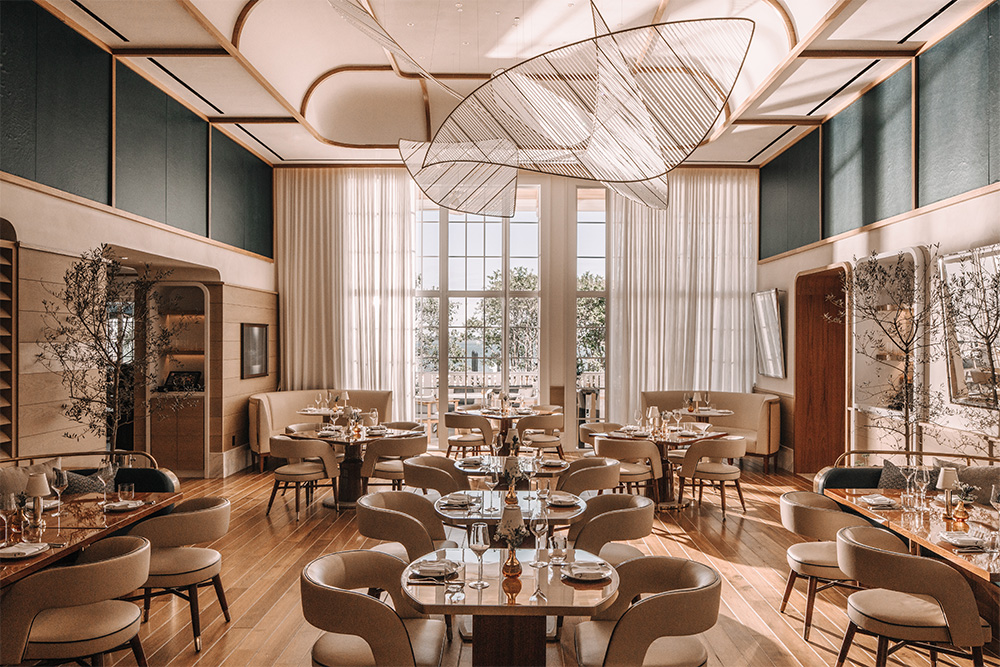
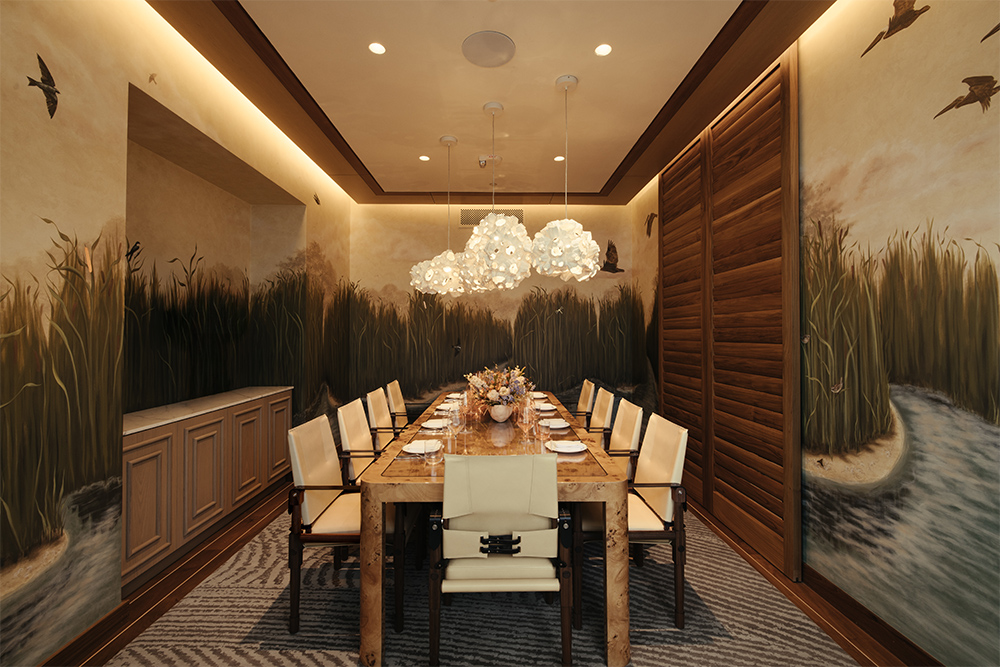
Complementing the resort’s luxurious accommodations and amenities is The Crossing, a sprawling 10,000-square-foot multi-room restaurant and bar concept. For this ambitious culinary destination, BHC enlisted the expertise of Meyer Davis, a New York-based firm known for its innovative and stylish hospitality designs. Gray Davis, cofounder of Meyer Davis, explained the design intent: "We envisioned various dining rooms so you can have different experiences on different nights." This approach has resulted in a series of distinct yet cohesive spaces, each offering a unique ambiance, all accessible via a corridor featuring a sleek, nautical-blue ceiling.
H3: An Upper Lobby Lounge Evoking Maritime Elegance
Ascending the same spiral staircase that greets guests upon arrival, one enters an upper lobby lounge that masterfully evokes the refined atmosphere of a luxury yacht. Polished teak ceilings, sophisticated stainless steel architectural accents, and a carefully curated palette of beiges and nautical blues create an environment of understated opulence. This space serves as a sophisticated transition, preparing guests for the diverse culinary and social offerings to follow.
H3: The Bar, Oyster Bar, and Captain’s Lounge: Lowcountry Flavors and Riverfront Views
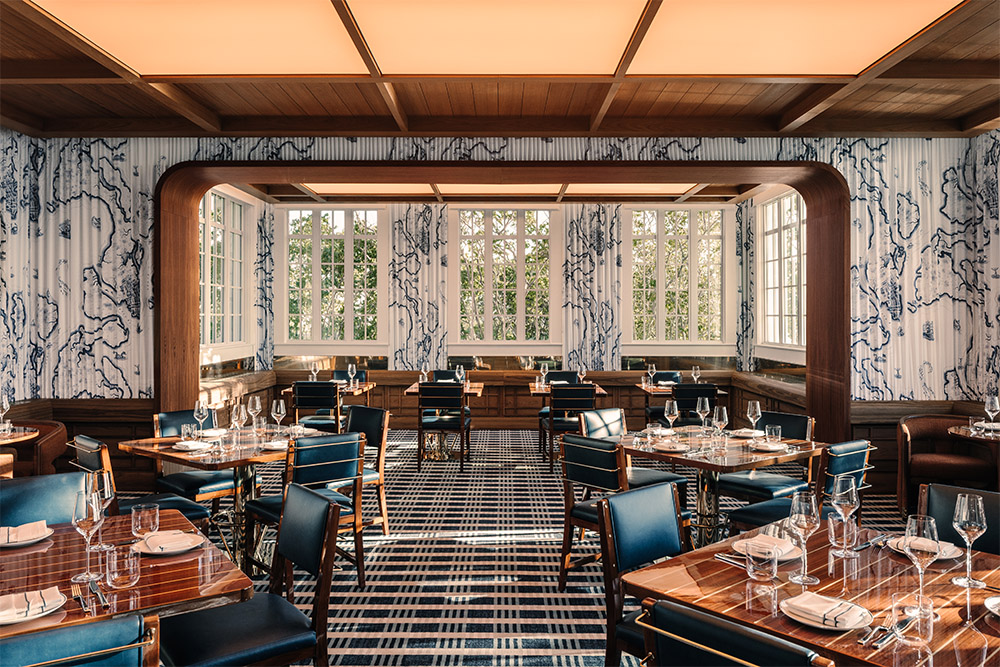
The heart of The Crossing features a prominent bar and oyster bar situated within the largest of the dining rooms. Here, an onyx-topped bar mirrors the captivating colors of the Lowcountry marshlands, drawing inspiration from the natural beauty of the surrounding region. The undisputed pièce de résistance of The Crossing is the Captain’s Lounge. This exclusive space offers breathtaking panoramic views of the Cooper River. Its design is a testament to meticulous detail, featuring custom drapery imprinted with a detailed map of Charleston, a unique creation by Lonesome Pictopia. Overhead, a skylight lined with stretched canvas subtly references the elegant design of antique yachts, further enhancing the maritime theme.
H2: A Resilient Genesis: Navigating Construction Challenges
The journey to The Cooper’s completion was not without its complexities. The property’s initial development faced significant construction challenges, leading to a period of uncertainty. It was during this phase that Beemok Hospitality Collection stepped in. The Navarros’ acquisition and unwavering commitment to seeing the project through to its luxurious conclusion represent a significant investment in Charleston’s hospitality infrastructure and a testament to their vision for the city’s tourism sector.
H3: Chronology of Development: From Concept to Completion
The genesis of The Cooper can be traced back to initial plans for a different type of development. While specific timelines for the original developer’s efforts are not publicly detailed, the transition to Beemok Hospitality Collection marked a pivotal moment. The Navarros’ involvement, following the resolution of earlier construction impediments, initiated a period of intensive revitalization and refinement. This phase involved significant redesign and reconstruction, ensuring that the final product aligned with BHC’s high standards for luxury and guest experience. The subsequent unveiling of the resort signifies the culmination of this dedicated effort, transforming a challenging past into a promising future.
H3: Supporting Data: The Economic Impact of Luxury Hospitality
The successful launch of a high-caliber resort like The Cooper carries significant economic implications for Charleston. Luxury hotels are known to attract a demographic of travelers with higher spending potential, benefiting local businesses, restaurants, and attractions. According to industry reports, the average daily rate (ADR) for luxury hotels in major Southern cities often exceeds $400, and occupancy rates in desirable locations like Charleston can reach upwards of 70-80% during peak seasons. The Cooper, with its 191 keys and premium amenities, is poised to contribute substantially to this economic ecosystem. Furthermore, the creation of jobs, both during construction and ongoing operations, adds another layer to its positive economic impact. The resort’s meeting facilities are also expected to draw significant corporate and convention business, a sector that often represents a substantial portion of a city’s tourism revenue.
H2: Official Responses and Future Outlook
Reflecting on the resort’s transformation, Lavin expressed the overarching goal: "We want [The Cooper] to feel effortless, as if you arrived to the waterfront home of a friend." This sentiment underscores the resort’s ambition to provide an authentic and welcoming experience, deeply rooted in the spirit of Charleston. The Navarros’ vision extends beyond mere accommodation; it aims to foster a profound connection between guests and the city itself. "We want guests to leave with a deeper appreciation of place—that the hotel feels connected to Charleston and it can’t be interchangeable with anywhere else. There’s a soul, a family behind it," Lavin concluded. This philosophy suggests a long-term commitment to integrating The Cooper into the cultural fabric of Charleston, ensuring it stands as a unique and irreplaceable destination.
H2: Broader Impact and Implications for Charleston’s Hospitality Scene
The completion and successful launch of The Cooper represent a significant enhancement to Charleston’s already robust hospitality landscape. It not only provides a new ultra-luxury option for discerning travelers but also sets a new benchmark for waterfront development and resort design in the region. The Beemok Hospitality Collection’s investment in a property that faced adversity signals confidence in Charleston’s enduring appeal as a premier tourist and business destination. The resort’s ability to seamlessly blend urban accessibility with resort-style amenities is likely to influence future developments, encouraging a more integrated approach to urban tourism. The emphasis on local inspiration in its design, from the spiral staircase to the materials and culinary offerings, reinforces Charleston’s unique identity and its appeal as a destination that offers more than just a place to stay, but an immersive cultural experience. The Cooper stands as a testament to visionary ownership, expert design, and the enduring allure of Charleston, promising to be a cherished addition to the Holy City for years to come.

 Anjar Salim
 Chandra Hamzah
 Tatiana Tantri Indah Sari
 Budi Mulyono

