
 Budi Mulyono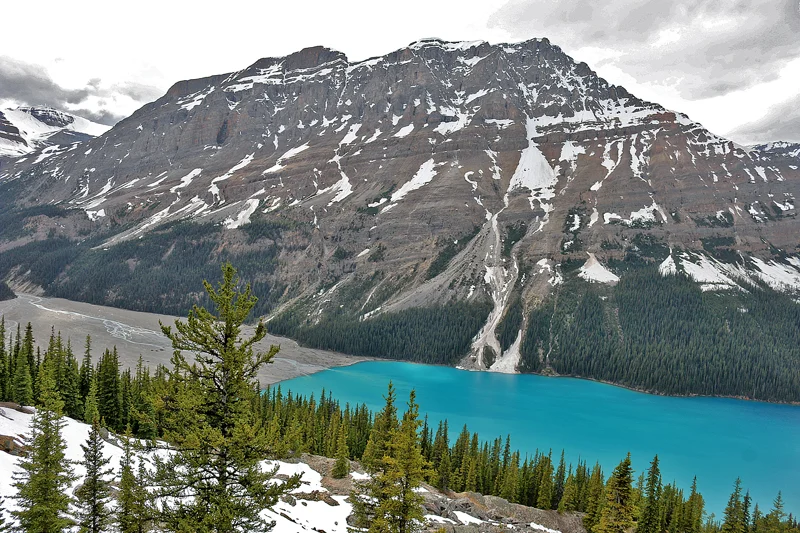
Parks Canada has officially confirmed that entrance fees will be waived across its entire network of protected areas for the peak summer season of 2026, a move designed to encourage both domestic and international exploration of the country’s vast natural and historical heritage. The free admission period is scheduled to begin on Friday, June 19, 2026, and will conclude on Monday, September 7, 2026, coinciding with the Labour Day long weekend. During this window, visitors will have unrestricted access to all national parks, national marine conservation areas, and national historic sites managed by the federal agency without the requirement of a daily admission fee or a Discovery Pass.
This initiative represents one of the most significant public access programs in the history of the agency, covering more than 450,000 square kilometers of protected territory. In addition to the elimination of entry fees, Parks Canada has announced a 25 percent discount on all camping and overnight accommodation fees during the same timeframe. This includes front-country campgrounds, backcountry sites, and "roofed" accommodations such as oTENTiks, yurts, and rustic cabins. The dual incentive of free entry and reduced lodging costs is expected to generate record-breaking visitation numbers, potentially surpassing previous benchmarks set during Canada’s 150th-anniversary celebrations.
Scope of the Summer 2026 Free Admission Program
The mandate of Parks Canada encompasses a diverse portfolio of locations that stretch from the Atlantic to the Pacific and up to the Arctic Circle. The 2026 program includes 47 national parks, five national marine conservation areas, and 171 national historic sites. By removing the financial barrier of entry, the federal government aims to foster a deeper connection between the public and Canada’s environmental and cultural history.
Unlike standard operating procedures, which typically require visitors to display a valid pass or pay at a kiosk, the summer of 2026 will operate on an open-gate policy for admission. Parks Canada staff will remain stationed at gates and visitor centers to provide maps, safety information, and educational resources, but no financial transaction will be necessary for basic entry. It is important to note, however, that while admission is free, "enhanced" services—such as guided tours, Nordic skiing rentals, or specialized interpretive programs—may still carry their standard fees.
Historical Precedent and the 2017 Benchmark
The decision to offer free admission in 2026 draws heavily from the success and lessons learned during the 2017 "Canada 150" initiative. In 2017, the federal government provided free Discovery Passes to all residents and visitors to celebrate the sesquicentennial of Confederation. That year, Parks Canada reported a 12 percent increase in total attendance compared to 2016, with approximately 27.3 million visitors recorded across the system.
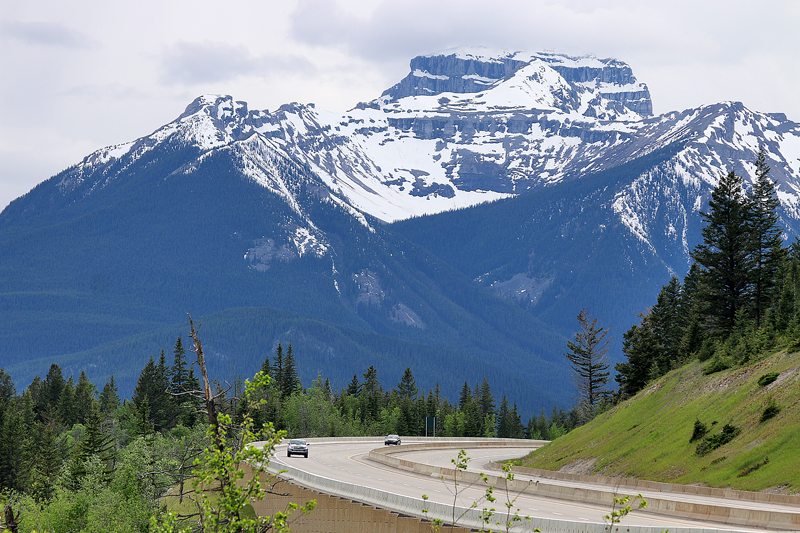
The 2017 program demonstrated that eliminating entry fees significantly boosts interest in lesser-known parks and historic sites, redistributing some of the tourism load away from the "Big Three" destinations—Banff, Jasper, and Lake Louise. However, it also highlighted the challenges of over-tourism and infrastructure strain. In anticipation of the 2026 surge, Parks Canada is expected to implement enhanced traffic management strategies and reservation systems for shuttles to ensure that the ecological integrity of sensitive regions remains protected.
Regional Economic and Tourism Projections
Economic analysts suggest that the free admission period will provide a substantial boost to the Canadian tourism sector, particularly for "gateway communities" located near national parks. Towns such as Canmore, Alberta; Tobermory, Ontario; and Baddeck, Nova Scotia, are expected to see a significant uptick in revenue for local businesses, including hotels, restaurants, and outdoor outfitters.
Supporting data from Destination Canada indicates that for every dollar spent on national park operations, several dollars are generated in the surrounding regional economy. By lowering the cost of the trip for families and international tourists, the government anticipates that the saved entry fees will likely be reallocated toward local services and hospitality, thereby stimulating rural economies. The 25 percent discount on camping is specifically designed to encourage longer stays, which historically leads to higher per-capita spending in nearby municipalities.
Management of Infrastructure and Environmental Integrity
While the announcement has been met with enthusiasm from the travel industry, environmental advocacy groups have raised questions regarding the management of increased foot traffic. The primary mandate of Parks Canada is to maintain or restore the "ecological integrity" of the lands it manages. High visitation volumes can lead to soil erosion, wildlife disturbance, and waste management challenges.
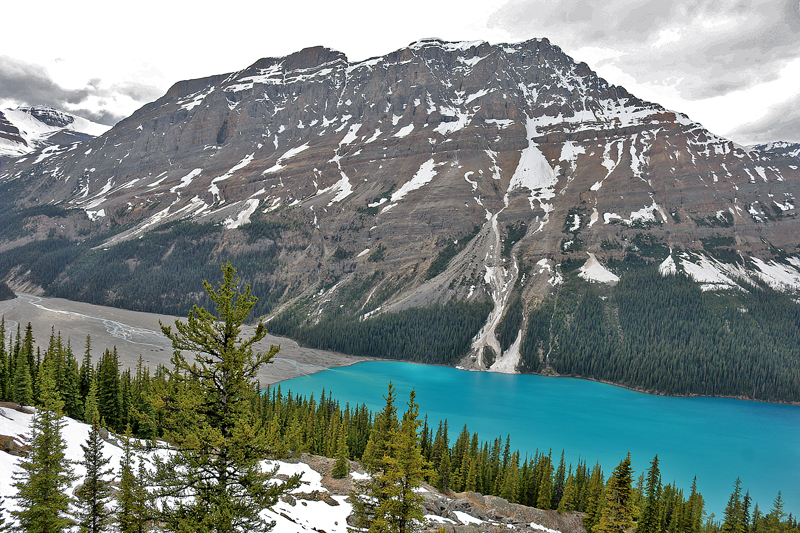
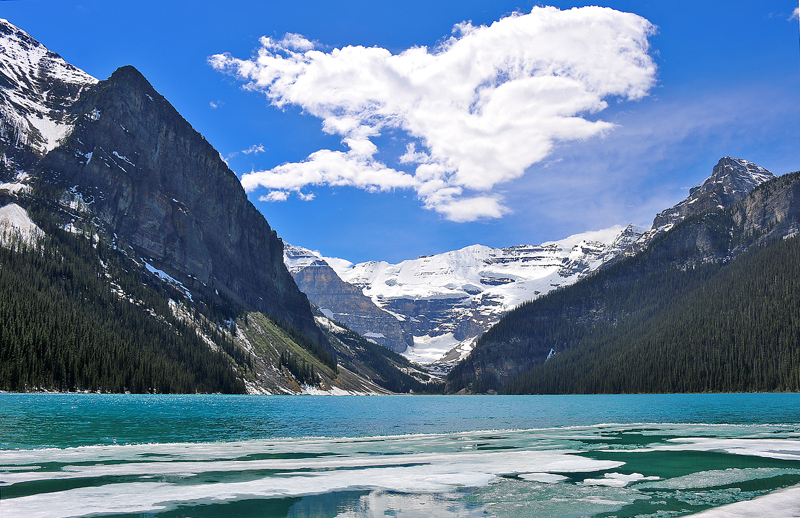
To mitigate these risks, Parks Canada has indicated that it will continue to utilize its advanced reservation system for popular campgrounds and shuttle services. For instance, in Moraine Lake and Lake Louise, where personal vehicle access is already restricted, the free admission policy will not change the requirement for pre-booked transit. Officials emphasize that "free entry" does not mean "unlimited capacity." Once a park reaches its safe capacity for the day, staff may implement temporary closures to ensure visitor safety and resource protection.
Chronology of Planning for Visitors
For travelers planning to take advantage of the 2026 program, the chronology of the reservation window is a critical factor. Typically, Parks Canada opens its campground reservation system in January or February for the upcoming summer season.
- Late 2025: Parks Canada is expected to release the specific dates for the opening of the 2026 reservation portal.
- January–March 2026: Peak reservation period for popular sites such as Banff, Bruce Peninsula, and Jasper.
- June 19, 2026: Formal commencement of the free entry period.
- September 7, 2026: Conclusion of the program, with standard fees resuming on September 8.
Travelers are encouraged to book their accommodations as early as possible, as the 25 percent discount on camping is expected to result in a rapid sell-out of available inventory.
Broad Implications for Accessibility and Inclusivity
A central pillar of the 2026 initiative is the promotion of inclusivity. Federal officials have noted that the cost of entry can be a deterrent for new Canadians, low-income families, and youth. By removing these costs, the government aims to ensure that the national park system serves as a "common ground" for all people, regardless of socioeconomic status.
"National parks are the heart of our Canadian identity," a spokesperson for the Ministry of Environment and Climate Change stated in a related briefing. "By opening the doors wide in the summer of 2026, we are inviting a new generation of stewards to experience the wilderness and history that define this nation."
The program also aligns with broader federal goals regarding mental health and wellness. Numerous studies have documented the psychological benefits of spending time in nature, and the 2026 initiative is being framed partly as a public health benefit, providing accessible opportunities for outdoor recreation and stress reduction.
Impact on National Historic Sites and Marine Areas
While the large western parks often dominate the headlines, the 2026 free admission policy is expected to significantly benefit national historic sites and marine conservation areas. Sites such as the Citadel of Quebec, the Fortress of Louisbourg in Nova Scotia, and the Lachine Canal in Montreal provide critical educational value. These urban and semi-urban sites often see a more diverse demographic of visitors and serve as "entry points" for those who may not have the means to travel to remote wilderness areas.
National Marine Conservation Areas (NMCAs), such as Fathom Five in Ontario or Gwaii Haanas in British Columbia, are also poised for increased visibility. These areas protect underwater ecosystems and coastal habitats, and the 2026 program offers a unique opportunity for Canadians to learn about marine biodiversity and the importance of ocean conservation without the hurdle of entrance fees.
Conclusion and Future Outlook
The summer of 2026 is set to be a landmark season for Parks Canada. By waiving admission fees and discounting overnight stays, the federal government is prioritizing public access and national pride. However, the success of the program will ultimately be measured by the balance achieved between high visitor engagement and the preservation of Canada’s most sensitive ecosystems.
As the 2026 window approaches, Parks Canada is expected to launch a comprehensive communication campaign to educate the public on "Leave No Trace" principles and the importance of respecting wildlife. For the millions of visitors expected to traverse the country’s trails and historic corridors, the initiative offers a once-in-a-decade opportunity to explore the full breadth of Canada’s landscape free of charge. The move reaffirms Canada’s position as a global leader in accessible conservation and sets the stage for a summer of unprecedented domestic discovery.




 Anjar Salim
 Chandra Hamzah
 Tatiana Tantri Indah Sari
 Lukman Taruna Persada Ramadan
