
 Budi Mulyono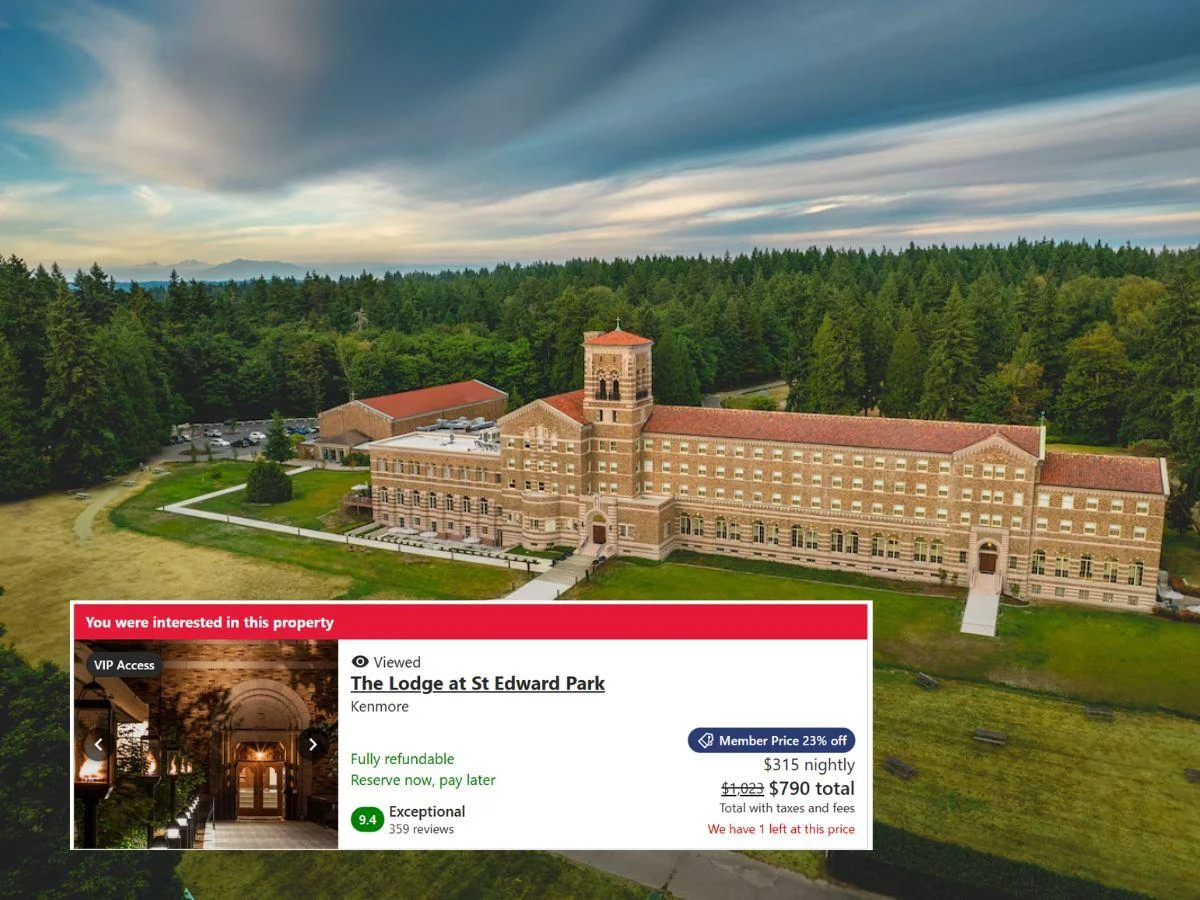
The hospitality industry has undergone a significant transformation in recent years, shifting from a straightforward "book direct" model to a complex ecosystem of third-party portals, credit card ecosystems, and loyalty program cross-promotions. A recent market analysis of booking options for The Lodge at St. Edward Park, a Small Luxury Hotel (SLH) property in Kenmore, Washington, reveals a staggering discrepancy between standard retail rates and the optimized costs available through strategic booking channels. While the hotel’s direct all-in rate for a two-night stay was quoted at $1,052, advanced utilization of travel rewards platforms and elite status benefits reduced the effective cost to just $302. This case study highlights the increasing importance of "stacking" rebates and the surprising competitiveness of airline-affiliated hotel portals like Delta Stays.
The Fragmentation of Luxury Hotel Distribution
The Lodge at St. Edward Park serves as a prime example of the modern luxury hotel distribution landscape. As a member of the Small Luxury Hotels of the World (SLH) collection, the property is accessible through numerous high-end booking engines, each offering different incentives. Historically, travelers were encouraged to book directly with hotels to ensure elite night credits and property-specific perks. However, the integration of SLH into the Hilton Honors ecosystem and the proliferation of credit card "lifestyle" collections have created a scenario where third-party portals often provide superior value.
In this specific analysis, the property was found to be bookable through no fewer than ten major channels, including Hilton Honors (using both cash and points), American Express The Hotel Collection, Visa Infinite’s Luxury Hotel Collection, Capital One’s Lifestyle Collection, and the emerging Bilt Rewards travel portal. Each channel presents a different "all-in" price, but the true value is found in the "adjusted rate"—the final cost after accounting for breakfast credits, property credits, credit card rebates, and the cash value of points earned.
Chronology of a Multi-Channel Rate Comparison
To determine the most cost-effective method for a two-night stay, researchers conducted a comprehensive audit of available rates. The baseline was established using a fully refundable rate for a Classic King room.
The initial search revealed that the direct hotel rate of $1,052 was among the most expensive options. Conversely, third-party aggregators and airline portals offered significantly lower "sticker prices" before any rebates were applied. For instance, Delta Stays—the hotel booking platform for Delta Air Lines—offered an all-in rate of $812, nearly $240 less than the direct rate.
The research then moved into a secondary phase: calculating the "Perk Value." This includes tangible benefits such as a $50 daily breakfast credit and $100 property credits offered by premium card portals. Finally, "Credit Card Rebates" were factored in. Many premium credit cards, such as the Delta SkyMiles® Platinum Business American Express Card and the American Express Platinum Card, offer annual statement credits for specific hotel bookings.
Comparative Data: All-In Rates vs. Adjusted Costs
The data gathered during the analysis demonstrates that the "cheapest" rate on paper is rarely the most economical choice for a savvy traveler. Below is a breakdown of the most prominent booking channels evaluated:
1. The Direct and Traditional Channels
- Direct with Hotel: $1,052 all-in. After accounting for a 4x points return on a premium travel card (valued at $63), the adjusted rate remained high at $989.
- Hilton Honors (Cash): $1,032. However, for those with Hilton Gold or Diamond status, the inclusion of continental breakfast (valued at $100) and Hilton points earnings reduced the adjusted rate to $820.
- Hilton Honors (Points): 170,000 points. At a standard valuation of 0.35 cents per point, this represents a cash-equivalent cost of $595. When factoring in free breakfast, the adjusted cost drops to $495.
2. Premium Credit Card Portals
- Amex The Hotel Collection: $1,052 all-in. While the sticker price is identical to the direct rate, the perks are substantial: a $200 annual hotel credit (for eligible cardholders), a $100 property credit, and free breakfast. The adjusted rate falls to $472.
- Capital One Lifestyle Collection: $1,041. By utilizing a $300 annual travel credit and earning 10x miles on the Venture X card, the adjusted rate was calculated at $541.
- Chase Travel: $1,031. With a $100 annual hotel rebate and 5x points earning, the adjusted rate reached $854.
3. The Disruptors: Delta Stays and Bilt
- Bilt Rewards: $855 all-in. After applying a $200 hotel credit and $100 in "Bilt Cash" rewards, the adjusted rate was $502. This represents a significant improvement in Bilt’s competitive pricing compared to previous years.
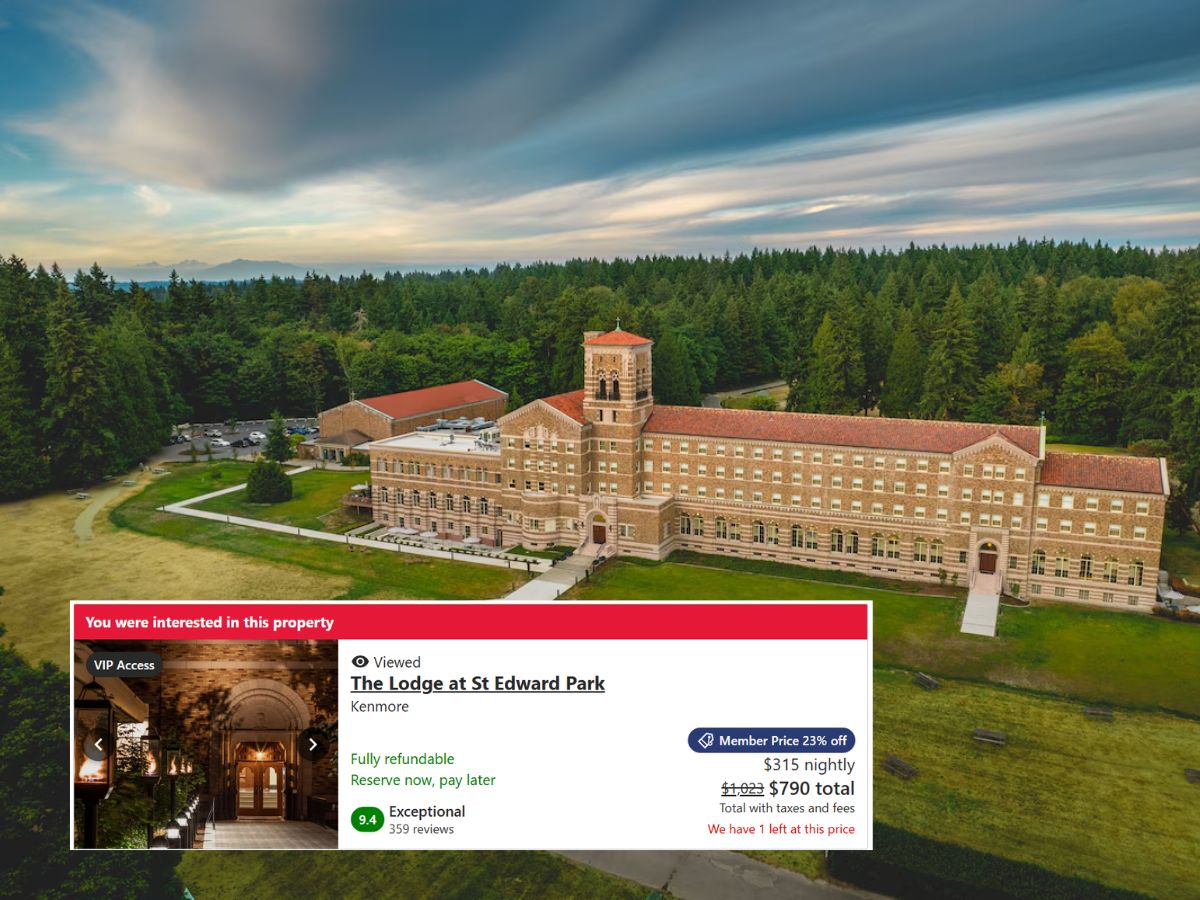
- Delta Stays: $812 all-in. This platform emerged as the definitive winner. By splitting the two-night stay into two separate one-night bookings, the traveler was able to utilize two $200 statement credits from two different Delta Platinum Business cards. Combined with "VIP Access" perks (including a $35 food and beverage credit), the final adjusted rate was a remarkable $302.
The Delta Stays Advantage and Elite Status Impact
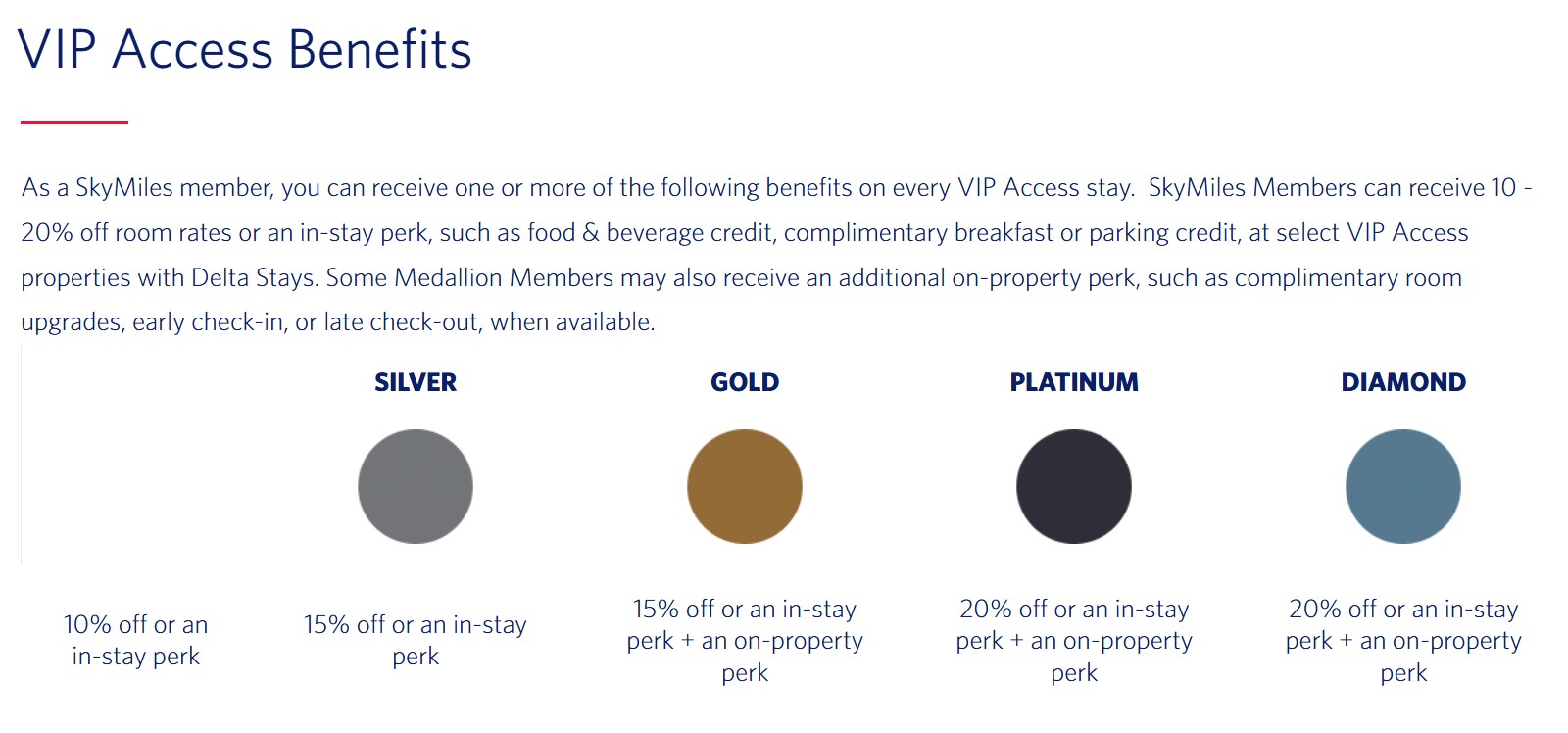
The most significant finding of this analysis is the evolution of Delta Stays. Previously viewed as a secondary booking option, the platform—powered by Expedia—has integrated specific benefits for Delta SkyMiles elite members. Those with Silver, Gold, Platinum, or Diamond Medallion status are now eligible for "VIP Access" at select properties.
At The Lodge at St. Edward Park, this status manifested as a discounted "Member Rate" and additional on-property credits. This synergy between airline elite status and hotel bookings marks a shift in how loyalty programs are structured. By incentivizing members to book hotels through airline portals, carriers like Delta are capturing a larger share of the total travel spend while providing members with a way to extract high value from their credit card benefits.
The use of the Delta SkyMiles® Platinum Business American Express Card was central to this strategy. The card offers a $200 annual statement credit for prepaid Delta Stays bookings. By strategically booking each night of the stay separately, the traveler effectively "stacked" two annual credits, a maneuver that is permissible under current terms and conditions, provided the hotel can link the reservations upon arrival to avoid a room change.
Market Implications and Strategic Analysis
The results of this case study suggest three major implications for the travel industry and consumers:
1. The Decline of "Book Direct" Dominance
For years, hotel chains have spent millions on "Book Direct" campaigns, promising the lowest rates and best service. However, as bank and airline portals increase their commission-sharing in the form of consumer rebates and credits, the financial incentive to book direct is evaporating for luxury properties. When a traveler can save $750 on a two-night stay by using a third-party portal, brand loyalty to the hotel chain becomes a secondary concern.
2. The Complexity of "Shadow Pricing"
The "sticker price" of a hotel room is becoming increasingly irrelevant. "Shadow pricing"—the effective cost after rebates, points, and credits—is the new metric for value. This requires consumers to have a high level of financial literacy regarding their credit card benefits and a willingness to perform multi-channel comparisons.
3. Airline Portals as Serious Competitors
The competitiveness of Delta Stays and Bilt indicates that the travel booking market is becoming more crowded. Expedia and Booking.com no longer just compete with hotels; they are the engines behind "white-label" portals for airlines and banks. This allows entities like Delta to offer rates that are often lower than those found on the hotel’s own website, especially when targeted at elite members.
Broader Impact on the Hospitality Industry
For properties like The Lodge at St. Edward Park, this fragmentation presents both a challenge and an opportunity. While they may pay higher commissions to portals like Delta Stays or Amex, these platforms drive high-value guests who are likely to spend on-site. However, the complexity of managing "linked reservations" from multiple one-night bookings can create operational friction at the front desk.
From a broader economic perspective, the success of the "adjusted rate" model suggests that the travel industry is moving toward a subscription-like ecosystem. Travelers who pay annual fees for premium credit cards (like the Amex Platinum or Delta Platinum Business) are essentially pre-paying for travel discounts. The "savings" found in this case study are, in part, a return on the investment of those annual fees.
In conclusion, the modern traveler must look beyond the initial search result to find true value. As demonstrated by the $750 variance in the adjusted cost for a stay at The Lodge at St. Edward Park, the most lucrative "points and miles" strategy is often not about earning rewards, but about the strategic application of credits and elite benefits through non-traditional booking channels. The emergence of Delta Stays as a top-tier contender suggests that the future of hotel bookings may be more closely tied to the airline industry than ever before.




 Anjar Salim
 Chandra Hamzah
 Tatiana Tantri Indah Sari
 Lukman Taruna Persada Ramadan
