
 Anjar Salim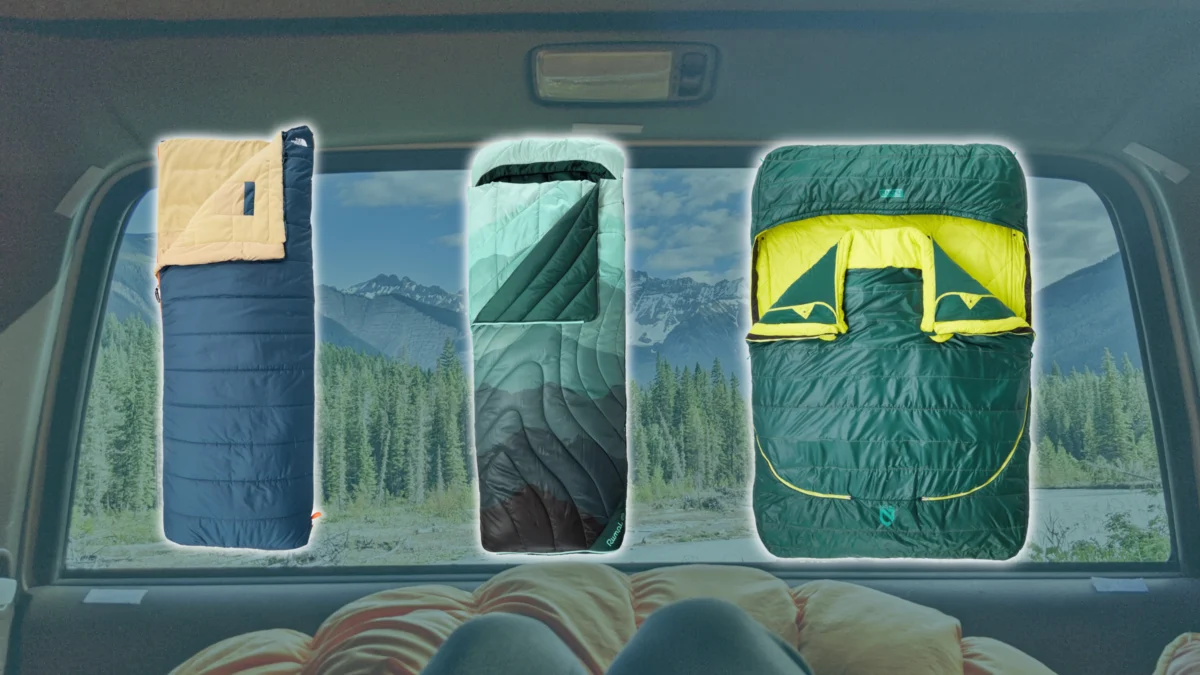
The landscape of outdoor recreation has undergone a significant transformation leading into the summer of 2026, with car camping solidifying its position as the primary gateway for families and new enthusiasts to experience the wilderness. Central to this experience is the sleeping bag, a piece of equipment that has evolved from a utilitarian survival tool into a sophisticated, comfort-oriented sleep system. As the 2026 camping season reaches its peak, gear analysts have identified three specific models—The North Face Wawona 20, the Rumpl Wrap Sack, and the Nemo Jazz Double—as the premier choices for consumers navigating different price points. These selections represent a broader industry shift toward sustainable materials, inclusive sizing, and a "comfort-first" philosophy that prioritizes sleep quality over weight savings.
The Evolution of the Car Camping Market
To understand the significance of the 2026 gear lineup, one must look at the trajectory of the outdoor industry over the past five years. Since the surge in outdoor participation in the early 2020s, the market for "front-country" or car camping gear has outpaced the growth of technical backpacking equipment. According to recent industry reports, the global camping equipment market is projected to exceed $25 billion by 2027, with a notable 15% year-over-year increase in "luxury" or "comfort" camping categories.
This shift is driven by a demographic change in campers. Modern enthusiasts are increasingly looking for gear that mimics the comfort of home while providing the durability required for outdoor environments. Consequently, manufacturers have moved away from the restrictive "mummy" shapes traditional in backpacking and toward rectangular or semi-rectangular designs that allow for natural movement. The 2026 testing cycle emphasized these features, focusing on tactile fabric feel, thermal efficiency, and the integration of recycled materials.
The Budget Standard: The North Face Wawona 20
For consumers entering the market or those prioritizing value, The North Face Wawona 20 has emerged as the definitive budget-friendly option, priced between $150 and $160. While many entry-level bags sacrifice durability or skin-feel, the Wawona 20 utilizes a 50-denier polyester taffeta lining that provides a softness comparable to high-end bedding.
Technical Specifications and Performance
The Wawona 20 is a three-season bag designed with a focus on roominess. Measuring 78 inches by 32 inches in the regular size, it offers a generous silhouette that avoids the claustrophobic feel of technical alpine bags. The exterior is constructed from recycled polyester ripstop with a water-repellent finish, a critical feature for resisting the condensation often found in car-side tents.
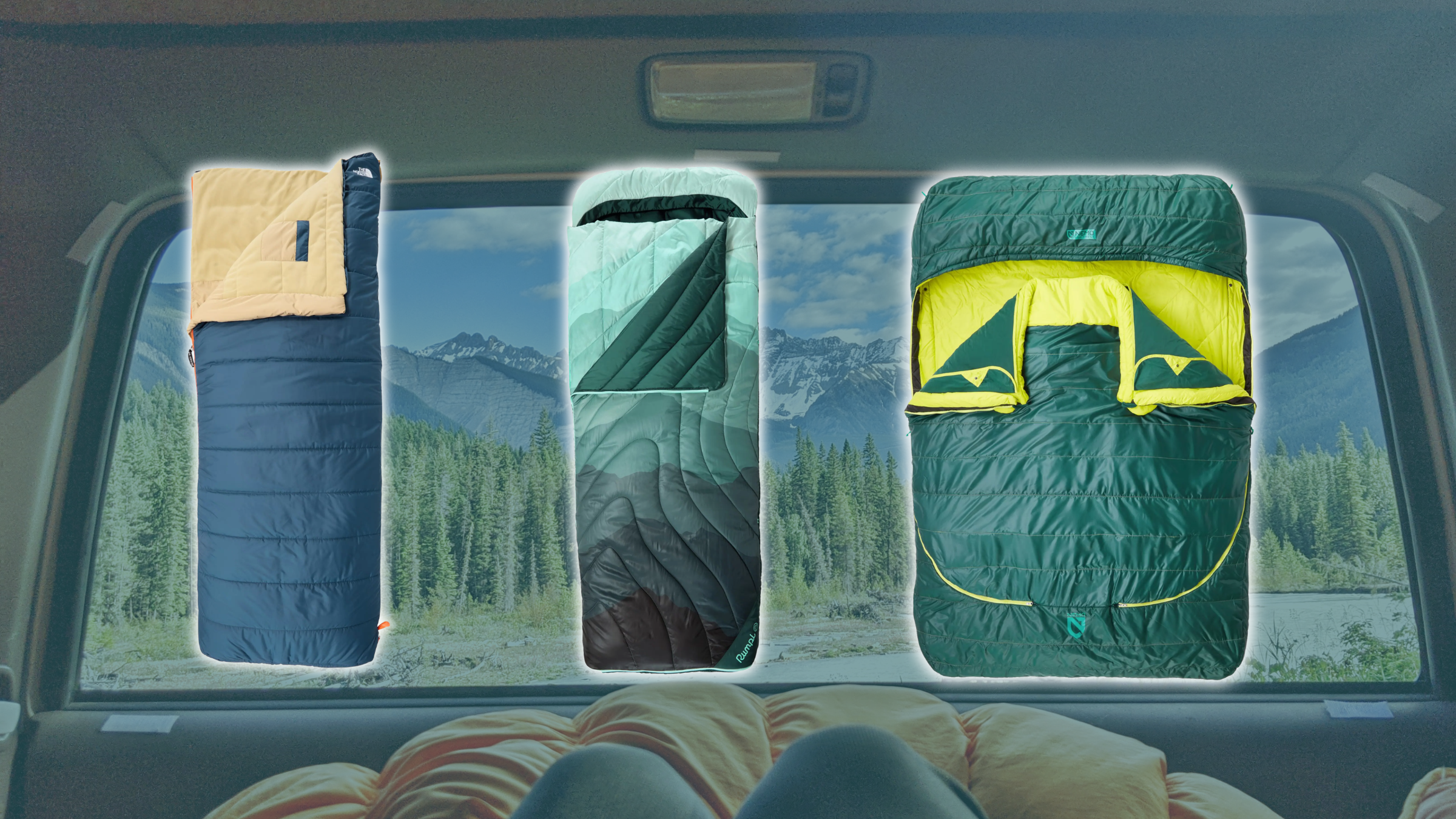
However, testers noted a discrepancy between the advertised 20-degree Fahrenheit rating and real-world performance. In field tests, the bag was found to be most comfortable at temperatures around 40 degrees Fahrenheit. For campers facing 30-degree nights, the consensus among testers was that supplemental layers, such as base layers and headwear, are necessary to maintain core warmth. This highlights a common trend in the budget segment: while the materials are durable, the insulation density often requires strategic layering at the lower limits of the temperature rating.
Strategic Design Elements
One of the standout features of the Wawona 20 is its modularity. The bag is designed to be zipped together with a second unit, creating a functional double bed for couples. This versatility, combined with internal storage pockets for small electronics and personal items, positions it as a highly practical choice for the casual weekend warrior.
Innovation in the Mid-Range: The Rumpl Wrap Sack
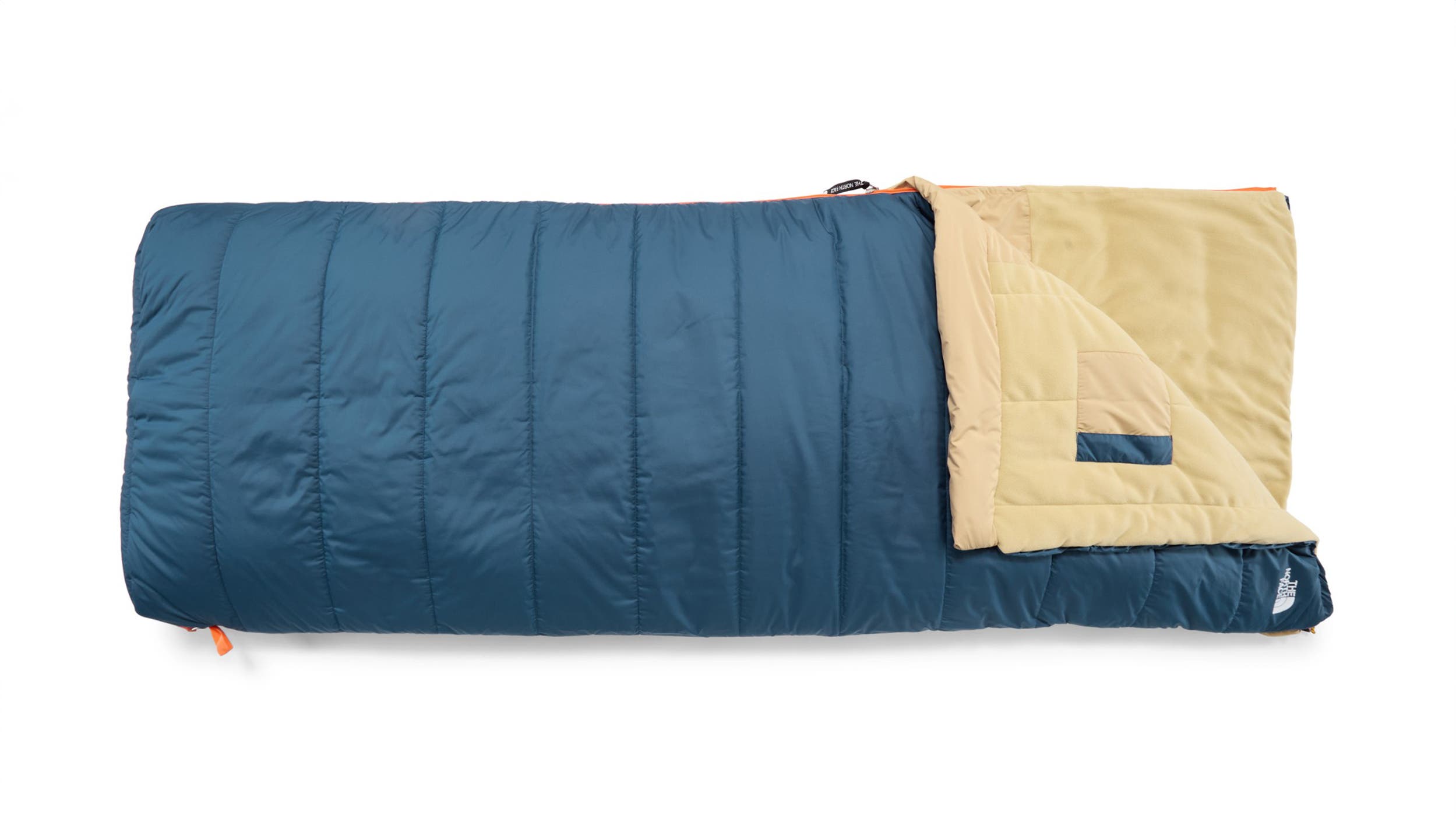
At the $250 price point, the Rumpl Wrap Sack represents a departure from traditional sleeping bag architecture. Voted as a top-tier innovation for the 2026 season, the Wrap Sack utilizes a "swaddle" design that caters to active sleepers who find traditional zippers restrictive.
Chronology of Design and Materials
Rumpl, a brand that gained prominence through its insulated blankets, transitioned into the sleeping bag market by applying its "puffy" technology to a wearable format. The Wrap Sack features two lateral wings that secure with four clips, allowing the user to wrap themselves in insulation. For colder conditions, an outer layer can be zipped up to provide a more traditional seal.
The material composition reflects the industry’s aggressive move toward circularity. Both the exterior nylon and the synthetic insulation are 100% recycled. The insulation itself is Rumpl’s proprietary synthetic blend, designed to mimic the loft of down while maintaining thermal properties when damp.
Field Analysis and Limitations
During testing, the Wrap Sack was praised for its "watermelon-sized" packed dimensions, making it significantly more portable than the Wawona. However, like its budget counterpart, the Wrap Sack’s 20-30 degree Fahrenheit rating was viewed as optimistic. Testers found the "sweet spot" for this bag to be 40 degrees Fahrenheit. Additionally, some testers noted that the plastic clips, while functional, could be felt if a sleeper rolled directly onto them, suggesting that the bag is best paired with a high-quality, thick sleeping pad.
The Luxury Splurge: Nemo Jazz Double
For those who view camping as an extension of their home bedroom, the Nemo Jazz Double ($380) represents the pinnacle of the current market. This bag is specifically designed for the "overlanding" and family camping segments, where vehicle space is available but sleep quality is non-negotiable.
Performance and Thermal Accuracy
The Nemo Jazz Double stands out for its thermal honesty. Rated for 32 degrees Fahrenheit, it was the only bag in the 2026 trial that consistently met its comfort rating in near-freezing conditions. This performance is attributed to its massive footprint (78 inches by 129 inches) and the inclusion of an integrated, removable bed sheet.
When tested in the variable climates of Northern California, the Jazz Double accommodated two adults and a child comfortably. The dual-zipper system allows occupants on either side to regulate their own temperature independently, solving the common "overheating" problem associated with double bags.
Logistical Considerations
The primary trade-off for the Jazz Double’s comfort is its physical scale. Weighing nearly 9 pounds and possessing a bulky packed size, it is not a bag for those with limited trunk space. However, for families who prioritize a "literal bed" experience, the weight is seen as a secondary concern. The bag is optimized for use with high-R-value pads, such as the Nemo Roamer series, creating a sleep system that rivals many hotel mattresses.
Industry Implications and Sustainability Trends
The three bags highlighted for the 2026 season reflect broader shifts in the manufacturing of outdoor goods. There is an undeniable trend toward the "democratization of comfort," where features once reserved for luxury gear—such as soft-touch fabrics and recycled fills—are moving down the price ladder.
The Role of Recycled Materials
In 2026, the use of recycled polyester and nylon is no longer a niche marketing point but an industry standard. Both The North Face and Rumpl have integrated recycled content into their primary textiles, driven by consumer demand and stricter environmental regulations regarding textile waste. This shift has not compromised durability; modern recycled ripstop fabrics have shown tensile strengths equal to their virgin counterparts in laboratory stress tests.
Thermal Rating Standardization
The discrepancies in temperature ratings found during the 2026 tests highlight an ongoing challenge in the industry. While the ISO and EN rating systems provide a baseline, they are often calculated based on a sleeper wearing a full set of thermal layers on a high-quality pad. For car campers, who may sleep in cotton pajamas or use thinner air mattresses, these ratings can be misleading. Experts suggest that consumers should generally add a 10-to-15-degree "buffer" to the manufacturer’s comfort rating when planning trips.
Chronology of the 2026 Testing Cycle
The data supporting these recommendations was gathered over a six-month period beginning in early 2026.
- January – March 2026: Initial lab testing focused on loft retention and fabric abrasion resistance.
- April 2026: Field testing in high-desert environments to test breathability and moisture management during warm nights.
- May 2026: Cold-weather testing in Northern California and the Pacific Northwest to verify lower-limit comfort ratings.
- June 2026: Synthesis of tester feedback and final price-to-performance analysis.
Official Responses and Consumer Sentiment
Spokespersons for the outdoor industry have noted that the 2026 season marks a "maturation" of the car camping category. "We are seeing a move away from ‘disposable’ camping gear," noted one industry analyst. "Consumers would rather spend $150 on a bag like the Wawona that will last five seasons than $40 on a bag that ends up in a landfill after one weekend."
User feedback has also highlighted the importance of "inclusive design." The success of the Nemo Jazz Double and the Rumpl Wrap Sack suggests that consumers are moving away from the "one size fits all" mentality. Sleepers are demanding products that accommodate side-sleeping, tossing and turning, and co-sleeping with children or pets.
Final Analysis: Choosing the Right Nest
As the 2026 camping season continues, the choice between these three models depends largely on the user’s specific logistical needs and thermal requirements.
- The North Face Wawona 20 remains the best entry point for those who camp primarily in fair weather and want a durable, soft-feeling bag without a significant investment.
- The Rumpl Wrap Sack is the choice for the design-conscious camper who values innovation, portability, and the ability to transition from a "wearable" blanket to a sleeping bag.
- The Nemo Jazz Double is the definitive solution for families and couples for whom comfort is the primary objective and vehicle space is not a constraint.
The 2026 market proves that a good night’s sleep in the wilderness is no longer a luxury reserved for the few, but an accessible reality for every budget. Through the integration of recycled materials and a renewed focus on ergonomic design, the outdoor industry has ensured that the "nest" a camper chooses is worth every dollar spent.




 Chandra Hamzah
 Tatiana Tantri Indah Sari
 Budi Mulyono
