
 Anjar Salim
The Summer Friday has transitioned from a niche corporate perk into a formalized cultural institution within the modern professional landscape, serving as a catalyst for a multi-billion dollar surge in the outdoor recreation economy. As of June 2026, industry data suggests that nearly 65% of specialized knowledge-work firms have adopted some form of early-exit policy during the summer months, leading to a significant shift in consumer behavior and gear requirements. This transition has necessitated a new generation of equipment designed for rapid deployment—gear that facilitates a seamless transition from the digital workspace to remote environments ranging from the Swiss Alps to the river systems of the American West.
The current market for outdoor equipment is characterized by a push toward "ultra-light" and "multi-functional" designs, as consumers increasingly demand products that perform across diverse micro-climates and activity types. This report examines the technical specifications and field performance of the leading gear selected by industry experts for the 2026 summer season, highlighting advancements in materials science, portable culinary technology, and sustainable manufacturing.
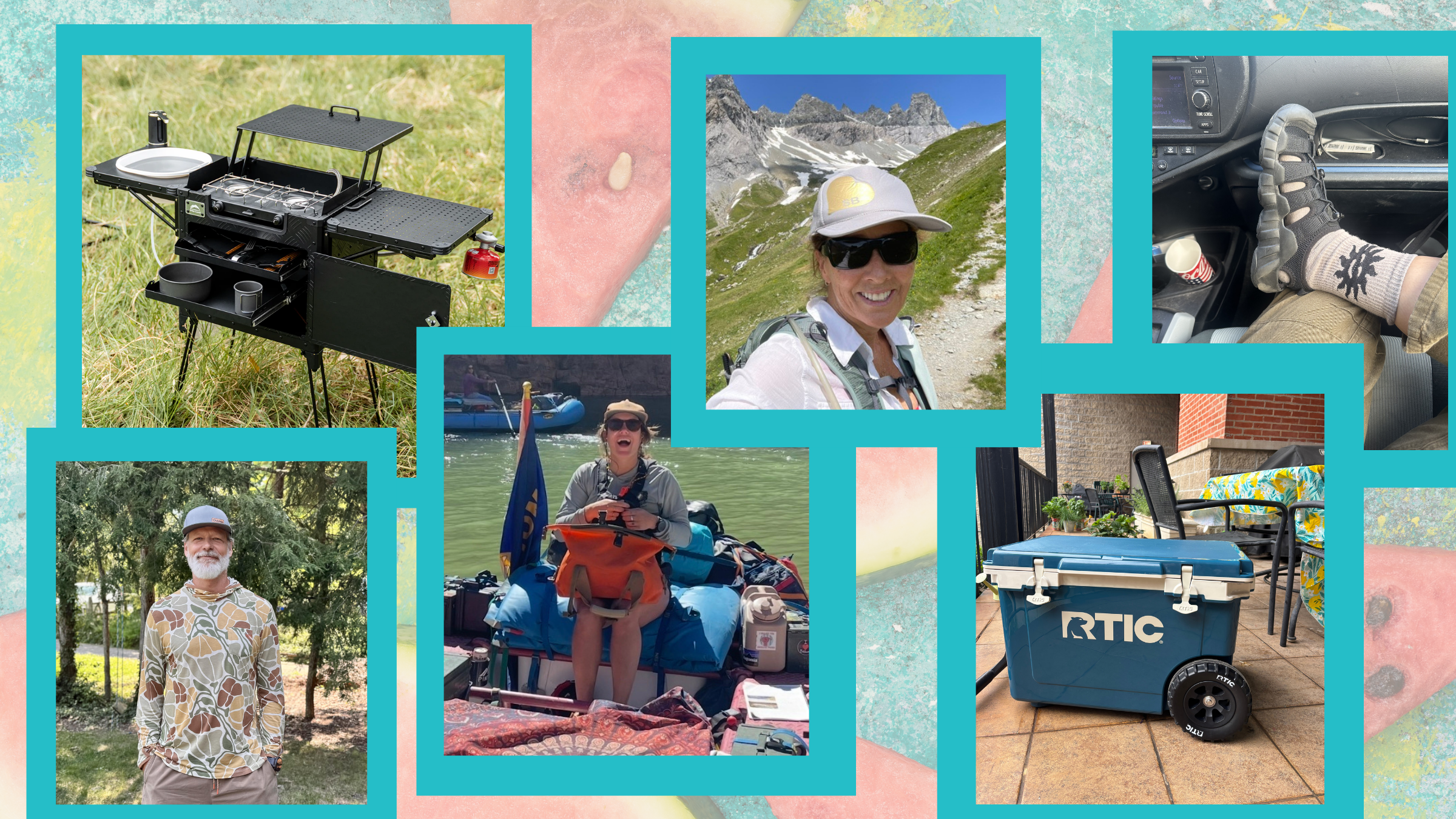
The Evolution of the Summer Friday and the Outdoor Economy
The concept of the Summer Friday, once a casual arrangement in Madison Avenue advertising firms of the 1960s, has undergone a radical transformation. In the post-pandemic era and into the mid-2020s, the "4 P.M. Slack Fade" has become a recognized phenomenon. Economic analysts at the Global Outdoor Industry Association (GOIA) report that Friday afternoon departures have increased domestic travel spending by 14% since 2024. This shift has placed a premium on gear that is "ready-to-go," emphasizing ease of storage, rapid assembly, and durability.
The 2026 gear spotlight focuses on products that address the specific needs of the "weekend warrior" demographic—professionals who require high-performance equipment that can be stored in urban environments but deployed in rugged wilderness areas.
Advancements in Cold Chain Portability: The RTIC 52 QT Ultra-Light
A primary challenge for the summer adventurer is the maintenance of the "cold chain" for food and beverages. For years, the market was dominated by heavy, rotomolded coolers that offered exceptional ice retention but were difficult to maneuver for solo users. The RTIC 52 QT Ultra-Light Wheeled Cooler represents a significant shift in this category.
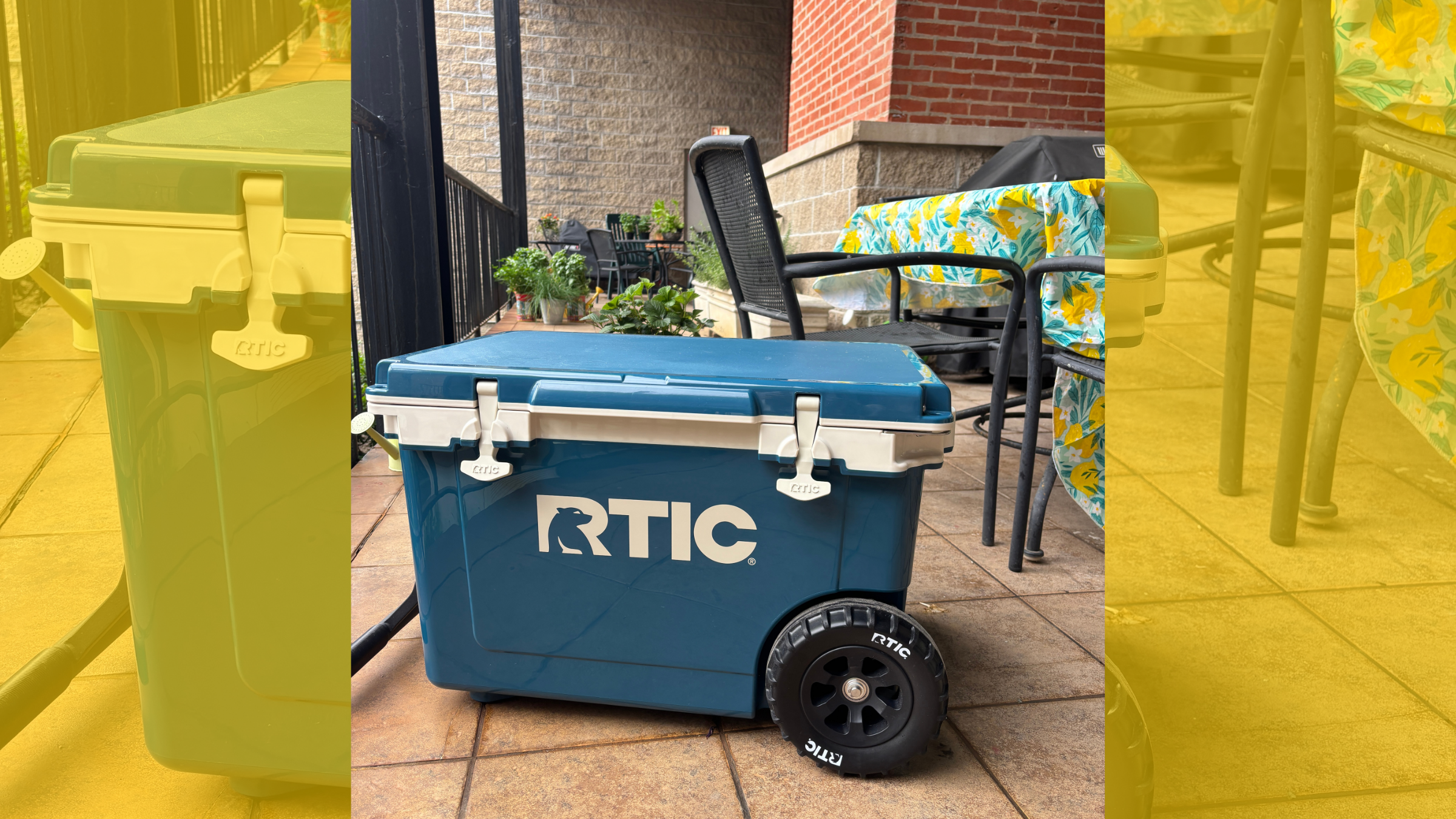
Utilizing an advanced injection-molding process, RTIC has managed to reduce the weight of its hard-sided coolers by approximately 30% compared to traditional models while maintaining a 52-quart capacity. This model is capable of holding up to 78 standard cans, making it suitable for group excursions. The inclusion of all-terrain wheels and a light-weight build allows for maneuverability on varied surfaces, from suburban patios to gravel riverbanks. Industry testers note that the "Monster Truck" aesthetic of the oversized wheels belies a "sports car" handling experience, addressing a common pain point for users with smaller frames or limited storage space in urban garages.
The Professionalization of Camp Culinary Systems
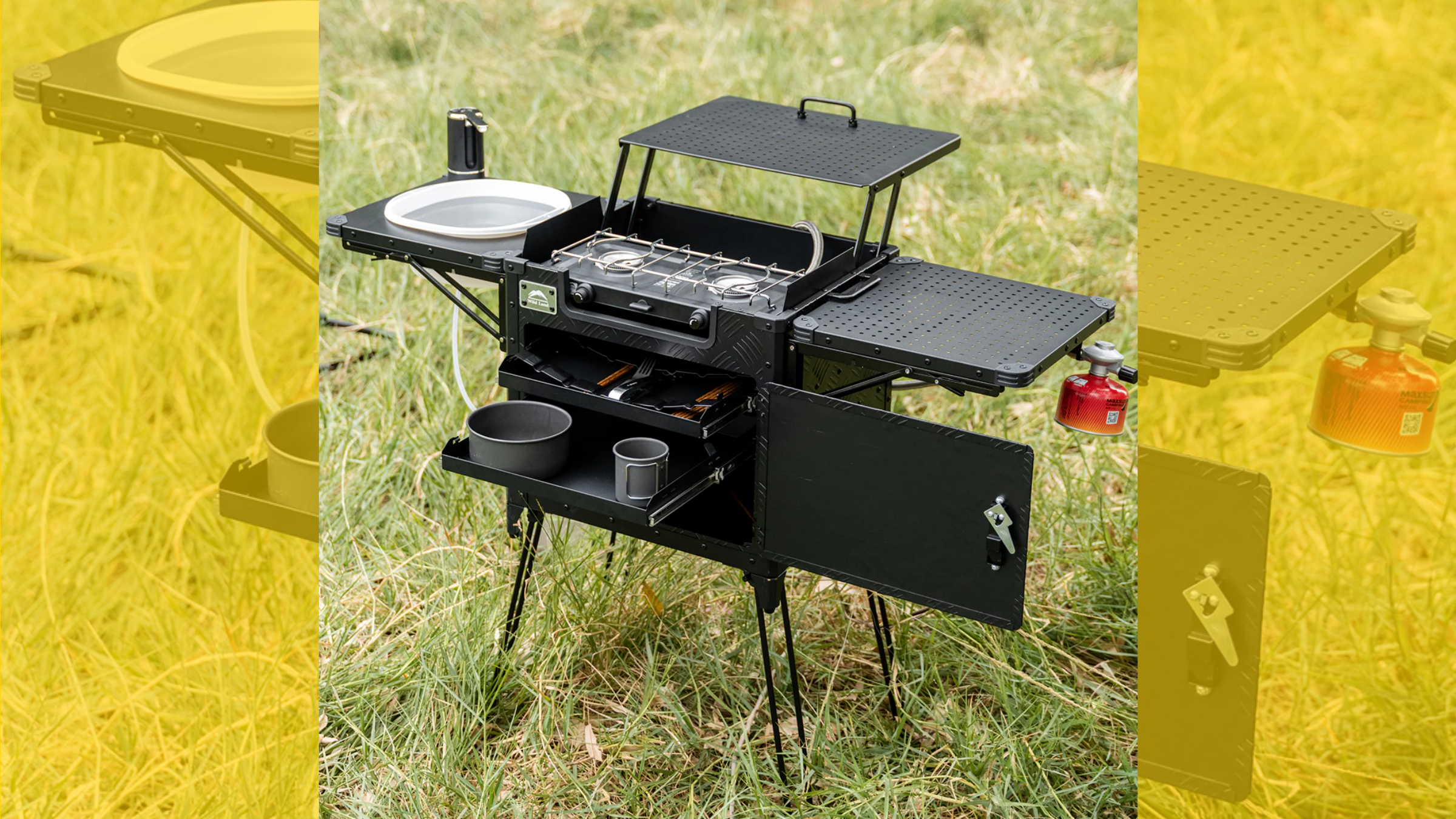
As camping evolves into "glamping" and high-efficiency outdoor living, the demand for organized, integrated kitchen systems has risen. The Kitchen Cruiser Pro has emerged as a leader in this segment by consolidating several disparate functions into a single, portable unit.
The technical highlight of the Kitchen Cruiser Pro is its integrated rechargeable electric faucet and sink system. By utilizing a push-button mechanism to draw water directly from standard jugs, it eliminates the manual labor associated with traditional gravity-fed systems. The unit also features a matchless, two-burner ignition stove and dedicated storage for cooking utensils. Despite its 43-pound weight—which some users categorize as "a beast" to transport—the unit’s ability to unfold from a standard gear box size to a standing height in under 60 seconds has made it a preferred choice for family camping. It represents a broader trend in 2026 toward "modular camp infrastructure" that prioritizes organization and hygiene in remote settings.
Material Science in Portable Seating: The Helinox Chair Zero LT
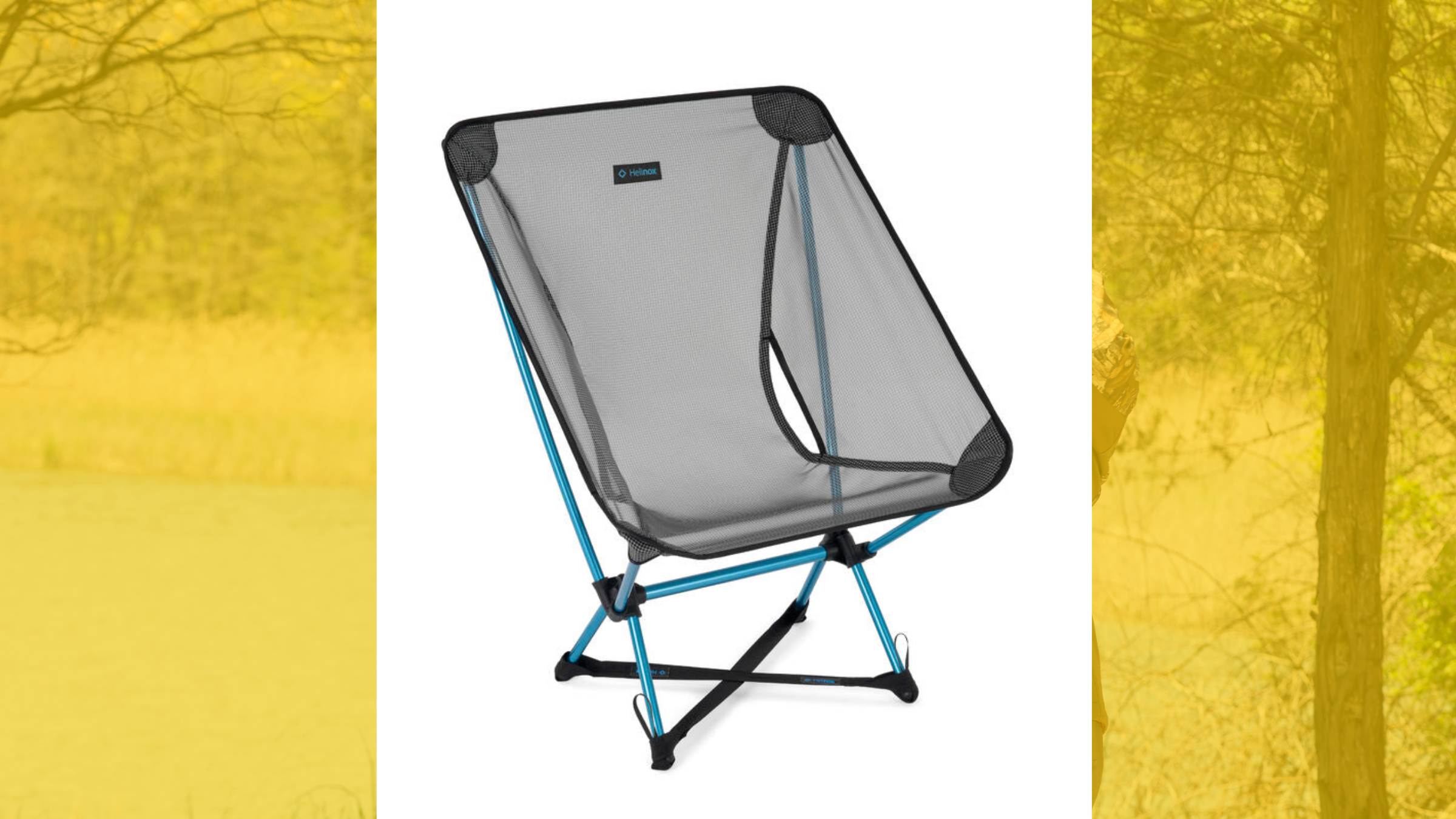
In the backpacking sector, the philosophy of "ounces make pounds" continues to drive innovation. The Helinox Chair Zero LT is a testament to the advancements in alloy and textile engineering. Traditionally, weight-conscious hikers eschewed portable seating, relying on natural features like rocks or stumps. However, the introduction of DAC aluminum poles—the same high-strength, low-weight alloy used in expedition-grade tents—has allowed for the creation of chairs that weigh as little as 1 pound, 3 ounces.
The Chair Zero LT utilizes a ripstop mesh sling that provides breathability and a slightly reclined ergonomic position. This product targets the "fast and light" demographic, including birders and hikers who require frequent, comfortable rest stops during long-distance treks without compromising their pack weight.
Hydrological Protection and River Culture Gear
The American Northwest and Intermountain West have seen a record increase in river-based recreation in 2026, driven by high snowpack melt and a surge in kayaking and rafting. In this environment, the Watershed Goforth Drybag has become a standard-bearer for waterproof storage.
Measuring 9 inches by 16 inches, the Goforth utilizes a proprietary ZipDry closure system that differs from traditional roll-top bags by providing a submersible seal. At 1.5 pounds, it is designed for "pinch" situations—storing essential items like rain jackets and food that must remain dry during unexpected downpours or river capsizes. The durability of the fabric allows it to withstand the abrasive environments of the Lochsa River in Idaho and the Alberton Gorge in Montana, where it is frequently utilized by professional river guides and enthusiasts alike.
Versatility in Thermal Management: The Yeti Daytrip 3L
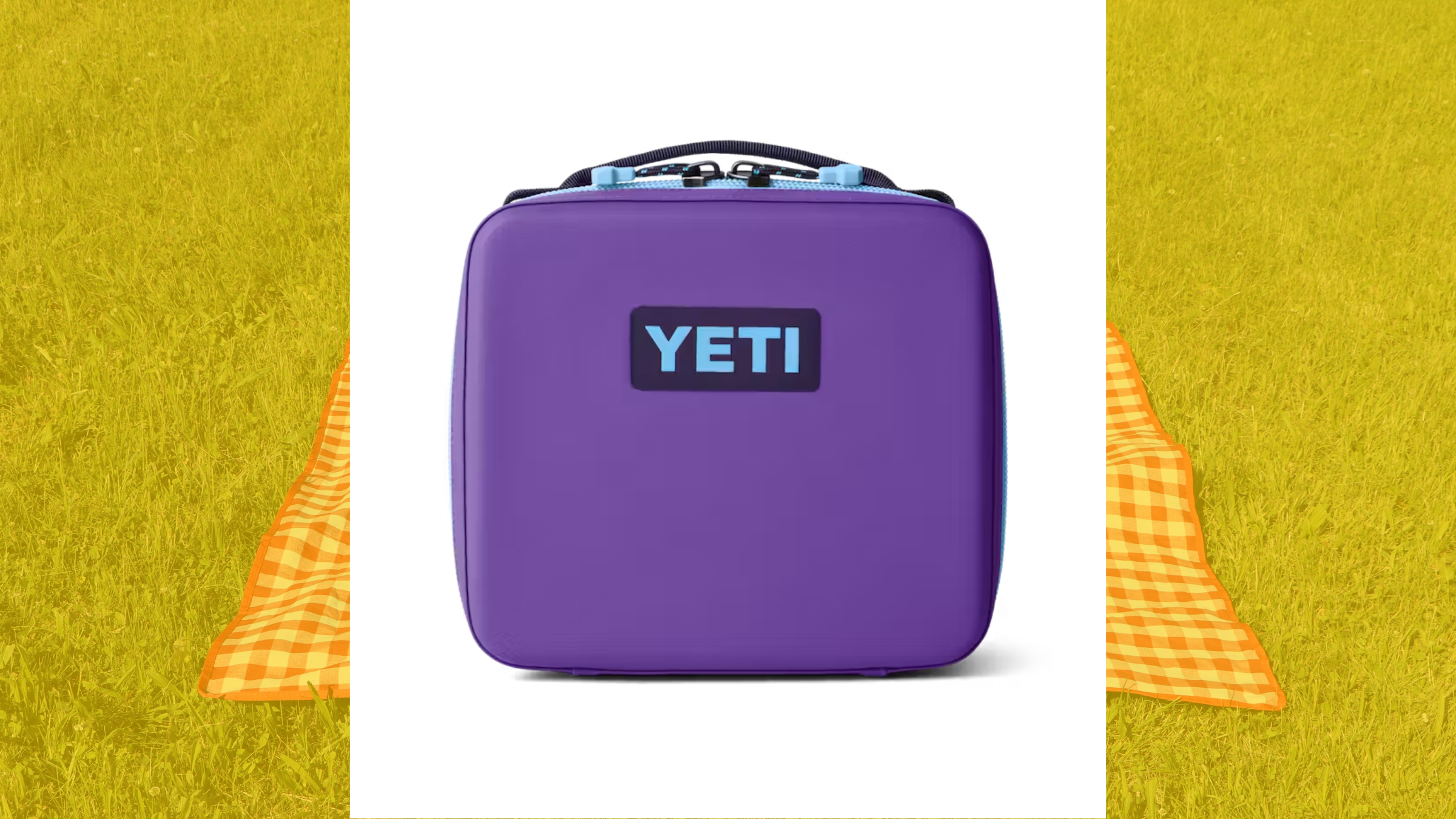
The crossover between outdoor gear and daily life is perhaps most evident in the Yeti Daytrip 3L Lunch Box. While designed for rugged use, it has gained a secondary market among parents for its thermal efficiency and durability.
Technical evaluations show that the Daytrip’s closed-cell insulation maintains consistent internal temperatures for over 12 hours. Its dimensions have proven ideal for specialized uses, such as transporting temperature-sensitive infant bottles. The use of a heavy-duty zipper and a sturdy handle reflects Yeti’s "over-engineered" philosophy, ensuring the product survives both the rigors of a campsite and the aggressive handling of toddlers in a daycare setting.

Footwear and Sustainable Eyewear Trends
The 2026 footwear market is increasingly defined by collaborations between high-fashion outdoor brands and technical manufacturers. The Snow Peak x KEEN Hyperport H2 is a prominent example. This sandal features a rubber outsole and protective toe cap designed for gravel walks and river swimming, while incorporating a mesh upper that vents heat effectively.
In the eyewear sector, sustainability has moved from a marketing buzzword to a manufacturing requirement. The Zeal Nucla Sunglasses utilize a plant-based "Z-resin" frame material. This bio-plastic is derived from castor beans, reducing the reliance on petroleum-based plastics. Weighing less than one ounce, these sunglasses feature high-quality polarized lenses that provide a wrap-around shield, making them suitable for high-altitude hiking in the Swiss Alps or paddleboarding on domestic lakes.
Textile Innovation: Bamboo and Recycled Fibers
The final frontier of 2026 summer gear lies in technical apparel. Two distinct approaches to sun protection and moisture management have emerged:
- Bamboo-Based Textiles: The Free Fly Bamboo Lightweight Hoodie addresses the needs of users with sensitive skin or allergies to chemical sunscreens. Bamboo fibers offer a "buttery" texture that is softer than traditional cotton while providing natural breathability. This is particularly vital in the "oppressive heat" of the Southern United States, where high humidity renders traditional synthetics uncomfortable.
- Recycled Post-Consumer Fibers: The Norrøna Women’s Falketind Dri1 Jacket represents the pinnacle of Nordic sustainability. This jacket is constructed from recycled post-consumer fibers and features a "Dri1" membrane—a 2.5-layer technical fabric that is both windproof and waterproof. Weighing significantly less than traditional hardshells, it includes zippered chest vents for rapid cooling, a feature tested extensively in the Catskill Mountains and the Arctic Circle in Finland.
Broader Impact and Industry Implications
The integration of these technologies into the consumer market has several long-term implications. First, the reduction in gear weight and the increase in "ease of use" have lowered the barrier to entry for the outdoor industry, inviting a more diverse range of participants. Second, the move toward sustainable materials like Z-resin and recycled fibers is a response to a more environmentally conscious consumer base that demands a lower carbon footprint for their leisure activities.
From a corporate perspective, the "Summer Friday" is no longer just a break from work; it is a driver of innovation. Companies that fail to account for the "transition period"—the hours between 4 P.M. on Friday and the arrival at the trailhead—are losing market share to brands that prioritize portability and rapid deployment.
As we move deeper into the 2026 season, the convergence of flexible work schedules and high-performance gear continues to redefine the boundaries between professional life and outdoor adventure. The gear highlighted here represents the current state of the art, but as materials science continues to advance, the "Summer Friday" of the future may be supported by even lighter, more sustainable, and more integrated equipment.




 Chandra Hamzah
 Tatiana Tantri Indah Sari
 Budi Mulyono
