
 Lukman Taruna Persada Ramadan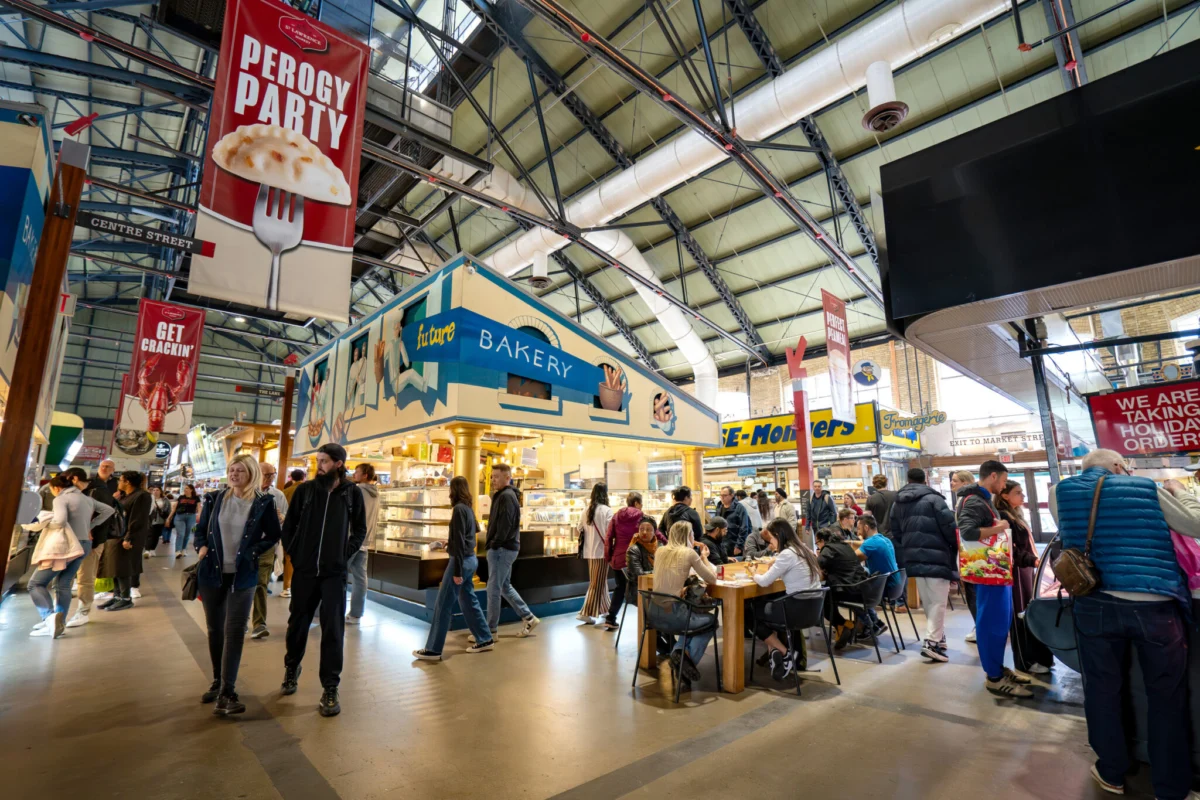
Toronto, Canada’s largest city and a sprawling economic engine, stands as a testament to global integration, presenting an unparalleled culinary landscape shaped by its profoundly diverse population. With more than half of its residents born outside of Canada, the metropolis has earned its reputation as one of the world’s most multicultural urban centers. This demographic reality translates directly into a vibrant tapestry of languages heard on its bustling streets and, perhaps most notably, into an extraordinary assortment of global cuisines representing over 230 distinct ethnic origins, available from its downtown core to its farthest suburban reaches. This culinary richness is not merely a feature of the city but an intrinsic part of its identity, a living, breathing expression of its immigrant heritage.
The Foundation of Diversity: A Demographic Deep Dive
The sheer scale of Toronto’s diversity is remarkable. According to recent census data and projections, the Greater Toronto Area (GTA) consistently ranks among the most multicultural regions globally. This demographic composition is a result of successive waves of immigration dating back over a century, intensifying significantly after World War II and particularly following the liberalization of Canadian immigration policies in the 1960s. Each wave brought with it new cultures, traditions, and crucially, new culinary practices that gradually integrated into the city’s fabric, forming distinct community enclaves that are now celebrated for their authentic cultural offerings.
This sustained influx of talent and culture has fostered an environment where culinary authenticity thrives. Immigrants, often seeking to preserve their heritage in a new land, established businesses that catered to their communities, including grocery stores, bakeries, and restaurants. Over time, these establishments transcended their initial community focus, attracting patrons from all walks of life and becoming integral parts of Toronto’s broader culinary scene. The city’s policy of multiculturalism, enshrined at the federal level, has further supported the flourishing of these diverse communities, allowing them to maintain and celebrate their cultural identities, including their foodways, rather than pressuring assimilation.
Neighborhood Gastronomy: A World on Your Plate
Toronto’s culinary map is dotted with vibrant ethnic neighborhoods, each offering a distinct journey for the palate. Beyond the well-known hubs like Chinatown, Little Italy, and Little India, the city boasts an impressive array of specialized districts. Gastronomy-minded visitors and residents alike eagerly embark on culinary excursions to Koreatown, where the sizzle of Korean barbecue and the tang of kimchi permeate the air; to Little Jamaica, pulsating with the rhythms of reggae and the aromas of jerk chicken and curried goat; to Little Tibet, offering hearty momos and thukpa; and to Greektown on the Danforth, famous for its bustling patios serving souvlaki, moussaka, and baklava. These are but a few examples among dozens of neighborhoods where immigrants meticulously preserved and continued to cook the foods of their ancestors, transforming local streets into vibrant culinary corridors.
Each of these districts tells a story of migration, settlement, and cultural preservation. For instance, Chinatown, primarily located along Spadina Avenue and Dundas Street West, traces its roots back to the late 19th and early 20th centuries, evolving through waves of Chinese immigration and becoming a focal point for authentic Cantonese, Szechuan, and dim sum experiences. Little Italy on College Street, established by Italian immigrants in the early 20th century, remains a cherished spot for traditional pasta, pizza, and espresso. Similarly, Little India on Gerrard Street East, which saw significant South Asian immigration from the 1970s onwards, is a riot of colors, spices, and flavors, offering everything from rich curries to sweet jalebis. These neighborhoods are not just commercial zones; they are living museums, cultural centers where language, art, music, and especially food, combine to offer an immersive cultural experience.

Navigating the Culinary Labyrinth: The Rise of Food Tours
Given the sheer breadth and depth of Toronto’s culinary offerings, experiencing it all in one or even two trips proves nearly impossible. This challenge has given rise to a thriving industry of small-group food tours, designed to provide curated and insightful journeys into the city’s diverse gastronomic landscape. These tours serve as invaluable guides, allowing visitors to efficiently sample a wide range of authentic cuisines while gaining deeper cultural and historical context.
One of the most highly-rated options in the city is Jusep Sim’s Chopsticks & Forks, which operates the Kensington Market International Food Tour. This tour is particularly celebrated for its focus on Kensington Market, a designated national historic site. Kensington Market stands out as one of Toronto’s last truly ungentrified downtown neighborhoods, having long served as a dynamic enclave for successive waves of immigrants. From Jewish communities in the early 20th century to Portuguese, Caribbean, and more recent Latin American and Asian immigrants, the market has consistently been a melting pot.
During one of its six-days-a-week walks, guests on the Kensington Market tour embark on an extraordinary culinary journey, metaphorically visiting eight countries across five continents, including Jamaica, Tibet, and Chile. All of this is remarkably encompassed within less than one mile of walking. Jusep Sim emphasizes the authenticity of the experience, stating, “The food that we eat [on the tour], most of it is made by people from the country of origin that it represents.” This commitment to authenticity ensures that participants are not just tasting food, but experiencing the genuine culinary traditions and stories behind each dish. The tour not only satisfies the palate but also offers a profound understanding of the market’s unique history, its bohemian spirit, and its ongoing role as a vibrant cultural crossroads.
Beyond Kensington: St. Lawrence Market and Local Gems
While Kensington Market offers a unique, bohemian culinary adventure, other tours provide different perspectives on Toronto’s food scene. Culinary Adventure Co., for instance, guides hungry patrons through the historic St. Lawrence Market. Dating back to 1803, St. Lawrence Market is a landmark site globally recognized for its vibrant atmosphere and diverse offerings. It is now home to more than 100 specialty food vendors, artisans, and farmers. The market, comprising the South Market, North Market, and St. Lawrence Hall, has been consistently ranked among the world’s best food markets by publications like National Geographic. A tour here delves into the market’s rich history as a public gathering place and commercial hub, while showcasing its current bounty of local produce, artisanal cheeses, freshly baked goods, and international delicacies. Visitors can sample everything from classic Canadian peameal bacon sandwiches to Portuguese tarts and gourmet cheeses, all under one historic roof.
Adding another dimension, Delicious Discoveries focuses on walking culinary tours of local neighborhoods located outside of the main tourist hot spots. These tours often highlight emerging culinary trends, hidden gems, and the evolving food scenes in areas that are perhaps less visible but equally rich in gastronomic offerings. This approach allows visitors to gain a deeper understanding of the diverse residential communities that contribute to Toronto’s overall culinary identity.
Ashley Rochefort, Media Relations Manager for United States and Canada Leisure at Destination Toronto, succinctly captures the value of these guided experiences: “It’s about understanding the cultural landscape of the city. If you’re not familiar with Toronto and its diversity, [a food tour] is a great way to get a little taste, literally, of all of that in a couple hours.” Her statement underscores that these tours are not just about food; they are immersive cultural lessons, offering a condensed yet comprehensive introduction to the city’s complex and fascinating identity.

The Broader Impact: Culture, Economy, and Global Standing
Toronto’s culinary diversity is far more than just a tourist attraction; it is a fundamental pillar of its social fabric, economic vitality, and global standing.
Cultural Enrichment: The constant interplay of different culinary traditions fosters a dynamic cultural environment. It encourages cross-cultural understanding, breaks down barriers, and enriches daily life for residents. Food festivals, often celebrating specific ethnic cuisines, are regular occurrences throughout the year, drawing massive crowds and reinforcing community bonds. This constant cultural exchange contributes to Toronto’s reputation as one of the most livable and welcoming cities in the world.
Economic Engine: The food service industry, fueled by this diversity, is a significant economic driver. From small family-run restaurants to large-scale food distribution networks, the sector provides countless jobs and contributes substantially to the city’s GDP. The growth of specialized food markets, grocery stores catering to specific diets, and the export of unique food products further bolster the local economy. Moreover, culinary tourism, as highlighted by the success of food tours, attracts international visitors, contributing to the broader tourism economy, which Destination Toronto actively promotes.
Innovation and Fusion: The rich tapestry of cuisines also serves as a catalyst for culinary innovation. Chefs, both from immigrant backgrounds and local talent, are constantly experimenting with fusion dishes, blending techniques and ingredients from different cultures to create entirely new gastronomic experiences. This creative environment keeps Toronto’s food scene fresh, exciting, and at the forefront of global culinary trends. The city has become a hub for talented chefs eager to explore and express their creativity through diverse ingredients and cooking styles.
Global Brand Identity: Toronto’s culinary diversity significantly enhances its brand as a global city. In an increasingly interconnected world, cities are often judged by their ability to offer a cosmopolitan experience, and food is a crucial component of this. The ability to find authentic dishes from nearly every corner of the globe within Toronto’s boundaries positions it as a truly international destination, attracting businesses, talent, and tourists who value cultural richness and authenticity. This reputation helps Toronto compete on the world stage for investment and human capital.
A Continuing Evolution
Toronto’s culinary landscape is not static; it is constantly evolving, mirroring ongoing global migration patterns and changing tastes. New immigrant communities continue to arrive, bringing with them fresh flavors and culinary traditions that gradually find their place within the city’s gastronomic mosaic. This continuous renewal ensures that Toronto’s food scene remains dynamic, offering endless discoveries for both long-time residents and first-time visitors. The commitment to authentic food, rooted in community and history, remains a defining characteristic, making Toronto a truly exceptional global culinary destination. It is a city where every meal can be a journey, every dish a story, and every neighborhood a world unto itself.




 Anjar Salim
 Chandra Hamzah
 Tatiana Tantri Indah Sari
 Budi Mulyono

