
 Anjar Salim
The physiological toll of high-volume endurance activities often manifests as localized discomfort, ranging from a dull ache in the upper back after a long cycling expedition to sharp twinges in the knees during technical trail descents. For the modern outdoor athlete, pain is frequently a byproduct of movement, and while it may not always be debilitating, it serves as a critical biological signal. According to Tom Walters, a renowned orthopedic physical therapist and author of Rehab Science: How to Overcome Pain and Heal from Injury, these aches often stem from a fundamental mismatch between the physical demands placed on the body and the current structural integrity of its tissues.
When athletes engage in activities like trail running, hiking, or long-distance cycling, they are rarely lifting heavy external weights. However, the sheer volume of repetitive motion—often spanning dozens of miles per week—creates a high cumulative load. This phenomenon requires muscles, tendons, and ligaments to possess a specific "tissue capacity," which is defined as the ability of biological structures to withstand force or impact without sustaining injury. When this capacity is exceeded, the body’s inflammatory and pain-signaling mechanisms are activated. Walters posits that targeted strength training and mobility work are the primary tools for expanding this capacity, allowing athletes to return to their sports with increased resilience.
The Biomechanics of Overload in Endurance Sports
The transition from functional movement to injury is rarely instantaneous in the context of outdoor sports. Instead, it follows a trajectory of progressive overload. In a clinical setting, this is often analyzed through the lens of the "envelope of function." For a hiker carrying a 30-pound pack, every step places several times their body weight in force through the ankle, knee, and hip joints. If the surrounding musculature—such as the glutes and calves—is insufficiently conditioned, the mechanical stress shifts to the joints and connective tissues.
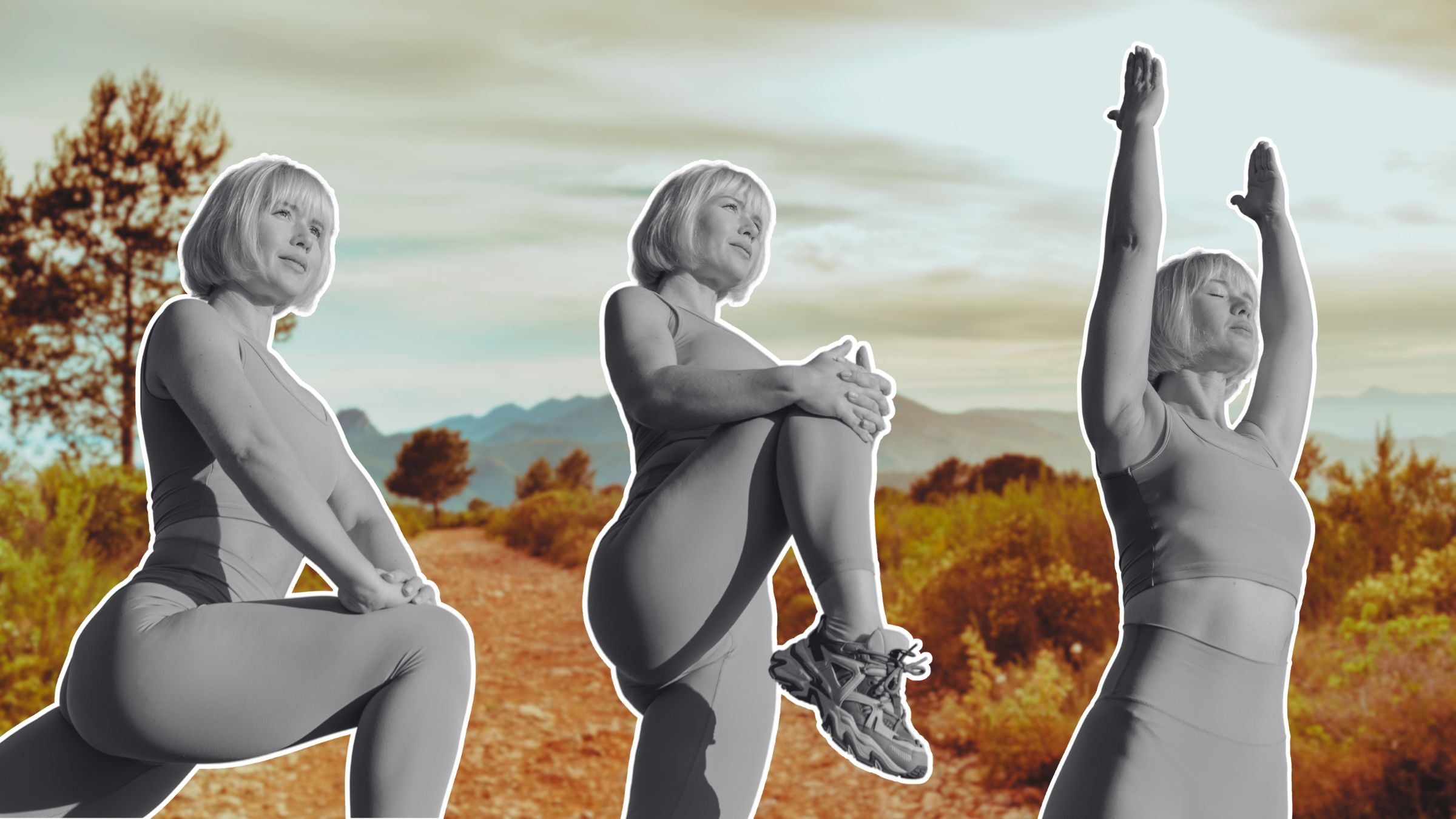
Over time, this shift leads to micro-trauma. If recovery periods are inadequate, these micro-traumas coalesce into chronic conditions such as patellofemoral pain syndrome (runner’s knee) or Achilles tendinopathy. Walters suggests that by implementing a regimen of seven specific movements, athletes can proactively address the most common points of failure in the human kinetic chain. These exercises are designed not just to alleviate existing mild pain, but to "bulletproof" the body against future stressors.
Clinical Guidelines: Distinguishing Mild Pain from Serious Injury
Before engaging in a rehabilitative or preventative exercise program, it is essential to categorize the severity of the discomfort. Physical therapists utilize a subjective pain scale of 1 to 10 to guide activity modification.
- Mild Pain (Level 1–4): This is generally characterized as a manageable ache that does not significantly alter movement patterns. Exercises and stretches are typically recommended at this stage to increase blood flow and tissue tolerance.
- Moderate to Severe Pain (Level 5–10): Pain at this level often indicates acute inflammation or structural damage. In these instances, self-treatment is discouraged, and consultation with a medical professional or physical therapist is required.
Furthermore, Walters identifies specific "red flags" that necessitate immediate clinical intervention. These include pain resulting from sudden trauma, symptoms that persist beyond three weeks despite rest, and neurological signs such as numbness, tingling, or loss of bladder and bowel control. For those experiencing mild, activity-related aches, the following seven-move protocol offers a science-based approach to recovery.
1. Stabilizing the Lumbar Spine: The Bird Dog
Lower back pain remains one of the most prevalent musculoskeletal complaints globally, affecting approximately 80% of adults at some point in their lives. Cyclists are particularly vulnerable due to the prolonged spinal flexion required by aerodynamic riding positions. This sustained "rounding" of the back can lead to disc pressure and muscular fatigue.
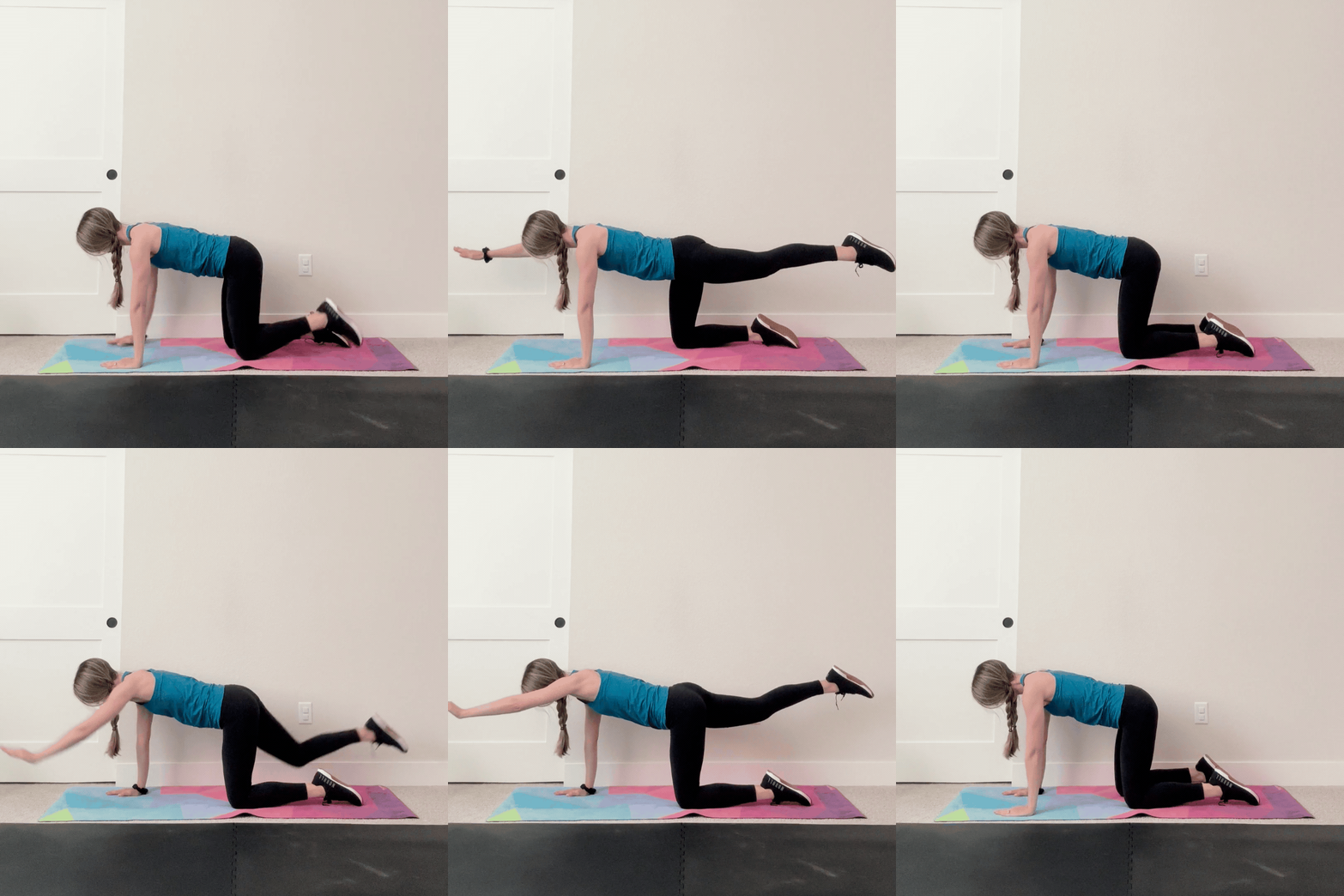
The Bird Dog exercise serves a dual purpose: it promotes spinal extension (the opposite of the cycling posture) and activates the multifidus and erector spinae muscles. By strengthening these core stabilizers, the exercise reduces the burden on the lumbar vertebrae.
Execution: Begin on all fours in a quadruped position. Simultaneously extend the opposite arm and leg until they are parallel to the floor, maintaining a neutral spine and avoiding any arching of the back. Hold the position briefly before switching sides. This movement trains the body to maintain stability while the limbs are in motion, a critical skill for balancing on uneven trails.
2. Reversing "Hunch" Posture: Thoracic Extension
Upper back and neck pain are frequently linked to the thoracic spine, which tends to become stiff after hours of staring at a trail or leaning over handlebars. This "hunched" position limits lung expansion and places excessive strain on the trapezius and levator scapulae muscles.
Utilizing a foam roller for thoracic extension allows for passive and active mobilization of the mid-back. This move helps restore the natural curvature of the spine and alleviates the tension that often migrates toward the neck.
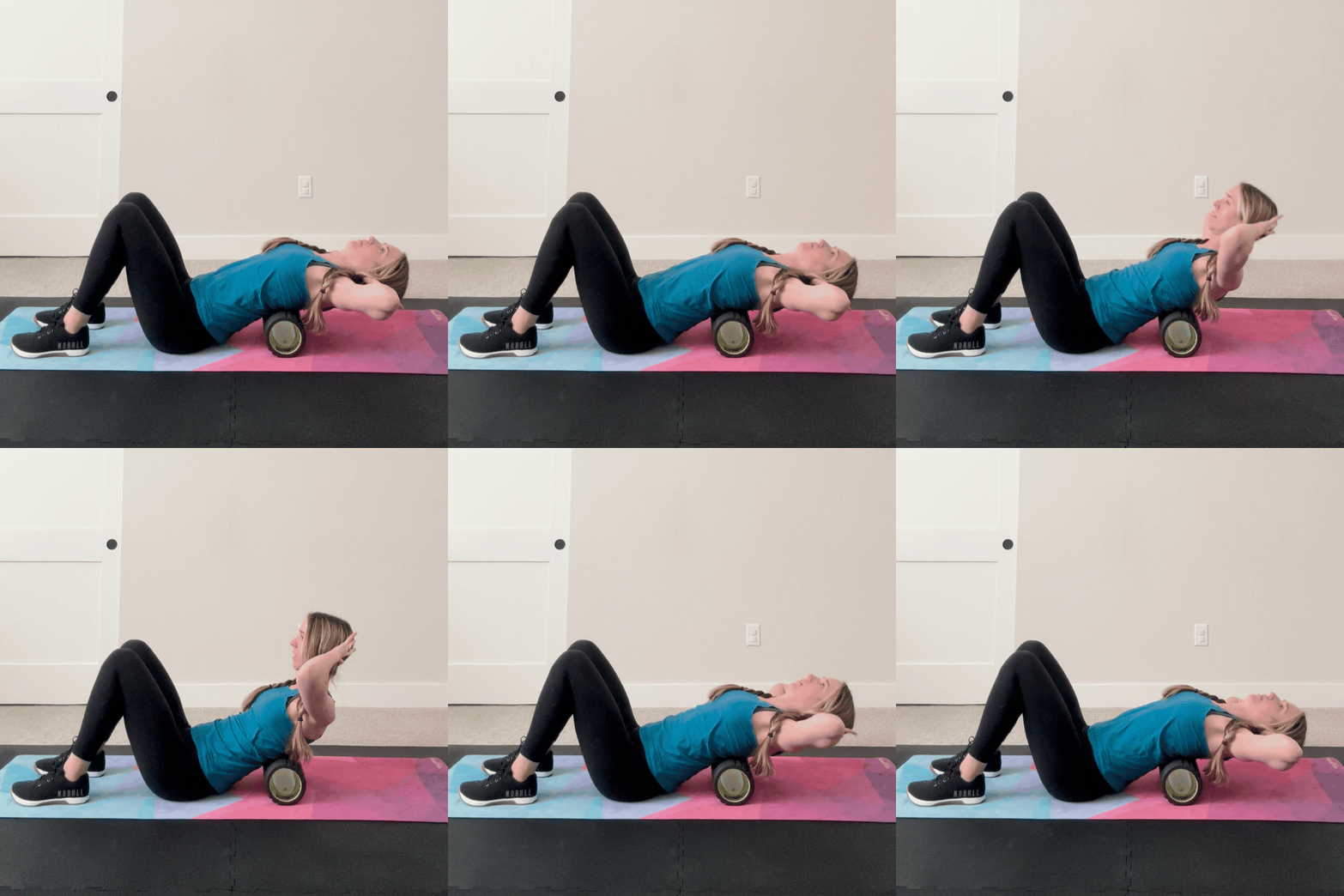
Execution: Lie on your back with a foam roller positioned horizontally beneath your mid-back. Support your head with your hands and gently lean backward over the roller, allowing the spine to extend. Moving the roller slightly up or down allows for targeted relief across different vertebrae.
3. Rotator Cuff Resilience: Side-Lying External Rotation
Shoulder injuries are common in sports involving repetitive overhead or pulling motions, such as swimming, rowing, or even stabilizing a mountain bike on technical descents. The rotator cuff, a group of four muscles, is responsible for keeping the humerus (arm bone) centered in the shoulder socket.
When the rotator cuff is weak, the shoulder joint becomes unstable, leading to impingement or labral stress. The side-lying external rotation specifically targets the infraspinatus and teres minor, two key muscles for shoulder stability.
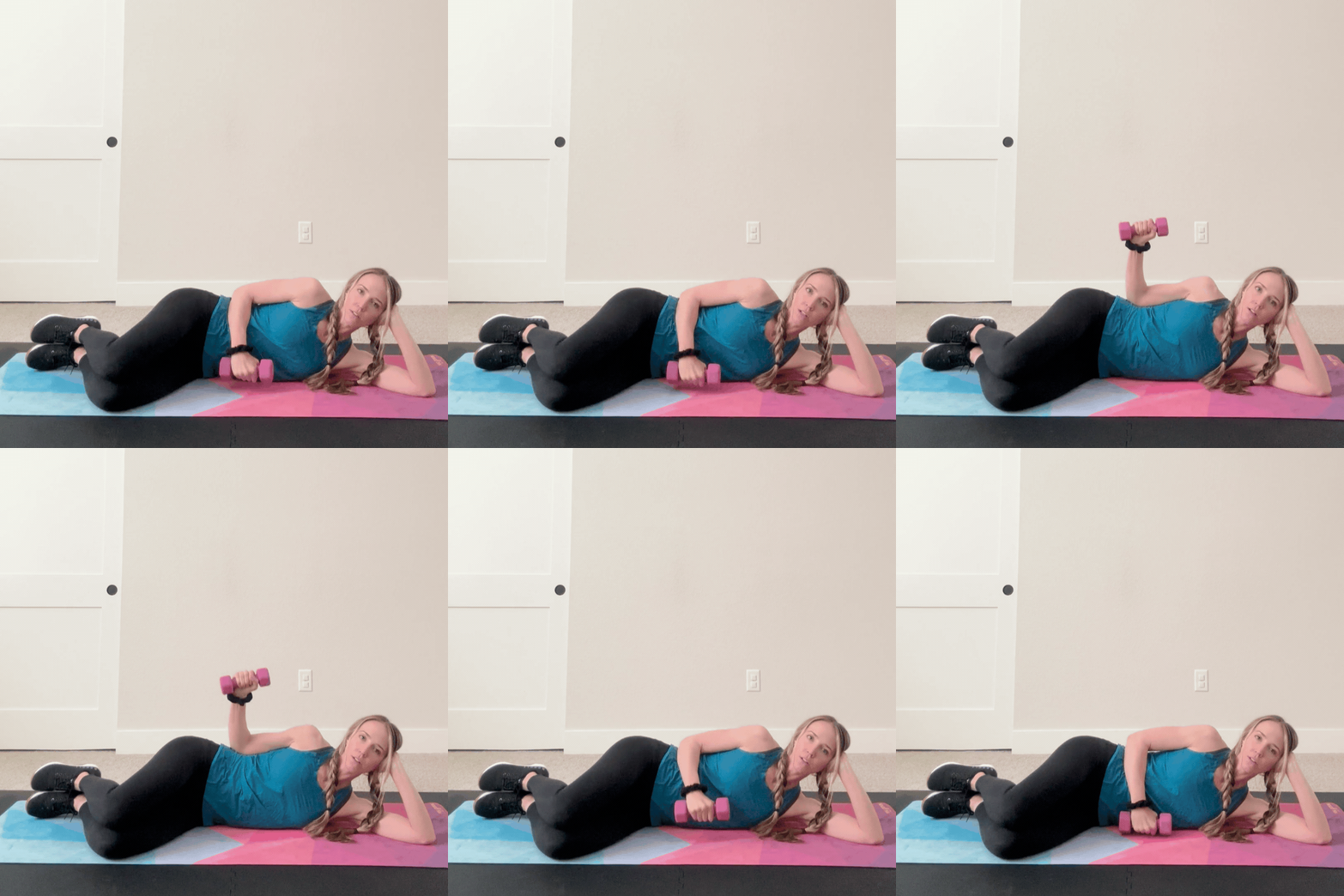
Execution: Lie on your side with a light dumbbell in your top hand and a small towel tucked under your elbow. Keeping the elbow tucked, rotate the weight toward the ceiling. This controlled movement builds the endurance necessary for long days of paddling or steering.
4. Strengthening the Anterior Neck: Neck Flexor Isometric Curl
While much attention is paid to the back of the neck, the deep cervical flexors on the front are often neglected. Weakness in these muscles is a leading contributor to "text neck" and the generalized neck soreness experienced by hikers who spend hours looking down at their footing.
The neck flexor isometric curl shifts the mechanical stress away from the overstrained extensors. Strengthening the front of the neck provides a more balanced "tented" support system for the head, which weighs approximately 10 to 12 pounds.
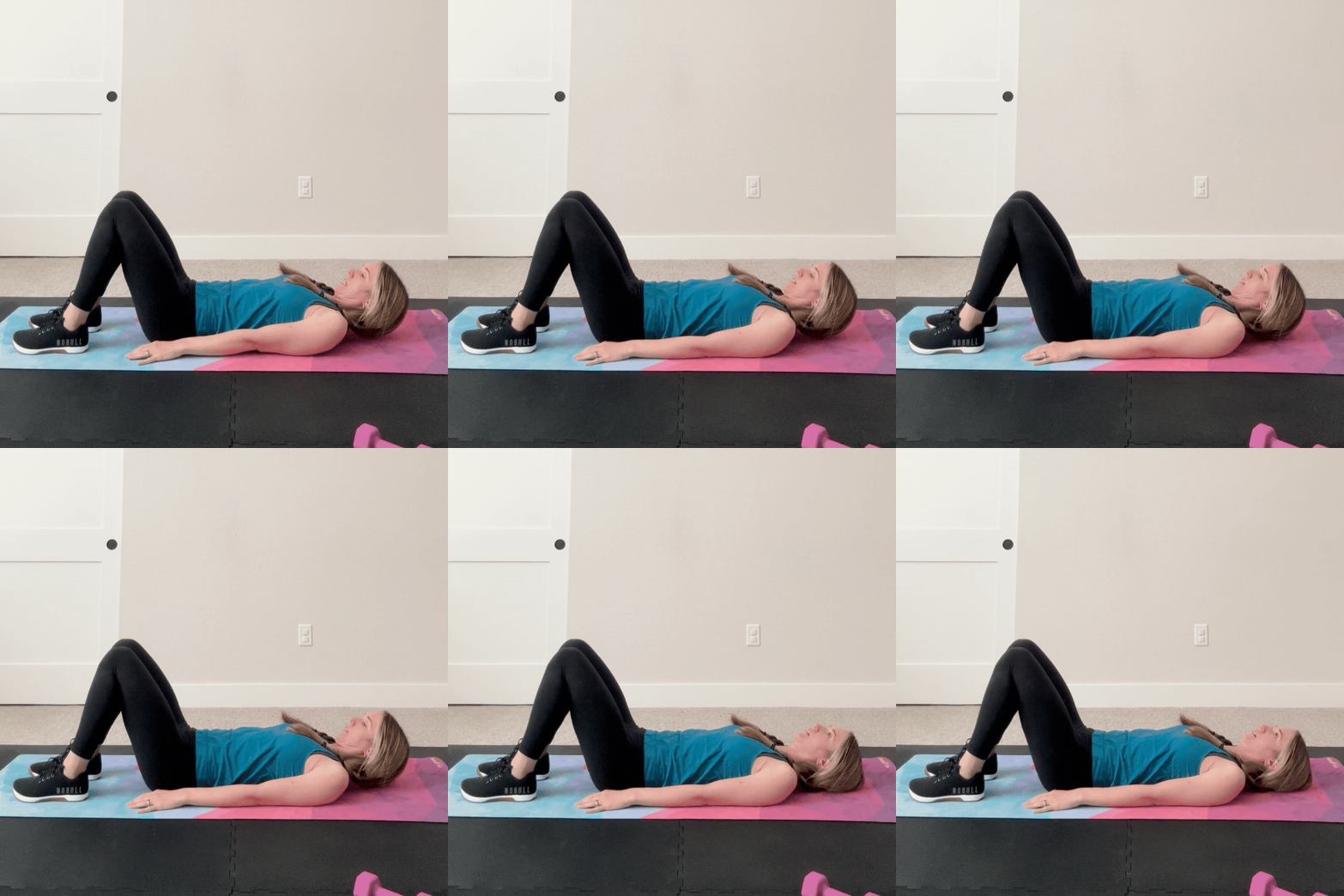
Execution: Lie on your back and perform a slight "chin tuck," then lift your head just one inch off the floor. Holding this position forces the deep flexors to engage. While an average healthy individual can hold this for 40 seconds, those with pain may start with 5-to-10-second intervals.
5. Knee Health and Gluteal Integration: Lateral Step-Down
Knee pain, particularly around the patella, is frequently a "downstream" symptom of "upstream" weakness in the hips. If the gluteus medius is weak, the femur may rotate inward during running or hiking, causing the kneecap to track incorrectly.
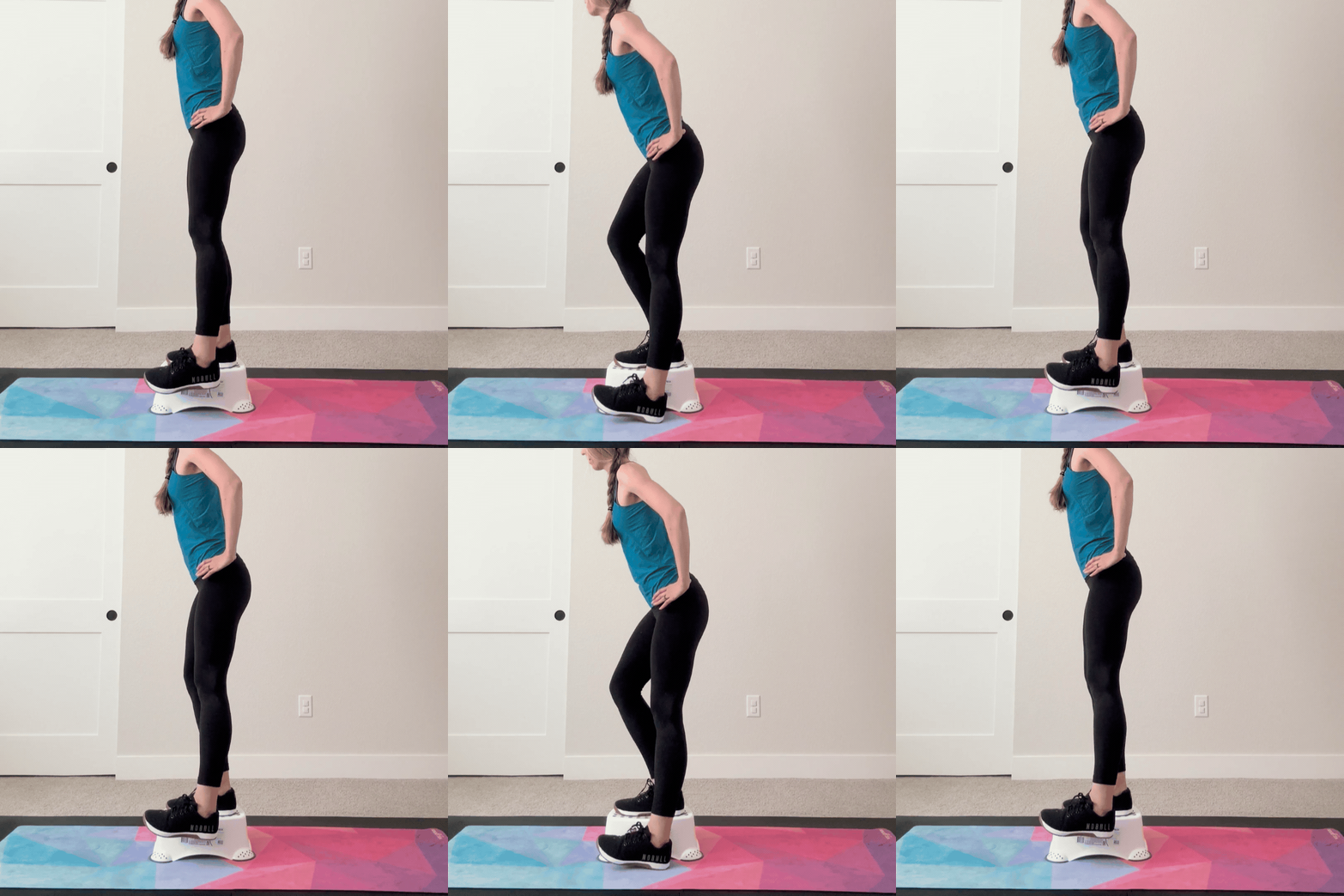
The Lateral Step-Down is a functional movement that mimics the action of stepping off a rock or curb. it requires the quads and glutes to work in tandem to decelerate the body’s weight, thereby protecting the knee joint from shear forces.
Execution: Stand on a small step or box. Slowly lower one foot toward the floor by bending the opposite knee. The key is to keep the hips level and ensure the standing knee does not cave inward.
6. Managing Plantar Fasciitis: The Calf Stretch
Foot pain, specifically plantar fasciitis, is often caused by a lack of ankle dorsiflexion. When the calf muscles (gastrocnemius and soleus) are tight, they pull on the Achilles tendon, which in turn creates tension in the plantar fascia on the bottom of the foot.
By increasing the flexibility of the posterior chain, athletes can reduce the "tug-of-war" occurring at the heel. This stretch is a fundamental component of treating and preventing foot-related ailments in runners.
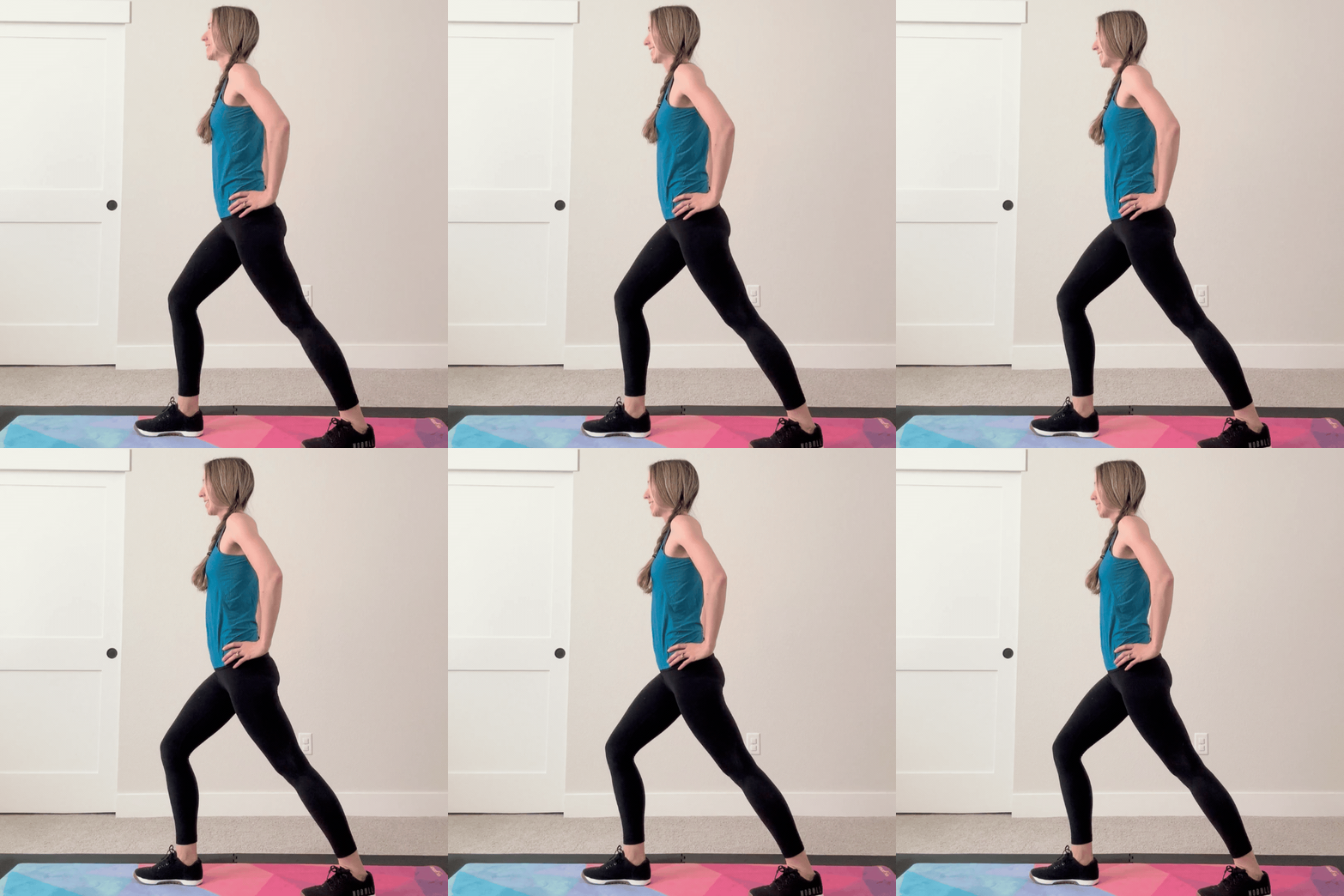
Execution: Stand facing a wall with one foot back and the heel pressed firmly into the ground. Leaning forward stretches the upper calf; slightly bending the back knee shifts the stretch to the lower calf and Achilles.
7. Achilles Tendon Loading: The Calf Raise
The Achilles tendon is the thickest and strongest tendon in the human body, capable of handling loads up to 12 times an individual’s body weight during a sprint. However, it is also highly susceptible to overuse. The single-leg calf raise is considered the "gold standard" for tendon rehabilitation.
Loading the tendon through a full range of motion stimulates collagen synthesis and increases the tendon’s stiffness, which is a desirable trait for power and injury prevention.
Execution: Stand on one leg (using a wall for balance) and rise onto the ball of your foot. Lower back down slowly. The eccentric (lowering) phase is particularly important for tendon health.
Broader Impact and the Future of Sports Medicine
The shift toward movement-based therapy marks a significant evolution in sports medicine. Historically, "RICE" (Rest, Ice, Compression, Elevation) was the standard for all aches. However, modern research suggests that "optimal loading"—the principle behind Walters’ exercises—is far more effective for long-term recovery.
As the outdoor recreation economy continues to grow—reaching a record $1.1 trillion in economic output in recent years—the demand for sustainable athletic practices is rising. By focusing on tissue capacity and proactive strength work, athletes can extend their "playing careers" well into their later decades. This data-driven approach to pain management empowers individuals to move from a state of fragility to one of resilience, ensuring that the great outdoors remains accessible and enjoyable.




 Chandra Hamzah
 Tatiana Tantri Indah Sari
 Budi Mulyono
 Lukman Taruna Persada Ramadan