
 Chandra Hamzah
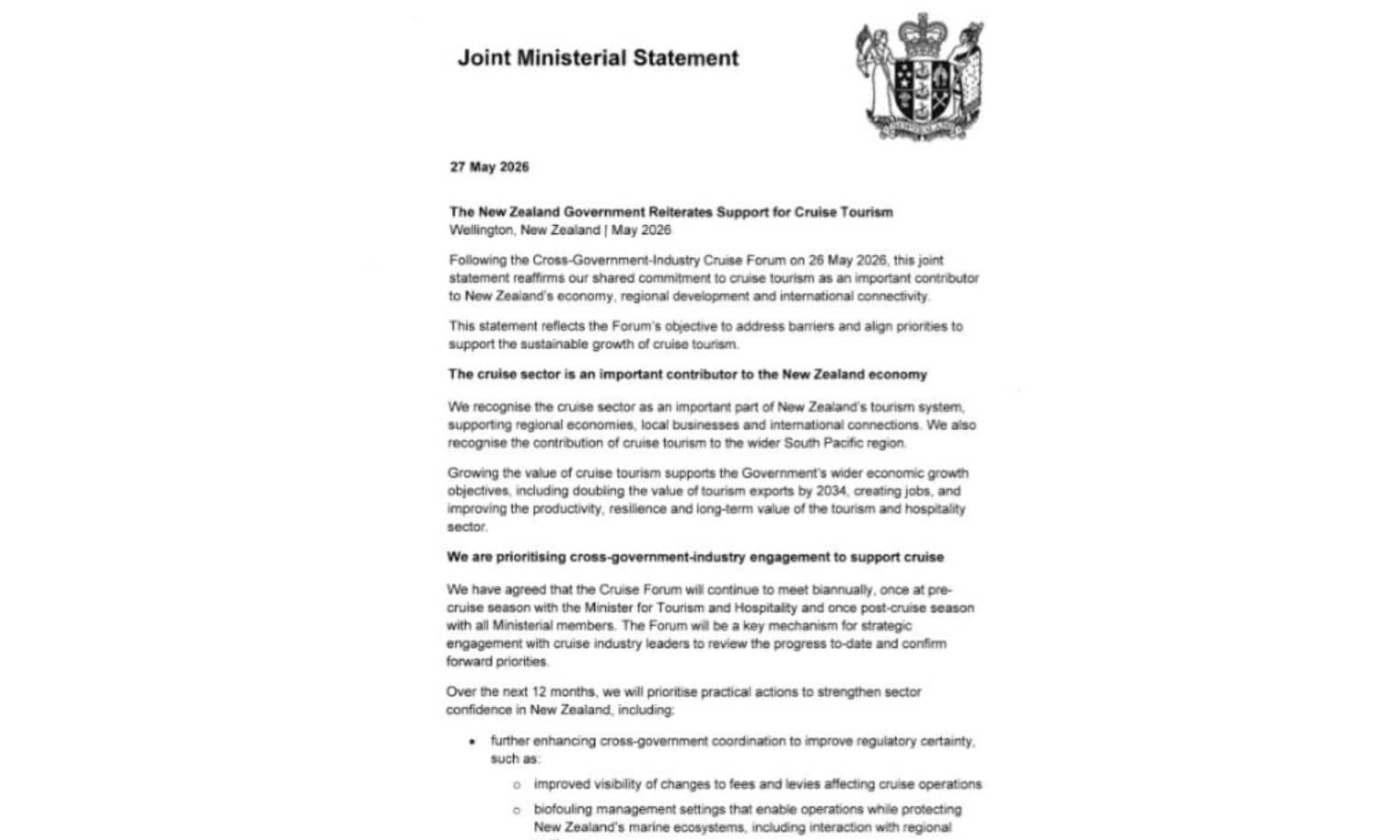
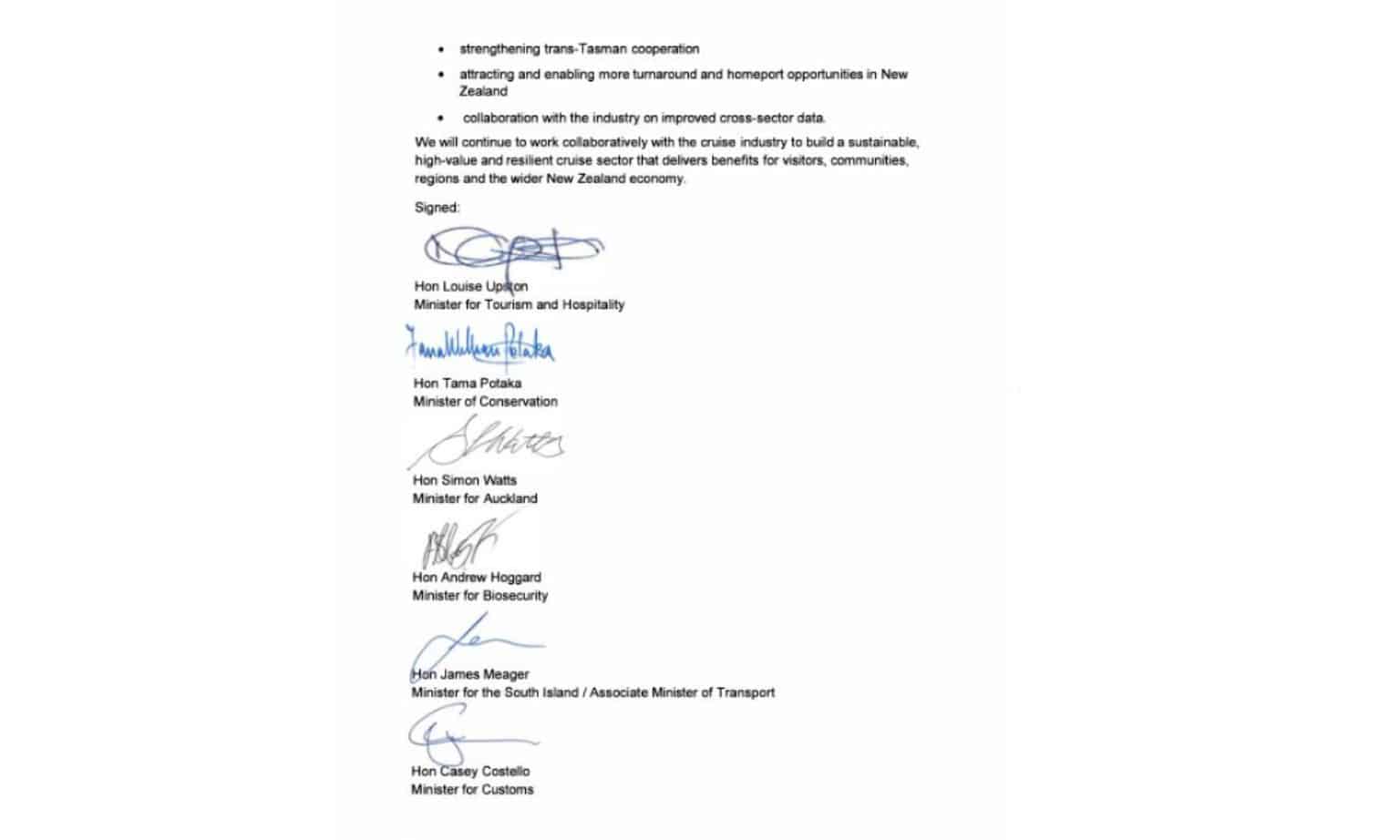
Last month, the New Zealand Cruise Association proudly published a joint communication about the importance of the cruise industry to the country’s economy. It mentioned the hard work of those involved and pledged joint work to help foster a sustainable cruise industry into the future. What really stood out about this piece of work were the signatures at the end. There were six government ministers from almost every part of the administration involved in cruise. In Australia, however, the industry is still waiting to have a constructive conversation with the federal government about a similar whole-of-government response. Why is this important? Because the way we regard the industry at home is vitally important to the investment Miami-based cruise lines make in bringing ships to this region.
This stark contrast between New Zealand’s proactive, ministerial engagement and Australia’s perceived lack of federal government dialogue highlights a growing concern within the Australian cruise sector: the potential deprioritisation of the market by major international cruise lines. The recent announcement of redundancies at an international cruise line’s Australian office has amplified these anxieties, moving the conversation beyond corporate restructuring to a broader question of the industry’s standing and future in Australia.
The Shifting Landscape of Cruise Deployment
For years, the Australian cruise market has been lauded by visiting cruise executives as a region of significant enthusiasm and economic potential. Annually, approximately 1.4 million Australians embark on cruises, contributing over $7 billion to the national economy, according to the Cruise Lines International Association (CLIA). This robust domestic demand and substantial economic contribution have historically positioned Australia as a key market for global cruise operators, particularly those based in Miami.
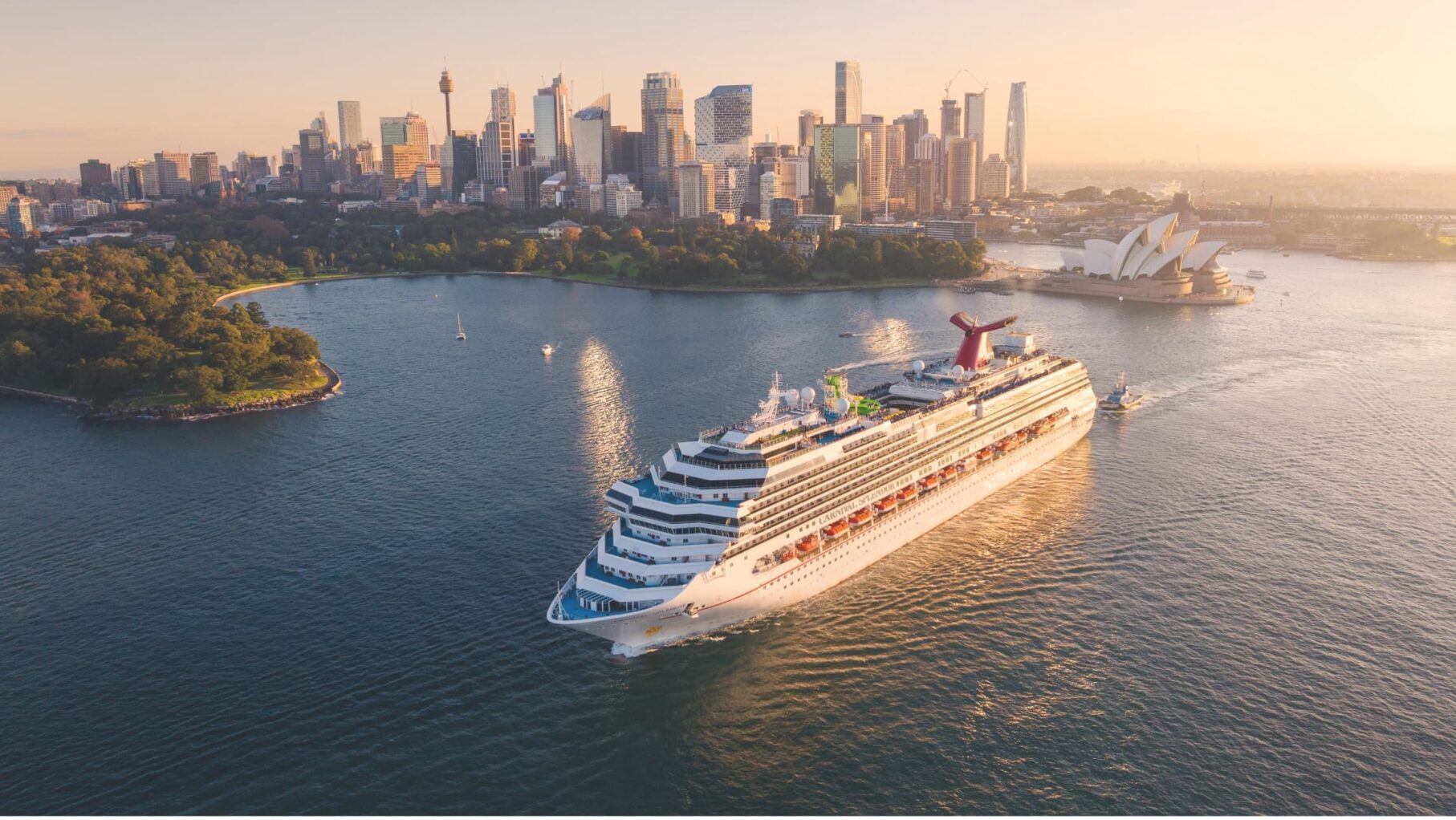
However, a critical paradox has emerged. Despite strong post-pandemic demand recovery, the actual cruise capacity available in Australia has not mirrored this resurgence. In fact, the number of ships deployed to Australian waters is reportedly lower than pre-COVID-19 levels. This discrepancy has led industry stakeholders to question the underlying reasons for this apparent decline in investment and deployment.
Identifying the Hurdles: Operating Costs and Regulatory Complexity
When international cruise executives discuss deployment decisions, two recurring themes emerge as significant deterrents to the Australian market: high operating costs and regulatory complexity. These concerns have been consistently voiced not only by major players like Norwegian Cruise Line Holdings but across the broader spectrum of the cruise industry.
The cost of operating in Australia, encompassing factors such as port fees, labor, fuel, and logistical challenges, appears to be a significant consideration for cruise lines when allocating their global fleets. Coupled with this are the intricacies and perceived burdens of the Australian regulatory environment. While the cruise industry broadly acknowledges the non-negotiable imperative of sustainability and is actively investing in cleaner technologies, alternative fuels, shore power, and next-generation vessels, the practical implementation and compliance within Australia are perceived as more challenging and costly compared to other global destinations.
New Zealand’s Proactive Approach: A Model for Engagement
The recent initiative by the New Zealand Cruise Association, backed by six government ministers, serves as a compelling case study in effective government-industry collaboration. This joint communication underscored the economic significance of cruising and pledged a commitment to fostering a sustainable future for the sector. This unified governmental stance signals to the international cruise industry that New Zealand is a valued partner and a priority destination.
This proactive engagement stands in contrast to Australia’s current situation, where the industry is reportedly seeking a similar "whole-of-government" response. The absence of such a coordinated federal dialogue leaves the Australian market at a perceived disadvantage in attracting and retaining cruise capacity.
The context for New Zealand’s current proactive stance dates back a few years when the country’s cruise industry faced a significant downturn. New environmental regulations and evolving operational challenges led to projections of a substantial decline in cruise visits, with some estimates suggesting a drop of up to 40%. Concerns were even raised about access to iconic natural wonders like Milford Sound, a major drawcard for international itineraries.
In response, the New Zealand government did not passively accept this decline. Instead, officials actively engaged with the cruise industry, seeking to find pathways that balanced environmental stewardship with economic imperatives. A key element of this strategy involved direct outreach to cruise executives in Miami, demonstrating a clear commitment to retaining New Zealand as an attractive cruise destination. This approach sent a clear message: "We value this industry and we want to work with you."
Australia’s Cruise Sector Advocates for Dialogue
The Australian cruise industry, through organizations like CLIA Australasia, has been persistently advocating for deeper engagement with federal policymakers. Joel Katz, Managing Director of CLIA Australasia, has consistently articulated the sector’s vital role beyond holiday passengers. He has highlighted that the cruise industry supports over 22,000 Australian jobs, extending its economic impact to a vast supply chain.
"The cruise industry creates benefits for an even wider supply chain – farmers, winemakers, produce wholesalers and others," Katz has stated. "Then there are the maritime service providers, port workers, waste management services, security officers, and more." These benefits are not concentrated in major urban centers; cruise spending stimulates regional communities, remote destinations, and Indigenous tourism enterprises across the continent.
The core of the industry’s plea is not for preferential treatment or a dilution of environmental standards. Rather, it is a call for constructive dialogue and a clear signal of government support for an industry that demonstrably delivers substantial economic benefits. The current fragmented approach to decision-making across various government levels and regulatory bodies in Australia is seen as creating uncertainty, escalating costs, and fostering a perception among international operators that the country is becoming an increasingly challenging place to conduct business.
The Global Competition for Cruise Investment
In the fiercely competitive global tourism market, perception is paramount. Every cruise ship deployed to destinations in Asia, Europe, or North America is a vessel that could otherwise be sailing in Australian waters. Other global destinations are actively vying for cruise investment, with governments engaging directly with cruise executives, promoting their ports, and showcasing their commitment to the sector.
Australia, with its robust passenger demand and well-documented economic benefits, possesses significant potential. However, this potential can only be fully realized if the government’s commitment matches the industry’s importance. The current situation suggests a gap between the industry’s value and the perceived level of government support.
Moving Forward: The Imperative of Dialogue
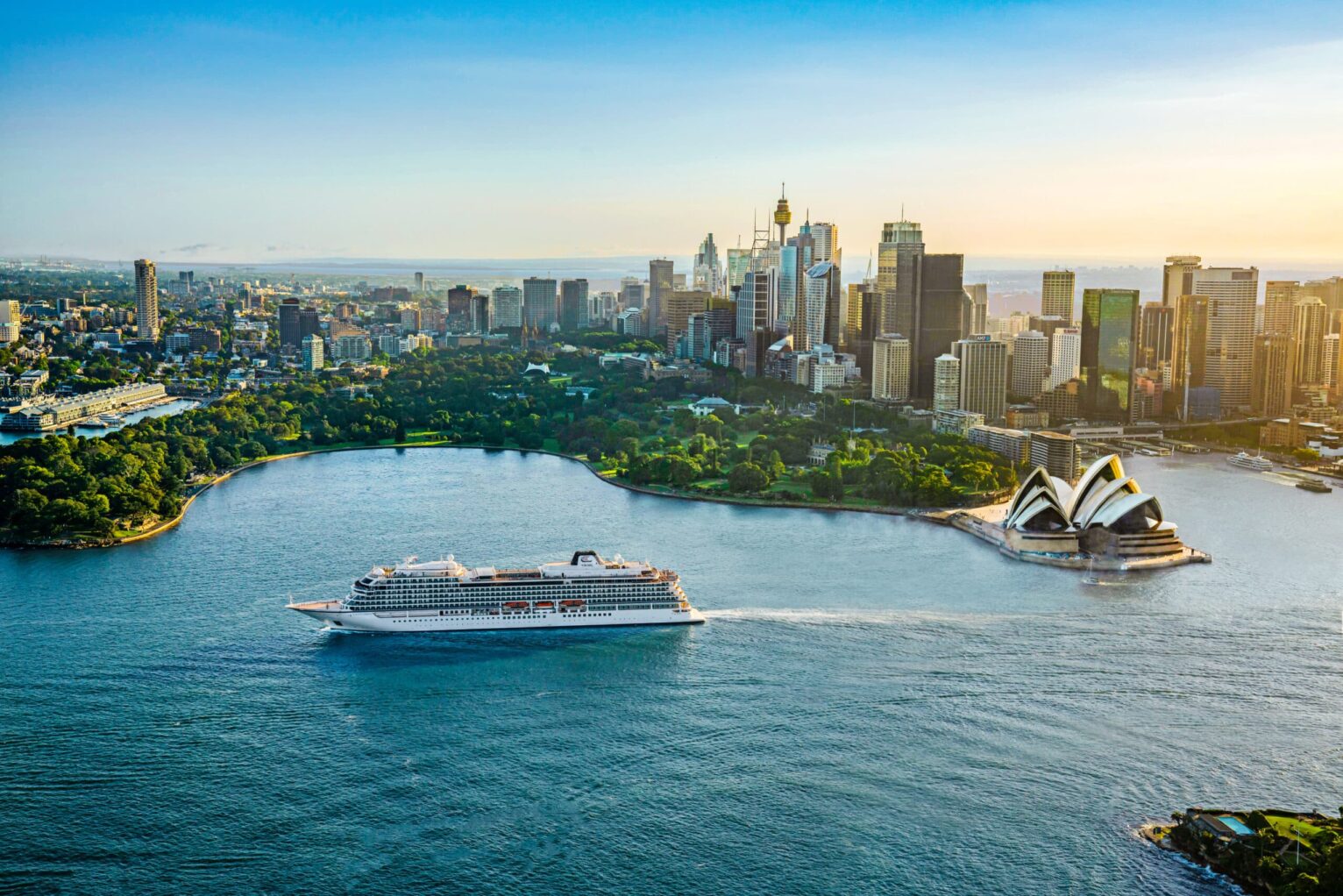
The path forward for Australia to reclaim and enhance its position in the global cruise market hinges on initiating a genuine dialogue. Canberra needs to engage with CLIA and industry leaders to comprehensively understand their concerns and collaboratively identify practical solutions. These solutions must aim to improve Australia’s competitiveness as a cruise destination while rigorously maintaining environmental and community standards.
The cruise industry is currently navigating a dynamic global landscape, including the ongoing recovery from geopolitical events like the crisis in the Middle East. This period presents a timely opportunity for the Australian government to open its doors, listen to the industry’s perspectives, and demonstrate a clear commitment to its prosperity. In today’s global cruise market, destinations must actively "earn their place on the itinerary." For Australia to continue to be a premier cruise destination, it cannot afford to assume that the ships will continue to arrive without a concerted effort to foster a supportive and collaborative environment. The future of Australia’s cruise capacity depends on this strategic engagement.




 Tatiana Tantri Indah Sari
 Budi Mulyono
 Anjar Salim
